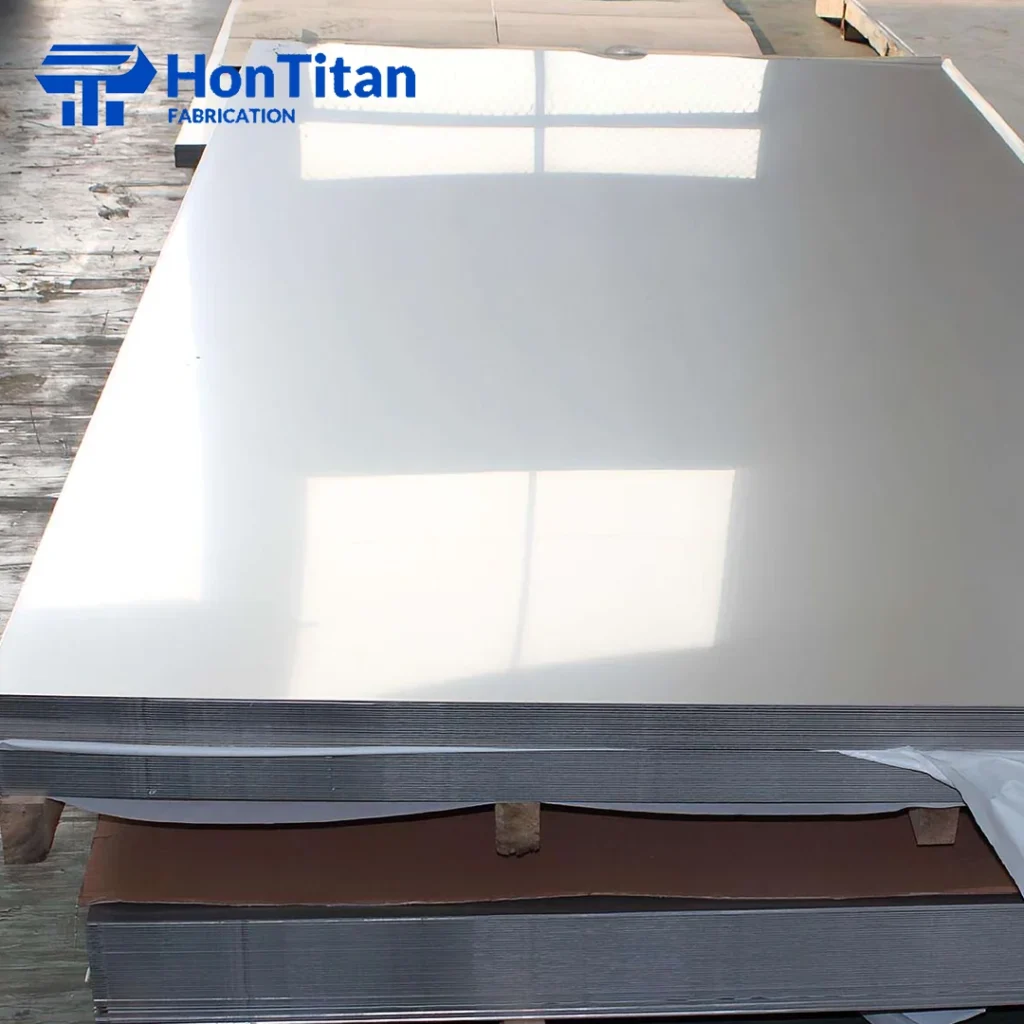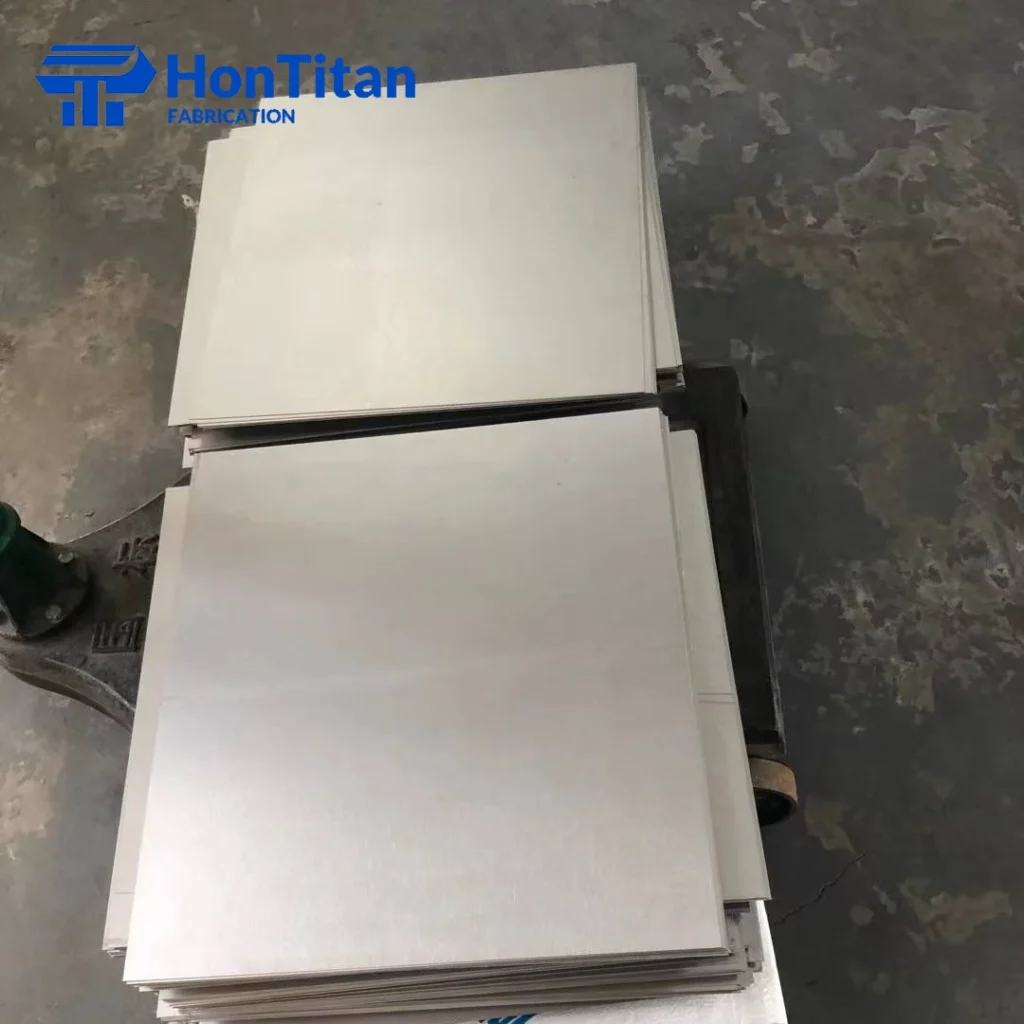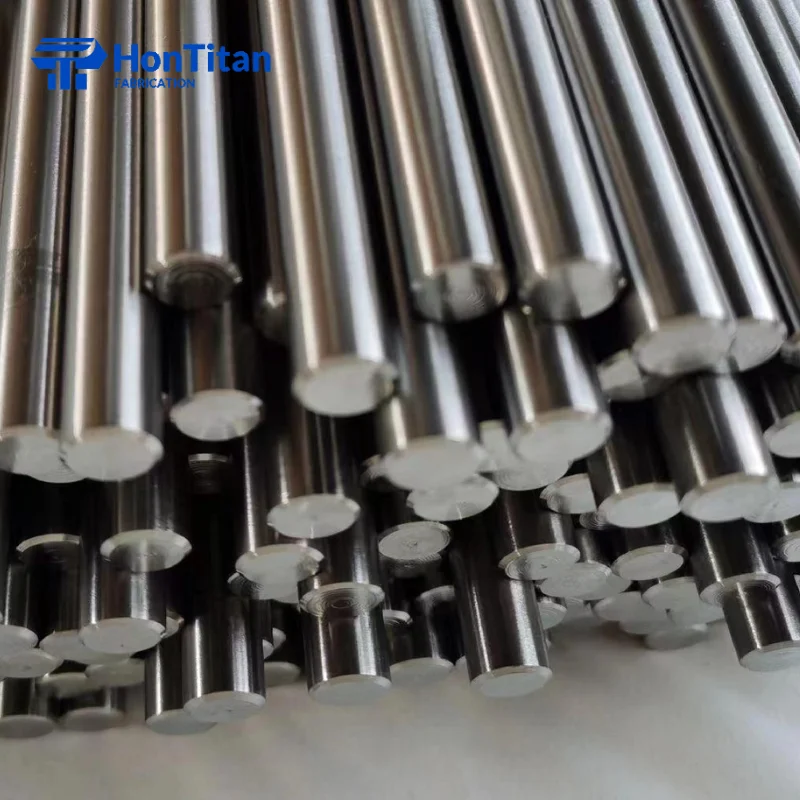
When engineers and product designers evaluate metals for extreme environments, weight often dictates the entire trajectory of a project. To answer the most common inquiry directly: titanium is significantly lighter than platinum. In fact, with a density of roughly 4.51 g/cm³, commercially pure titanium is nearly 4.7 times lighter than platinum, which stands as one of the densest stable elements on the periodic table at 21.45 g/cm³.

However, the choice between these two advanced materials extends far beyond simple weight metrics. In the manufacturing sector, they occupy fundamentally different functional spaces. Titanium is a high-performance structural metal, revered for its exceptional strength-to-weight ratio (specific strength), fatigue resistance, and biocompatibility. Platinum, conversely, is a noble metal. While its extreme density and lower tensile strength make it unsuitable for weight-sensitive structural components, its unparalleled chemical inertness, high melting point, and unique catalytic properties make it completely irreplaceable in specialized chemical and electronic applications.
Selecting the right material requires a deep understanding of how these metals behave under mechanical stress, thermal shock, and during the CNC machining process itself. This guide breaks down the exact technical specifications, machinability challenges, and core industrial applications of both titanium and platinum to help engineering and procurement teams make data-driven material decisions.
Technical Specifications: Titanium vs. Platinum Data Sheet
Before diving into complex machining behaviors and industrial applications, it is crucial to establish the baseline physical and mechanical properties of both metals.
To provide an accurate engineering comparison, the data below evaluates Commercially Pure (CP) Titanium Grade 2—widely considered the “workhorse” of the titanium industry for its balance of strength and formability—against Pure Platinum (99.9%).
| Mechanical & Physical Property | CP Titanium (Grade 2) | Pure Platinum (99.9%) |
|---|---|---|
| Density | 4.51 g/cm³ | 21.45 g/cm³ |
| Melting Point | 1,668°C (3,034°F) | 1,768°C (3,214°F) |
| Tensile Strength (Annealed) | ~344 MPa | ~125 – 165 MPa |
| Yield Strength | ~275 MPa | ~25 – 55 MPa |
| Hardness (Brinell) | ~145 HB | ~40 HB |
| Thermal Conductivity | 16.4 W/m·K | 71.6 W/m·K |
| Machinability Profile | Difficult (High galling tendency, rapid tool wear) | Moderate (Highly ductile, gummy, difficult swarf management) |
*Data sourced from standard metallurgical references including ASM International and MatWeb material property databases. Properties may vary slightly depending on exact alloy composition and thermal treatment.
The Engineering Takeaway: Density vs. Structural Integrity
What does this data reveal to a design engineer? The most striking contrast lies in the density-to-strength relationship.
While platinum is roughly 4.75 times heavier than titanium, its yield and tensile strengths are drastically lower. In its pure form, platinum is incredibly soft (40 HB) and highly ductile, meaning it will deform under loads that titanium would easily withstand. Therefore, platinum is entirely unsuitable for structural components where mechanical integrity is required.
Conversely, titanium dominates the specific strength (strength-to-weight ratio) category. It offers robust structural integrity while remaining exceptionally lightweight. However, as the table indicates, platinum’s significantly higher thermal conductivity and elevated melting point hint at its true industrial value: operating in high-temperature, highly corrosive, or chemically reactive environments where structural load-bearing is not the primary concern.
Weight and Density Analysis in Manufacturing
In engineering and manufacturing, density is never just a static number on a spec sheet—it directly influences a component’s mechanical behavior, energy consumption, and overall lifecycle cost. The stark contrast between titanium and platinum perfectly illustrates why material density dictates industrial applications.
The 4.7x Density Factor: Implications for Dynamic Systems
As established, platinum (21.45 g/cm³) is nearly 4.75 times denser than commercially pure titanium (4.51 g/cm³). To put this into a manufacturing perspective, imagine machining a complex gear or a specialized valve body. If manufactured from titanium, the component might weigh 1 kilogram. If that exact same volumetric design were milled from platinum, it would weigh nearly 4.75 kilograms.
In dynamic systems—such as rotating machinery, automotive drivetrains, or automated robotic arms—this massive increase in weight introduces severe mechanical penalties. Heavier components generate higher rotational inertia, requiring significantly more energy to accelerate and decelerate. This “parasitic mass” leads to accelerated wear on surrounding bearings, increased power consumption, and a higher risk of mechanical fatigue. Therefore, platinum is strictly avoided in any application requiring rapid movement or weight optimization.
Specific Strength (The Strength-to-Weight Ratio)
The true value of a structural metal is often measured by its specific strength, or its strength-to-weight ratio (calculated by dividing the material’s yield strength by its density). This is the exact metric where titanium absolutely dominates the metallurgical landscape.
Titanium—particularly in its alloyed forms like Ti-6Al-4V (Grade 5)—delivers tensile strength comparable to many industrial steels but at roughly 56% of the weight. This exceptional specific strength makes it the premier choice for aerospace components, marine engineering, and high-performance automotive parts where shedding every gram of excess payload is critical.
Pure platinum, by contrast, possesses a remarkably poor specific strength. Because it is incredibly dense but mechanically soft (with a yield strength as low as 25-55 MPa in its annealed state), it cannot support heavy structural loads without bending or deforming. Consequently, engineers never specify platinum for load-bearing architecture; its immense weight is a trade-off accepted only when its extreme chemical and thermal properties are absolutely mandatory.
Mechanical and Chemical Properties: Machining Challenges and Material Behavior
While density and strength dictate a component’s structural viability, a material’s mechanical and chemical properties determine how easily it can be manufactured and how it will survive in its operating environment. Both titanium and platinum present unique, often frustrating challenges for CNC machinists, and they achieve extreme corrosion resistance through entirely different metallurgical mechanisms.
Machinability and Tool Wear on the CNC Floor
Machining titanium requires rigid setups, specialized tooling, and high-pressure coolant. The primary challenge stems from titanium’s exceptionally low thermal conductivity (around 16.4 W/m·K). During milling or turning, the heat generated by the cutting action does not easily dissipate into the metal chip or the workpiece. Instead, the heat concentrates directly on the cutting edge of the tool, leading to rapid thermal degradation and catastrophic tool failure. Furthermore, titanium exhibits a strong tendency toward galling (cold welding), where the material adheres to the cutting insert, ruining surface finishes.
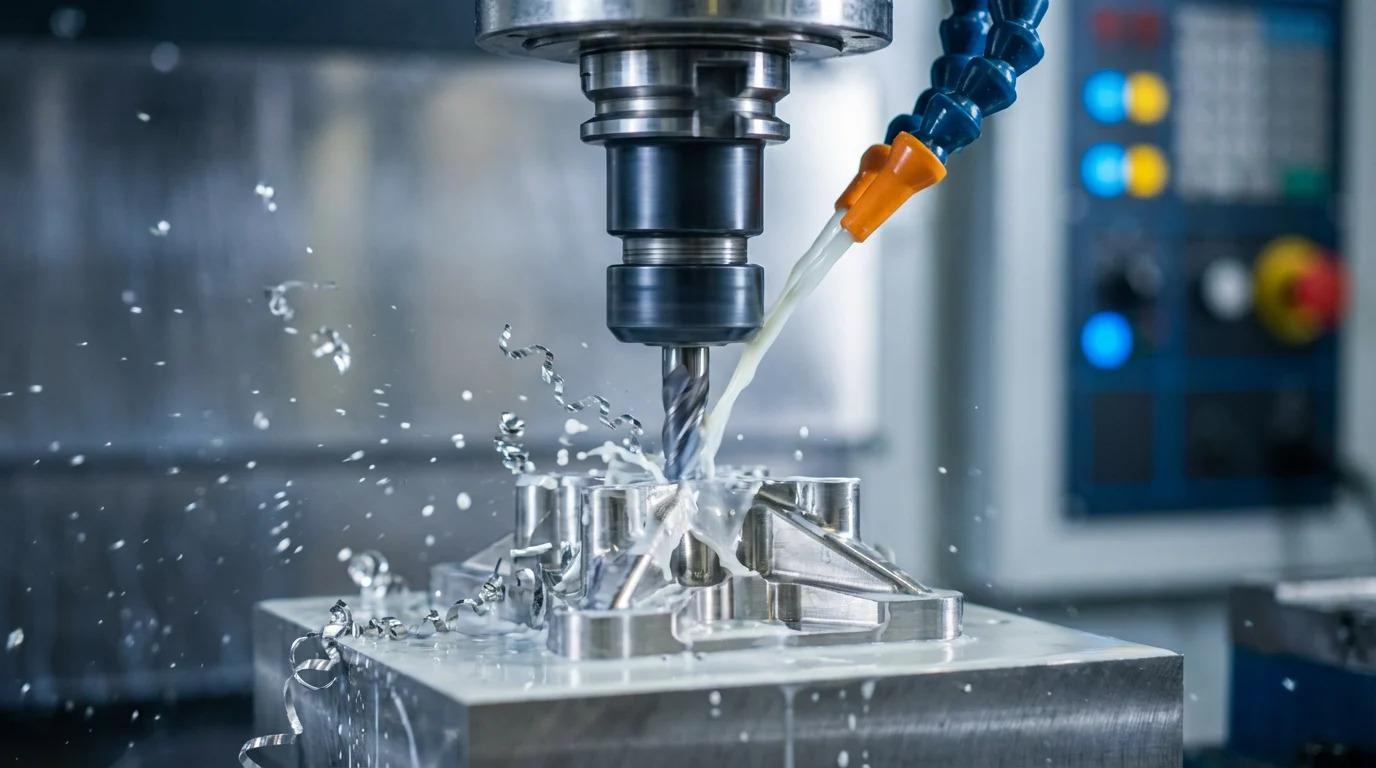
Platinum, while technically softer, is equally notorious in the machine shop, but for completely different reasons. Pure platinum is highly ductile and incredibly gummy. Instead of producing clean, brittle chips that evacuate easily, platinum tends to tear and smear, frequently causing a Built-Up Edge (BUE) on the cutting tool. Achieving tight tolerances and a pristine surface finish requires razor-sharp, highly polished cutting tools with specific rake angles.
However, the most significant “machining” challenge with platinum is financial: swarf management. Because of its astronomical cost, every single microscopic chip, shaving, and drop of contaminated coolant must be meticulously collected, filtered, and refined to recover the precious metal scrap.
Corrosion Resistance vs. Catalytic Activity
In harsh chemical environments, both metals are incredibly resilient. Yet, the way they protect themselves highlights their fundamentally different industrial purposes.
Titanium relies on a passive oxide layer. The moment raw titanium is exposed to oxygen, it instantly forms a microscopic, impenetrable film of titanium dioxide (TiO2). If this layer is scratched off, it heals itself immediately. This mechanism gives titanium legendary resistance to chlorides, making it the premier choice for desalination plants, offshore oil rigs, and biomedical implants.
Platinum, conversely, does not need an oxide layer; it is inherently a noble metal. It naturally resists oxidation and chemical attack even at extremely high temperatures where titanium would rapidly degrade.
More importantly, platinum possesses a “superpower” that titanium completely lacks: catalytic activity. Due to its unique atomic electron configuration, platinum can absorb reactant molecules onto its surface, lowering the activation energy required for chemical reactions to occur, all without being consumed in the process. This specific chemical property is why platinum is universally demanded in petroleum refining, nitric acid production, and hydrogen fuel cells.
Key Industrial Applications: Structural vs. Functional Uses
The distinct physical and chemical profiles of titanium and platinum dictate entirely different trajectories in manufacturing. Titanium is overwhelmingly selected for dynamic, load-bearing architecture, whereas platinum is reserved for highly specialized, functional applications where chemical reactions or extreme temperatures must be managed.
Where Titanium Dominates: Aerospace, Marine, and Medical
Because of its unparalleled specific strength and passive oxide layer, titanium is the metal of choice when engineers need to shed weight without sacrificing durability or corrosion resistance.
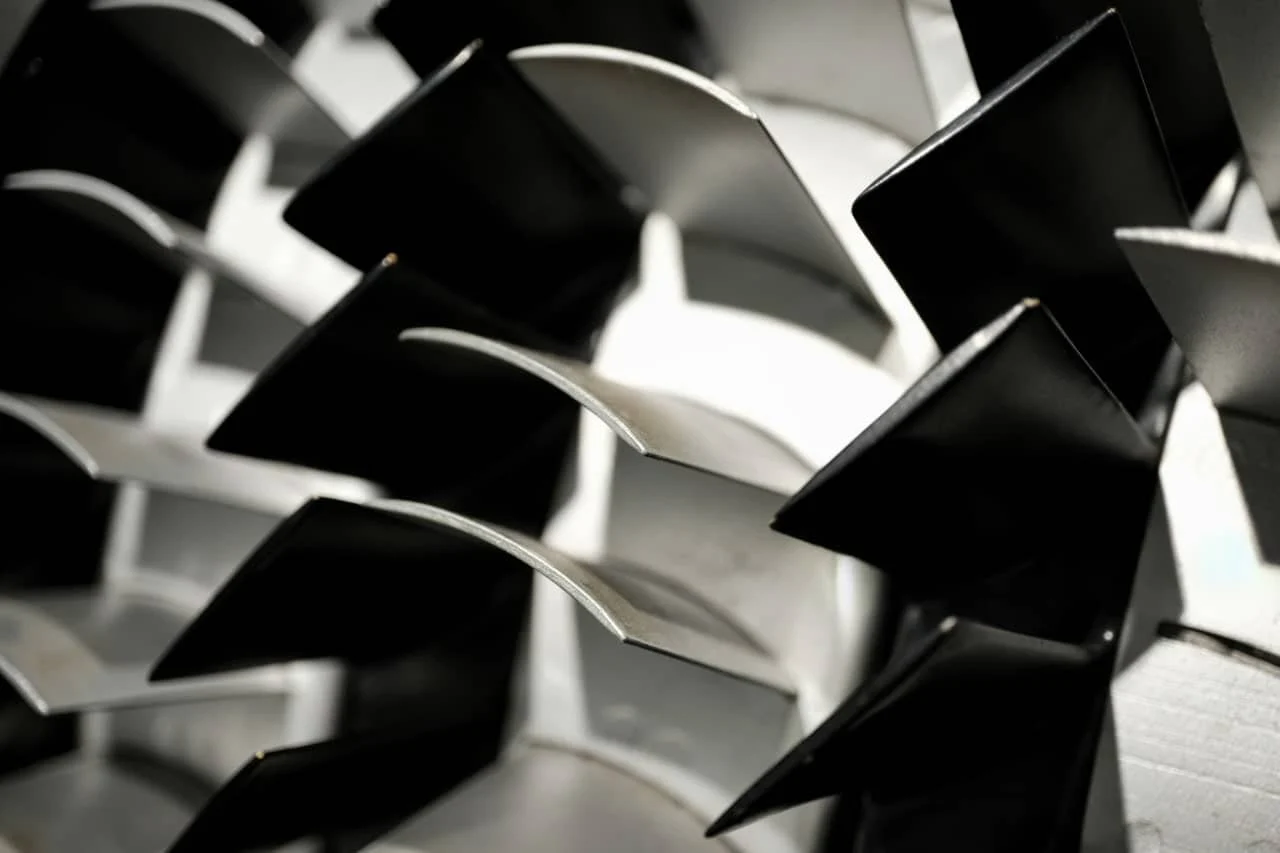
- Aerospace Engineering: The aerospace industry is the largest consumer of titanium alloys, particularly Ti-6Al-4V (Grade 5). It is heavily utilized in critical structural components such as landing gear assemblies, hydraulic systems, and jet engine compressor and fan blades. By replacing heavier steel components with titanium, aircraft manufacturers drastically reduce the overall payload, directly improving fuel efficiency and flight range.
- Medical Device Manufacturing: Commercially pure titanium and its alloys are the gold standard for biomedical implants (such as artificial hips, knee joints, and bone screws). Beyond its lack of toxicity, titanium possesses a modulus of elasticity (stiffness) that is much closer to human bone than stainless steel or cobalt-chrome. This reduces a phenomenon known as “stress shielding,” allowing the bone to bear mechanical loads and remain healthy. Furthermore, titanium actively promotes osseointegration, allowing living bone tissue to physically bond with the surface of the implant.
- Marine and Offshore: Due to its absolute immunity to chloride-induced pitting and crevice corrosion, titanium is essential for submarine pressure hulls, offshore oil rig heat exchangers, and large-scale desalination plants.
Where Platinum is Indispensable: Catalysis, Glass, and Sensors
Platinum’s extreme density and low tensile strength make it useless for building aircraft or implants. Instead, its value lies in its chemical inertness, high melting point, and catalytic superpower.
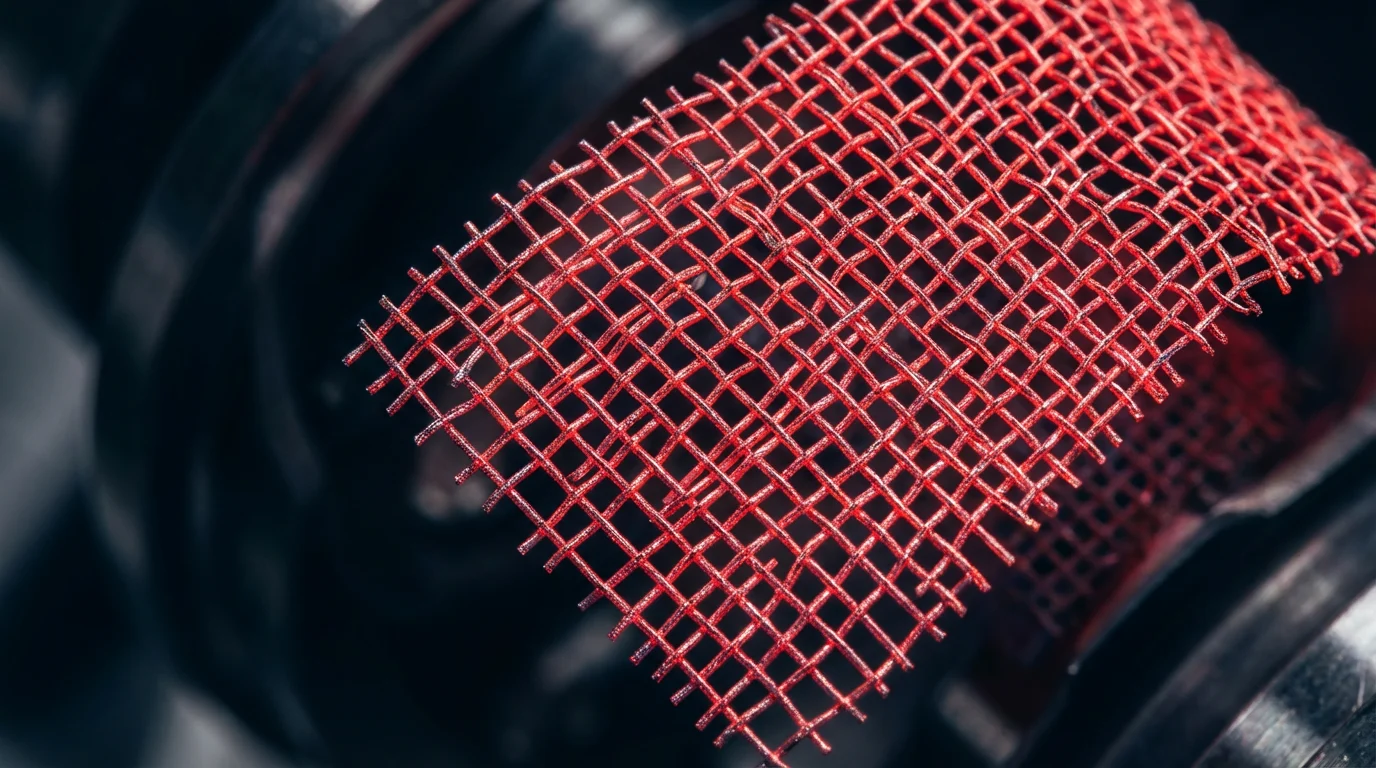
- Automotive and Chemical Catalysis: The single largest industrial use for platinum is in catalytic converters for internal combustion engines. Platinum coatings facilitate the chemical reaction that converts toxic carbon monoxide and unburned hydrocarbons into less harmful carbon dioxide and water vapor. In the chemical processing sector, platinum catalyst meshes are critical for refining crude oil and manufacturing nitric acid and silicones.
- High-Temperature Glass Manufacturing: Producing high-purity glass for fiber optics, LCD screens, and specialized laboratory equipment requires melting materials at extreme temperatures. If standard metal or ceramic crucibles were used, they would either melt or leach impurities into the glass. Platinum (and platinum-rhodium alloys) can withstand these temperatures while remaining completely inert, ensuring the glass remains perfectly pure.
- Precision Sensors and Electronics: Because platinum’s electrical resistance changes in a highly predictable and stable manner across a wide temperature range, it is the primary material used in Platinum Resistance Thermometers (PRTs) and high-temperature thermocouples. It provides exact temperature readouts in blast furnaces, aerospace engines, and semiconductor manufacturing environments.
Cost Implications and Supply Chain Considerations
For procurement managers and lead engineers, specifying a material is not just a technical decision; it is a financial one. Both titanium and platinum sit at the higher end of the industrial cost spectrum, but the drivers behind their pricing and supply chain dynamics are fundamentally different.
The Cost of Titanium: Processing and Machining
Titanium is actually the ninth most abundant element in the Earth’s crust; material scarcity is not the primary driver of its cost. Instead, the high price of titanium is deeply tied to its metallurgical extraction and manufacturing lifecycle.
Extracting pure titanium from its ore (rutile or ilmenite) requires the energy-intensive Kroll process, which involves extreme heat, chlorine gas, and magnesium. Furthermore, as discussed earlier, the rapid tool wear, slower feed rates, and specialized coolant systems required to machine titanium significantly inflate the final cost per part. However, in applications like aerospace and marine engineering, titanium’s exceptional lifecycle value—measured by its longevity, lack of maintenance, and fuel savings from weight reduction—easily justifies the high initial capital expenditure.
The Cost of Platinum: Extreme Scarcity and Market Dynamics
Unlike titanium, platinum is incredibly rare. It is one of the rarest elements in the Earth’s crust, heavily concentrated in just a few geographic regions (primarily South Africa and Russia). Because of its dual role as a high-demand industrial catalyst and a highly traded precious metal, its price is subject to severe market volatility and geopolitical supply chain risks.
In manufacturing, platinum is never selected for its structural properties. It is treated as an extremely expensive, consumable, or functional asset. Procurement strategies for platinum heavily involve closed-loop recycling programs, where spent catalytic converters, laboratory crucibles, and machining swarf are meticulously reclaimed and refined to recover the raw metal.
Engineering FAQs
Why is platinum so much heavier than titanium?
The dramatic difference in density comes down to atomic structure. Platinum has a significantly higher atomic mass (195.08 u) compared to titanium (47.867 u). Additionally, platinum atoms are packed in a highly dense face-centered cubic (FCC) crystal lattice, whereas titanium (at room temperature) utilizes a slightly less dense hexagonal close-packed (HCP) structure, resulting in platinum being roughly 4.75 times heavier per cubic centimeter.
Can titanium be used as a chemical catalyst like platinum?
No. Titanium cannot function as an effective catalyst for the same reactions as platinum. Platinum’s catalytic superpower comes from its specific electron configuration—specifically, the availability of its d-band electrons—which allows it to temporarily bond with reactant molecules and lower activation energy. Titanium relies on a passive oxide layer that makes it chemically inert, preventing the electron exchange necessary for catalytic activity.
Which is harder to machine: Ti-6Al-4V or Pure Platinum?
They present different, equally difficult challenges. Ti-6Al-4V is abrasive, has poor thermal conductivity (causing rapid tool degradation), and tends to gall or cold-weld to the cutting insert. Pure platinum is incredibly ductile and “gummy”; it does not chip easily, instead smearing and causing built-up edge (BUE) on the tool, making it extremely difficult to achieve tight tolerances and high-quality surface finishes without specialized tooling.
References & Data Sources
ASM International:Titanium and Titanium Alloys – Material Properties Data
MatWeb Material Property Data:Platinum (Pt), Pure – Physical and Mechanical Properties
ASTM International:ASTM B348 – Standard Specification for Titanium and Titanium Alloy Bars and Billets
ScienceDirect:Metallurgical Extraction and the Kroll Process