China produziert über 60% des weltweit hergestellten Titanschwamms und verfügt über die weltweit größte Konzentration an Titanwerken, deren Zentrum in Baoji in der Provinz Shaanxi liegt. Der Direktkauf bei einem geprüften chinesischen Hersteller kann die Materialkosten im Vergleich zu den Preisen westlicher Hersteller um 30–50% senken – doch die Risiken sind real: In den Jahren 2023–2024 untersuchte die FAA gefälschtes Titan mit manipulierten Zertifikaten, das von einem staatlichen chinesischen Schmiedeunternehmen stammte und in die Lieferketten von Boeing und Airbus gelangt war. Dieser Leitfaden führt Sie durch das Rahmenwerk zur Gütesortenauswahl, eine 10-Punkte-Checkliste für Lieferanten, die wichtigen Zertifizierungen sowie Preisvergleichswerte auf Basis der SMM-Marktdaten für 2025–2026. Ganz gleich, ob Sie Bleche der Güteklasse 2 für die chemische Verarbeitung oder Stangen der Güteklasse 5 für Luft- und Raumfahrtkomponenten beschaffen – der Qualifizierungsprozess ist derselbe.
Warum die Beschaffung von Titan aus China sowohl eine Chance als auch ein Risiko darstellt
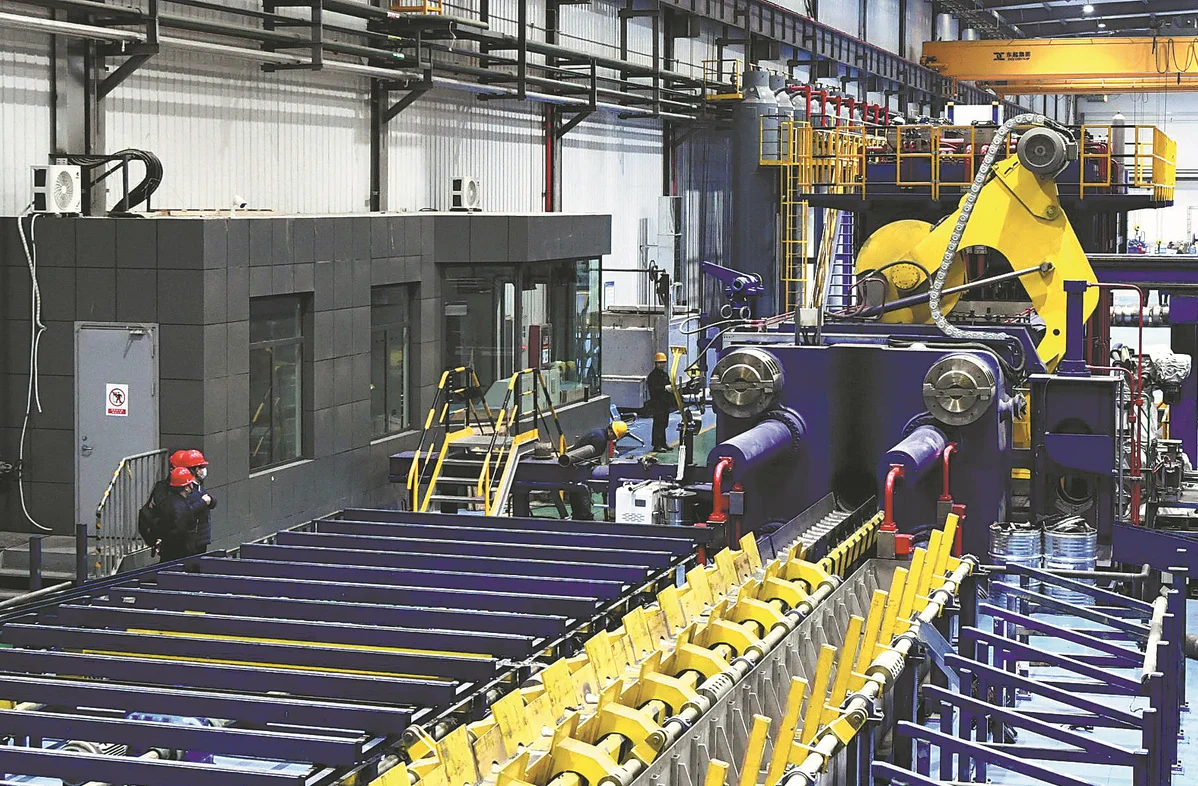
China dominiert die globale Titan-Lieferkette in einer Weise, wie es nur wenige Branchen tun. Laut Mordor Intelligence erreichte der weltweite Titanmarkt im Jahr 2025 ein Volumen von 225,68 Kilotonnen und wird bis 2031 voraussichtlich 316,83 Kilotonnen erreichen – und China hat den größten Anteil an diesem Volumen, da es sowohl der weltweit größte Produzent von Titanschwamm (allein im Jahr 2025 270.000 Tonnen, laut SMM) als auch der größte Exporteur von Walzprodukten ist.
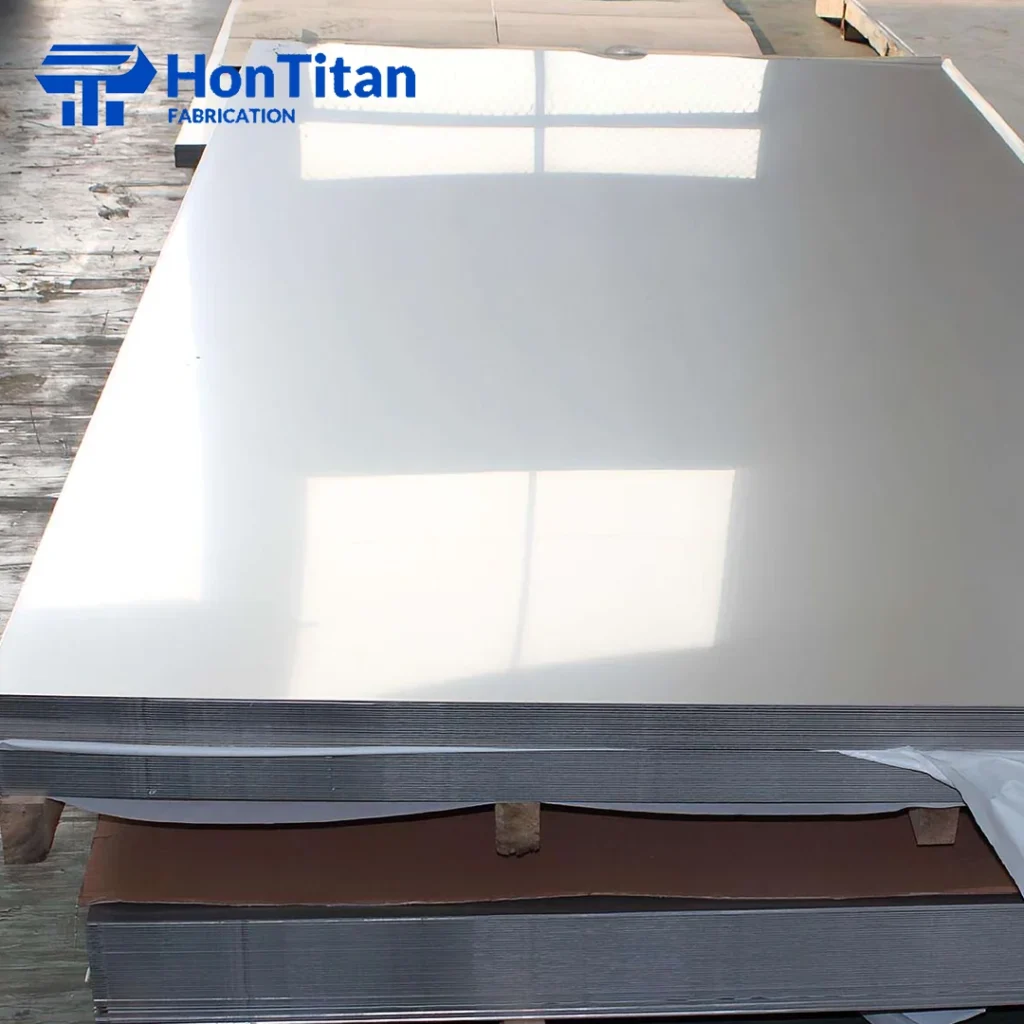
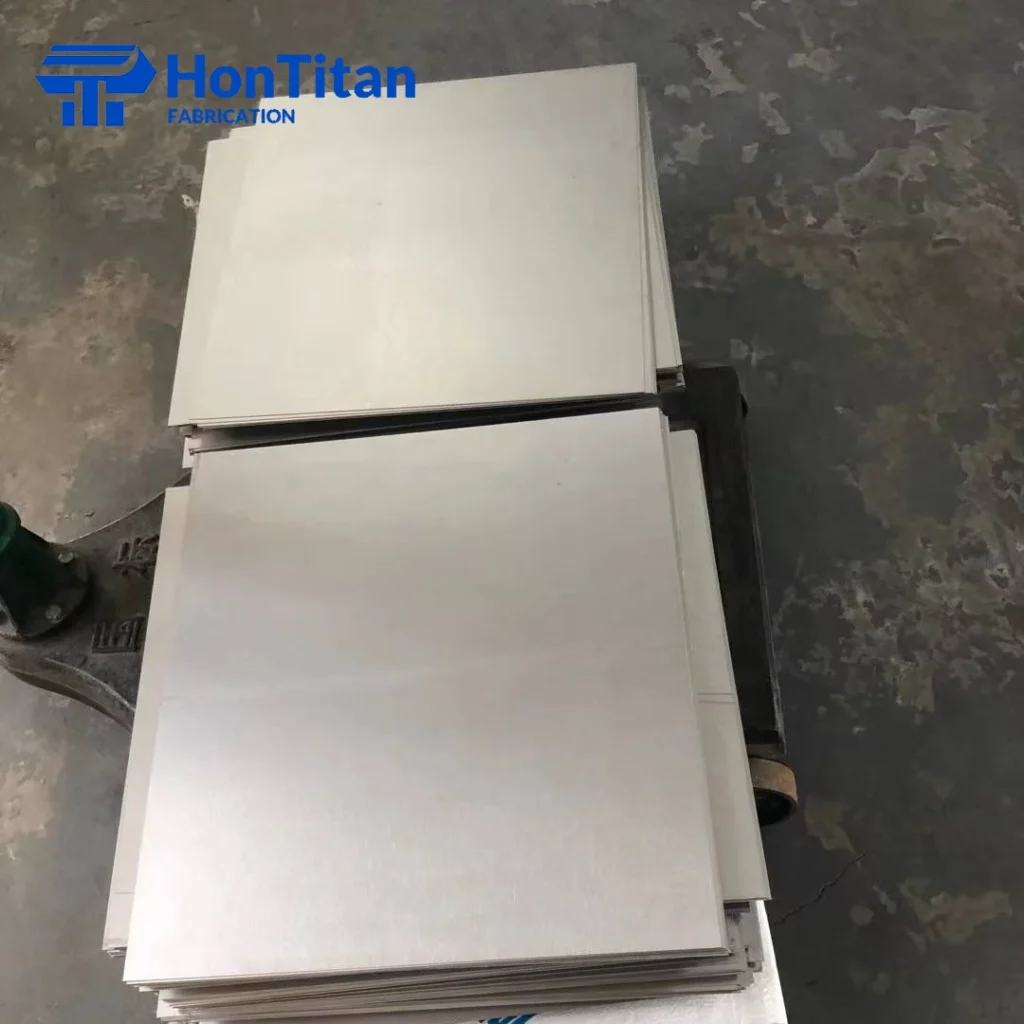
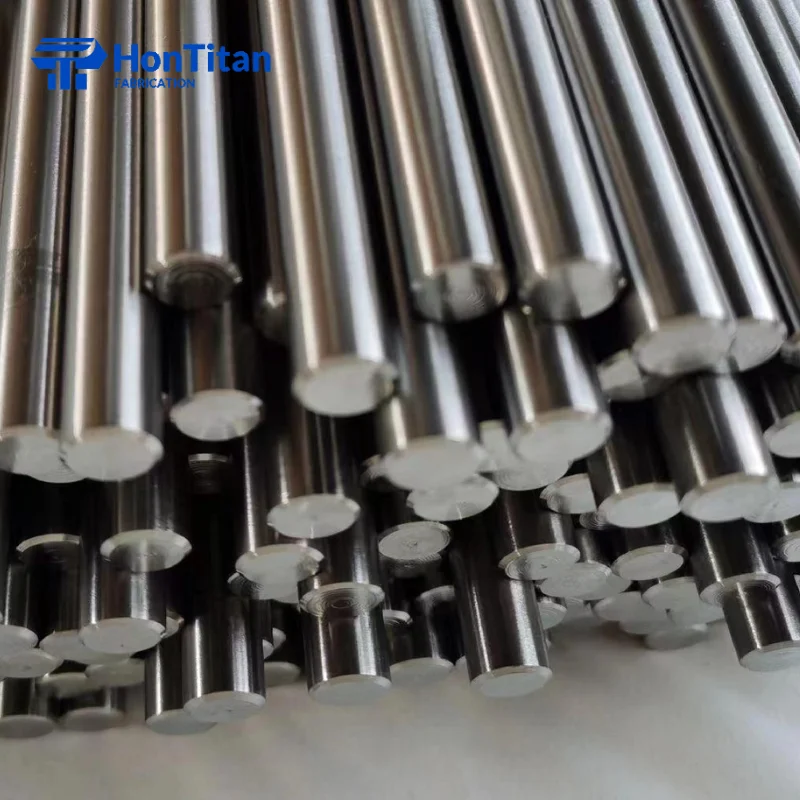
Für Beschaffungsteams bedeutet diese Konzentration einen echten Kostenvorteil. Chinesische Walzprodukte wie warmgewalzte Bleche der Güteklasse 2 werden üblicherweise zu Preisen von 62–63 CNY/kg ($8,50–8,70/kg zum aktuellen Wechselkurs) gehandelt, was deutlich unter den entsprechenden Preisen europäischer oder US-amerikanischer Hersteller liegt. Bei Stangen aus der Legierung der Güteklasse 5 (Ti-6Al-4V) liegen die Marktpreise in China bei 115–125 CNY/kg ($15,80–17,20/kg). Die Einsparungen bei einer jährlichen Bestellung von 5 Tonnen können im Vergleich zum Kauf bei einem westlichen Distributor im Inland mehr als $100.000 betragen.
Aber auch das Risiko ist hinreichend dokumentiert. Im Juni 2024 berichtete Forbes, dass die FAA eine Untersuchung wegen gefälschten Titans eingeleitet habe – das über die Lieferkette bis zu einem staatlichen chinesischen Hersteller von Schmiedeteilen für die Luftfahrt zurückverfolgt werden konnte, der Titan mit gefälschten Werkszertifikaten geliefert hatte; das Material war seit mindestens 2019 in die breitere Lieferkette der Luft- und Raumfahrt gelangt. Das gefälschte Material war bei Spirit AeroSystems angekommen und schließlich in Rumpfkomponenten von Boeing und Airbus gelangt. Die Titanium International Group (TIG), ein italienischer Distributor, hatte das Problem erstmals im Dezember 2023 entdeckt, als sie Unstimmigkeiten in den Unterlagen bemerkte und diese direkt mit dem nachahmten Hersteller abglich.
Das ist kein Grund, chinesische Titanlieferanten zu meiden. Es ist vielmehr ein Grund, sie sorgfältig zu prüfen.
Der Unterschied zwischen einem seriösen Titanwerk in Baoji mit AS9100D-Zertifizierung und einem Handelsunternehmen, das Graumarktware mit gefälschten Zertifikaten weiterverkauft, ist anhand eines Alibaba-Eintrags nicht immer auf den ersten Blick erkennbar. Dieser Leitfaden soll diese Lücke schließen.
Die 4 Titan-Güten, die Sie bei chinesischen Lieferanten vorfinden werden
Bevor Sie einen Lieferanten bewerten können, müssen Sie wissen, was Sie kaufen. Chinesische Werke produzieren das gesamte Spektrum der ASTM-Güten, doch vier Güten machen den überwiegenden Teil der kommerziellen Bestellungen aus.
| Klasse | ASTM-Bezeichnung | Mindestzugfestigkeit | Dichte | Hauptanwendungsfälle | Typischer Preis in China (2026) |
|---|---|---|---|---|---|
| Klasse 1 | UNS R50250 | 240 MPa (35 ksi) | 4,51 g/cm³ | Chemische Verfahrenstechnik, Wärmetauscher, Meerwasserentsalzung | 53–56 CNY/kg |
| Klasse 2 | UNS R50400 | 345 MPa (50 ksi) | 4,51 g/cm³ | Allgemeine Industrie, Druckbehälter, medizinische Implantate, Architektur | 53–54 CNY/kg (Barren) / 62–63 CNY/kg (Platte) |
| Güteklasse 5 (Ti-6Al-4V) | UNS R56400 | 895 MPa (130 ksi) | 4,43 g/cm³ | Luft- und Raumfahrt-Bauteile, orthopädische Implantate, Motorsport, Befestigungselemente | 60–61 CNY/kg (Barren) / 115–125 CNY/kg (Stange) |
| Sorte 23 (Ti-6Al-4V ELI) | UNS R56401 | 828–860 MPa (120–125 ksi) | 4,43 g/cm³ | Chirurgische Implantate, kardiovaskuläre Medizinprodukte, Knochenschrauben | Aufschlag gegenüber Klasse 5 (~15–20%) |
Die Preise stammen aus den Marktdaten von SMM China, Dezember 2025. Die Preise für Bleche und Stangen beziehen sich auf fertige Walzprodukte; die Preise für Barren beziehen sich ausschließlich auf den Rohstoff.
Ein paar wissenswerte Dinge zu dieser Tabelle:
Die Güteklasse 2 ist das Arbeitstier der Branche. Sie deckt die meisten Anwendungen außerhalb der Luft- und Raumfahrt ab und ist die Standardauswahl, wenn in einer Spezifikation von “handelsüblichem reinem Titan” die Rede ist. Sollte ein Lieferant Ihnen “CP-Titan” ohne Angabe einer Güteklasse anbieten, bitten Sie ihn um eine genauere Angabe – die Güteklassen 1 und 2 weisen nämlich deutlich unterschiedliche Festigkeitsprofile auf.
Die Güteklasse 5 (Ti-6Al-4V) macht etwa 50% der gesamten weltweiten Titanlegierungsproduktion aus. Wenn von “Titan für die Luft- und Raumfahrt” die Rede ist, ist fast immer die Güteklasse 5 gemeint. Die chinesische Bezeichnung lautet TC4. Wenn Sie bei einem chinesischen Hersteller bestellen, klären Sie, ob dieser nach ASTM- oder nach chinesischen GB/T-Normen arbeitet – und verlangen Sie eine doppelte Zertifizierung, falls Ihre Anwendung die Einhaltung der ASTM-Normen erfordert.
Die Güteklasse 23 entspricht der Güteklasse 5, wobei die Grenzwerte für interstitielle Elemente (Sauerstoff, Stickstoff, Kohlenstoff, Eisen) strenger geregelt sind – das bedeutet “ELI” (Extra Low Interstitial). Verwenden Sie bei implantierbaren medizinischen Geräten niemals die Güteklasse 5 als Ersatz für die Güteklasse 23. Wenn ein Lieferant die Güteklasse 23 zum gleichen Preis wie die Güteklasse 5 anbietet, ist das ein Warnsignal.
Die Zertifizierungsstandards, die für diese Güteklassen gelten:
- Bleche und Platten: ASTM B265
- Rundstangen und Knüppel: ASTM B348
- Rohre und Röhren: ASTM B338
- Schmiedeteile: ASTM B381
- Stangen/Knüppel aus Luft- und Raumfahrtlegierung: AMS 4928 (Güteklasse 5)
- Titan für medizinische Implantate: ASTM F67 (Güteklasse 1–4 CP), ASTM F136 (Güteklasse 23 ELI)
Bitten Sie jeden potenziellen Lieferanten, in seinem Werksprüfbericht die konkrete ASTM- oder AMS-Norm anzugeben. Ein Lieferant, der auf die Frage nach der Konformität mit ASTM B348 für Rundstahl lediglich “ISO 9001” anführt, ist wahrscheinlich ein Handelsunternehmen und kein Stahlwerk.
Hersteller vs. Handelsunternehmen: So erkennen Sie den Unterschied
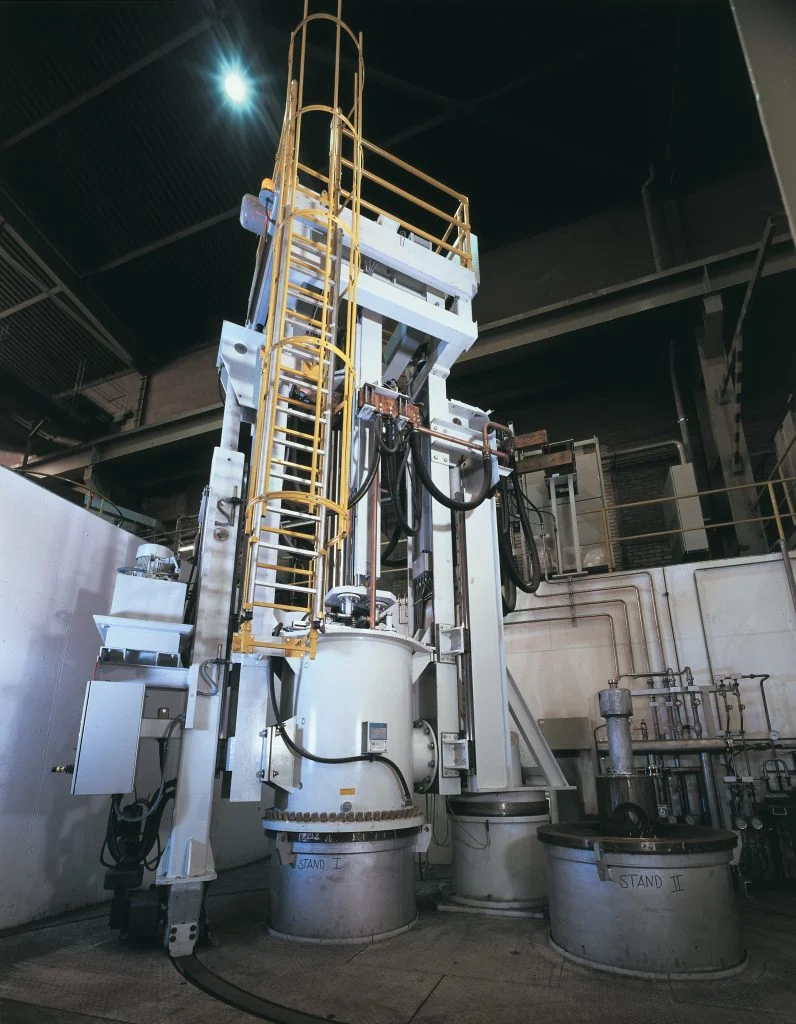
Diese Unterscheidung ist bei Titan von größerer Bedeutung als bei fast jeder anderen Metallkategorie, da Handelsunternehmen in China häufig Material aus verschiedenen Quellen – manchmal von seriösen Hüttenwerken, manchmal auch nicht – unter Verwendung einer einzigen einheitlichen Zertifikatsvorlage verkaufen.
So lassen sie sich unterscheiden:
Eine echte Titanfräse zeichnet sich durch folgende Eigenschaften aus:
- Wir verfügen vor Ort über VAR-Öfen (Vacuum Arc Remelting), Schmiede- und Walzanlagen sowie ein eigenes Prüflabor – fragen Sie nach Fotos der Anlagen oder einem Video-Rundgang.
- Sie sollten Ihnen ihre eigene Gewerbeanmeldung vorlegen können, in der “Titanfertigung” (钛材生产) als eingetragene Geschäftstätigkeit aufgeführt ist, und nicht nur “Metallhandel” (金属贸易)
- Legen Sie Werksprüfzeugnisse (MTRs) vor, in denen im Feld “Hersteller” der Name Ihres eigenen Unternehmens und nicht der Name eines Dritten angegeben ist.
- Geben Sie Lieferzeiten von 3–8 Wochen für Standardwalzprodukte an, nicht 1–2 Wochen (das deutet darauf hin, dass die Ware aus einem Lager entnommen und nicht nach Ihren Vorgaben gefertigt wird)
Ein Handelsunternehmen wird:
- Verfügen Sie über eine gut gestaltete englischsprachige Website mit einem umfangreichen Produktangebot für zahlreiche Metalle (wenn dort Edelstahl, Aluminium und Titan gleichermaßen angeboten werden, wird keines dieser Materialien selbst hergestellt)
- Es ist nicht möglich, eine Live-Videoführung durch das Werk zu planen, bei der die tatsächliche Produktion gezeigt wird
- Bieten Sie für zahlreiche Qualitäten gleichzeitig ungewöhnlich kurze Lieferzeiten und flexible Mindestbestellmengen an
- Es wird ausschließlich auf die Norm ISO 9001 für die Qualitätssicherung verwiesen, und es fällt schwer zu erklären, wie eine bestimmte ASTM-Prüfung durchgeführt wurde.
Beides ist an sich kein Ausschlussgrund. Einige Handelsunternehmen beziehen ihre Waren von renommierten integrierten Werken und schaffen durch Konsolidierung, englischsprachige Dokumentation und logistische Unterstützung einen echten Mehrwert. HonTitan beispielsweise ist als direkter Titanhersteller in Baoji tätig und gewährleistet eine lückenlose Rückverfolgbarkeit der Produktion vom Titanschwamm bis zum Endprodukt, wodurch eine ganze Ebene der Undurchsichtigkeit in der Lieferkette beseitigt wird.
Das Risiko bei Handelsunternehmen besteht insbesondere darin, dass bei Qualitätsbeanstandungen die Verantwortlichkeit unklar wird. Wenn das Material nach der Ankunft eine mechanische Prüfung nicht besteht, kann ein Handelsunternehmen keine Korrekturmaßnahmen direkt beim Hersteller einleiten – es kann sich lediglich in Ihrem Namen an das Werk wenden, was zu wochenlangen Verzögerungen führt und selten dazu, dass der Lieferant auf eigene Kosten für Ersatz sorgt.
Bei kritischen Anwendungen (Luft- und Raumfahrt, Medizin, Druckbehälter) sollte stets folgende Anforderung gelten: direkter Hersteller, kein Handelsunternehmen. Für den nicht kritischen industriellen Einsatz ist ein gut geprüftes Handelsunternehmen, das von einem bekannten Werk in Baoji bezieht, akzeptabel – vorausgesetzt, Sie verlangen weiterhin vollständige Materialprüfzeugnisse (MTRs) mit Schmelznummern, die bis zum Ursprungswerk rückverfolgbar sind.
Die 10-Punkte-Checkliste für die Auswahl von Titanlieferanten in China
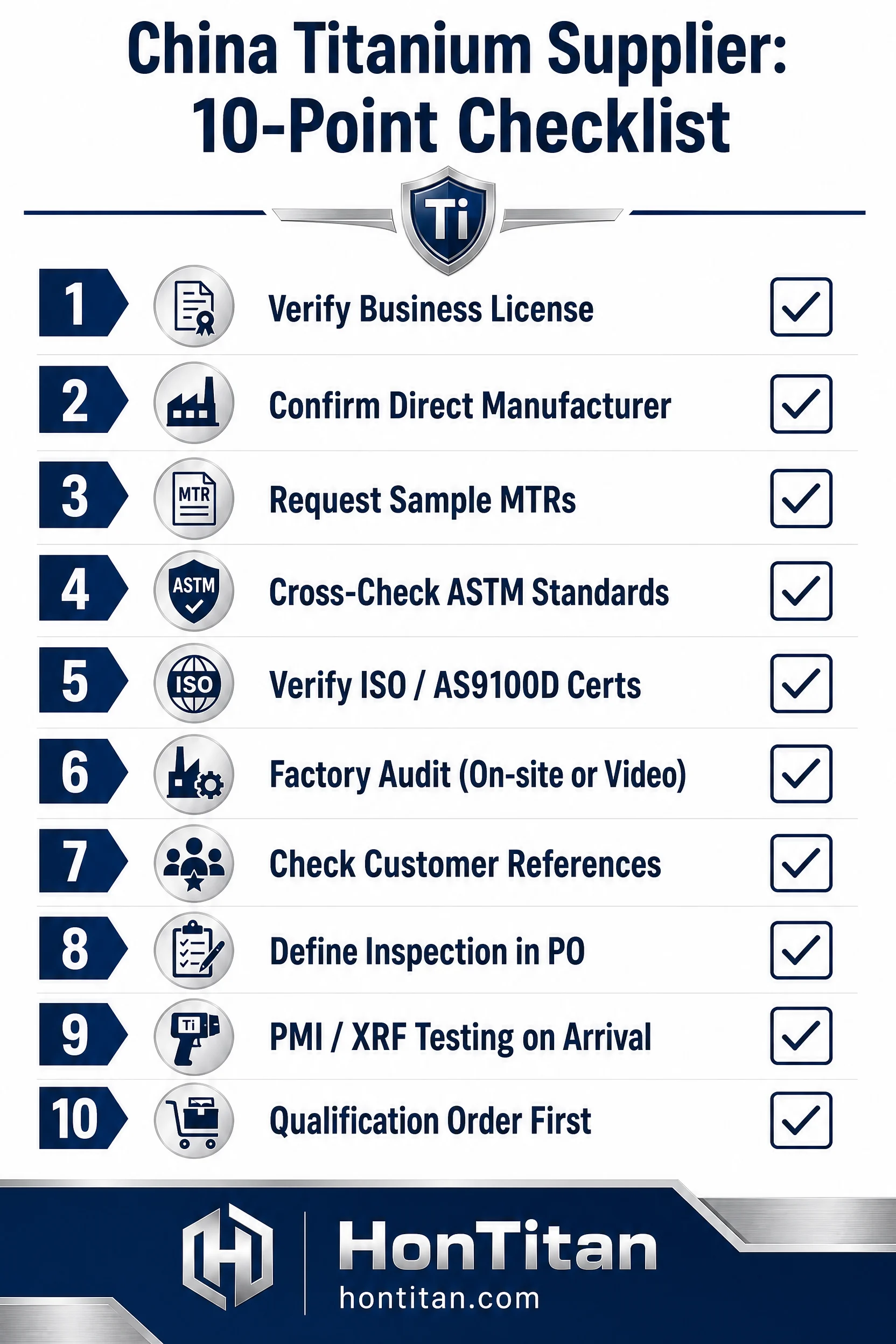
Verwenden Sie diese Checkliste, bevor Sie eine Erstbestellung aufgeben. Jeder Punkt stellt eine Hürde dar: Wenn ein Lieferant die Punkte 1–5 nicht erfüllt, brechen Sie die Bewertung ab. Die Punkte 6–10 sind Maßnahmen zur Risikominderung, die je nach Anwendungsfall variieren.
1. Überprüfung der Gewerbeanmeldung
Fordern Sie die chinesische Gewerbelizenz (营业执照) des Lieferanten an. Der eingetragene Geschäftszweck muss die Herstellung oder Verarbeitung von Titanprodukten umfassen. Überprüfen Sie mithilfe des National Enterprise Credit Information Publicity System (www.gsxt.gov.cn), ob die Lizenz aktuell ist und mit dem Firmennamen auf der Rechnung übereinstimmt. (Hinweis: Der Zugriff auf die Website ist möglicherweise nur von innerhalb Chinas oder über einen in China ansässigen Proxy möglich.)
2. Vergewissern Sie sich, dass es sich um den Originalhersteller handelt
Fragen Sie: “Können Sie uns ein Video zur Verfügung stellen, das den VAR-Ofen oder das Walzwerk im Betrieb zeigt?” Ein seriöses Werk wird dieser Bitte innerhalb von ein oder zwei Tagen nachkommen. Ein Handelsunternehmen wird entweder ausweichen oder Ihnen Anlagen zeigen, die nicht ihm gehören.
3. Fordern Sie Muster-MTRs aus einer kürzlich durchgeführten Heizperiode an
Ein gültiges Werksprüfzeugnis enthält: die Schmelz-/Chargennummer, die Ergebnisse der chemischen Zusammensetzung (mindestens 6–8 Elemente für die Güteklasse 5), die Ergebnisse der mechanischen Prüfungen (Zugfestigkeit, Streckgrenze, Dehnung, Härte) sowie die ASTM- oder AMS-Norm, nach der die Prüfung durchgeführt wurde. Darin ist das Prüflabor anzugeben, bei dem es sich entweder um ein hauseigenes (akkreditiertes) Labor oder um ein nach ISO/IEC 17025 akkreditiertes externes Labor handeln sollte.
4. Die Standardquellen gegenprüfen
Wenn Sie Stangen der Güteklasse 5 bestellen, sollte im Materialprüfzeugnis auf ASTM B348 Güteklasse 5 (oder AMS 4928 für die Luft- und Raumfahrt) verwiesen werden. Wenn Sie Bleche der Güteklasse 2 bestellen, sollte darin ASTM B265, Güteklasse 2, angegeben sein. Wenn im Materialprüfzeugnis lediglich “Titanlegierung – entspricht den Kundenspezifikationen” ohne Angabe einer Normnummer steht, ist das Dokument nicht aussagekräftig.
5. Überprüfung der Zertifizierung nach ISO 9001 (und AS9100D für die Luft- und Raumfahrt)
Die ISO 9001-Zertifizierung sollte von einer anerkannten Akkreditierungsstelle (UKAS, DAkkS, CNAS) stammen. Fordern Sie das Zertifikat als PDF an und überprüfen Sie es anhand der öffentlichen Datenbank der Akkreditierungsstelle – nicht nur auf der Website des Lieferanten. Für Anwendungen in der Luft- und Raumfahrt ist die AS9100D-Zertifizierung die Mindestanforderung.
6. Durchführung eines Werksaudits (vor Ort oder per Video)
Bei Bestellungen über $50.000 oder bei kritischen Anwendungen lohnt sich eine Vor-Ort-Prüfung. Ist eine Anreise nicht möglich, stellt eine strukturierte Video-Prüfung mit Live-Kamerazugang zum Produktionsbereich, zum Labor und zum Raum für die Dokumentenprüfung eine akzeptable Alternative dar. Beauftragen Sie ein unabhängiges Prüfunternehmen (SGS, Bureau Veritas, Intertek), um die Unparteilichkeit zu gewährleisten.
7. Bitten Sie nach Referenzen von nachprüfbaren Käufern in Ihrer Region
Ein Lieferant, der bereits an Kunden in Europa oder Nordamerika exportiert hat, kann in der Regel Referenzen vorweisen – und zwar Firmennamen, nicht nur Erfahrungsberichte auf der eigenen Website. Nehmen Sie direkt Kontakt zu der Referenz auf und erkundigen Sie sich gezielt nach der Genauigkeit der MTR-Messungen und danach, wie der Lieferant mit Mängeln umgegangen ist.
8. Legen Sie in der Bestellung die Anforderungen für die Wareneingangskontrolle fest
Legen Sie fest, dass jede Lieferung Folgendes enthalten muss: einen vollständigen MTR mit Sendungsnummern, eine Packliste mit den Gewichten der einzelnen Stückgüter sowie ein vom Qualitätsmanager unterzeichnetes Konformitätszertifikat (CoC). Dies ist keine Option – nehmen Sie dies als Vertragsbedingung auf.
9. Planung der Wareneingangskontrolle durch Dritte
Führen Sie bei Erstbestellungen eine Prüfung mit einem tragbaren RFA-Gerät (Röntgenfluoreszenz) oder einem OES-Gerät (optische Emissionsspektrometrie) an Proben aus der Lieferung durch. Dies wird als PMI-Prüfung (Positive Material Identification) bezeichnet. Ein RFA-Analysegerät bestätigt innerhalb weniger Minuten die Legierungssorte und die Anteile der Hauptelemente im Vergleich zu Ihrem Materialprüfbericht (MTR). Planen Sie $200–500 für eine PMI-Prüfung durch einen unabhängigen Dienstleister ein – das ist eine kostengünstige Absicherung.
10. Beginnen Sie mit einer Qualifizierungsbestellung, bevor Sie die volle Menge bestellen.
Geben Sie niemals gleich eine Erstbestellung in voller Menge auf. Führen Sie zunächst eine Qualifizierungsbestellung im Umfang von 50–200 kg durch, prüfen Sie das Material anhand Ihrer Wareneingangskriterien und bewerten Sie die Qualität der Dokumentation, bevor Sie sich auf größere Mengen festlegen. Ein seriöser Lieferant wird gegen dieses Vorgehen keine Einwände haben.
Bescheinigungen und Unterlagen, die Sie beantragen müssen
Die Zertifizierungslandschaft für chinesische Titanwerke kann verwirrend sein, da je nach Endanwendung mehrere sich überschneidende Systeme gelten. Hier ist die Hierarchie:
Zertifizierungen des Qualitätsmanagementsystems (auf Prozessebene)
- ISO 9001:2015 — die Mindestanforderung für jeden Lieferanten, den Sie in Betracht ziehen. Umfasst Qualitätsmanagementprozesse, überprüft jedoch nicht das Material selbst.
- AS9100D — obligatorisch für jede Lieferkette in der Luft- und Raumfahrt. Umfasst die Norm ISO 9001 sowie luft- und raumfahrtspezifische Anforderungen hinsichtlich Rückverfolgbarkeit, Erstmusterprüfung und Umgang mit Nichtkonformitäten. Wenn ein Lieferant angibt, nach AS9100D zertifiziert zu sein, Ihnen jedoch kein aktuelles Zertifikat mit Angabe des Zertifizierungsumfangs vorlegen kann, überprüfen Sie dies direkt über die OASIS-Datenbank unter iaqg.org/tools/oasis/ (betrieben von der International Aerospace Quality Group).
- ISO 13485 — Voraussetzung für den Zugang zu den Märkten der EU und Kanadas für Hersteller von Medizinprodukten. Wenn Sie ELI der Güteklasse 23 für chirurgische Implantate beschaffen, die für diese Märkte bestimmt sind, ist dies unverzichtbar. (Hinweis: Die US-amerikanische FDA verlangt zwar keine Zertifizierung nach ISO 13485, diese ist jedoch für die Einhaltung der EU-MDR und im Rahmen des MDSAP-Programms von Health Canada faktisch zwingend erforderlich.)
Materialspezifische Normen (auf Produktebene)
Es handelt sich hierbei nicht um Zertifizierungen, die ein Lieferant “besitzt” – es sind Standards, nach denen jede Produktcharge hergestellt und geprüft werden muss. Die Einhaltung dieser Standards überprüfen Sie anhand des Werksprüfberichts (MTR) und nicht anhand eines Wandzertifikats.
| Standard | Umfang | Wann ist dies erforderlich? |
|---|---|---|
| ASTM B265 | Titanbleche, -bänder, -platten (alle Güteklassen) | Jedes flachgewalzte Erzeugnis |
| ASTM B348 | Titan-Rundstangen, Rohlinge (alle Güteklassen) | Stangen, Knüppel, Stäbe |
| ASTM B338 | Nahtlose und geschweißte Titanrohre | Rohre und Röhren |
| ASTM B381 | Titan-Schmiedeteile | Schmiedeteile |
| AMS 4928 | Ti-6Al-4V-Stangen/Knüppel für die Luft- und Raumfahrt | 5. Klasse, Anwendungen in der Luft- und Raumfahrt |
| AMS 4911 | Ti-6Al-4V-Bleche/Platten für die Luft- und Raumfahrt | 5. Klasse, Arbeitsblatt zum Thema Luft- und Raumfahrt |
| ASTM F67 | CP-Titan für medizinische Implantate (Güteklassen 1–4) | Nicht tragende medizinische |
| ASTM F136 | Ti-6Al-4V ELI für chirurgische Implantate | Medizinische Anwendungen mit hoher Belastbarkeit / Güteklasse 23 |
Was der Werksprüfbericht (MTR) enthalten muss
Jeder Lieferung sollte ein MTR (auch als Analysezertifikat, CoA oder Materialzertifikat bezeichnet) beiliegen, das folgende Angaben enthält:
- Name und Anschrift des Lieferanten
- Chargen-/Losnummer – dies ist die eindeutige Kennung, die das Material mit einer bestimmten Produktionscharge verknüpft
- Produktform (Blech, Stange, Rohr) und Abmessungen
- Gütebezeichnung (z. B. “Güteklasse 5 gemäß ASTM B348”)
- Ergebnisse zur chemischen Zusammensetzung (tatsächliche Messwerte, nicht nur “entspricht den Spezifikationen”)
- Ergebnisse der mechanischen Prüfungen (Streckgrenze, Fließgrenze, Dehnung, Querschnittsverringerung, Härte)
- Verweise auf Prüfnormen und Prüfverfahren
- Unterschrift des Qualitätsbeauftragten
Warnung: Wenn im Standardfeld des MTR “gemäß Kundenspezifikation” angegeben ist und keine ASTM- oder AMS-Nummer vorliegt, handelt es sich nicht um ein gültiges Rückverfolgbarkeitsdokument.
So überprüfen Sie die Qualität, bevor die Sendung China verlässt
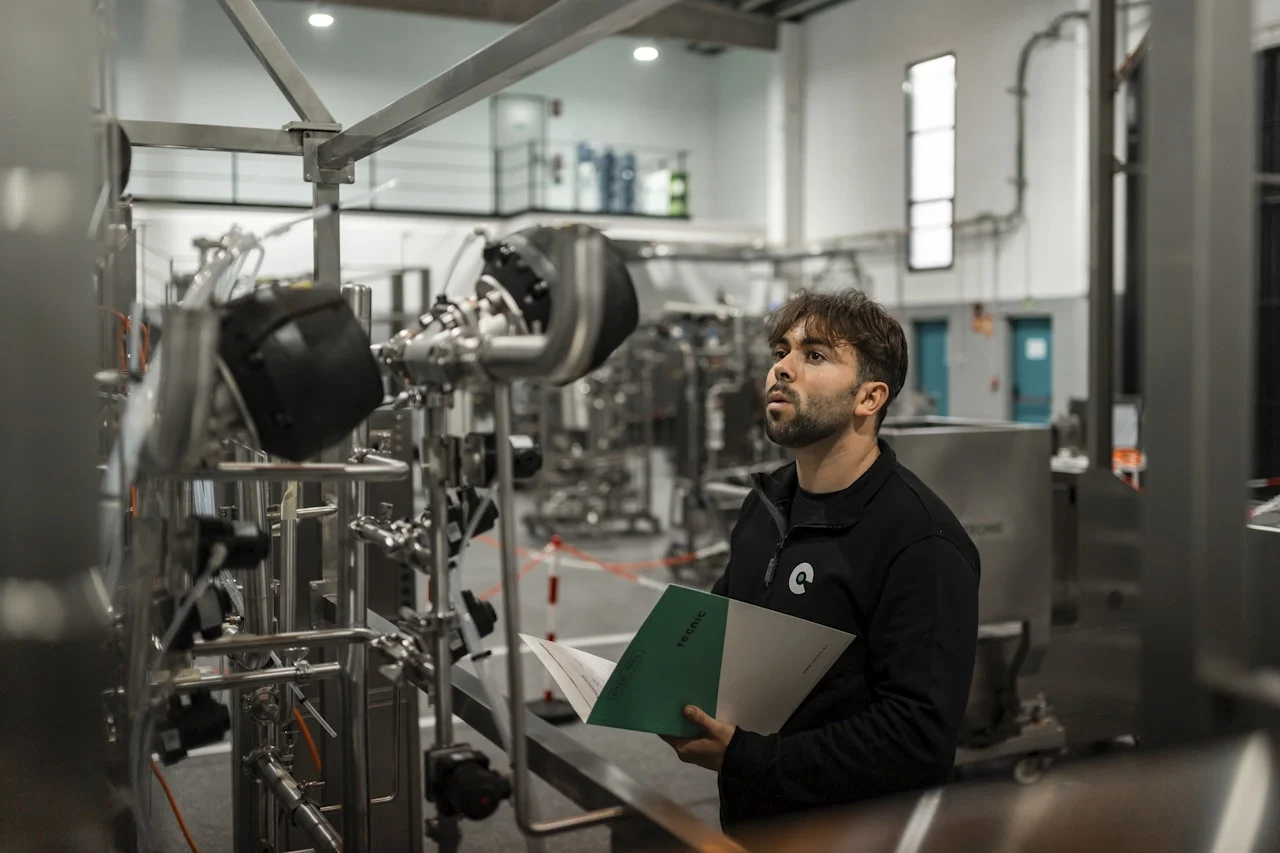
Die papierbasierte Qualitätskontrolle – die Überprüfung von MTRs und Zertifikaten – ist notwendig, reicht aber nicht aus. Der Boeing/Airbus-Skandal hat gezeigt, dass gefälschte Unterlagen mehrere Prüfungsstufen unbemerkt durchlaufen können. Eine physische Überprüfung vor dem Versand ist die einzige zuverlässige Gegenmaßnahme.
Prüfung durch einen unabhängigen Dritten vor der Verladung
Beauftragen Sie bei jeder Erstbestellung bei einem neuen chinesischen Lieferanten ein unabhängiges Prüfunternehmen (SGS, Bureau Veritas, Intertek oder TÜV Rheinland) mit der Durchführung einer Vorversandprüfung (PSI) im Werk des Lieferanten. Der Prüfumfang sollte Folgendes umfassen:
- Maßprüfung — Vergleichen Sie die Angaben mit Ihrer Bestellung und den ASTM-Toleranzen
- Sichtprüfung — Oberflächenfehler, Nähte, Lochfraß, Oxidation
- Dokumentenprüfung — MTR wurde mit der tatsächlich auf dem Material eingeprägten Chargennummer abgeglichen
- PMI-Prüfung — tragbares RFA-Analysegerät zur Überprüfung der chemischen Zusammensetzung anhand der MTR-Werte
Die Kosten für eine Inspektion vor dem Versand durch SGS oder Bureau Veritas in China belaufen sich in der Regel auf $300–600 für eine halbtägige Inspektion. Bei einem Auftrag im Wert von $20.000 entspricht dies einem Qualitätssicherungsaufschlag von 1,5–3%, der die häufigsten Betrugsarten ausschließt.
PMI-Prüfung im Detail
Die PMI (Positive Material Identification) mittels RFA-Technologie dauert weniger als 30 Sekunden pro Messung und Stück. Ein kalibriertes RFA-Analysegerät gibt den prozentualen Anteil von Titan, Aluminium, Vanadium und anderen Legierungselementen an. Bei der Güteklasse 5 (Ti-6Al-4V) überprüfen Sie etwa 6% Aluminium und 4% Vanadium. Eine Abweichung von mehr als 0,5% bei einem der beiden Elemente stellt eine Nichtkonformität dar, die gemeldet werden sollte.
Die RFA-Analyse hat eine Einschränkung: Sie kann keine leichten Elemente wie Sauerstoff, Stickstoff und Kohlenstoff nachweisen – also jene interstitiellen Elemente, die für die ELI-Klassifizierung der Güteklasse 23 am wichtigsten sind. Bei Titan für medizinische Anwendungen sind IGF-Prüfungen (Inertgasfusion) gemäß ASTM E1409 (Sauerstoff/Stickstoff) und ASTM E1447 (Wasserstoff) die branchenüblichen Verfahren zur vollständigen Überprüfung der Konformität hinsichtlich der interstitiellen Elemente.
Ultraschallprüfung und zerstörungsfreie Prüfung (ZfP)
Bei Stangen und Knüppeln, die für kritische strukturelle Anwendungen bestimmt sind, wird eine Ultraschallprüfung (UT) gemäß ASTM E2375 oder einer gleichwertigen Norm durchgeführt, um innere Hohlräume, Schichtungen und Einschlüsse zu erkennen, die an der Oberfläche nicht sichtbar sind. Seriöse Hersteller von Luft- und Raumfahrtprodukten führen die UT als Standardschritt durch – lassen Sie sich die UT-Protokolle für das von Ihnen gekaufte Warmwalzprodukt vorlegen.
Rückverfolgbarkeitsprüfung: Chargennummer auf dem Material im Vergleich zur MTR
Jedes Stück eines Titanwalzprodukts sollte mit einer Schmelznummer, der Gütebezeichnung und der Kennung des Walzwerks gestempelt oder geätzt sein. Bevor das Prüfunternehmen die Lieferung freigibt, ist zu überprüfen, ob die Chargennummern auf den einzelnen Werkstücken mit denen im Materialprüfbericht (MTR) übereinstimmen. Bei Abweichungen – selbst geringfügigen – sollte die Lieferung zurückgehalten werden, bis die Qualitätssicherungsabteilung des Lieferanten eine schriftliche Erklärung abgegeben hat.
Preisvergleiche: Was Titan aus China im Jahr 2026 tatsächlich kostet
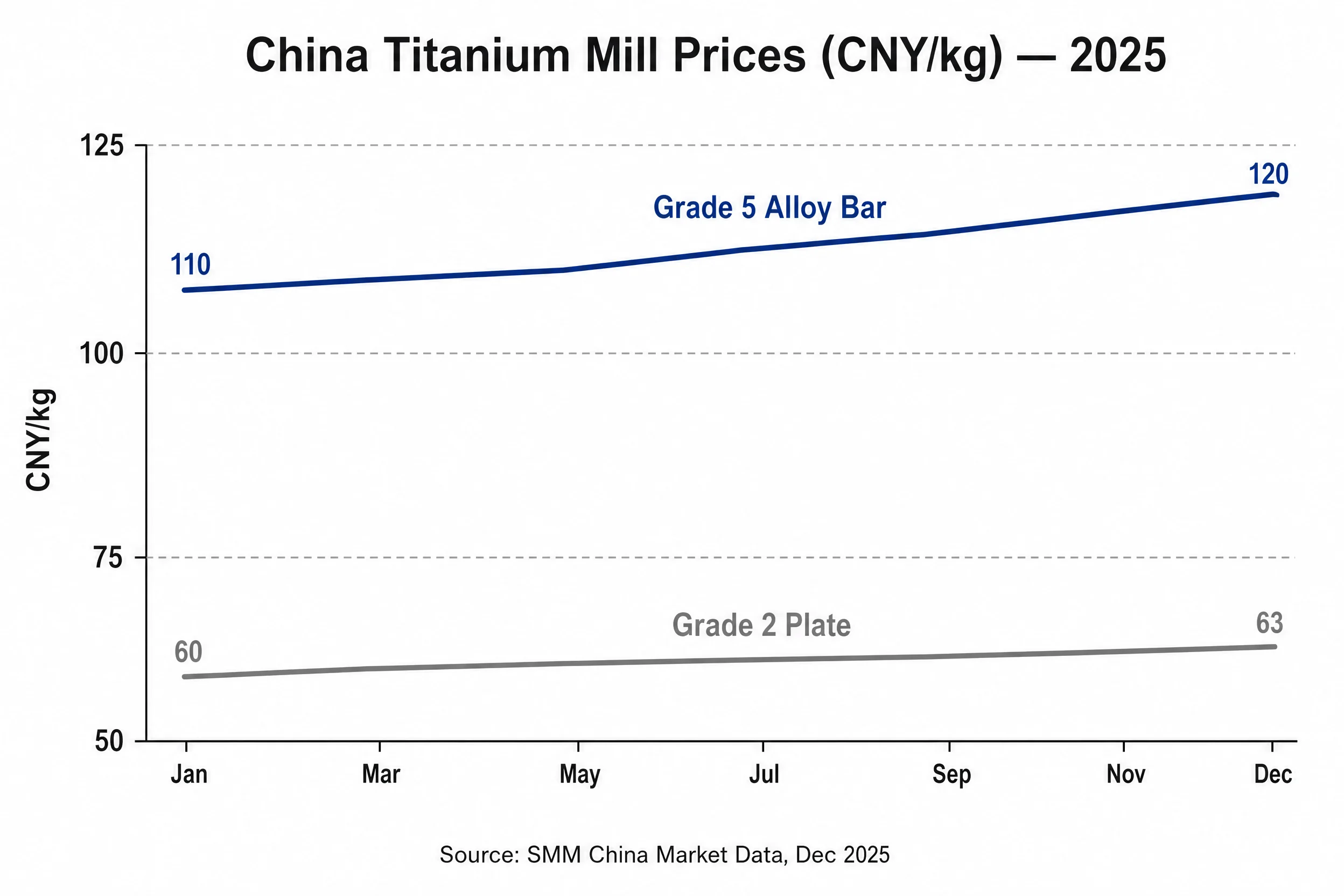
Die Preistransparenz ist eine der anhaltenden Schwächen der meisten Beschaffungsleitfäden – sie geben so breite Spannen an, dass sie nutzlos sind. In diesem Abschnitt werden aktuelle SMM-Daten (Shanghai Metals Market) vom Dezember 2025 herangezogen.
Vorgelagerte Produktion: Titanschwamm
Titanschwamm (Güteklasse 0, der Rohstoff, aus dem alle Walzprodukte hergestellt werden) wurde in China zum Jahresende 2025 zu einem Preis von 46.000–48.000 CNY/Tonne gehandelt, was einem Anstieg von 3,21 TP3T gegenüber dem Vorjahr entspricht. Die Schwammpreise bilden die Preisuntergrenze, auf der sich alle nachgelagerten Preise bewegen. Wenn die Schwammpreise steigen, ziehen die Preise für Walzprodukte 4–8 Wochen später nach.
Preise für Walzprodukte (China, Dezember 2025)
| Produkt Form | Klasse | CNY/kg | Ungefährer Preis in USD/kg |
|---|---|---|---|
| Barren | TA1 / Klasse 1 | 55–56 | 7,60–7,75 |
| Barren | TA2 / Klasse 2 | 53–54 | 7.35–7.50 |
| Barren | TC4 / Klasse 5 | 60–61 | 8.30–8.45 |
| Warmgewalztes Blech (3–8 mm) | Klasse 2 | 62–63 | 8,60–8,75 |
| Stange aus reinem Titan | Klasse 1/2 | 100–105 | 13.85–14.55 |
| Legierungsstange | Klasse 5 / TC4 | 115–125 | 15.90–17.30 |
| Geschweißtes Rohr | Klasse 2 | 115–125 | 15.90–17.30 |
Ungefährer Wechselkurs: 7,23 CNY/USD. Quelle: SMM-Marktdaten für China, Dezember 2025.
Was Sie bei der Angebotserstellung erwarten können
Die oben genannten Preise entsprechen den Spotmarktpreisen für Standardabmessungen von etablierten chinesischen Herstellern. Wenn Sie bei einem chinesischen Lieferanten ein Angebot anfordern, setzen sich die tatsächlichen Kosten bis zur Lieferung an Ihren Standort wie folgt zusammen:
- Fracht (Seefracht von Tianjin/Shanghai zu Häfen in den USA oder der EU: $400–900 pro 20-Fuß-Container bei kleinen Mengen; bei Luftfracht kommen bei Eilaufträgen $5–8/kg hinzu)
- Einfuhrzoll (variiert je nach HS-Code und Bestimmungsland – US-Importeure sollten den Zollstatus gemäß Section 301 für chinesische Titanprodukte überprüfen)
- Prüfung durch Dritte: $300–600
- Zahlungsaufschlag: Lieferanten berechnen in der Regel einen Aufschlag von 2–5% bei Zahlung per Akkreditiv (LC) im Vergleich zur Vorauszahlung per Überweisung (T/T).
Warnsignale beim Preis
Wenn ein Lieferant Ihnen einen Preis anbietet, der mehr als 25% unter dem aktuellen SMM-Niveau liegt, sollte dies Anlass zu einer Untersuchung sein und nicht zu Jubel. Auf einem so genau beobachteten Rohstoffmarkt deuten Preise, die mehr als 20% unter dem Marktniveau liegen, in der Regel auf eines der folgenden Dinge hin:
- Qualitätsmanipulation (den Verkauf einer günstigeren Qualität als teurere)
- Gefälschtes oder nicht spezifikationskonformes Material aus einer unkontrollierten Quelle
- Ein Handelsunternehmen, das nicht werkseitig zertifiziertes Material verwendet
Im Jahr 2025 belief sich der weltweite Titanmarkt auf 2,79 Milliarden US-Dollar und wird voraussichtlich bis 2034 auf 4,82 Milliarden US-Dollar anwachsen (Fortune Business Insights). Die Nachfrage steigt – seriöse Anbieter gewähren keine drastischen Preisnachlässe.
So sieht die Zusammenarbeit mit einem geprüften chinesischen Titanlieferanten tatsächlich aus
Die oben aufgeführten Punkte der Checkliste sind unerlässlich. Sie sind jedoch auch etwas abstrakt, bis man den Prozess einmal durchlaufen hat. Im Folgenden wird erläutert, wie die Einbindung eines qualifizierten Lieferanten in der Praxis abläuft – dabei stützen wir uns auf den Ansatz zur Lieferantenqualifizierung, der von Einkäufern angewendet wird, die über HonTitan einkaufen, einen in Baoji ansässigen Titanhersteller, der die Luft- und Raumfahrt sowie den Industriemarkt beliefert.
Bearbeitungszeit für eine erste Angebotsanfrage: 2–5 Werktage
Ein reaktionsschneller, seriöser chinesischer Titanlieferant antwortet auf eine Angebotsanfrage mit einem detaillierten Angebot, das folgende Angaben enthält: Produktform, Güteklasse, geltende Norm, Herkunft (eigene Produktion oder zugekaufte Barren), Lieferzeit und Gültigkeitsdauer des Preises. Handelt es sich bei der Antwort um eine Standard-E-Mail ohne technischen Inhalt, handelt es sich bestenfalls um eine Handelsgesellschaft.
Beispiel für den Bestellvorgang: 3–6 Wochen
Die ersten Musterbestellungen werden in der Regel innerhalb von 3 bis 6 Wochen nach Auftragsbestätigung versandt. Ein Hersteller wie HonTitan stellt Ihnen vor dem Versand den MTR zur Verfügung, sodass Sie parallel zur Transportzeit mit der Prüfung der Unterlagen beginnen können. Wenn das Material eintrifft, hat Ihr Wareneingangsteam die chemischen und mechanischen Daten bereits geprüft.
Das Dokumentationspaket, das Sie erhalten sollten
Bei jeder Lieferung von einem verifizierten Hersteller können Sie Folgendes erwarten:
- Werksprüfbericht (MTR) – für jede Schmelze, unterzeichnet von der Qualitätssicherung
- Konformitätsbescheinigung (CoC) – unter Angabe der geltenden ASTM/AMS-Norm
- Packliste – Stückzahl, Einzelgewichte, Abmessungen
- Handelsrechnung und Packliste für den Zoll
- Für Anwendungen in der Luft- und Raumfahrt: Bericht zur Erstmusterprüfung (FAI) auf Anfrage
Was passiert, wenn eine Nichtkonformität vorliegt?
Hier kommt es am meisten darauf an, ob es sich um einen Hersteller oder ein Handelsunternehmen handelt. Ein direkter Hersteller kann einen 8D-Korrekturmaßnahmenbericht einleiten, die eigentliche Ursache im Produktionsprozess ermitteln und Ersatzmaterial aus einer korrigierten Charge bereitstellen. Ein Handelsunternehmen kann lediglich seinen Lieferanten anrufen und Rückmeldung geben – ein Vorgang, der regelmäßig 4–8 Wochen dauert und oft mit der Aussage endet: “Der Lieferant sagt, das Material entspreche den Spezifikationen.”
Arbeiten in der Zeitzone von Baoji
In Baoji gilt die chinesische Standardzeit (CST, UTC+8). Für US-Käufer in der Eastern Time bedeutet dies: Wenn Sie mittags eine Angebotsanfrage oder eine technische Anfrage einreichen, erhalten Sie am folgenden Werktagvormittag eine Antwort. Für Teams in Deutschland oder Großbritannien ist die zeitliche Überschneidung etwas besser. Ein guter Lieferant wird einen englischsprachigen Kundenbetreuer benennen – akzeptieren Sie keine Situation, in der Ihre gesamte Kommunikation über die automatische Übersetzung von WeChat läuft.
Warnsignale, die das Geschäft zum Scheitern bringen sollten
Nicht alle Warnsignale deuten auf Betrug hin. Manche weisen lediglich darauf hin, dass ein Lieferant Ihren Anforderungen noch nicht gewachsen ist. In jedem Fall lautet die richtige Vorgehensweise: Innehalten, nachfragen und, falls die Erklärung nicht zufriedenstellend ist, weiterzusuchen.
Warnzeichen in Dokumenten
- MTR hat keine Wärmenummer — Ohne Chargennummer gibt es keine Rückverfolgbarkeit. Das Dokument ist kein MTR, sondern eine Vorlage.
- Die chemische Zusammensetzung gibt nur “Max”- oder “Min”-Werte an, jedoch keine tatsächlichen Testergebnisse. — Seriöse Prüfberichte enthalten Messwerte (z. B. “Al: 5,92%”) und nicht nur Konformitätsangaben
- Der Herstellername auf dem MTR stimmt nicht mit dem Lieferanten überein, mit dem Sie zusammenarbeiten. — Das ist ein klassisches Anzeichen für ein Handelsunternehmen; sie haben das Zertifikat einer anderen Mühle unter ihrem Namen neu aufgelegt.
- Auf den Zertifikaten sind weder das Logo der Akkreditierungsstelle noch eine Zertifikatsnummer zu sehen — ISO 9001-Zertifikate ohne Angabe einer gültigen Akkreditierungsstelle und einer Zertifikatsnummer lassen sich nicht überprüfen. Branchenbeobachter haben festgestellt, dass gefälschte Zertifizierungsdokumente ein immer wiederkehrendes Risiko bei Importen aus China darstellen; führen Sie daher stets eine Gegenprüfung über die IAF CertSearch-Datenbank durch, anstatt sich allein auf das PDF-Dokument zu verlassen.
Warnsignale im Geschäftsleben
- Der Kurs liegt mehr als 20–25% unter dem SMM-Referenzwert — wurde oben bereits angesprochen; bei diesem Preisnachlass ist entweder die Note falsch oder die Dokumentation ist
- Mindestbestellmenge von “1 Stück” für Speziallegierungen für die Luft- und Raumfahrt — Seriöse Luft- und Raumfahrt-Zerspanungsbetriebe haben Mindestlosgrößen, die sich nach ihrer Ofenkapazität richten; wenn keine Mindestbestellmenge (MOQ) angegeben ist, bedeutet dies in der Regel, dass sie Material unterschiedlicher Herkunft aus einem Lager beziehen.
- Es ist nicht möglich, innerhalb von 5 Werktagen einen Videoanruf mit dem Werk zu vereinbaren — Ein seriöser Hersteller kann Ihnen seine Produktionsstätte zeigen; wenn dies nicht möglich ist, liegt das in der Regel nicht an Terminproblemen
Operative Warnsignale
- Widerstand gegen die Zulassung einer Vorversandkontrolle durch Dritte — Formulieren Sie es klar und deutlich: “Unser Standard-Beschaffungsprozess sieht eine Inspektion vor dem Versand durch SGS/Bureau Veritas vor. Ist das für Sie in Ordnung?” Ein seriöser Lieferant wird dies bejahen. Jeder Widerstand führt bei kritischen Anwendungen zum Ausschluss.
- Eine professionelle Bearbeitung von Qualitätsbeanstandungen umfasst ausschließlich Gutschriften/Rückerstattungen, niemals einen Umtausch sowie Abhilfemaßnahmen. — dies deutet darauf hin, dass es keine Rechenschaftspflicht seitens der Hersteller gibt
- Die gesamte Kommunikation erfolgt ausschließlich über WeChat oder E-Mail, keine E-Mail-Adressen mit Unternehmensdomain — führt nicht automatisch zum Ausschluss, erfordert jedoch eine zusätzliche Überprüfung
Der historische Präzedenzfall, den Sie kennen sollten
Im Fall Boeing/Airbus stammte das gefälschte Material von einem staatlichen chinesischen Hersteller von Schmiedeteilen für die Luftfahrt – Berichten zufolge der AVIC Shaanxi Hongyuan Aviation Forging Co. (HYFC), einer Tochtergesellschaft von AVIC –, der Titan mit gefälschten Zertifikaten lieferte, um sich als das legitime Unternehmen Baoji Titanium Industry auszugeben. Das Material gelangte um das Jahr 2019 über Turkish Aerospace Industries (TAI) in die breitere Lieferkette und wurde über Jahre hinweg weiterverkauft. Erst im Dezember 2023 wurde der Betrug aufgedeckt, als der italienische Distributor Titanium International Group (TIG) Unregelmäßigkeiten bemerkte und die Unterlagen direkt mit denen der Baoji Titanium Industry abglich – die bestätigte, dass sie keine Geschäftsbeziehung zu dem Lieferanten unterhielt. Die Untersuchung der FAA wurde im Juni 2024 angekündigt. Nachfolgende Tests an betroffenen Flugzeugen ergaben, dass das Titan tatsächlich die richtige Güteklasse aufwies – es ergab sich somit kein Risiko für die Lufttüchtigkeit –, doch der Betrug blieb ein vierjähriges Versagen der rein dokumentarischen Überprüfung. Dieser Fall wird nicht angeführt, um Käufer zu beunruhigen, sondern um zu verdeutlichen, warum PMI-Prüfungen und nicht nur die Überprüfung von Dokumenten für kritische Anwendungen notwendig sind.
Häufig gestellte Fragen
Ist chinesisches Titan von derselben Qualität wie US-amerikanisches oder japanisches Titan?
Wenn es sich um ein geprüftes, zertifiziertes chinesisches Werk mit ASTM-konformen Materialprüfberichten (MTRs) und einer PMI-Überprüfung durch Dritte handelt, ja – die chemische Zusammensetzung und die mechanischen Eigenschaften sind identisch. Der Unterschied liegt nicht im Material, sondern in der Qualifizierung der Lieferanten und der Strenge der Dokumentation. Werke in Baoji wie BAOTI (Baoji Titanium Industry) produzieren Werkstoffe, die den AMS- und ASTM-Spezifikationen entsprechen, und beliefern direkt OEMs der Luft- und Raumfahrt. Die Qualitätslücke, sofern sie besteht, liegt in der Lieferkette – nicht in der chinesischen Metallurgie.
Über welche Zertifizierungen sollte ein Titanlieferant aus China verfügen?
Mindestens: ISO 9001:2015 von einer anerkannten Akkreditierungsstelle. Für die Luft- und Raumfahrt: AS9100D. Für den medizinischen Bereich: ISO 13485. Für die Materialkonformität: in der Materialprüfbescheinigung (MTR) angegebene ASTM-Normen auf Produktebene (B265, B348, B338, B381) – hierbei handelt es sich nicht um Lieferantenzertifizierungen, sondern um durch Prüfungen verifizierte Normen zur Materialkonformität.
Wie kann ich überprüfen, ob das ISO-Zertifikat eines chinesischen Lieferanten echt ist?
Von akkreditierten Zertifizierungsstellen ausgestellte ISO-Zertifikate sind mit einer Zertifikatsnummer versehen. Nutzen Sie die IAF CertSearch-Datenbank (iafcertsearch.org) oder das öffentliche Register der Akkreditierungsstelle, um die Zertifikatsnummer, den Geltungsbereich und die Gültigkeit zu überprüfen. Verlassen Sie sich niemals ausschließlich auf ein PDF-Dokument.
Wie hoch ist die Mindestbestellmenge für Titan aus China?
Dies hängt von der Produktform ab. Titanschwamm und -barren werden in der Regel in Mengen von einer metrischen Tonne verkauft. Bleche und Platten können oft in Mindestmengen von 50–200 kg bei Walzwerken bestellt werden, die Lagerbestände vorhalten. Sonderabmessungen für Stangen, Rohre und Schmiedeteile erfordern in der Regel Mindestmengen von 100–500 kg, abhängig von den Mindestanforderungen des Werks hinsichtlich Ofenkapazität und Walzleistung. Handelsunternehmen bieten möglicherweise niedrigere Mindestbestellmengen an, allerdings auf Kosten der Rückverfolgbarkeit.
Wie lange dauert es, bis man in China bestelltes Titan erhält?
Standardlieferzeiten: 3–6 Wochen ab Auftragsbestätigung für Lagerartikel; 6–10 Wochen für Sonderanfertigungen. Luftfracht kann die Transportzeit auf 5–10 Tage verkürzen, verursacht jedoch zusätzliche Versandkosten in Höhe von $5–8/kg. Die Seefracht von China zu den Häfen an der US-Westküste dauert in der Regel 18–25 Tage.
Woran erkenne ich, ob es sich bei einem chinesischen Titanlieferanten um einen Hersteller oder ein Handelsunternehmen handelt?
Fordern Sie eine Live-Videoführung durch das Werk an und bitten Sie darum, den Vakuum-Lichtbogen-Umschmelzofen (VAR), das Walzwerk oder die Schmiedepresse im Betrieb zu sehen. Überprüfen Sie die Gewerbelizenz hinsichtlich des Fertigungsumfangs. Sehen Sie sich die MTR an, um sicherzustellen, dass im Feld “Hersteller” der Name des eigenen Unternehmens angegeben ist. Erkundigen Sie sich nach der Lieferzeit für Sondermaße – ein Handelsunternehmen, das für eine kundenspezifische Anforderung 1–2 Wochen angibt, bezieht die Ware aus einem nicht zertifizierten Lager und fertigt nicht auf Bestellung.
Zusammenfassung
Der Einkauf von Titan aus China ist für Beschaffungsteams eine legitime und kosteneffiziente Strategie – vorausgesetzt, der Qualifizierungsprozess entspricht dem Risikoniveau der jeweiligen Anwendung. Die drei unverzichtbaren Schritte sind: (1) Vergewissern Sie sich, dass Sie es mit einem Direktproduzenten oder einem nachweislich geprüften Handelsunternehmen zu tun haben, (2) verlangen Sie für jede Lieferung Werkprüfberichte gemäß ASTM/AMS mit Schmelznummern und (3) lassen Sie bei Erstbestellungen von neuen Lieferanten eine PMI-Prüfung durch ein unabhängiges Drittunternehmen durchführen.
Der Fall der gefälschten Titanbauteile von Boeing/Airbus ist kein Grund, chinesische Lieferanten zu meiden. Er ist vielmehr ein Beispiel dafür, was passiert, wenn die Überprüfung von Unterlagen an die Stelle der physischen Überprüfung tritt. Einkäufer, die die 10-Punkte-Checkliste in diesem Leitfaden anwenden, auf einer Inspektion vor dem Versand bestehen und Zertifizierungen anhand der Datenbanken von Akkreditierungsstellen überprüfen, arbeiten mit demselben Rohmaterial, auf das sich die globale Lieferkette der Luft- und Raumfahrt sowie der Medizinbranche bereits verlässt – hergestellt in Baoji und ordnungsgemäß qualifiziert.
Für Teams, die einen verifizierten Ausgangspunkt suchen, bietet HonTitan eine direkte Belieferung durch den Hersteller aus Baoji mit MTRs gemäß ASTM-Normen, AS9100-zertifizierten Qualitätsmanagementsystemen und einer englischsprachigen Kundenbetreuung für internationale Käufer.