When engineers, product designers, and procurement managers discuss high-performance titanium alloys, the material selection process often narrows down to two distinct heavyweights: Grade 5 and Grade 6. To be precise in metallurgical terms, we are comparing Ti-6Al-4V (Grade 5) against Ti-5Al-2.5Sn (Grade 6).
While both fall under the broad umbrella of premium titanium alloys, they were engineered for entirely different industrial missions. Grade 5 is the undisputed “workhorse” of the manufacturing world, prized for its exceptional all-around strength and versatility at room temperature. Grade 6, on the other hand, is a highly specialized “extreme environment” material, purpose-built to deliver unwavering stability at elevated temperatures and flawless weldability.
Choosing the wrong alloy can lead to either catastrophic mechanical failure in high-heat environments or unnecessary budget overruns due to over-engineering.
The TL;DR (Too Long; Didn’t Read) Rule of Thumb:
If your project operates below 400°C (750°F) and does not involve complex welding requirements, choose Grade 5. However, if your application demands superior creep resistance at extreme temperatures and requires perfect weld seams without the need for post-weld heat treatment, Grade 6 is the superior choice.
Understanding the Microstructure: Alpha-Beta vs. Near-Alpha
To truly understand why these two titanium grades behave so differently on the shop floor and in the field, we must look at their chemical compositions and resulting microstructures. The secret lies not just in what is added to the titanium, but in what is left out.
Grade 5 (Ti-6Al-4V): The Alpha-Beta Powerhouse Grade 5 contains 6% Aluminum (an alpha phase stabilizer) and 4% Vanadium (a beta phase stabilizer). This specific combination creates an Alpha-Beta microstructure. Why does this matter to an engineer? The presence of the beta phase means that Grade 5 can be significantly strengthened through heat treatment (specifically, solution treating and aging). This dual-phase nature is exactly what gives Grade 5 its exceptionally high tensile and yield strength at room temperature, making it the go-to structural material for everyday high-stress applications.
Grade 6 (Ti-5Al-2.5Sn): The Unyielding Near-Alpha Grade 6 is alloyed with 5% Aluminum and 2.5% Tin. Crucially, it contains no Vanadium. This makes Grade 6 an all-Alpha (or Near-Alpha) alloy. Unlike Vanadium, Tin acts as a solid-solution strengthener that essentially “locks” the alpha phase into place. Because it lacks a beta phase, Grade 6 cannot be strengthened by heat treatment. However, this “limitation” is actually its greatest superpower. The locked-in, stable alpha structure means that when exposed to extreme heat (up to 480°C / 900°F), Grade 6 does not undergo phase changes or become brittle. It simply refuses to yield, offering unparalleled creep resistance and thermal stability that Grade 5 cannot match.
Key Takeaway: You heat-treat Grade 5 for maximum room-temperature muscle. You choose Grade 6 when you need a stable, unshifting molecular anchor in a high-temperature environment.
Mechanical and Physical Properties Comparison
In the world of metallurgy, numbers dictate decisions. While both alloys offer an exceptional strength-to-weight ratio and outstanding corrosion resistance, a side-by-side look at their mechanical properties reveals exactly where each material excels.
Below is a comparison of the typical baseline properties for annealed Grade 5 and Grade 6 titanium:
| Property | Ti-6Al-4V (Grade 5) | Ti-5Al-2.5Sn (Grade 6) |
|---|---|---|
| Tensile Strength (Room Temp) | 895 – 1000 MPa (130 – 145 ksi) | 825 – 860 MPa (120 – 125 ksi) |
| Yield Strength (Room Temp) | 828 – 910 MPa (120 – 132 ksi) | 790 – 825 MPa (115 – 120 ksi) |
| Density | 4.43 g/cm³ | 4.48 g/cm³ |
| Max Continuous Operating Temp | Up to 400°C (750°F) | Up to 480°C (900°F) |
| High-Temperature Creep Resistance | Moderate (Drops significantly above 400°C) | Excellent (Maintains stability at high heat) |
| Weldability | Fair / Good (Requires careful heat treatment) | Excellent (No post-weld heat treatment needed) |
How to Interpret This Data for Your Project
Looking at the table, two critical engineering realities emerge:
- The Room Temperature Champion: If your application operates at normal or moderately elevated temperatures, Grade 5 is the clear winner. Its yield strength and tensile strength easily outperform Grade 6. This makes it the ultimate choice for highly stressed airframe components, racing engine parts, and heavy-duty fasteners where sheer ambient strength is the primary goal.
- The High-Temperature Crossover: The narrative flips completely when temperatures rise. Above 400°C, the alpha-beta structure of Grade 5 begins to weaken, losing its mechanical integrity and becoming susceptible to creep (slow, progressive deformation under stress). Grade 6, however, is purpose-built for this exact scenario. Thanks to its near-alpha structure and the addition of Tin, it retains its strength, dimensional stability, and resists oxidation up to 480°C.
In short: You don’t specify Grade 6 because it’s stronger on paper; you specify it because it stays strong when Grade 5 begins to fail.
Fabrication, Welding, and Machining: Shop Floor Guidelines
Moving from the engineering blueprint to the shop floor reveals the most dramatic practical differences between these two titanium alloys. While both materials require specialized handling compared to steel or aluminum, their behavior under the welding torch and cutting tool is worlds apart.
The Welding Showdown: Why Grade 6 Wins
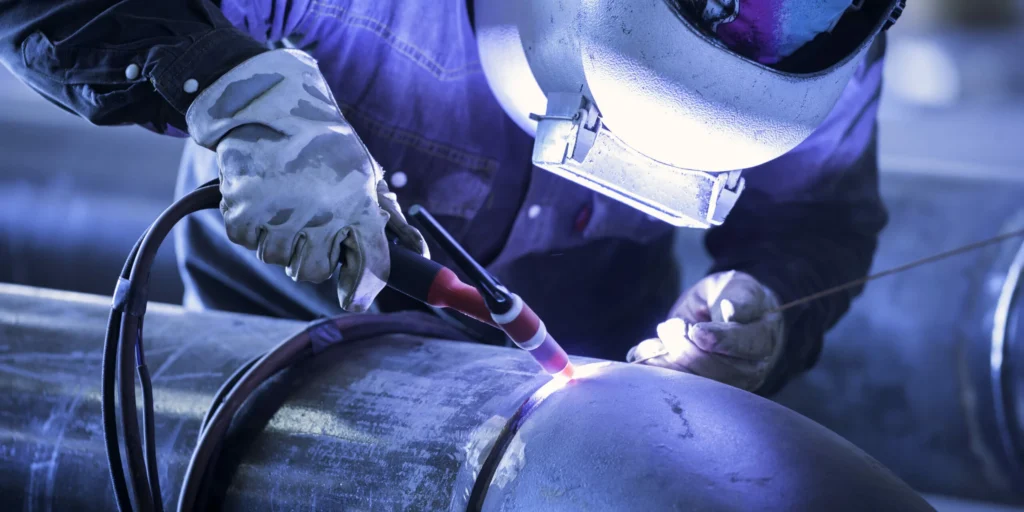
If your project requires extensive, complex welding, Grade 6 (Ti-5Al-2.5Sn) is the undisputed champion. Because Grade 6 is an all-alpha alloy, it does not undergo phase changes when subjected to the intense heat of welding. This translates to exceptional weldability. A Grade 6 weld joint can achieve 100% of the base metal’s strength and ductility. Most importantly, Grade 6 generally requires no post-weld heat treatment (PWHT).
Grade 5 (Ti-6Al-4V), conversely, is an alpha-beta alloy. The rapid heating and cooling cycles during welding can cause the beta phase to become brittle, severely compromising the weld’s integrity. To restore ductility and relieve residual stresses, Grade 5 almost always requires a strict, time-consuming post-weld heat treatment. If you skip this step, the weld will fail under pressure.
Machinability: A Shared Challenge
When it comes to CNC machining, both Grade 5 and Grade 6 are notoriously difficult. They both possess low thermal conductivity, meaning the heat generated during cutting doesn’t dissipate into the chip—it goes straight into the cutting tool, causing rapid tool wear.
However, Grade 6 can be slightly more abrasive and “gummy” to machine than Grade 5. For both alloys, shop floors must strictly adhere to these titanium machining best practices:
- Low cutting speeds and high feed rates: Minimize the time the tool is rubbing against the material.
- Maximum rigidity: The workpiece and the tool must be absolutely rigid to prevent chatter, which instantly ruins tools when cutting titanium.
- Copious coolant: Use a high-volume, high-pressure flow of cutting fluid directly at the cutting zone to blast away heat.
- Sharp tools only: Never let a tool dwell or rub; once a cutting edge dulls, replace it immediately to prevent work-hardening the titanium surface.
Forming Considerations
If you need to bend or form the material, be prepared for significant springback from both grades. While Grade 5 can undergo limited cold forming, Grade 6 strongly resists cold working due to its stable alpha microstructure. For Grade 6, hot forming (typically between 600°C and 700°C) is highly recommended to achieve tight bend radii without cracking.
Cost and Market Availability: A Sourcing Perspective
An engineer’s dream material can quickly become a procurement manager’s nightmare if it cannot be sourced on time or within budget. When transitioning from the CAD drawing to the supply chain, the differences between Grade 5 and Grade 6 titanium become starkly apparent.
Grade 5 (Ti-6Al-4V): The Off-the-Shelf Standard Commercially speaking, Grade 5 is the undisputed king of the titanium market, accounting for more than 50% of total global titanium usage. Because it is utilized across virtually every major industry—from aerospace and medical to automotive and marine—it benefits from massive economies of scale.
For a sourcing team, this means Grade 5 is highly accessible. You can readily find it on the spot market in almost any form: sheet, plate, bar, billet, wire, or tube. Multiple mills produce it globally, which keeps pricing highly competitive and lead times relatively short. If you need standard Ti-6Al-4V next week, you can usually get it.
Grade 6 (Ti-5Al-2.5Sn): The Niche Specialty By contrast, Grade 6 is a highly specialized, low-volume material. Its production runs are largely driven by specific, high-performance aerospace and industrial contracts (such as gas turbine or jet engine manufacturing).
Because it lacks the universal demand of Grade 5, Grade 6 is significantly harder to source and generally more expensive per kilogram. Many metal service centers do not hold Grade 6 in their standard inventory. If your project requires a specific thickness or diameter, you may be forced to place a custom mill run. This often introduces two major procurement hurdles:
- Extended Lead Times: Waiting months for the material to be melted and milled.
- Minimum Order Quantities (MOQs): Mills may require you to purchase thousands of pounds, even if your project only needs a fraction of that.
The Sourcing Verdict: Beware of Over-Engineering From a cost-efficiency standpoint, the rule is simple: Never specify Grade 6 unless your application absolutely demands its high-temperature creep resistance or superior weldability. If Grade 5 can handle the operating environment, stick with Grade 5 to protect your project’s budget and timeline.
Typical Applications: When to Choose Which?
Ultimately, the choice between Grade 5 and Grade 6 titanium comes down to the specific environment your part will operate in. While there is some overlap in aerospace manufacturing, their distinct mechanical properties dictate very different end-use applications.
Grade 5 (Ti-6Al-4V): The Everyday Champion
Because of its exceptional strength-to-weight ratio at room to moderate temperatures, combined with excellent fatigue resistance and biocompatibility, Grade 5 is the material of choice for highly stressed structural components.
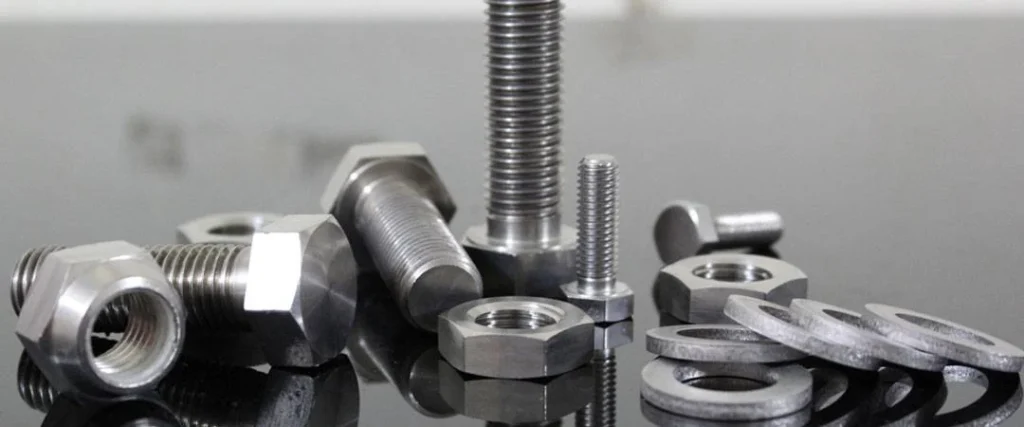
Common applications include:
- Aerospace Airframes & Fasteners: Structural bulkheads, landing gear components, and the thousands of high-strength bolts and rivets holding commercial aircraft together.
- Medical Implants: Joint replacements (like hip and knee implants) and bone plates, thanks to its outstanding biocompatibility and osseointegration properties.
- Automotive & Motorsport: High-performance connecting rods, valves, and suspension springs where shedding weight without sacrificing strength is critical.
- Marine Engineering: Propeller shafts, underwater housings, and offshore oil & gas rigging equipment that require superior corrosion resistance in saltwater.
Grade 6 (Ti-5Al-2.5Sn): The High-Heat Specialist
Grade 6 is deployed specifically when a component must endure extreme temperatures (up to 480°C / 900°F) for extended periods without creeping, oxidizing, or losing its structural integrity, particularly if the assembly involves complex welding.
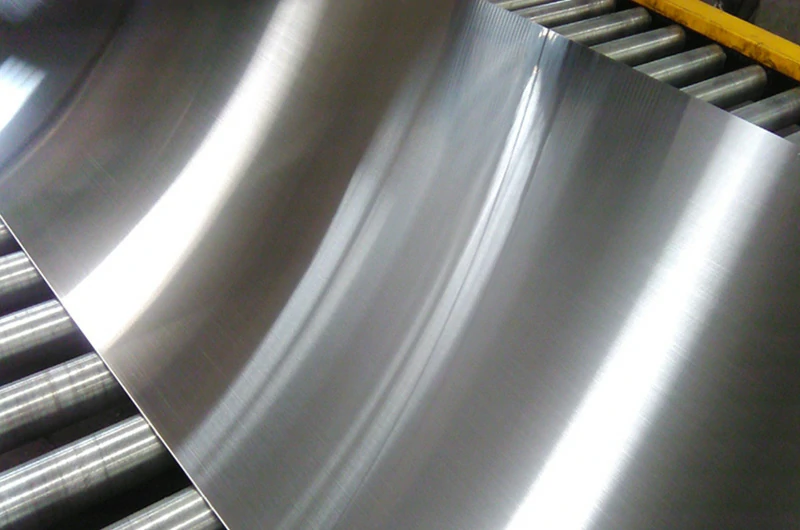
Common applications include:
- Jet Engines & Gas Turbines: Compressor blades, stator vanes, and engine casings that operate in the intensely hot sections of turbine engines.
- Aerospace Exhaust Systems: Tailpipes and exhaust ducting where thin-walled titanium must be welded perfectly and subjected to searing exhaust gases.
- Chemical Processing Equipment: Reactor vessels, heat exchangers, and high-pressure piping systems handling highly corrosive fluids at elevated temperatures.
- Cryogenic Applications: Interestingly, the all-alpha structure of Grade 6 (especially its Extra Low Interstitial or “ELI” variant) also makes it incredibly tough at ultra-low cryogenic temperatures, making it useful for liquid hydrogen/oxygen storage vessels in space exploration.
Frequently Asked Questions (FAQs)
When evaluating titanium alloys for critical engineering projects, these are the most common questions sourcing teams and mechanical engineers ask regarding Grade 5 and Grade 6:
Q: Which is stronger, Grade 5 or Grade 6 titanium?
A: At room temperature, Grade 5 (Ti-6Al-4V) is significantly stronger due to its heat-treatable alpha-beta structure. However, at elevated temperatures (above 400°C / 750°F), Grade 6 (Ti-5Al-2.5Sn) overtakes it, maintaining its strength and resisting creep much better than Grade 5.
Q: Can I substitute Grade 5 for Grade 6 to save costs?
A: No, unless your operating temperature remains strictly below 400°C. If your application requires high-temperature creep resistance or complex welding without post-weld heat treatment, Grade 5 will fail where Grade 6 succeeds. Never substitute down in high-heat environments.
Q: Does Grade 6 titanium require post-weld heat treatment (PWHT)?
A: Generally, no. Because Grade 6 is an all-alpha alloy, it does not suffer from beta-phase embrittlement during the welding process. Its weld joints retain excellent ductility and 100% of the base metal’s strength without the need for time-consuming stress-relief treatments.
Q: Is Grade 6 titanium harder to machine than Grade 5?
A: Yes, slightly. Both alloys have low thermal conductivity and require rigid setups, low speeds, and high coolant flow. However, the stable alpha structure of Grade 6 makes it slightly more abrasive and “gummier” to cut, often resulting in faster tool wear than Grade 5.
Conclusion: Making the Right Choice for Your Project
While both Grade 5 and Grade 6 titanium offer incredible strength-to-weight ratios and phenomenal corrosion resistance, making the right material selection is crucial for the success (and budget) of your project.
To summarize the decision-making process:
- Choose Grade 5 (Ti-6Al-4V) if you need maximum yield and tensile strength at room-to-moderate temperatures, and you want a material that is highly available and cost-effective.
- Choose Grade 6 (Ti-5Al-2.5Sn) if your application involves prolonged exposure to extreme heat (up to 480°C / 900°F), demands superior creep resistance, or requires complex welding where post-weld heat treatment is impossible.
Ready to Source Your Titanium?
Finding a reliable supplier who understands the nuanced differences between titanium grades can be just as challenging as machining the material itself. Whether you need standard off-the-shelf Grade 5 plate or are trying to source difficult-to-find Grade 6 round bar for an aerospace application, we are here to help.
Take the next step with our metallurgy experts: