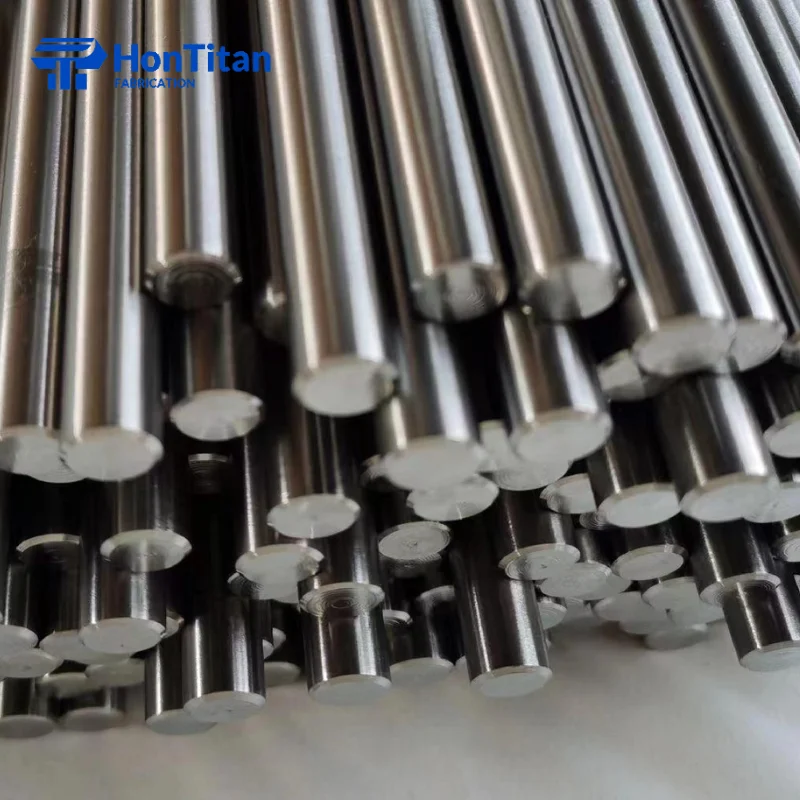
Titanium is one of the few materials that genuinely delivers on its performance claims in sports equipment. A titanium bike frame typically weighs 1,000–1,400g — comparable to mid-range aluminum — but offers dramatically better fatigue resistance, vibration damping, and a practical lifetime warranty that aluminum can’t match. In golf, titanium revolutionized driver design by enabling ultra-thin club faces that flex at impact, increasing ball speed beyond what steel heads allow. This article breaks down the real trade-offs for both cyclists and golfers, including the honest scenarios where aluminum or carbon fiber is the smarter buy.
What Makes Titanium Different in Sports Equipment
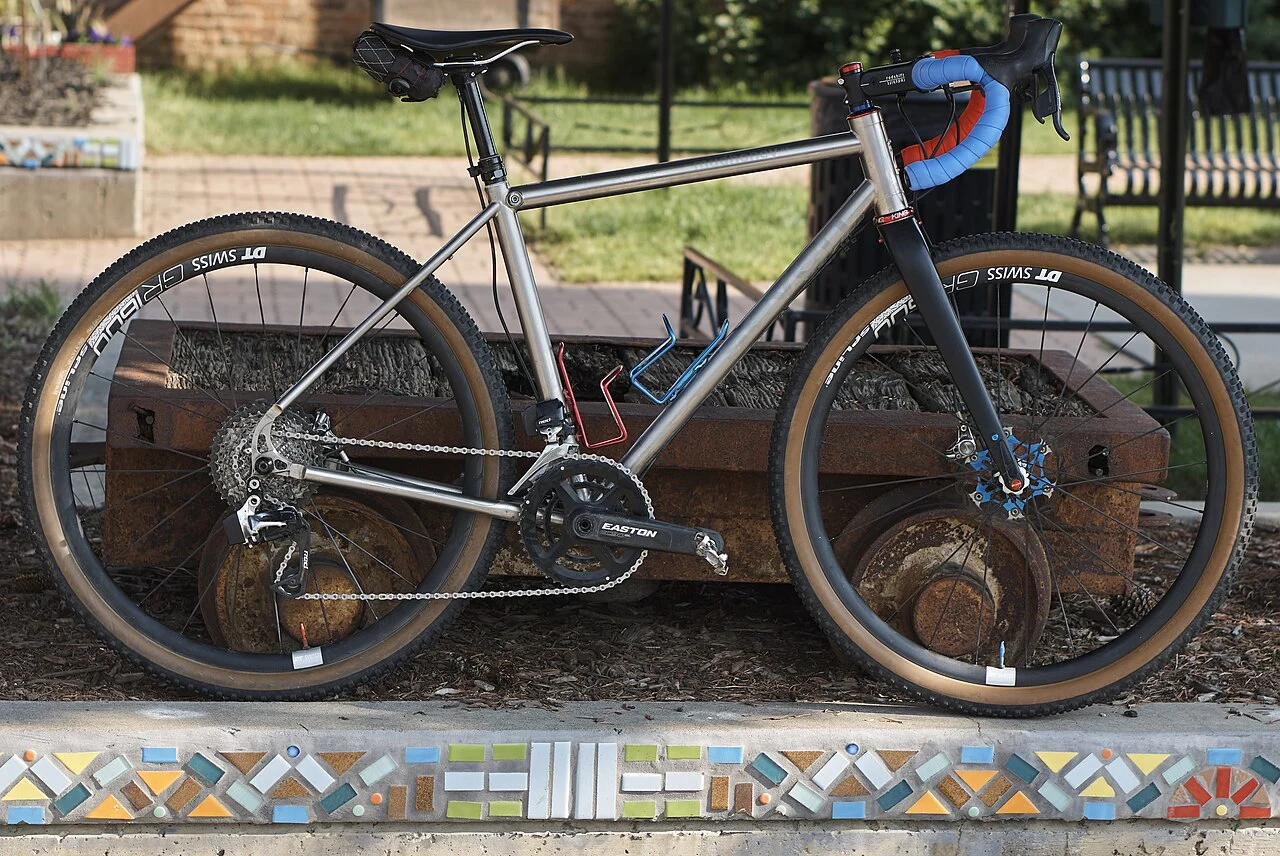
The performance case for titanium starts with one ratio: strength-to-weight.
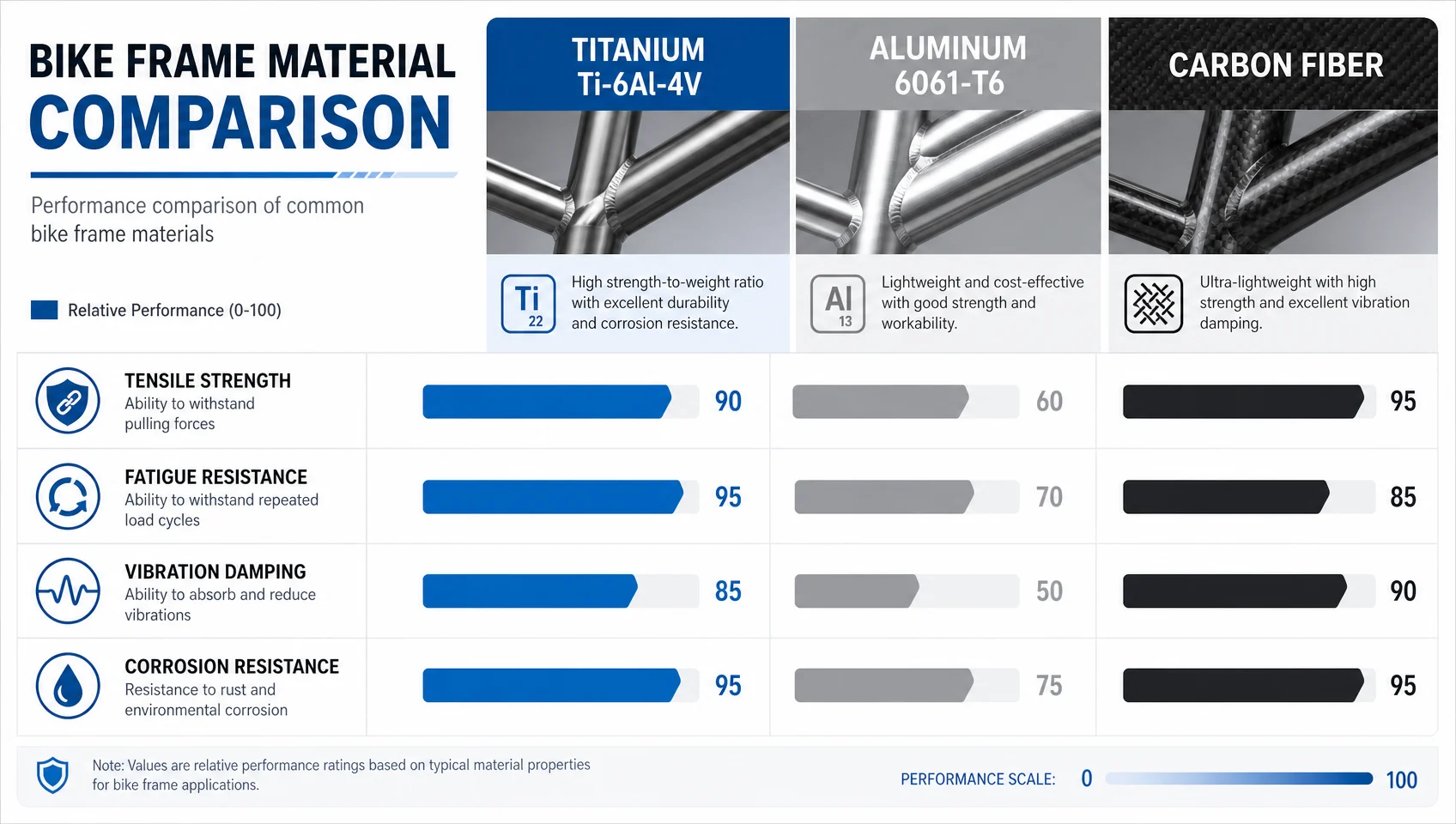
Titanium alloy Ti-6Al-4V — the grade used in most sporting applications — has a density of approximately 4.43 g/cm³, roughly 60% heavier than aluminum 6061-T6 (2.70 g/cm³) by volume. That sounds like a disadvantage until you account for strength: Ti-6Al-4V achieves a tensile strength of around 950 MPa versus about 310 MPa for 6061-T6 aluminum. The result is that titanium tubes can be drawn significantly thinner, recovering the weight penalty while delivering a structure that is fundamentally stiffer per gram at the tube wall level.
The number that really matters for sports equipment, however, is fatigue endurance limit — the stress level below which a material can cycle indefinitely without failure. Aluminum has no true endurance limit: given enough cycles, it will eventually crack, which is why quality aluminum bike frames carry 5–7 year warranties and golf club faces are replaced when they fatigue-crack. Titanium, by contrast, has a well-defined endurance limit at roughly 45–50% of its ultimate tensile strength. A properly built titanium bike frame can survive millions of load cycles without metal fatigue initiating — which is why titanium manufacturers offer lifetime warranties with confidence.
The third factor is vibration damping. Titanium absorbs high-frequency road vibration better than aluminum, though not as well as carbon fiber. In practical terms, this means less hand and arm fatigue on long rides — a measurable benefit on 4-hour endurance efforts that data-driven cyclists have confirmed through comparative rides.
These three properties — competitive strength-to-weight ratio, true fatigue endurance, and damping characteristics — explain why titanium found homes in both bike frames and golf clubs despite costing significantly more to machine and weld.
Titanium vs Aluminum Bike Frame: The Real Trade-offs
The Weight Question
The weight comparison between titanium and aluminum bike frames is less clear-cut than most buyers expect.
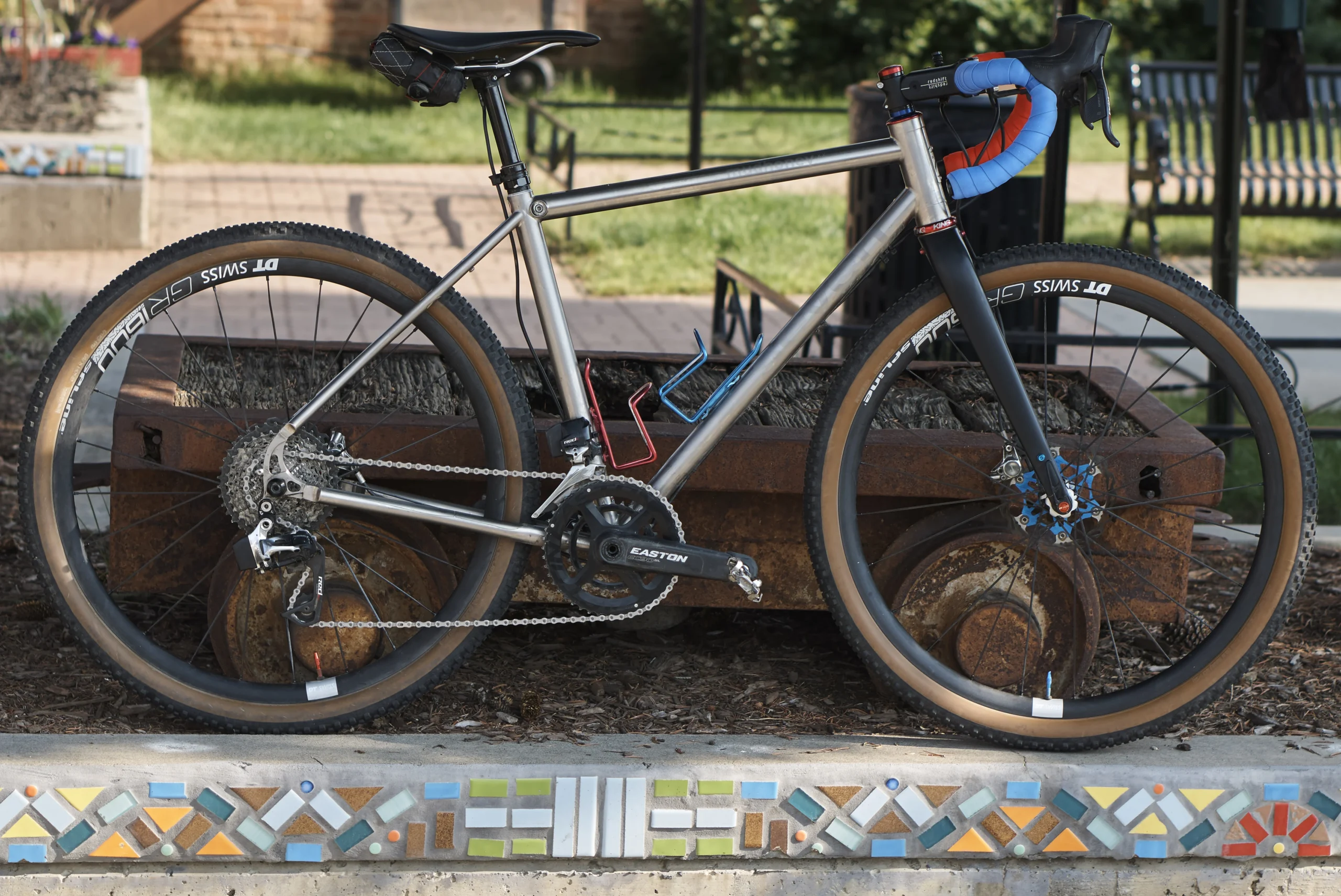
A well-built aluminum road bike frame (e.g., Cannondale CAAD13 or Trek Emonda AL) typically weighs 900–1,100g. A titanium frame from brands like Moots, Lynskey, or Litespeed typically lands between 1,000–1,400g for a size medium. So titanium is not lighter in absolute terms — it’s roughly comparable to a good aluminum build, and decisively heavier than carbon fiber (700–900g for comparable quality).
The case for titanium isn’t weight — it’s the combination of acceptable weight with properties aluminum can’t match.
| Proprietà | Titanio (Ti-6Al-4V) | Alluminio 6061-T6 | Carbon Fiber (mid-grade) |
|---|---|---|---|
| Frame weight (med) | 1,000–1,400g | 900–1,100g | 700–900g |
| Densità (g/cm³) | 4.43 | 2.70 | ~1.6 |
| Resistenza alla trazione | ~950 MPa | ~310 MPa | ~600–1000 MPa |
| Fatigue endurance limit | Yes (~45% UTS) | No true limit | No (delamination risk) |
| Vibration damping | Buono | Fiera | Excellent (layup-dependent) |
| Resistenza alla corrosione | Excellent (no coating needed) | Moderate (anodizing required) | N/A (composite) |
| Typical frame price | $1,500–$4,000+ | $400–$1,200 | $800–$4,000+ |
| Warranty typical | Lifetime | 5–7 years | Lifetime (varies) |
| Repairability | Weldable (specialized TIG) | Weldable (common) | Very difficult |
Ride Feel: What “Vibration Damping” Actually Means
Most cycling content describes titanium’s ride feel as “springy” or “lively” — descriptions that sound like marketing. The underlying physics is more specific.
Road surfaces generate vibration across a range of frequencies. High-frequency chatter (rough tarmac, chip seal) fatigues muscles and causes numbness in hands and feet. Aluminum, being stiffer per unit of deflection, transmits more of this high-frequency input to the rider. Titanium’s elastic modulus (~116 GPa) is higher than aluminum’s (~69 GPa) — meaning titanium is stiffer per unit cross-section — but the material’s internal damping coefficient is meaningfully higher than aluminum’s, absorbing rather than transmitting vibration energy. The combination of thinner tube walls (made possible by titanium’s higher strength) and better intrinsic damping produces a frame that filters road chatter more effectively than an aluminum equivalent of comparable weight.
In practical terms: on a 100km ride with 30km of rough chip seal, riders switching from aluminum to titanium consistently report less hand fatigue and reduced numbness without any change in position or tires. That’s not marketing — it’s a predictable material property.
When Aluminum Wins
Titanium doesn’t always win. Aluminum is the better choice when:
- Budget is constrained: A $600 aluminum frame that fits perfectly beats a poorly-fitted $3,000 titanium frame every time.
- You race criteriums or need maximum stiffness: The power transfer in explosive sprint efforts favors the higher stiffness-per-gram of modern hydroformed aluminum.
- You upgrade bikes every 3–5 years: If you’re likely to sell the frame and move on, aluminum’s lower buy-in makes more financial sense.
- Weight is the priority: For climbing specialists, carbon is lighter. Titanium is not a weight-optimization material.
Titanium Golf Clubs: Beyond the Marketing
How Titanium Changed Driver Design
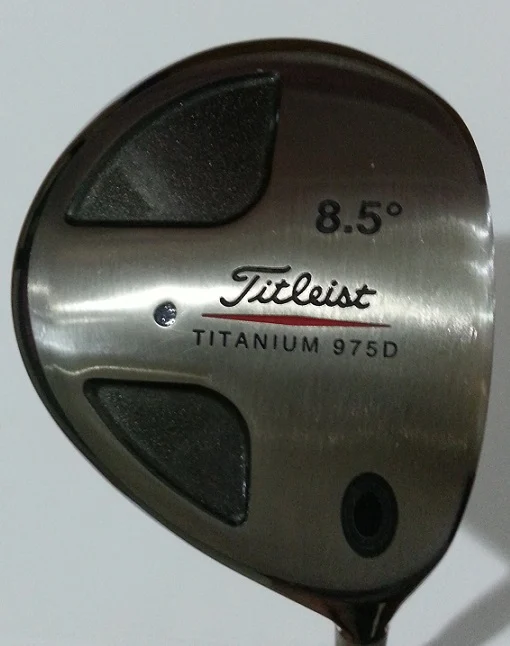
Titanium entered mainstream golf club design in the early 1990s. Callaway’s Big Bertha Ti (1995) and TaylorMade’s titanium drivers accelerated the shift from steel heads. The reason wasn’t prestige — it was physics.
A steel driver head has a face that must be thick enough to handle repeated impact stress without fatigue cracking. The material’s density requires maintaining a minimum wall thickness that, combined with steel’s weight, limits how large the clubhead can be made before it exceeds the USGA’s 460cc volume limit while remaining within swingweight constraints.
Titanium’s higher strength-to-weight ratio allowed engineers to build clubheads at the maximum legal volume (460cc) with faces as thin as 2–3mm — less than half the wall thickness possible in steel. A thinner face flexes slightly at impact, storing and releasing energy like a spring. The USGA regulates this via the Coefficient of Restitution (COR) limit of 0.83, and titanium drivers routinely approach this limit in a way steel-faced clubs cannot.
The practical result: titanium drivers deliver higher ball speed at the same swing speed, and the larger sweet spot (enabled by the bigger, lighter head) reduces distance loss on off-center hits. For the average golfer whose shots are rarely centered, this is a genuine performance gain.
Beta Titanium Shafts: A Different Application
The shaft is a separate engineering challenge from the head. Beta titanium alloys (Ti-15V-3Cr-3Al-3Sn and similar) have higher flexibility and lower stiffness than standard Ti-6Al-4V, making them viable for shaft applications. Beta titanium shafts offer a feel between graphite (very light, high flex) and steel (heavier, stiffer), appealing to players who want some shaft flex feedback without the weight of steel or the perceived imprecision of graphite.
Beta titanium shafts remain a niche product — most golfers are better served by the more tested graphite or steel options — but for custom fitters working with specific swing profiles, they offer a distinct option in the fitting matrix.
Titanium Irons and Wedges: Where the Story Gets Complicated
Titanium’s use in irons is more marketing-driven than its use in drivers. Some budget iron sets use titanium face inserts primarily for visual appeal and perceived value. The performance advantage of titanium in irons is less pronounced than in drivers because the spring-face effect is regulated to the same COR limit, and iron faces are smaller — the large sweet spot advantage that titanium enables in drivers is less relevant in the precision-focused iron segment.
Honest assessment: If you see “titanium” on an iron set below $300, it’s likely a cosmetic alloy inclusion. The real performance titanium story in golf is specifically about large-headed drivers and fairway woods where the volume-to-weight physics plays out most favorably.
Real-World Ownership: What Long-Term Users Report
Cyclists: The 10-Year Frame Test
The most credible data on titanium bike frame longevity comes from owners who have ridden the same frame for a decade or more. In communities like r/cycling and dedicated titanium frame forums, recurring themes from long-term owners include:
- Zero fatigue cracking on frames from established brands after 10+ years of regular riding, including cobbled sportives and loaded touring
- Unchanged ride feel — unlike carbon, titanium doesn’t suffer progressive micro-damage that subtly alters handling
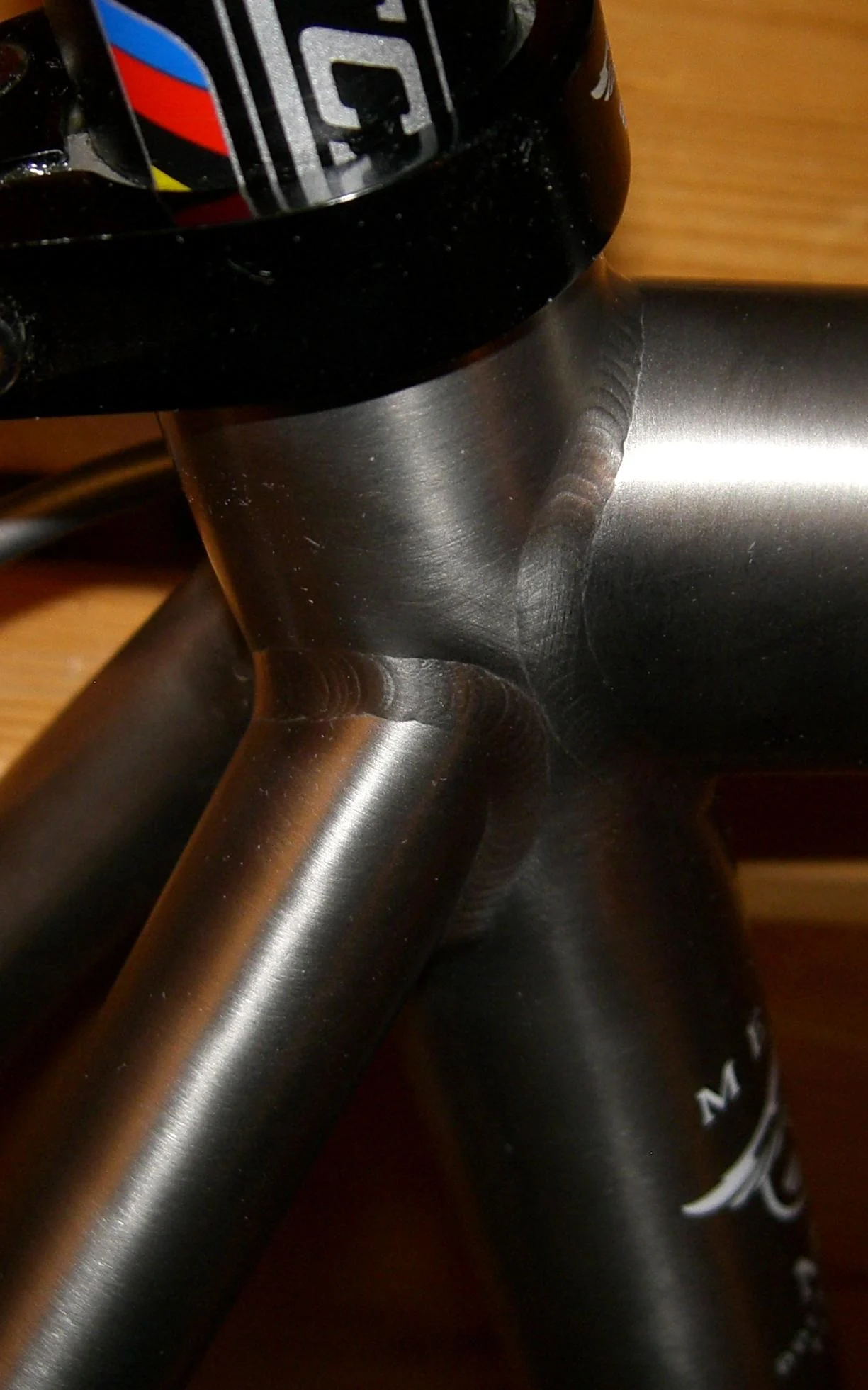
- Weld integrity — the weakest point on any metal frame is the weld bead; titanium TIG welds performed by experienced welders (Moots, Seven, Lynskey) have proven long-term durability
- Cosmetic aging — titanium brushes and scratches but doesn’t corrode or need repainting; many owners cite the raw metal aesthetic as a feature
One honest counterpoint from long-term owners: if the geometry doesn’t fit you perfectly, the “lifetime frame” becomes a liability. Because titanium is harder to sell used compared to brand-name carbon, getting fit wrong is a more expensive mistake.
Golfers: The Driver Replacement Cycle
Golfers replace drivers more frequently than cyclists replace frames, which changes the value equation. Most golfers buying a current-generation titanium driver are unlikely to use it for 20 years — driver technology moves in 5–7 year cycles, and the performance gap between generations is real.
The better case for titanium in golf is not longevity but immediate performance per dollar. A 3-year-old titanium driver from a major OEM ($150 used) often outperforms a brand-new steel-headed driver at the same price point, because the titanium construction enables COR-optimized face design at any price tier.
The Honest Downsides of Titanium Sports Equipment
Titanium has genuine limitations that deserve direct treatment:
1. Price premium is real and significant. A titanium road bike frame costs 2–4x more than a comparable quality aluminum frame. A titanium driver costs 30–60% more than a steel equivalent at the same technology level. The premium is justified for specific use cases but not universal.
2. Titanium is not the lightest option. Carbon fiber bike frames are 200–400g lighter than titanium at comparable price points. For weight-obsessed climbers or racers where every gram matters, carbon wins.
3. Welding requires specialists. Titanium must be TIG welded in an inert gas environment — oxygen and nitrogen contamination during welding causes embrittlement. A cracked titanium frame can be repaired, but not by any local bike shop. Repair requires a specialist with a proper inert gas welding setup. Aluminum is far easier to repair locally.
4. “Titanium” branding is widely misused. Many products labeled “titanium” use surface coatings, titanium-colored finishes, or minor titanium additions in alloys that don’t deliver the performance properties of solid Ti-6Al-4V components. When evaluating titanium sports equipment, verify whether the structural component is solid titanium alloy or a titanium-treated/coated material.
5. Resale value is niche. Titanium bike frames have a smaller resale market than carbon fiber from recognized brands. If equipment cycling is part of your purchasing pattern, this matters.
FAQ — People Also Ask
Il titanio è più leggero dell'alluminio per i telai delle biciclette?
Not in absolute terms. A titanium frame typically weighs 1,000–1,400g versus 900–1,100g for a quality aluminum frame. Titanium’s advantage is superior fatigue resistance and ride feel, not lower weight. Carbon fiber is the lighter option.
Quanto dura un telaio di bici in titanio?
Indefinitely with proper care. Most reputable titanium frame manufacturers — including Moots, Lynskey, and Seven Cycles — offer lifetime warranties. Titanium has a genuine fatigue endurance limit, meaning below a certain stress threshold, it can cycle indefinitely without failure. This is not true of aluminum.
Le mazze da golf in titanio sono legali nei tornei?
Yes. Titanium golf clubs are fully conforming under USGA and R&A rules, provided they meet COR limits (≤0.83) and other equipment standards. The USGA maintains an equipment database of conforming clubs.
Why do titanium bike frames cost so much?
Three factors: raw titanium material is more expensive than aluminum per kilogram; titanium requires specialized TIG welding equipment with inert gas shielding; and titanium machining is more difficult than aluminum (harder on tooling, slower cutting speeds). These aren’t arbitrary margins — they reflect real manufacturing cost differences.
Does a titanium bike frame rust?
No. Titanium forms a stable, self-repairing oxide layer on its surface that makes it essentially immune to corrosion in normal environmental conditions, including salt water and sweat. This is a genuine advantage for coastal cyclists and heavy sweaters who find aluminum components corroding around bolt interfaces.
What is beta titanium in golf shafts?
Beta titanium alloys (such as Ti-15V-3Cr-3Al-3Sn) are more flexible and springier than standard Ti-6Al-4V. In golf shafts, beta titanium provides a feel profile between graphite (very light and flexible) and steel (heavy and stiff). Beta titanium shafts are used by a small number of custom fitting specialists but are not mainstream.
Summary: The Author’s Take
Titanium earns its premium in specific, well-defined scenarios. For cyclists who plan to own one frame for a decade or more, ride mixed surfaces including rough chip seal and cobbles, and value a frame that won’t need replacing — titanium’s fatigue resistance and ride quality are a genuine long-term value proposition that aluminum can’t match. For golfers, the titanium advantage lives specifically in driver heads: the physics of thin-face, large-volume design genuinely improves ball speed and off-center performance, and this is not marketing.
Where titanium doesn’t win: pure weight competition (carbon wins), budget-constrained purchases (aluminum wins), and equipment cycling scenarios where resale value matters.
The one caution I’d flag for any buyer: verify what “titanium” actually means in the product you’re evaluating. Solid Ti-6Al-4V structural components are categorically different from titanium coatings or alloy additions. The performance claims in this article apply to the former, not the latter.