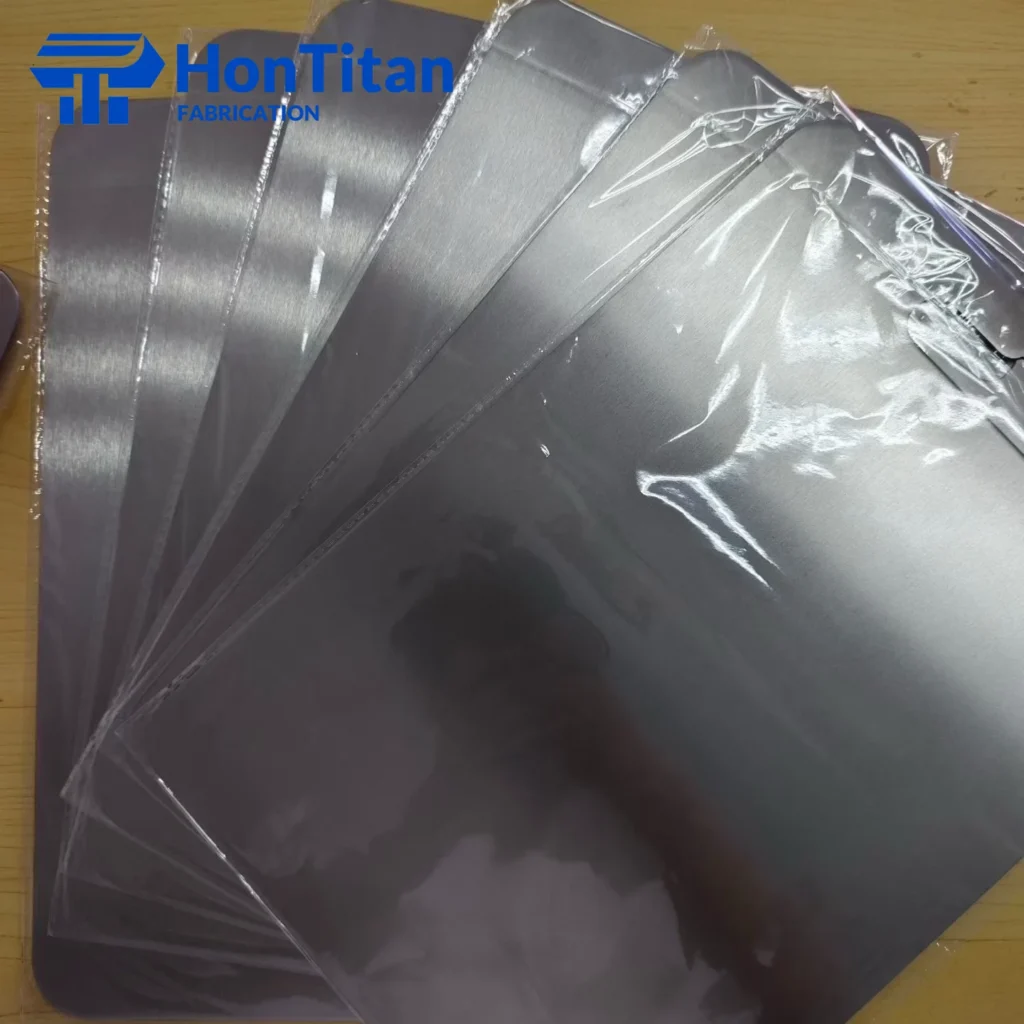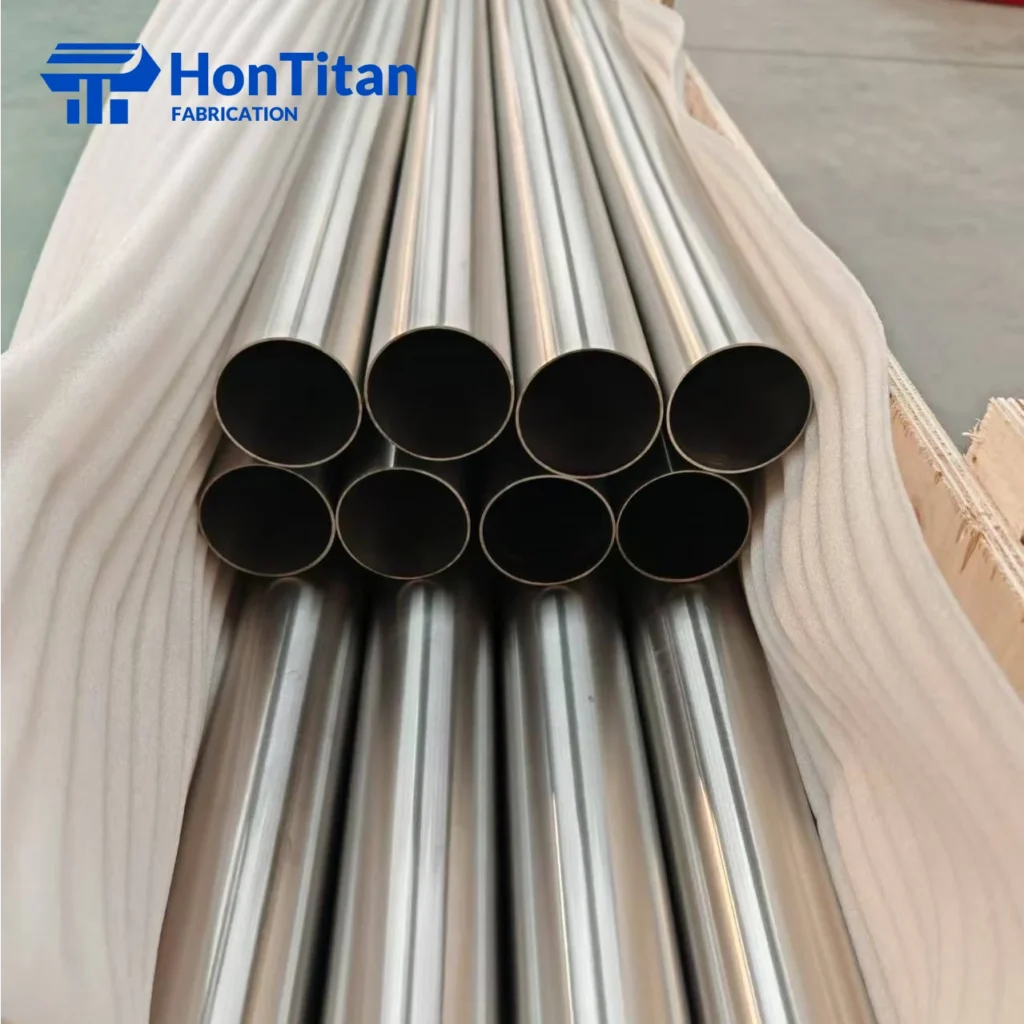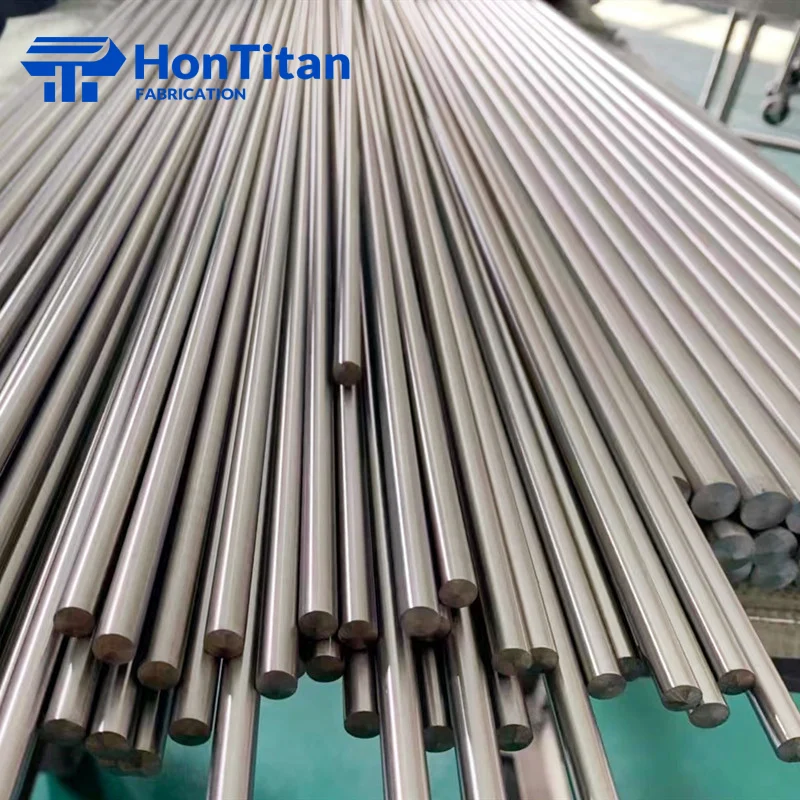
When engineers are tasked with designing components that absolutely cannot fail under extreme conditions, they turn to titanium. Renowned for its exceptional high strength-to-weight ratio, impressive fatigue limit, and unparalleled corrosion resistance, titanium is the undisputed champion of the aerospace, medical device, and defense industries. It is not merely an everyday material; it is a true “strategic metal.”
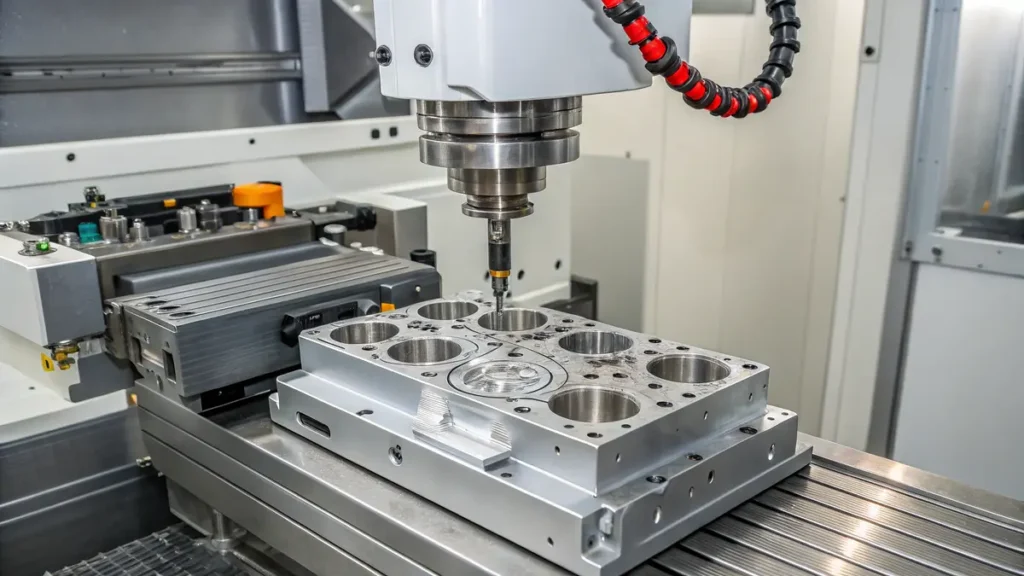
However, this premium performance comes with a steep learning curve and a significant cost. While consumer tech giants may occasionally flirt with titanium for marketing appeal, its true value is proven in deep-diving submarines, supersonic jet engines, and life-long orthopedic implants.
But here is the manufacturing industry’s open secret: the exact physical properties of Grade 5 Titanium (Ti-6Al-4V)—which must meet rigorous ASTM B348 standards—that make it so desirable in the field make it an absolute nightmare on the CNC shop floor. The journey from a rough, porous titanium sponge to a highly precise, micron-level tolerance component is incredibly demanding. It is a material that actively fights back when being cut.
Whether you are a product designer trying to optimize your part’s manufacturability, or a procurement manager evaluating the true cost and lead times of custom titanium parts, understanding how this metal behaves during manufacturing is crucial.
In this comprehensive guide, we will strip away the mystery. We will break down the fatal machining challenges that cause tool failure and share the proven, shop-floor best practices required to tame this stubborn alloy and turn your designs into precision reality.
Why is Titanium So Difficult to Machine? The 4 Fatal Machining Challenges
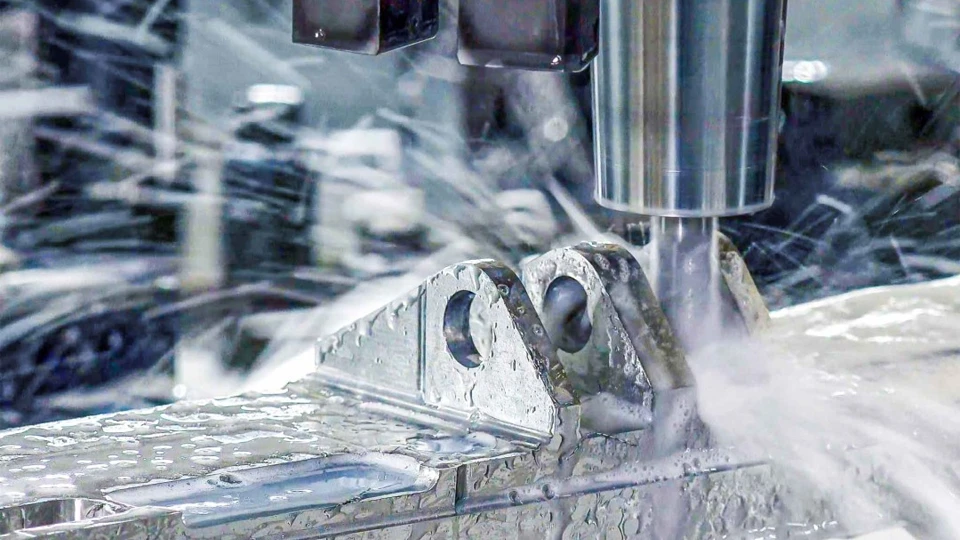
Ask any veteran machinist on the shop floor, and they will tell you the same thing: titanium is a notorious tool killer.
The very characteristics that make titanium alloys (like Grade 5 / Ti-6Al-4V) so valuable in the field—their incredible strength and thermal resistance—translate directly into severe machining titanium challenges. To successfully manufacture precise titanium components, we must first understand the material’s defense mechanisms.
Here are the four primary reasons why titanium actively fights the cutting tool:
1. Exceptionally Poor Thermal Conductivity (The Heat Trap)
When machining metals like aluminum or steel, the heat generated by the cutting friction is efficiently carried away by the metal chips themselves. Titanium, however, acts almost like an insulator. It has an exceptionally low thermal conductivity, meaning the heat has nowhere to go.
Instead of escaping with the chip, extreme heat is concentrated entirely at the cutting edge of the tool. This causes rapid thermal degradation and catastrophic tool failure. In worst-case scenarios—as frequently discussed in machinist communities—if the feeds and speeds are incorrect, fine titanium chips and dust can actually ignite, posing a severe fire hazard inside the CNC machine.
2. Rapid Work Hardening (Strain Hardening)
Titanium alloys are highly susceptible to work hardening. As the cutting tool shears the metal, the intense pressure and localized heat alter the crystal lattice of the machined surface. Instantly, that thin top layer becomes significantly harder than the base material beneath it.
If a cutting tool is allowed to dwell, rub, or take too light of a cut, it will simply burnish and harden the surface further. The next pass of the tool will hit this hardened crust, resulting in chipped cutting edges and broken end mills. With titanium, you must commit to the cut—hesitation destroys tools.
3. Galling and Built-Up Edge (Chemical Reactivity)
At the elevated temperatures generated during machining, titanium becomes chemically reactive. It exhibits a strong tendency to alloy or micro-weld itself to the cutting tool material.
This sticky phenomenon is known as galling. As the titanium welds to the insert, it forms a Built-Up Edge (BUE), changing the geometry of the tool. Eventually, this welded clump of titanium is forcefully torn away during the cutting rotation, often taking a microscopic chunk of the carbide cutting edge with it. This not only destroys the tool but completely ruins the surface finish of the part.
4. Low Modulus of Elasticity (The “Spring” Effect)
Despite its immense strength, titanium is surprisingly flexible compared to steel. It has a relatively low elastic modulus, meaning it is “springy.”
When subjected to the radial cutting forces of a CNC mill or lathe, the titanium workpiece tends to bend or deflect away from the cutting tool. This deflection makes holding tight, micron-level tolerances incredibly frustrating. Furthermore, this “spring back” effect induces severe vibration and chatter, which degrades the surface finish and accelerates tool wear even further.
Best Practices: How to Tame Titanium in the CNC Shop
While titanium’s defense mechanisms are formidable, they are not invincible. Overcoming these machining challenges requires abandoning the standard operational procedures used for steel or aluminum. It demands a highly disciplined approach, pairing state-of-the-art CNC equipment with strategic programming.
To achieve precision and efficiency when manufacturing titanium components, our shop floor adheres strictly to the following best practices:
1. High-Pressure, High-Volume Coolant (The Ultimate Heat Shield)
Because titanium traps heat at the cutting edge, copious amounts of coolant are non-negotiable. However, a standard flood coolant system is often insufficient, as the vapor barrier created by extreme heat can literally bounce the coolant away from the cutting zone.
The solution is a high-pressure coolant system (often exceeding 1,000 PSI). Firing coolant directly at the cutting edge not only shatters the thermal barrier to dramatically reduce temperatures, but it also forcefully blasts the sticky titanium chips away. This prevents chip recutting—a primary cause of tool breakage and surface gouging.
2. Specialized Solid Carbide Tooling (No HSS Allowed)
When machining titanium, High-Speed Steel (HSS) tools will degrade almost instantly. As consistently recommended by leading tooling authorities such as Sandvik Coromant and Kennametal, you must exclusively utilize premium solid carbide tools that are kept exceptionally sharp.
Tool geometry and coatings are equally critical. We rely on tools with a high number of flutes (often 5 or more for milling) to increase core strength and reduce deflection. Furthermore, specific physical vapor deposition (PVD) coatings, such as Titanium Aluminum Nitride (TiAlN), provide a crucial thermal barrier and inherent lubricity to combat galling and built-up edge.
3. The “Low and Steady” Speed & Feed Strategy
The golden rule of machining titanium is low surface speed combined with a heavy, consistent chip load.
- Low RPM: Running the spindle too fast generates friction heat that titanium cannot dissipate, burning the tool.
- High Feed / Thick Chips: You must feed the tool aggressively enough to force the heat into the chip rather than the tool or the workpiece. If you take too light of a cut, you risk rubbing the material, instantly triggering the work-hardening effect.
Additionally, climb milling is universally preferred over conventional milling. Climb milling creates a “thick-to-thin” chip. The tool enters the material at maximum thickness (absorbing the initial heat) and exits thin, minimizing friction as the tool leaves the cut.
4. Absolute Machine and Setup Rigidity
To combat titanium’s low modulus of elasticity and its tendency to “spring” and chatter, every element of the machining setup must be rock solid.
This means utilizing heavy-duty CNC machining centers capable of absorbing intense vibration. Workholding must be incredibly robust to prevent part deflection. Finally, tool overhang (the distance the cutter protrudes from the holder) must be kept to an absolute minimum to maximize rigidity and ensure those micron-level tolerances are maintained.
Beyond Machining: Industry-Specific Post-Processing
Successfully machining titanium to tight tolerances is a significant achievement, but for high-stakes applications, it is often only half the battle. The final operating environment of the component dictates a strict set of post-processing requirements. A true end-to-end manufacturing partner understands that a part’s surface finish and internal structure must be just as flawless as its dimensional accuracy.

Depending on the sector, the journey of a titanium part continues well after it leaves the CNC machine:
Medical Grade Titanium Machining (Biocompatibility & Polishing)
In the medical device sector, the requirements go far beyond the cutting tool. Titanium is the material of choice for orthopedic implants—such as artificial bone joints, spinal cages, or bone screws—due to its natural biocompatibility and resistance to bodily fluids.
However, to optimize these properties, machined medical implants require specialized post-processing. This often includes ultra-fine, mirror-like polishing and advanced surface treatments (such as color anodizing or specific micro-texturing) to ensure seamless osseointegration with the human body and to prevent bacterial adhesion.
Aerospace Titanium Components (Heat Treatment & Fatigue Resistance)
Conversely, aerospace titanium components face entirely different environmental and mechanical stresses. Parts like jet engine turbine blades, landing gear structures, or critical airframe fasteners are subjected to extreme loads, vibration, and temperature fluctuations.
For these applications, aesthetics are secondary to structural integrity. These components frequently undergo rigorous, certified heat treatments and stress-relieving processes after machining. This crucial step eliminates any internal residual stresses induced during the harsh cutting process, realigns the crystalline structure, and dramatically maximizes the part’s long-term fatigue resistance.
Understanding these industry-specific nuances—and having the established quality control systems to execute them perfectly—is exactly what separates a standard machine shop from a reliable, comprehensive titanium manufacturing partner.
Why Choose Us for Custom Titanium Machining?
As outlined throughout this guide, machining titanium is a zero-margin-for-error game. The material is expensive, the lead times for raw stock can be long, and the machining process itself is unforgiving. You simply cannot afford to risk your project timeline or budget on a machine shop that treats titanium like just another piece of steel or aluminum.
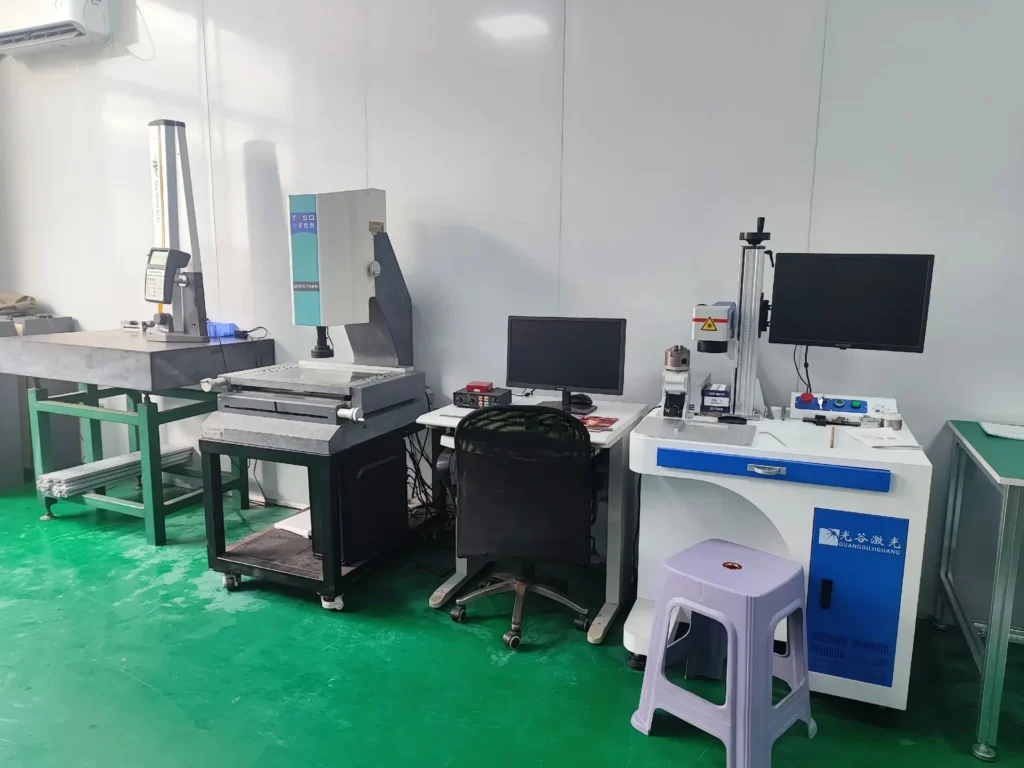
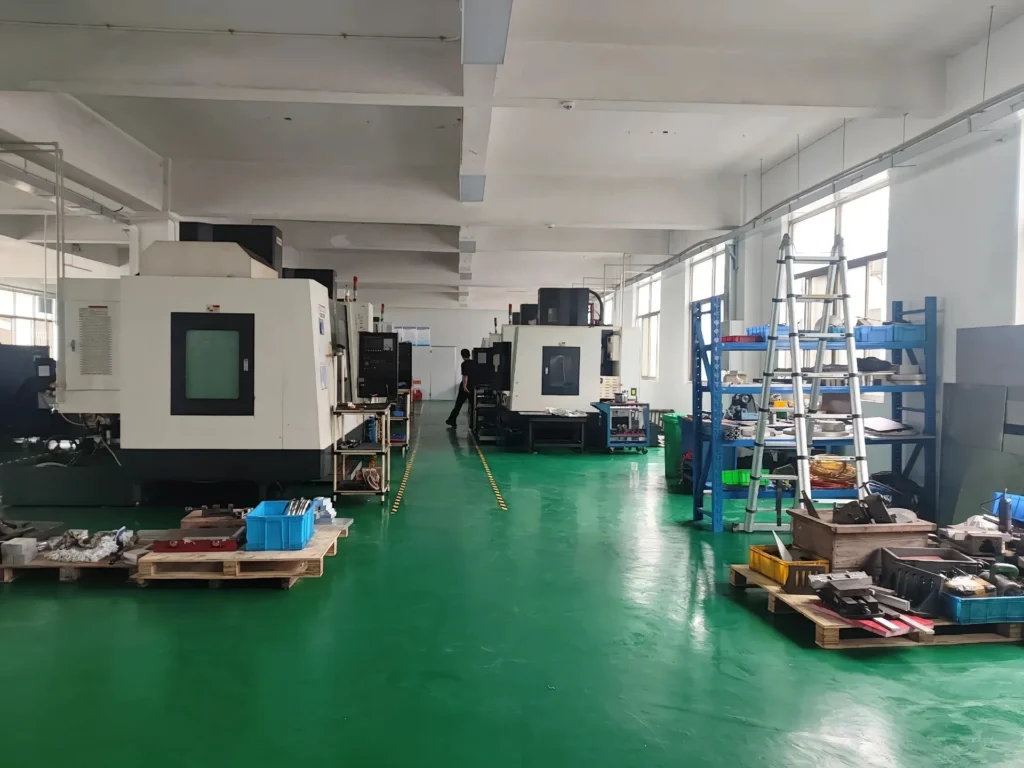
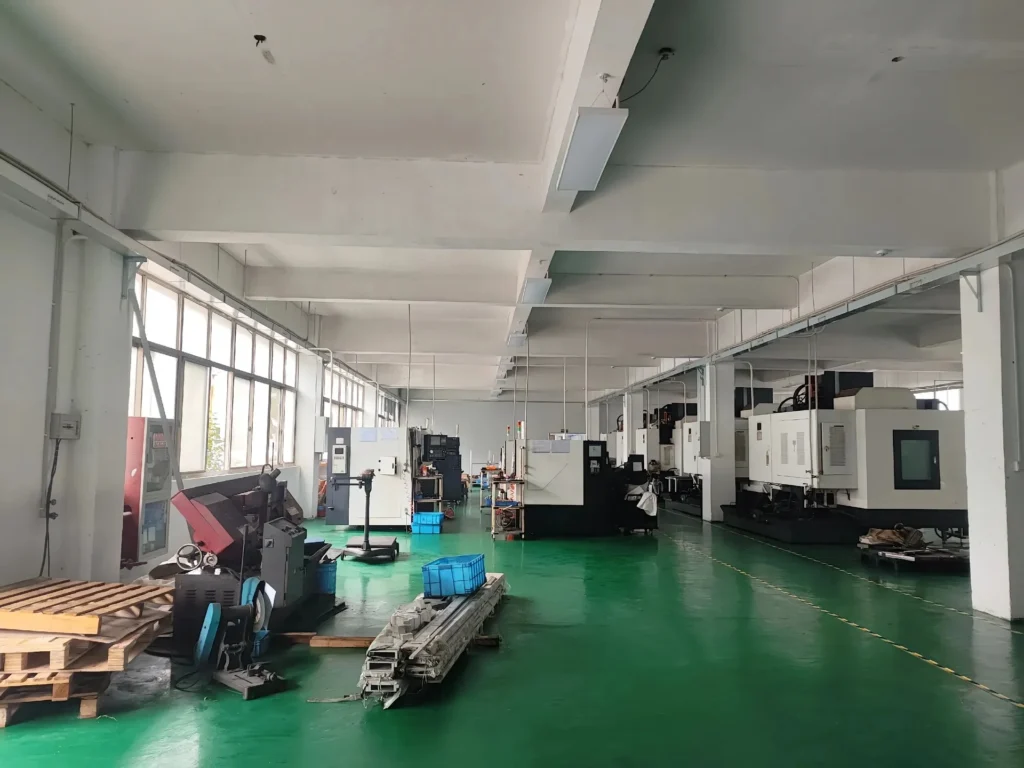
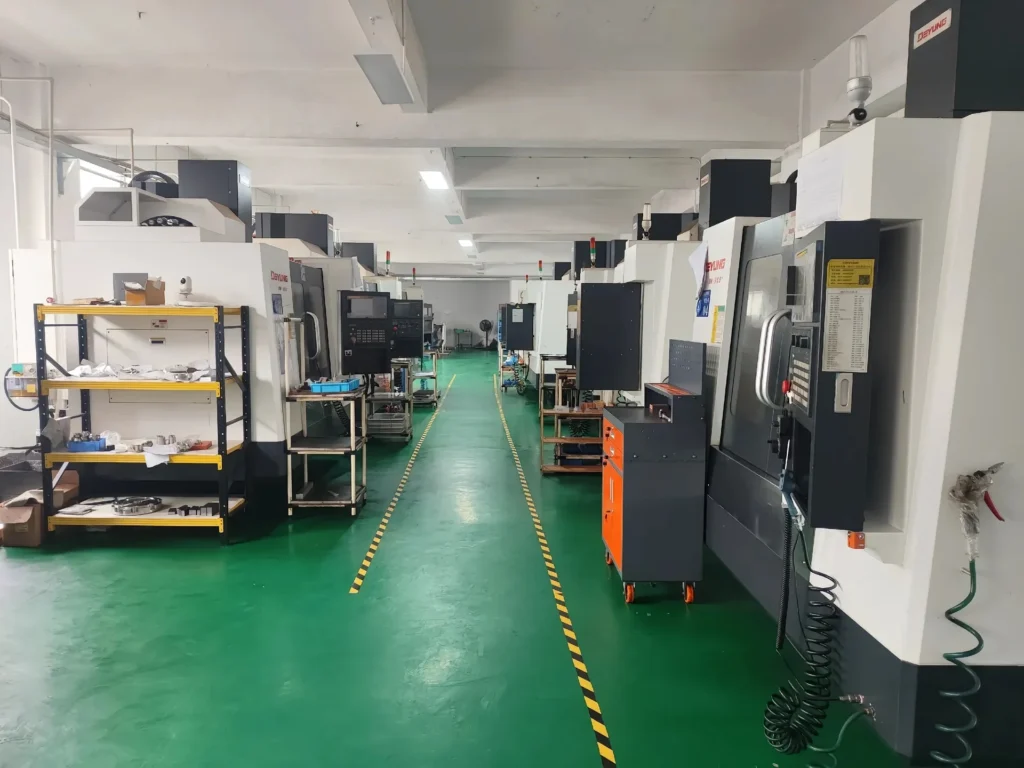
When you partner with us for your custom titanium machining services, you are leveraging years of dedicated experience and specialized infrastructure designed specifically to conquer this metal.
Here is how we deliver value where others struggle:
1. Transforming Titanium Sponge into Precision Marvels
The journey of a titanium part is a testament to extreme engineering. Transforming raw, stubborn titanium sponge into a flawless aerospace turbine blade or a critical medical implant requires uncompromising precision.
Utilizing state-of-the-art 5-axis titanium CNC machining centers, we are able to tame this notoriously difficult alloy. Our high-rigidity setups allow us to machine complex geometries in a single operation, achieving ultra-tight tolerances down to thousandths of a millimeter while eliminating the stack-up errors of multiple setups.
2. Specialized Equipment and Tooling Ecosystem
We do not cut corners on our tooling budget. Our facility is equipped with the exact high-pressure coolant systems (1,000+ PSI) required to shatter the thermal barrier and prevent chip recutting. We maintain a strict inventory of premium, application-specific solid carbide end mills and drills coated with TiAlN to ensure consistent, repeatable surface finishes on every batch, whether it is Grade 2 CP Titanium or Grade 5 (Ti-6Al-4V).
3. Maximizing Your Long-Term ROI and Sustainability
For OEMs and procurement managers, we understand that unit price is only one part of the equation. It is no secret that extracting and producing raw titanium is an energy-intensive and costly process. However, when evaluating the total lifecycle of a product, titanium emerges as a highly sustainable and cost-effective choice.
Because our precision-machined titanium parts exhibit exceptional durability, flawless dimensional accuracy, and complete resistance to most forms of corrosion, they rarely fail in the field. Furthermore, titanium is 100% recyclable. Choosing us as your dedicated precision titanium supplier means fewer rejected parts, reduced maintenance costs, and the highest long-term Return on Investment (ROI) for your final product.
Frequently Asked Questions About Machining Titanium
When evaluating materials and manufacturing partners for a new project, engineers and purchasing teams often have similar concerns regarding titanium. Here are the answers to the most common questions we receive:
Which titanium alloy is the most common for CNC machining?
Grade 5 Titanium, also known as Ti-6Al-4V (Titanium with 6% Aluminum and 4% Vanadium), is the undisputed workhorse of the industry. It accounts for over 50% of global titanium usage. It offers an exceptional balance of high strength, low weight, and relatively better machinability compared to commercially pure (CP) titanium grades, making it the go-to choice for aerospace, defense, and medical applications.
Is titanium harder to machine than stainless steel?
Yes, significantly harder. While both are tough metals, titanium’s notoriously poor thermal conductivity means the heat generated during cutting stays trapped at the tool edge rather than being carried away by the chip. Additionally, titanium’s lower modulus of elasticity makes it more “springy,” leading to potential deflection and chatter that you typically do not face with rigid stainless steel.
Why are custom machined titanium parts so expensive?
The premium cost is driven by three main factors:
- Raw Material Cost: Extracting titanium from ore (via the complex, energy-intensive Kroll process) is extremely difficult.
- Machine Time: Titanium requires much slower cutting speeds and feed rates compared to aluminum or steel, meaning a part simply takes longer to manufacture on the CNC machine.
- Tool Wear: It consumes high-end, specialized solid carbide cutting tools at a much faster rate, increasing the overhead cost per part.
Can you machine titanium dry (without coolant)?
Absolutely not. Machining titanium without copious amounts of high-pressure coolant is not only guaranteed to destroy your cutting tools almost instantly due to extreme heat, but it is also a severe fire hazard. Fine titanium chips and dust can easily ignite at the high temperatures generated during dry machining.
Ready to Start Your Next Titanium Project?
Do not let the complexities of manufacturing titanium delay your next breakthrough. Whether you are developing the next generation of aerospace components or life-saving medical devices, you need a manufacturing partner who understands the science behind the metal.
Let us turn your most challenging designs into precision reality.
Upload your 3D CAD files today for a free Design for Manufacturability (DFM) review and a precise, no-obligation quote. Our engineering team will respond within 24 hours to discuss how we can optimize your titanium parts for production.
Ready to Start Your Next Titanium Project?
Do not let the complexities of manufacturing titanium delay your next breakthrough. Whether you are developing the next generation of aerospace components or life-saving medical devices, you need a manufacturing partner who understands the science behind the metal.
Let us turn your most challenging designs into precision reality.
Upload your CAD files today for a precise, no-obligation quote. Our engineering team will respond within 24 hours to discuss how we can optimize your titanium parts for production.