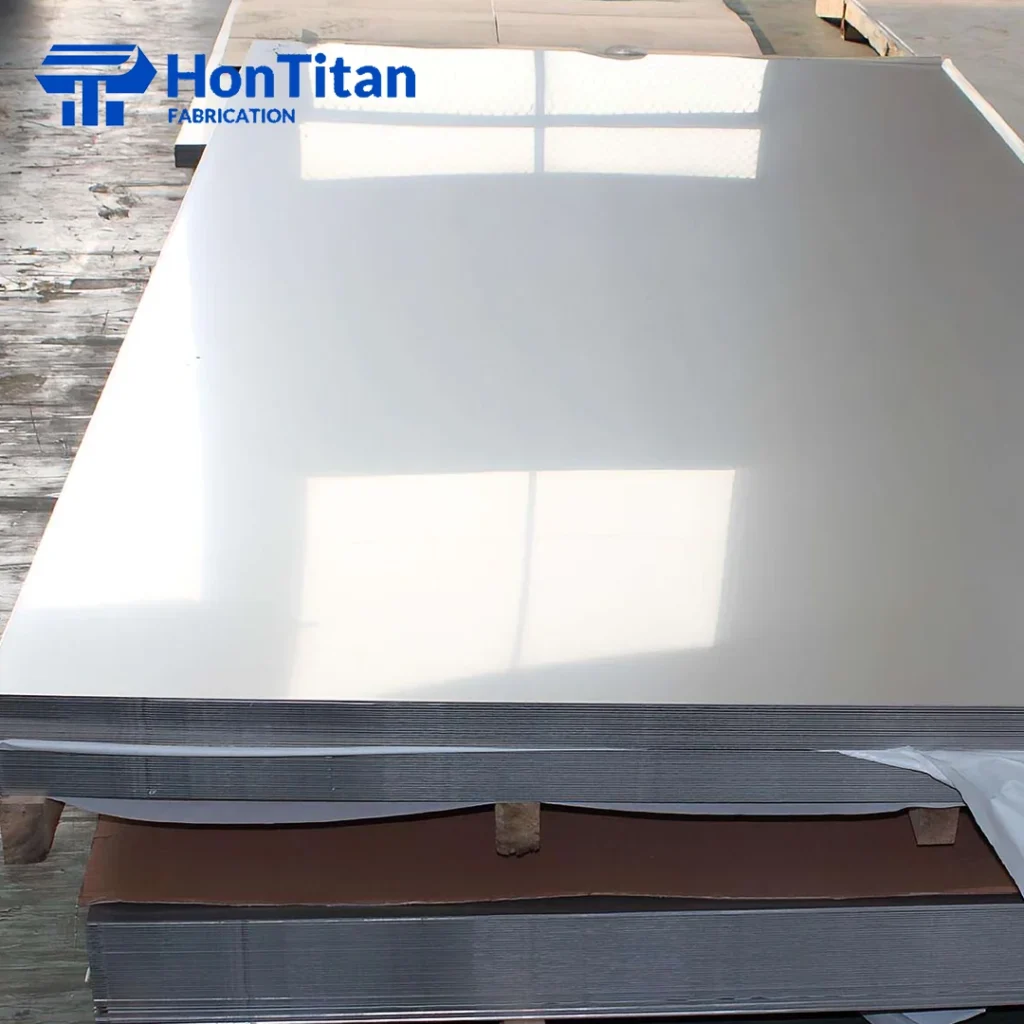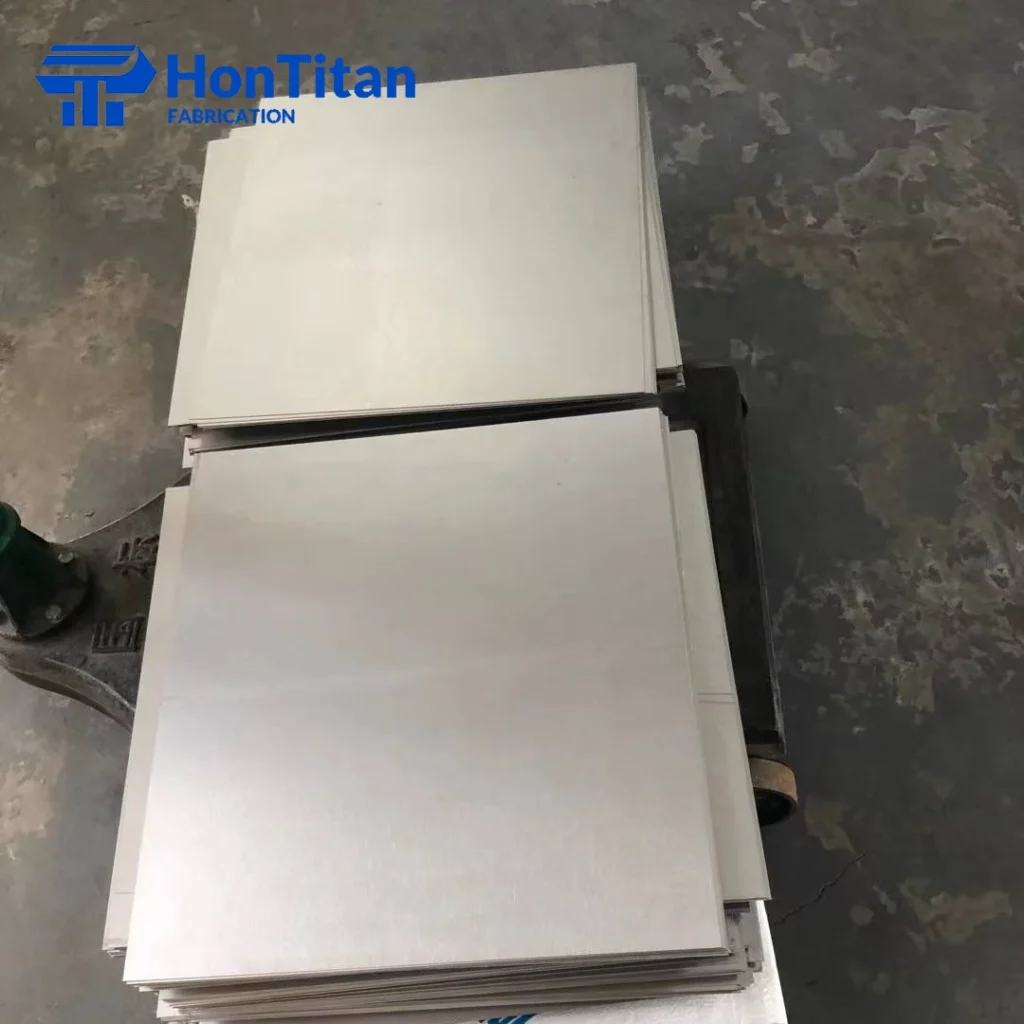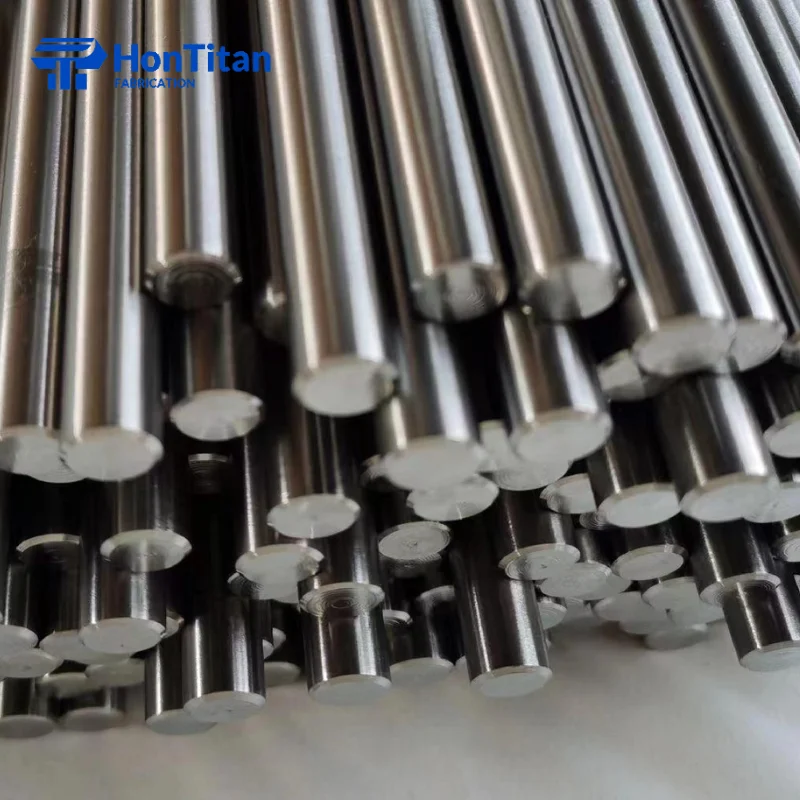
You might wonder, is titanium stronger than steel? Materials science defines absolute strength as the maximum weight a material can support, without considering its size or density. In contrast, strength-to-weight ratio measures how strong a material is compared to its density. This ratio matters most when you need something that is both strong and lightweight, such as in aerospace or automotive engineering.
Is titanium stronger than steel: strength-to-weight ratio
Titanium vs steel: weight and density
When you compare titanium and steel, you notice a big difference in their weight. Titanium feels much lighter than steel, even if you hold two pieces of the same size. This happens because titanium has a much lower density. Take a look at the table below to see how their densities compare:
| Material | Density (g/cm³) | Density (kg/m³) |
|---|---|---|
| Commercially Pure Titanium | 4.5 | 4420 |
| Steel | 7.8 – 8.0 | 7800 – 8000 |
You can see that steel is almost twice as dense as titanium. For the same volume, steel will always weigh more. Here are some quick facts:
- Titanium has a density of about 4.5 g/cm³.
- Steel has a density of about 7.8 g/cm³.
- Titanium is about 1.7 times lighter than steel for the same volume.
This means if you build something out of titanium instead of steel, you can make it much lighter without making it weaker. That is why engineers often choose titanium for airplanes, rockets, and race cars. In these fields, every pound saved can make a huge difference.
Tip: When you need to reduce weight but keep strength, titanium often becomes the best choice.
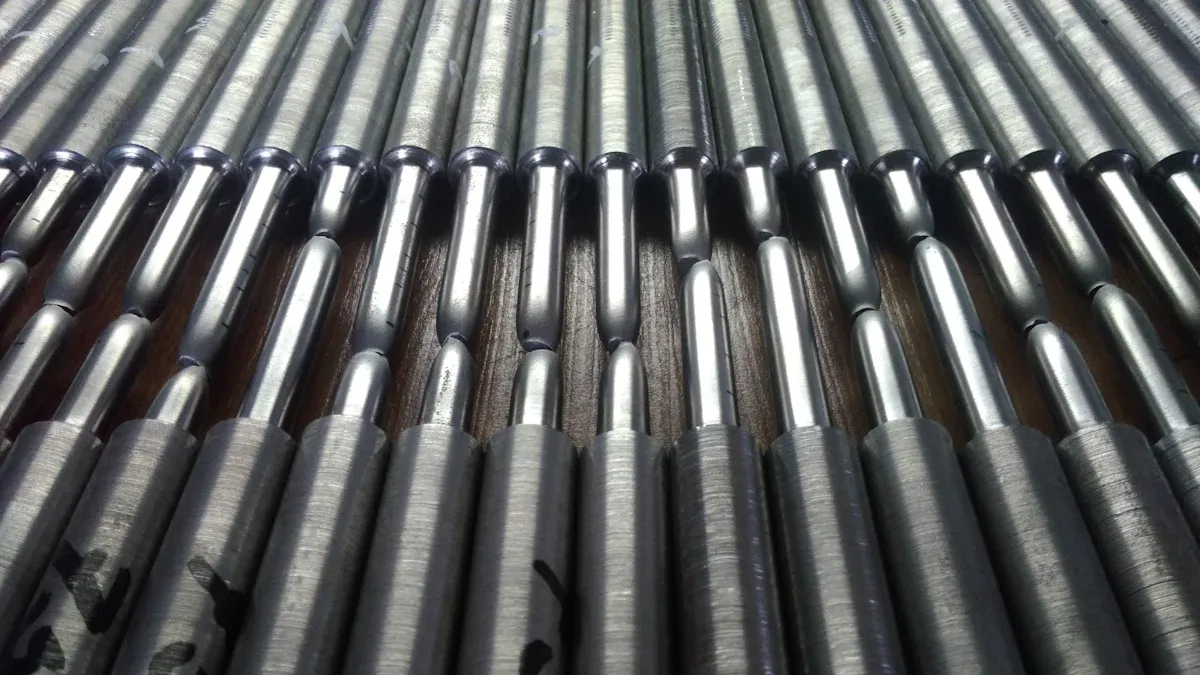
Comparing strength per unit mass
Now, let’s look at how strong each material is when you consider their weight. This is called the strength-to-weight ratio. Many people ask, is titanium stronger than steel? The answer depends on what you mean by “stronger.” If you look at total strength, steel can be stronger. But if you compare strength per unit of weight, titanium usually wins.
Here is a table that shows the strength and weight comparison:
| Material | Strength (MPa) | Weight Comparison |
|---|---|---|
| Steel (automotive) | 800-900 | Heavier |
| Titanium Alloy (Ti185) | ~1700 | Lighter (almost half) |
Titanium alloys can have tensile strengths from 210 MPa up to 1380 MPa, which matches or even beats many types of steel. Because titanium weighs so much less, its strength-to-weight ratio is much higher. This means you can use less material to get the same strength, or you can make a part much lighter without losing safety.
In aerospace engineering, this advantage becomes clear. Titanium’s low density and high strength help build lighter airplanes and spacecraft. Lighter vehicles use less fuel and can carry more cargo. Titanium also resists fatigue and high temperatures, which makes it perfect for jet engines and other demanding parts.
So, is titanium stronger than steel? If you care about strength-to-weight ratio, titanium often comes out on top. You get a material that is both strong and light, which is why it is so valuable in advanced engineering.
Absolute strength vs strength-to-weight
Steel’s total strength advantage
When you look at raw strength, steel often comes out ahead. Steel can reach very high levels of tensile strength, especially when you use special alloys or heat treatments. Some tool steels can handle forces above 2000 MPa. This makes steel the top choice for heavy-duty jobs. You see steel in bridges, skyscrapers, and machine frames because it can support huge loads without bending or breaking. Steel also has a high modulus of elasticity, which means it resists deformation under pressure. In static structures, like buildings or bridges, the extra weight of steel does not matter as much. The structure can support the load, so engineers choose steel for its unbeatable strength and reliability.
Note: Steel’s strength and stiffness make it ideal for columns, beams, and other parts that must hold up heavy weights for many years.
Titanium’s relative strength benefits
Titanium shines when you need strength without the extra weight. Its strength-to-weight ratio is much higher than steel’s. Titanium weighs about 60% as much as steel, but it can still match or beat many steels in strength. This makes titanium perfect for airplanes, rockets, and satellites. When you use titanium, you can build lighter aircraft that fly farther and use less fuel. In the medical field, titanium’s strength-to-weight ratio helps create implants that are both strong and comfortable for patients. You find titanium in pacemakers, joint replacements, and surgical tools because it is light, strong, and safe for the body.
- Titanium’s low density means you get more strength for less weight.
- Aerospace engineers use titanium to make lighter, more efficient planes.
- Medical device makers choose titanium for implants that last and feel natural.
However, titanium does have limits. High-strength steels still beat titanium in total strength, which matters for construction. Titanium also costs more and is harder to work with, so you rarely see it in large buildings or bridges.
So, is titanium stronger than steel? If you want the highest possible strength, steel usually wins. If you need the best strength for the lowest weight, titanium takes the lead.
Practical uses: choosing titanium or steel
When titanium is best
You often see titanium used when engineers need a material that is both strong and light. In aerospace, titanium helps build aircraft frames that can handle high stress while staying lightweight. This makes planes more fuel-efficient and able to carry more cargo. The table below shows where titanium stands out:
| Application Area | Reason for Titanium Preference |
|---|---|
| Aircraft frame fabrication | High strength-to-weight ratio, excellent corrosion resistance, thermal stability up to 600°C |
| Medical implants | Biocompatibility, corrosion resistance to bodily fluids, non-toxicity for long-term use |
| Marine applications | Great corrosion resistance in seawater, reducing operational costs in harsh environments |
| Chemical processing | Excellent resistance to corrosion under acidic and chloride-rich environments |
Titanium’s biocompatibility makes it the top choice for medical implants, such as hip replacements and dental implants. You also find titanium in surgical tools and lightweight wheelchairs. Its density is close to human bone, which helps with healing and comfort. In the marine industry, titanium resists corrosion from seawater, so ships and submarines last longer.
You might use titanium in products where every ounce matters. For example, lightweight bicycles, golf club heads, and even everyday carry tools like flashlights and multi-tools use titanium for its strength and low weight.
Tip: If you need a material that stays strong in extreme conditions or inside the human body, titanium is often your best option.
When steel is preferred
Steel remains the top choice for many projects because of its high absolute strength, lower cost, and easier processing. You see steel in buildings, bridges, and cars. It supports heavy loads and resists bending, which is important for construction and automotive safety.
| Material | Cost per Pound | Strength-to-Weight Ratio | Corrosion Resistance | Applications |
|---|---|---|---|---|
| Titanium | $4.00+ | High | Excellent | Aerospace, Medical |
| Steel | $0.50 – $2.00 | Moderate | Moderate | Construction, Automotive |
Steel is easier to machine and weld than titanium. This means you can shape it into parts for cars, buildings, and machines without special tools. You also save money because steel costs less and is widely available. For large-scale projects, steel’s lower price and high recycling rate make it the practical choice.
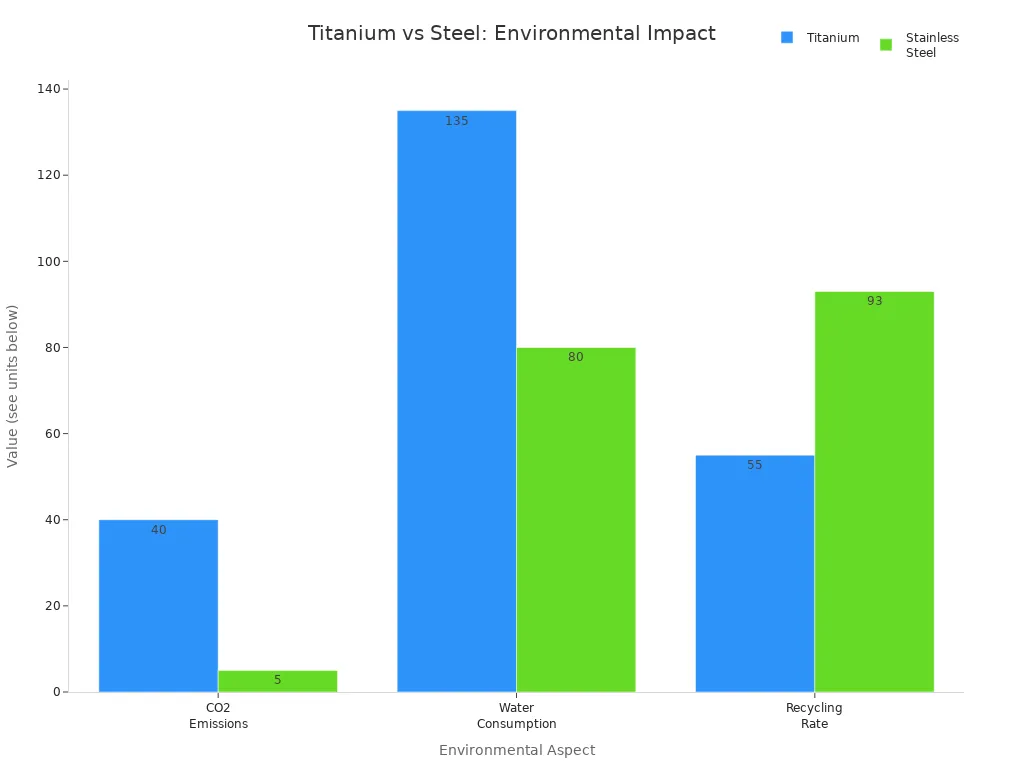
Note: Steel production uses less energy and water than titanium, and it has a higher recycling rate. This makes steel a better option for the environment in many cases.
So, is titanium stronger than steel? You need to think about your project’s needs. Choose titanium for lightweight, high-performance, or medical uses. Pick steel for cost-effective, strong, and large-scale construction.
You have learned three key facts about titanium and steel. The table below shows how they compare:
| Key Factor | Titanium | Steel |
|---|---|---|
| Strength-to-weight ratio | Higher, better for weight reduction | Lower, less suitable for weight-sensitive applications |
| Corrosion resistance | Superior, ideal for harsh environments | Moderate, can rust under specific conditions |
| Cost | Generally higher | More cost-effective, suitable for large-scale projects |
So, is titanium stronger than steel? Titanium gives you a better strength-to-weight ratio, but steel offers higher absolute strength and lower cost. When you choose between them, think about these tips:
- Match your choice to your project’s needs.
- Use steel for budget-friendly and heavy-duty jobs.
- Pick titanium for lightweight and corrosion-resistant designs.
FAQ
Is titanium always better than steel for strength?
Titanium gives you a higher strength-to-weight ratio. Steel offers greater absolute strength. You should choose titanium for lightweight designs. You should pick steel for heavy-duty projects.
Can you weld titanium as easily as steel?
You need special equipment to weld titanium. Steel is easier to weld with standard tools. Titanium requires a clean environment to prevent contamination.
Why does titanium cost more than steel?
Titanium costs more because you need complex extraction and processing methods. Steel uses simpler production steps. You pay extra for titanium’s unique properties.
Does titanium rust like steel?
Titanium resists corrosion and does not rust. Steel can rust if exposed to moisture and air. You should use titanium in harsh or wet environments.