No, solid titanium is not toxic. In fact, it is widely recognized by the medical and scientific communities as one of the safest and most biocompatible metals on Earth.
Whether you are preparing for a dental implant or joint replacement surgery, struggling with sensitive skin and looking for hypoallergenic jewelry, or researching the healthiest cookware for your family, worrying about heavy metal toxicity is completely justified. Introducing any foreign metal into your body or your kitchen naturally raises red flags.
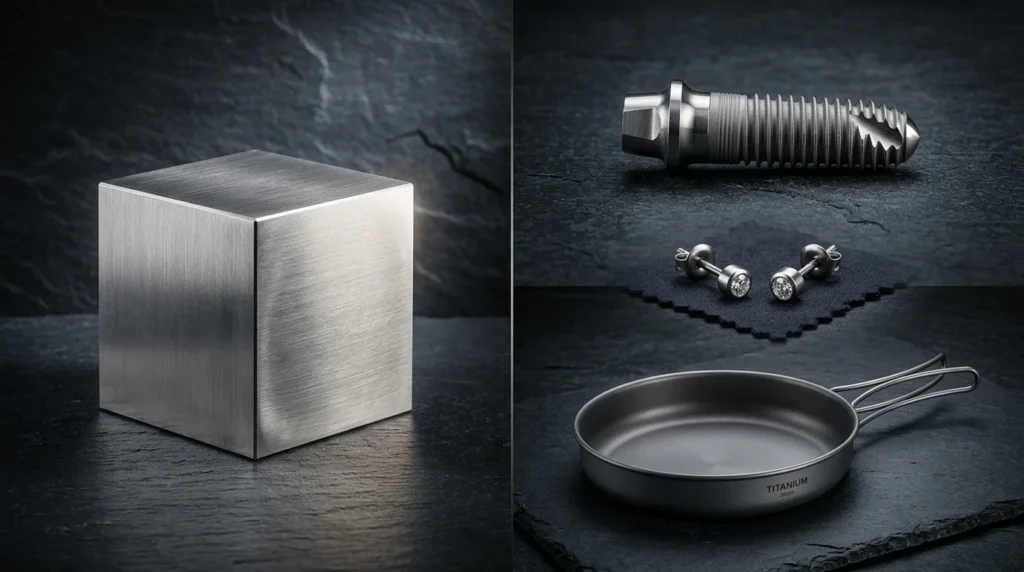
However, you can breathe a sigh of relief. Unlike reactive metals such as nickel, lead, or cheap surgical steel alloys, solid titanium does not poison the human body, leach harmful chemicals into your food, or break down over time.
In this ultimate guide, we will dive into the fascinating science of what makes titanium exceptionally safe, how it interacts with your body across different daily uses, and the extremely rare exceptions you should be aware of before making a medical or purchasing decision.
The Scientific Basis of Titanium Biocompatibility
To answer the common question of whether titanium is safe for the human body, we have to look at a unique “superpower” this metal possesses: its extreme biocompatibility.
But what does biocompatibility actually mean in plain English? Why doesn’t the human body reject it like a splinter or other toxic heavy metals? The answer lies in two fascinating scientific concepts:
1. Spontaneous Passivation: The Titanium Oxide Layer
The real secret to titanium’s safety isn’t just the metal itself, but what happens when it touches oxygen. The very millisecond raw titanium is exposed to air, water, or even the fluids in your body, it instantly forms a microscopic, impenetrable film on its surface called an oxide layer.
Think of this oxide layer like a protective force field. It completely seals off the raw metal inside, preventing it from ever making direct contact with your internal tissues or your skin. If this layer gets scratched, the titanium simply grabs more oxygen and immediately “heals” its shield.
2. Bioinert Properties and Immunological Neutrality
Because of this indestructible oxide shield, titanium is considered bioinert. In simple terms, this means the metal is chemically “anti-social.”
When you introduce cheap metals (like nickel or copper) into the body, they react with your sweat, blood, or stomach acid. They begin to corrode, rust, and release metallic ions that trigger an immune system attack—this is what we experience as an allergy or toxicity.
Titanium, however, refuses to participate. It will not react, rust, or corrode in the harsh, salty environment of the human body. Because it doesn’t release harmful ions, your immune system doesn’t recognize it as a toxic invader. Instead of attacking the metal, your body simply ignores it.
Clinical Applications: Orthopedic and Dental Implants
For over 50 years, titanium has been the “gold standard” in the medical world. If you are scheduled for a dental implant or an orthopedic surgery (like a hip or knee replacement), you are likely receiving a titanium alloy. But why do surgeons trust it so much?
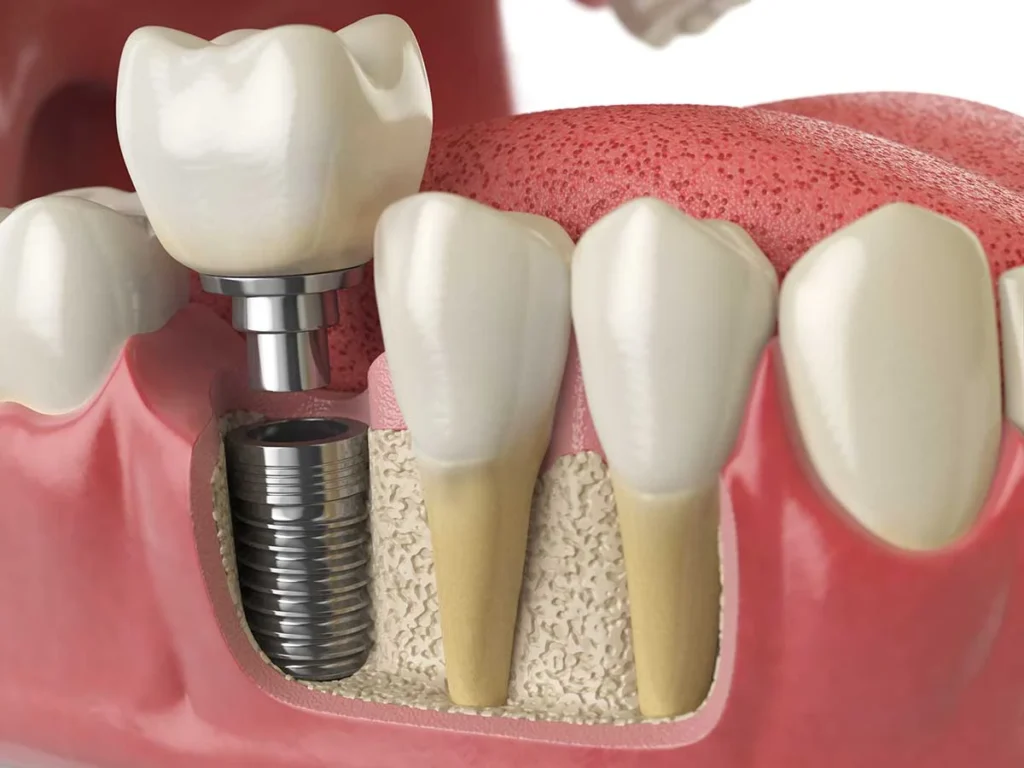
The Mechanism of Osseointegration
Titanium isn’t just “safe”—it is one of the few materials in the world that can perform a biological miracle called osseointegration.
Unlike other metals that the body tries to wall off with scar tissue, titanium allows living bone to grow directly onto its surface. Your bone cells actually “shake hands” with the titanium post, fusing with it so tightly that the implant becomes a permanent part of your skeleton. This is why titanium dental implants can last a lifetime without causing systemic toxicity.
Evaluating Systemic Risks and Implant Failure Rates
While the metal itself is non-toxic, many patients worry about titanium implant side effects. Statistically, the success rate for titanium implants is over 95%. It does not cause cancer, it isn’t magnetic (it’s safe for MRI scans), and it doesn’t “leak” heavy metals into your bloodstream like older mercury fillings or lead-based alloys once did.
Type IV Hypersensitivity: Identifying Titanium Allergies
We must address the elephant in the room: Can you be allergic to titanium? The answer is yes, but it is extremely rare. Scientific studies published on the NCBI estimate that only about 0.6% of the population suffers from titanium hypersensitivity (a Type IV delayed-type hypersensitivity).
Symptoms of a titanium allergy are often localized rather than systemic, and may include:
- Redness or swelling around the implant site.
- Unexplained skin rashes or hives (eczema).
- Slow healing or “loosening” of the implant for no apparent reason.
- Chronic pain or inflammation in the jaw or joint.
Pro Tip: If you have a history of severe metal allergies (especially to nickel or jewelry), you can request a MELISA test (Memory Lymphocyte Immunostimulation Assay) before surgery. This specialized blood test can confirm if your immune system reacts to titanium before it’s even placed in your body.
Dermatological Safety: Body Piercings and Hypoallergenic Jewelry
If you’ve ever worn a pair of earrings and taken them off a few hours later with red, itchy, or swollen earlobes, you are not alone. Metal allergies are incredibly common, and the usual culprit is nickel—a cheap metal mixed into most fashion jewelry.
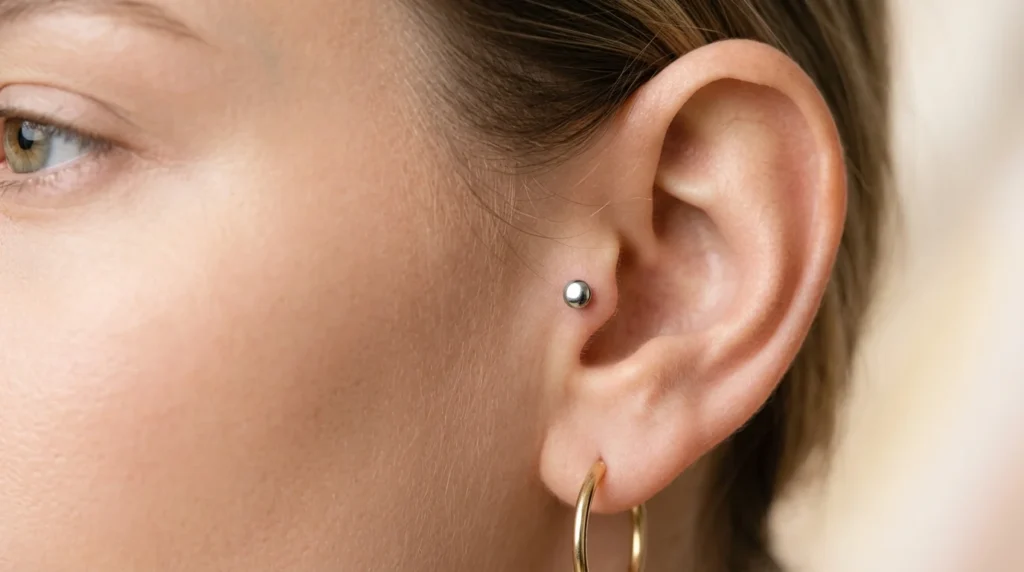
Because of these widespread allergies, many people ask: is titanium jewelry hypoallergenic? The answer is a resounding yes. Because titanium is 100% nickel-free and completely bioinert (as we discussed earlier), it will not react with your sweat or body oils. It won’t tarnish, it won’t turn your skin green, and it is widely considered the absolute safest metal for sensitive skin.
ASTM F136 Implant-Grade Titanium vs. Surgical Steel Alloys
When you walk into a piercing studio, you will usually be offered two choices for a fresh piercing: surgical steel or titanium.
A massive misconception in the jewelry world is that “surgical steel” is the safest option. While it sounds medical and official, the truth is that even high-quality surgical steel contains trace amounts of nickel. For people with severe sensitivities, the nickel trapped in surgical steel can still leach out and cause nasty infections and delayed healing in fresh piercings.
This is why organizations like the Association of Professional Piercers (APP) heavily advocate for implant-grade titanium. But you can’t just buy any titanium. You need to look for a specific grade: ASTM F136.
- What is ASTM F136? This is the exact same medical-grade titanium alloy used in surgical bone implants.
- Why does it matter? If you ask the question, “is implant grade titanium safe?”, this certification is your guarantee. It means the metal has been rigorously tested and proven to have zero toxic reactions when placed permanently inside the human body.
Pro Tip: If you are getting a new piercing or shopping for jewelry to stop your ears from itching, skip the “stainless steel” or “hypoallergenic” mystery metals. Always ask your piercer or jeweler specifically for ASTM F136 Implant-Grade Titanium.
Culinary Applications: Thermal Stability and Food Safety
Beyond hospitals and jewelry studios, titanium is rapidly taking over high-end kitchens and ultralight camping gear. From premium frying pans to outdoor camping mugs, people are paying top dollar for this metal. But when it comes to heating it up on a stove, a crucial question arises: is titanium cookware safe?
For health-conscious cooks, the biggest fear is heavy metal toxicity. We’ve all heard the horror stories about cheap Teflon coatings flaking off into our eggs, or aluminum pans reacting with acidic ingredients.
Analyzing Heavy Metal Leaching and Acid Resistance
The short answer is absolutely not. To understand why, we need to revisit that indestructible “invisible shield” (the oxide layer) we talked about earlier.
When you cook with highly acidic foods—like simmering a rich tomato sauce, squeezing lemon juice, or deglazing with vinegar—lesser metals struggle. Cast iron can strip its seasoning, and bare aluminum will actually react with the acid, changing the taste of your food and leaching metallic compounds into your meal.
Titanium, however, remains completely bioinert even under extreme culinary stress.
- High Heat Resistance: Titanium can withstand incredibly high temperatures without warping, degrading, or releasing any toxic fumes (unlike non-stick PTFE/Teflon pans, which can release harmful gasses if overheated).
- Zero Leaching: Because of its stable oxide layer, titanium does not react with acidic or alkaline foods. It will never alter the flavor of your dish, and more importantly, it does not leach heavy metals or toxins into your food, no matter how long you boil it.
If you are looking for a lifetime investment for a non-toxic kitchen, pure titanium (or titanium-clad cookware) is arguably the safest, cleanest metal you can cook on.
Pro Tip: Be careful of deceptive marketing. Some cheap pans are advertised as “Titanium pans,” but they are actually just aluminum pans covered with a thin, titanium-infused non-stick coating. If you want true safety and zero leaching, look for cookware made of pure, uncoated titanium.
Material Classification: Solid Titanium vs. Titanium Dioxide (TiO₂)
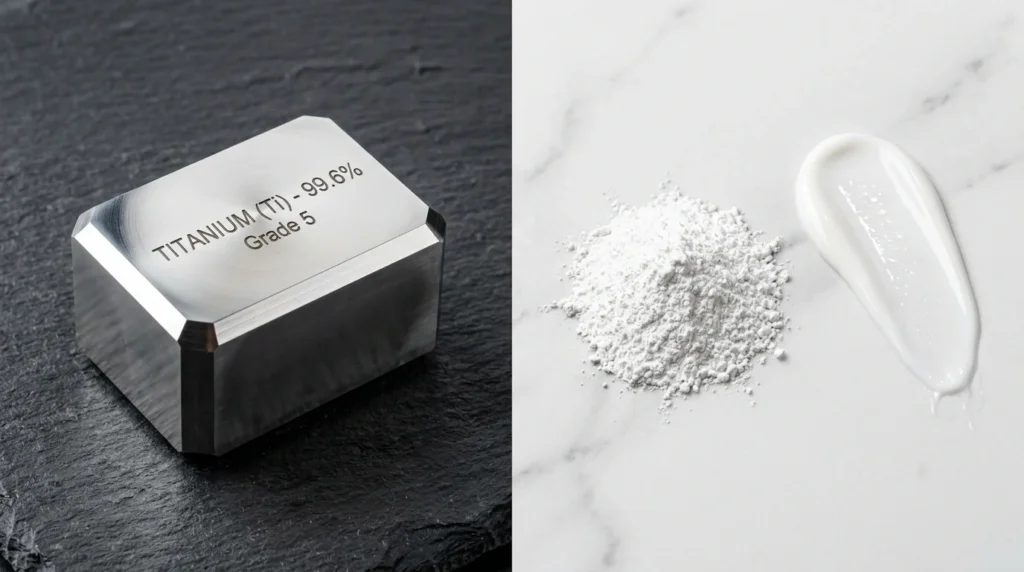
If titanium is so universally safe for implants, jewelry, and cookware, why are there scary news articles claiming it causes cancer or toxicity?
This is the biggest source of confusion on the internet. To find the truth, we must clearly separate the solid metal from the chemical compound. When articles discuss “titanium toxicity,” they are almost never talking about the solid metal. They are talking about Titanium Dioxide (TiO₂) or industrial dust.
Here is the ultimate breakdown to clear the confusion at a glance:
| Titanium Form | Common Applications | Toxicity Risk Level | Key Health Verdict |
|---|---|---|---|
| Solid Metallic Titanium | Implants, ASTM F136 jewelry, cookware | Zero | 100% Bioinert and safe for the human body. |
| Titanium Dioxide (TiO₂) | Sunscreens, cosmetics, toothpaste, pigments | Low to Moderate | Safe topically (FDA). Debatable and potentially harmful if inhaled or ingested in nano-particle form (EFSA). |
| Industrial Titanium Dust | Factories, aerospace manufacturing | High (If inhaled) | Occupational hazard. Causes severe lung irritation; requires respiratory protection. |
1. Solid Metallic Alloys (Zero Toxicity)
- Where you find it: Dental implants, joint replacements, ASTM F136 body jewelry, and premium cookware.
- Toxicity Level: Zero.
- The Verdict: As we’ve extensively covered, in its solid, metallic form, titanium is bioinert and incredibly safe for the human body.
2. Titanium Dioxide (TiO₂) Particulates (Topical vs. Inhalation Risks)
- Where you find it: It is a bright white powder used as a pigment in physical sunscreens, cosmetics, toothpaste, and even some candies and pills.
- Toxicity Level: Low to Moderate (depending on exposure).
- The Verdict: The FDA (U.S. Food and Drug Administration) considers Titanium Dioxide safe for use in cosmetics and sunscreens because it sits on top of the skin and reflects UV rays without being absorbed. However, controversy arises with nano-sized TiO₂ particles. While applying it to your skin is fine, inhaling aerosolized TiO₂ sprays or consuming large amounts of it as a food additive has raised health concerns in recent years, leading authorities like the European Food Safety Authority (EFSA) to ban it as a food additive.
3. Industrial Titanium Dust (Occupational Respiratory Hazards)
- Where you find it: Factories, metalworking shops, and aerospace manufacturing.
- Toxicity Level: High (if inhaled).
- The Verdict: You cannot get titanium toxicity from wearing a ring. However, if you are a machinist grinding solid titanium blocks, the microscopic metal dust created in the air is highly abrasive. According to safety guidelines from agencies like OSHA (Occupational Safety and Health Administration), inhaling titanium dust over long periods can cause severe lung irritation and respiratory disease.
Frequently Asked Questions (FAQ)
Can you get titanium toxicity in your body?
No. Solid titanium used in medical implants, jewelry, or cookware will not cause heavy metal toxicity. The human body’s fluids cannot break it down or dissolve it. Toxicity is only a documented risk if you chronically inhale microscopic, industrial titanium dust over long periods.
Does titanium jewelry tarnish or turn your skin green?
Never. Titanium is completely bioinert and highly corrosion-resistant. It will not oxidize, rust, or react with your sweat or body oils. This means it will never tarnish or leave those annoying green or black marks on your skin, making it perfect for daily wear.
Is titanium safer than stainless steel?
Yes, significantly safer. Even the highest-quality “surgical stainless steel” contains trace amounts of nickel, which is a leading cause of metal allergies. Medical-grade titanium (like ASTM F136) is 100% nickel-free, making it the undisputed safer choice for medical implants and fresh body piercings.
Final Verdict on Titanium Safety
So, is titanium toxic? The resounding answer is no. When dealing with solid, metallic titanium, you are looking at one of the safest, most biocompatible, and durable materials on the planet.
Whether it is quietly holding a fractured bone together, keeping a new ear piercing free from infection, or helping you cook a healthy meal over a campfire, titanium is a metal you can implicitly trust. The only time you need to exercise caution is when handling industrial dust or navigating the controversies surrounding nano-sized titanium dioxide powders.