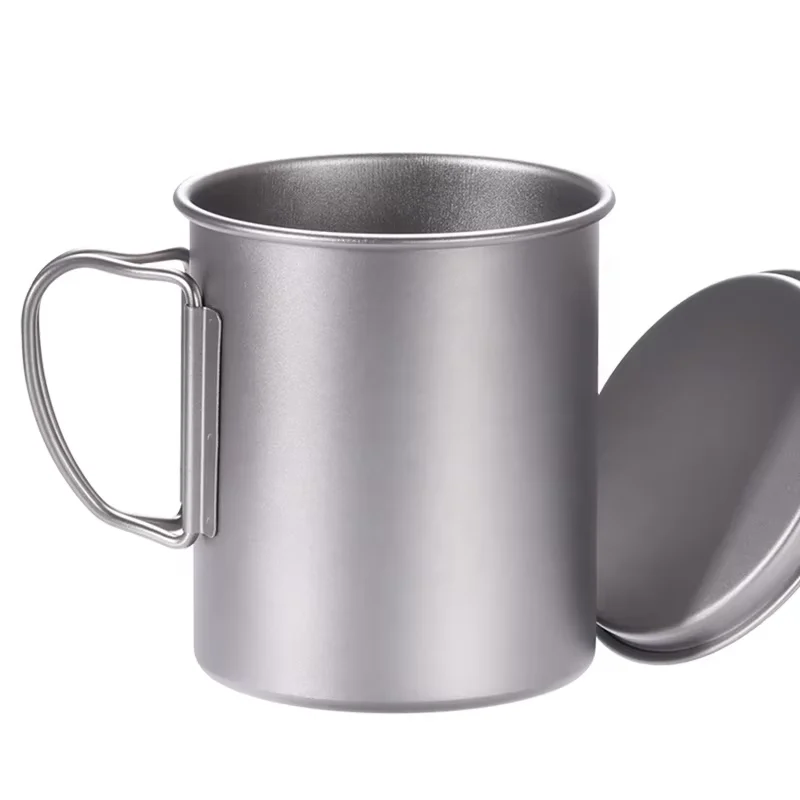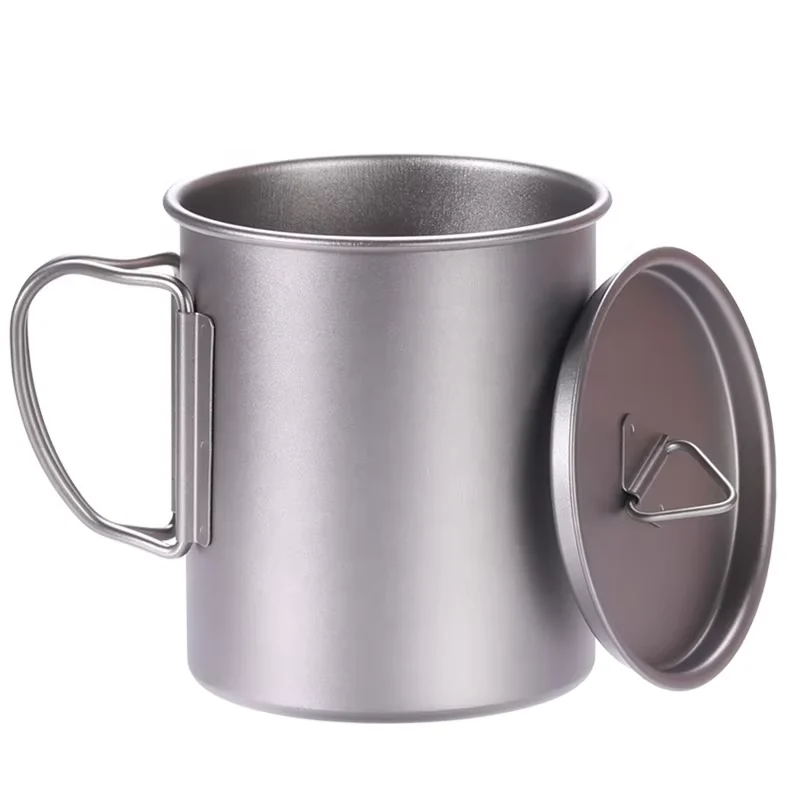
Titanium is already a marvel of modern metallurgy, celebrated for its unique blend of lightness, strength, and durability. But what if you could take an already exceptional material and elevate its performance even further? That’s where anodized titanium comes in. This fascinating process transforms the surface of titanium, unlocking a host of additional advantages that make it indispensable across numerous industries, from medical implants to high-end consumer goods.
In this article, we’ll explore the fundamental science behind anodized titanium and delve into its seven most compelling benefits. Whether you’re a student curious about material science, an engineer seeking advanced solutions, or simply interested in how everyday products are made better, understanding these advantages will reveal why anodized titanium is often the superior choice.
What is Anodized Titanium? (A Quick Overview)
Before we dive into the benefits, let’s quickly understand what titanium anodizing is. Imagine a controlled electrochemical process that creates a protective oxide layer on the surface of titanium. This isn’t just a coating that sits on top; it’s an integral part of the metal itself, grown from the titanium substrate. When titanium is submerged in an electrolyte solution and an electrical current is applied, the titanium acts as the anode (positive electrode), causing a transparent, porous oxide film to form. This film is extremely thin—often just a few nanometers to micrometers thick—but incredibly robust and tightly bonded to the base metal.
Unlike paints or traditional platings, this oxide layer doesn’t add significant weight or change the underlying mechanical properties of the titanium, but it dramatically enhances its surface characteristics. This unique process is key to understanding the profound advantages we are about to discuss.
The 7 Core Benefits of Anodized Titanium
1. Exceptional Corrosion Resistance
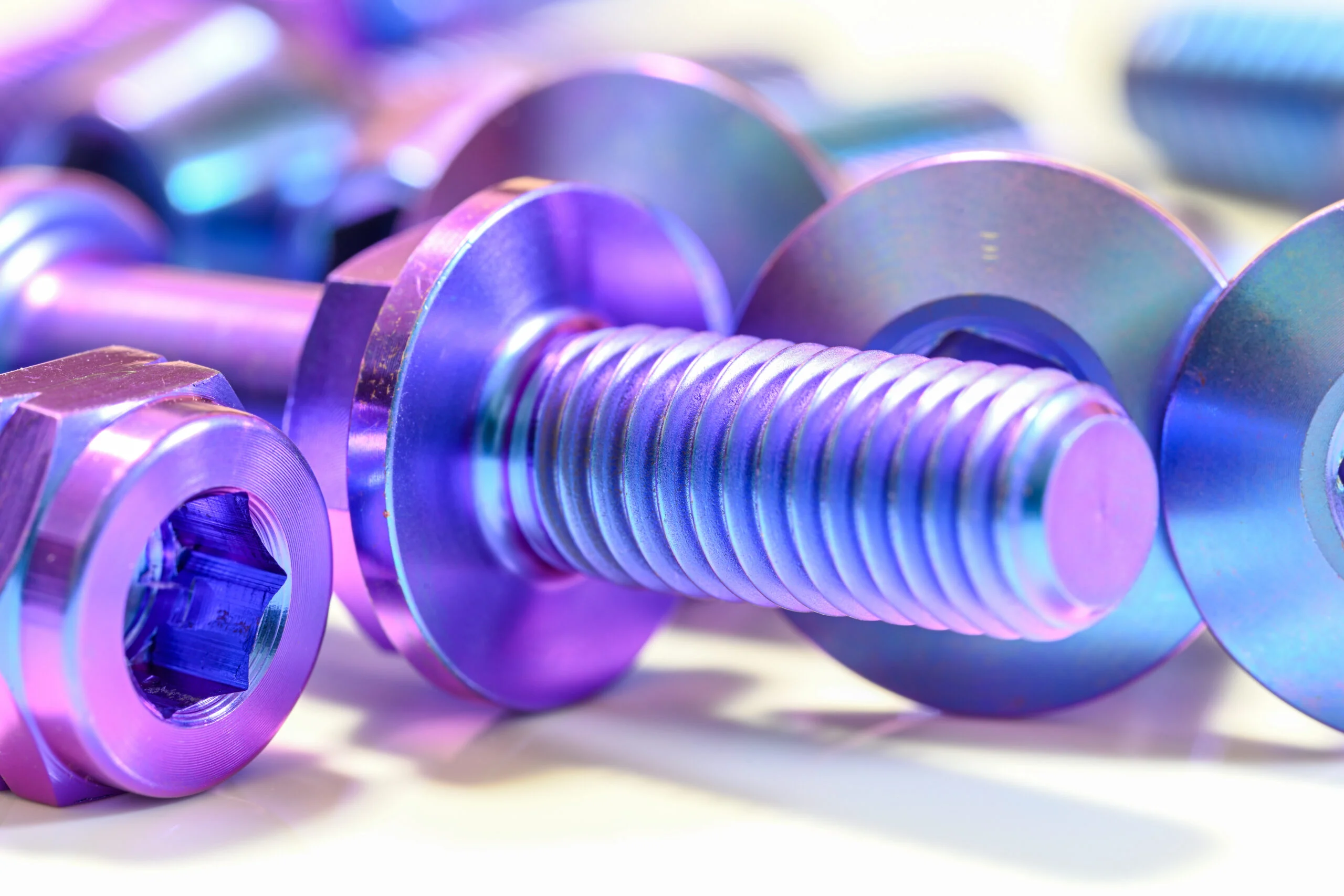
Titanium is renowned for its natural resistance to corrosion, especially in harsh environments like saltwater or acidic solutions. This is primarily due to a thin, passive oxide layer that naturally forms on its surface when exposed to air. However, anodizing takes this protection to an entirely new level. The anodizing process intentionally thickens and strengthens this passive layer, creating a more uniform and robust barrier. This enhanced layer provides superior protection against chemical attack, saltwater, and bodily fluids, making anodized titanium an ideal material for applications where longevity in aggressive conditions is paramount. For instance, in marine engineering, anodized titanium components resist degradation far better than many other metals, extending the lifespan of critical parts. (Source: AZoM)
2. Enhanced Biocompatibility for Medical Use
One of titanium’s most celebrated qualities is its biocompatibility—its ability to coexist harmoniously with living tissue without causing adverse reactions. This makes it a go-to material for medical implants like dental posts, orthopedic devices, and surgical instruments. Anodizing further refines this crucial characteristic. The oxide layer created during anodization makes the titanium surface even more inert and less prone to releasing metal ions into the body. This reduces the risk of inflammation or rejection, promoting better integration with bone and tissue. According to studies, specific anodizing treatments can even promote osteointegration, meaning the bone grows directly onto the implant surface. This superior biological response is why anodized titanium is increasingly preferred for long-term implants, ensuring patient safety and treatment success. (Source: National Center for Biotechnology Information (NCBI))
3. Striking Aesthetic Appeal (Vibrant Colors Without Dyes)
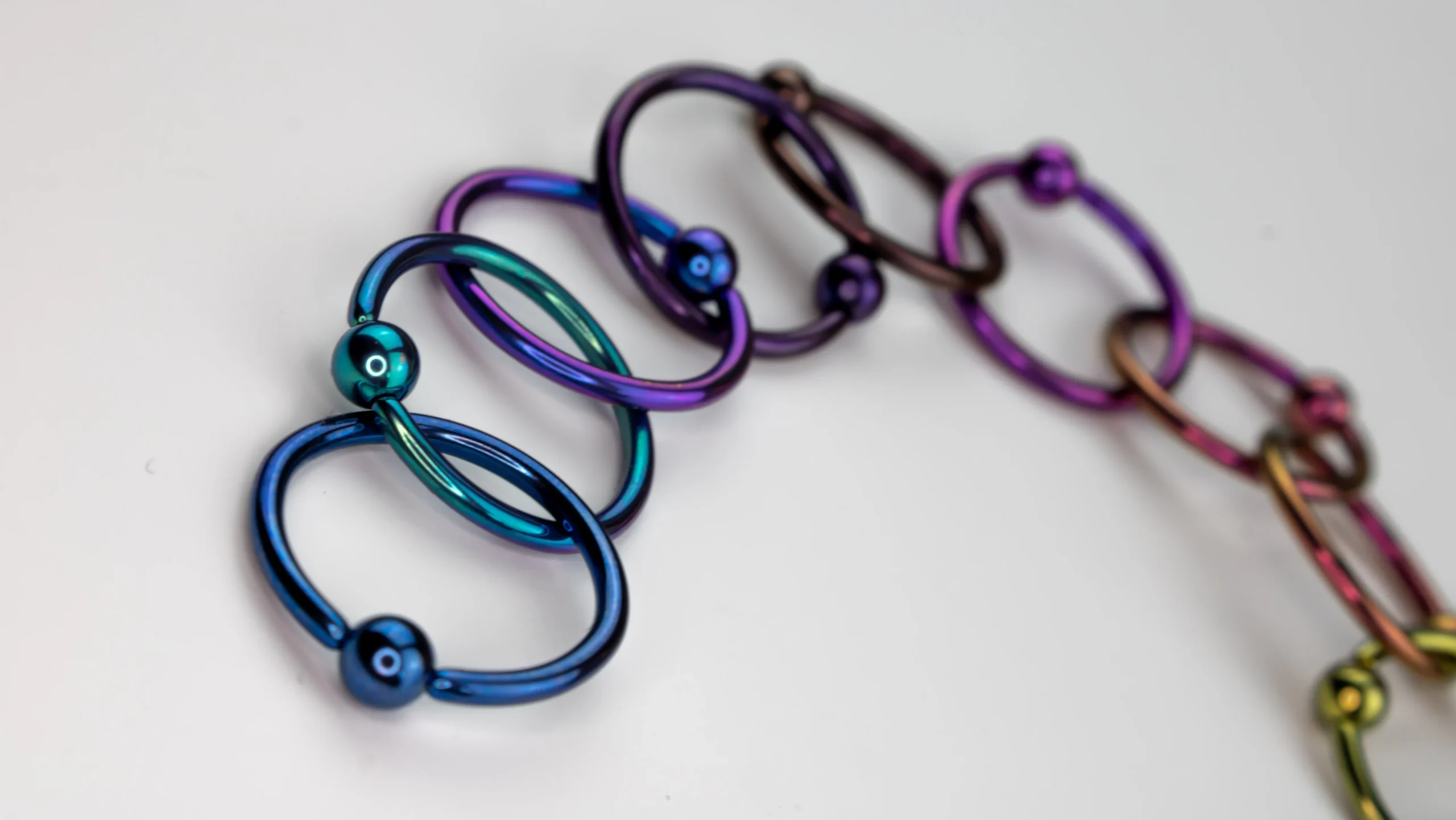
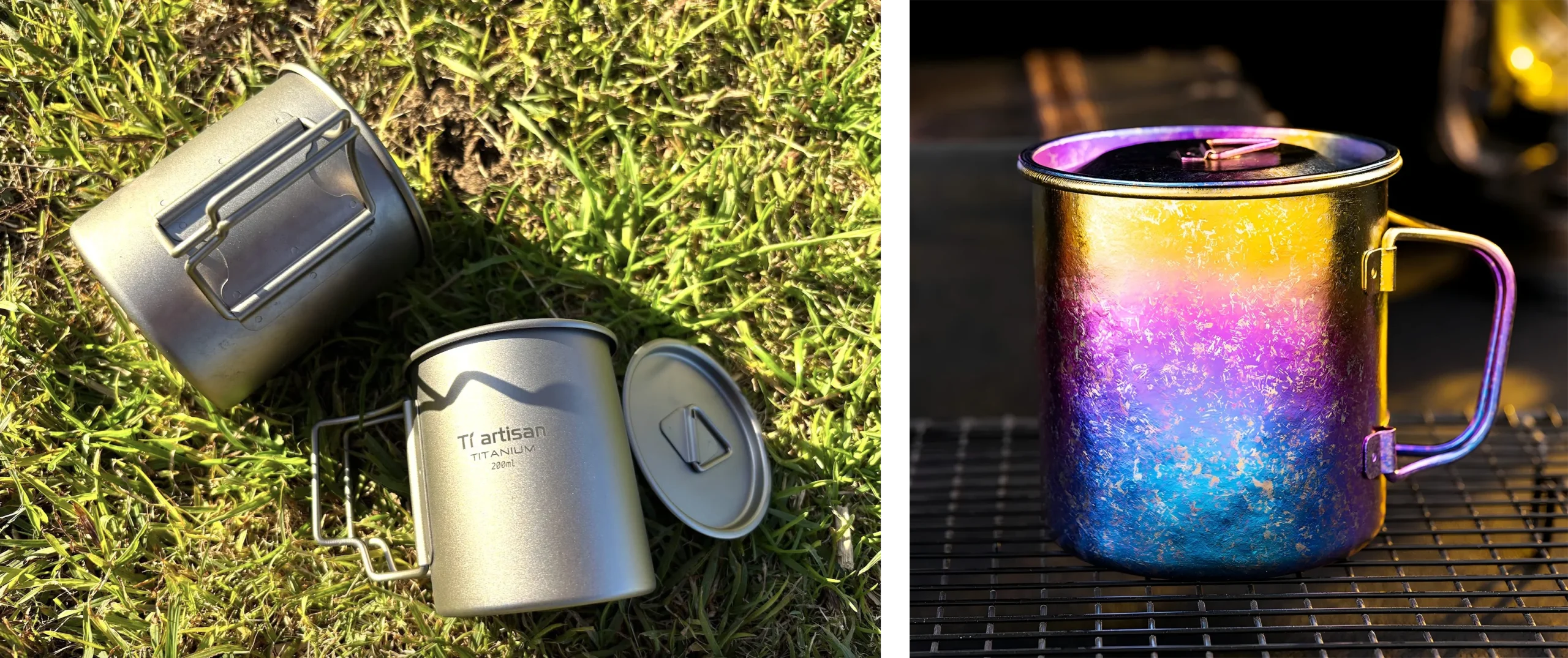
Beyond its functional advantages, anodized titanium offers breathtaking aesthetic possibilities. Unlike other materials that require paints or dyes to achieve color, titanium’s anodized colors are a phenomenon of light interference. By precisely controlling the voltage during the anodizing process, different thicknesses of the transparent oxide layer are created. When light hits this layer, certain wavelengths are reflected, and others are absorbed, resulting in a spectrum of vibrant, iridescent colors—from golden yellows and deep blues to rich purples and greens. Because these colors are inherent to the oxide layer and not a surface coating, they are incredibly durable, fade-resistant, and will not chip or peel. This makes anodized titanium a favorite in industries where both beauty and resilience are desired, such as jewelry, high-end watches, and custom artistic pieces.
4. Increased Surface Hardness and Wear Resistance
While titanium itself is a strong metal, its natural surface can be susceptible to wear and abrasion in certain applications. The anodizing process significantly enhances the surface hardness of titanium. The created oxide layer, typically consisting of titanium dioxide (TiO2), is much harder than the underlying pure titanium. This increased hardness translates directly into improved wear resistance and scratch resistance, prolonging the life of components exposed to friction or abrasive environments. This benefit is particularly valuable in industrial machinery, aerospace components, and consumer products where parts endure repeated contact or high-stress conditions, ensuring they maintain their integrity and appearance over time. For example, NASA has explored anodizing processes to improve the wear resistance of titanium alloys for aerospace applications. (Source: NASA)
5. Electrical Insulation Properties
While metals are generally known for their electrical conductivity, the oxide layer formed during titanium anodizing is an excellent electrical insulator. This characteristic is crucial in applications where electrical isolation is required, preventing current flow or short circuits between components. For example, in certain electronic devices, sensors, or specialized equipment, an electrically insulating yet robust and corrosion-resistant surface is highly desirable. Anodized titanium offers this unique combination, allowing for innovative designs that leverage both the metal’s structural integrity and its surface’s dielectric properties, making it valuable for microelectronics and power-sensitive applications.
6. Reduced Galling and Friction
Titanium, despite its strength, can be prone to “galling” – a form of wear caused by adhesion between sliding surfaces. This often occurs when two metal surfaces rub against each other, leading to material transfer and surface damage. The anodizing process creates a hard, smooth, and distinct oxide layer on the titanium surface, which acts as a barrier to direct metal-to-metal contact. This significantly reduces the coefficient of friction and minimizes the tendency for galling and cold welding between titanium parts or with other materials. This benefit is particularly important for moving parts, threads, fasteners, and components subjected to repetitive mechanical stress, extending their operational life and reducing maintenance requirements in industries like aerospace and automotive, where precision and reliability are paramount. Research into advanced surface treatments like anodizing continually seeks to optimize these tribological properties. (Source: ScienceDirect – Surface and Coatings Technology)
7. Sterilization and Easy Cleaning
In environments demanding the highest levels of hygiene and sterility, anodized titanium stands out. The smooth, non-porous nature of the anodized surface makes it inherently resistant to bacterial adhesion and biofilm formation. This characteristic is invaluable in medical settings, food processing, and laboratory equipment where cleanliness is not just preferred, but critical. Anodized titanium components can withstand repeated cycles of sterilization (e.g., autoclaving) without degradation of their surface properties or color. This ease of cleaning and sterilization ensures that products maintain their hygienic integrity over long periods, contributing to safer practices and reduced risk of contamination across sensitive applications.
Applications Where Anodized Titanium Shines
The remarkable combination of properties offered by anodized titanium makes it a preferred material across a vast array of high-demand applications:
- Medical & Dental: From critical bone implants and dental prosthetics to surgical instruments and external fixation devices, its enhanced biocompatibility and ease of sterilization are unmatched.
- Aerospace & Defense: Used in lightweight structural components, fasteners, and engine parts, where superior corrosion resistance, wear resistance, and strength-to-weight ratio are essential for performance and safety.
- Consumer Goods & Luxury Items: Found in high-end watches, jewelry, eyeglasses, and electronics casings, valued for its vibrant, durable colors and hypoallergenic properties.
- Industrial & Chemical Processing: For equipment exposed to corrosive chemicals or high wear, such as heat exchangers, pumps, and valves, benefiting from its exceptional corrosion resistance.
- Automotive: In performance parts and racing components that require high strength, light weight, and resistance to harsh operating conditions.
Conclusion: A Superior Material for Modern Needs
Titanium is already a high-performance material, but through the process of anodization, its capabilities are dramatically expanded. The seven core benefits we’ve explored—exceptional corrosion resistance, enhanced biocompatibility, stunning aesthetic appeal, increased surface hardness, electrical insulation, reduced galling, and ease of sterilization—collectively make anodized titanium a material of choice for demanding applications worldwide. It’s not just about making titanium look good; it’s about making it perform better, last longer, and open up new possibilities for innovation across industries.
As technology advances and the demand for materials that can withstand extreme conditions while meeting aesthetic and safety requirements grows, anodized titanium will undoubtedly continue to play a pivotal role. Its unique blend of properties offers solutions that few other materials can match, solidifying its position as a truly superior material for our modern needs.
Frequently Asked Questions About Anodized Titanium
Q1: Will the colors of anodized titanium fade over time?
A1: Unlike dyed materials, the colors on anodized titanium are created by light interference through a naturally grown oxide layer. This means they are incredibly durable, UV-stable, and resistant to fading, chipping, or peeling under normal conditions. However, prolonged exposure to harsh chemicals or extreme abrasion can damage the oxide layer, potentially affecting the color.
Q2: Is anodized titanium safe and non-toxic?
A2: Yes, anodized titanium is considered highly safe and non-toxic. The oxide layer is biologically inert, meaning it does not react with body tissues or fluids. This is why it is so widely used in medical implants and body jewelry, making it an excellent choice for individuals with metal sensitivities.
Q3: Can all types of titanium be anodized?
A3: Generally, pure titanium (e.g., Grade 1-4) and alpha-beta alloys like Ti-6Al-4V (Grade 5) are the most common types of titanium that are successfully anodized. The quality and color consistency can vary between different grades, with purer forms often yielding more vibrant and consistent colors.
Q4: Does anodizing change the strength of titanium?
A4: Anodizing is a surface treatment and does not significantly alter the bulk mechanical strength or underlying properties of the titanium metal itself. It primarily affects the surface characteristics, such as hardness, wear resistance, and aesthetic appeal. The oxide layer is extremely thin and does not impact the structural integrity of the component.
Q5: Is anodized titanium expensive?
A5: While the anodizing process adds a cost to the base titanium material, the overall value proposition is often superior due to the enhanced properties it provides. The added benefits like extended lifespan, improved biocompatibility, and aesthetic appeal can outweigh the initial cost, especially in critical applications where performance and reliability are paramount.
Ready to Elevate Your Projects with Anodized Titanium?
You’ve learned all about the incredible advantages of anodized titanium, from its unmatched durability and safety to its stunning visual versatility. If these benefits sound like what your next project needs, you’re in the right place!
At HonTitan, we live and breathe titanium. We offer a comprehensive, end-to-end service for all things titanium, ensuring you get exactly what you need. Whether you’re in aerospace, medical, industrial, or even designing a custom consumer product, our expertise covers it all. We pride ourselves on maintaining a substantial inventory of high-quality titanium raw materials, ready to meet diverse project demands.
But here’s where we really shine: we don’t just sell titanium; we provide tailored solutions. We understand that every project has unique requirements, and our team is dedicated to crafting the perfect titanium solution, customized just for you.
Ready to turn your vision into reality? Don’t hesitate! Visit hontitan.com today and send us your specific needs. Our experts are standing by to offer personalized advice and help you unlock the full potential of titanium for your application. Consider HonTitan your go-to partner for bespoke titanium solutions, where quality and your satisfaction are always our top priorities.