Tired of that favorite silver necklace turning a dull, disappointing black? Worried a new wedding band will irritate your skin or, even worse, leave an embarrassing green stain on your finger?
You’re not alone. The frustration of investing in a piece of jewelry only to see it degrade over time is a universal experience. It leads to the constant question: Is there a metal out there that’s truly built to last, one that won’t demand constant polishing or cause an allergic reaction?
Let’s cut straight to the chase: No, pure titanium does not tarnish or rust.
But in an internet full of claims, words aren’t enough. That’s why we’re doing things differently. Don’t just take our word for it. In this guide, we will not only explain the science behind this incredible metal but also show you the results from our own real-world tests—inspired by popular YouTube experiments—to prove its unmatched durability once and for all.
What Happens When Titanium Meets Saltwater?
Talk is cheap. To truly put titanium’s famous resilience to the test, we decided to simulate one of the most demanding real-world conditions: saltwater exposure. Inspired by numerous YouTube creators who have dunked their gear in corrosive liquids, we set up a simple yet brutal experiment.
We took three common jewelry metals:
- A classic sterling silver ring.
- A cheap, generic alloy metal ring (the kind that often turns fingers green).
- A modern titanium band.
All three were submerged in separate containers filled with a concentrated saltwater solution, designed to accelerate the corrosion process that would normally take months or years of ocean swimming. We then left them undisturbed for 72 hours.
The results were exactly as dramatic as we expected.
On day three, the sterling silver ring had developed a dark, cloudy tarnish, losing all its initial shine. The cheap alloy ring was even worse, showing visible patches of reddish-brown rust and discoloring the water around it.
And the titanium band?
After being removed from the saltwater bath and given a simple rinse with fresh water, it looked absolutely pristine. There was no change in color, no loss of luster, and not a single spot of tarnish or rust. It looked identical to the moment it first went into the water.
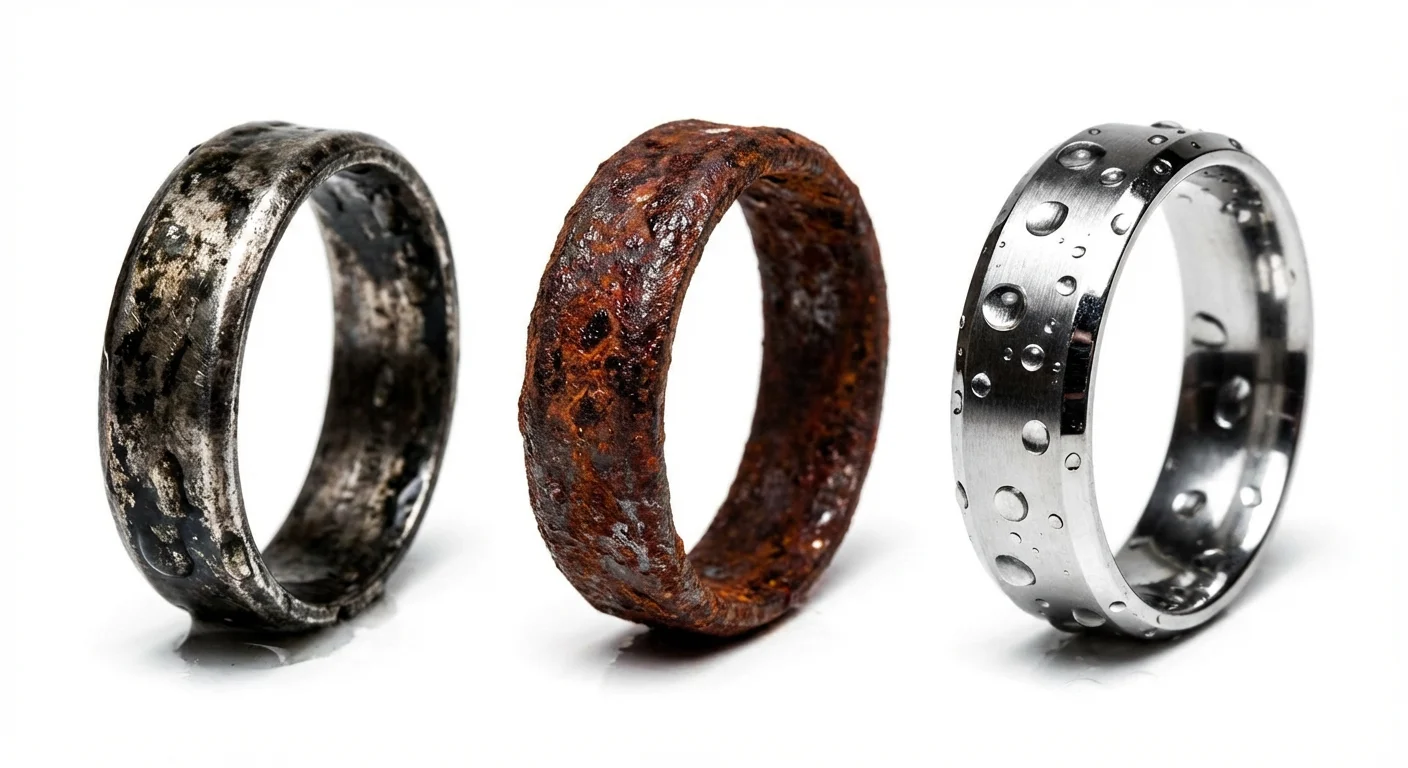
This simple test visually confirms it: titanium is a fortress, virtually immune to the kind of chemical attack that degrades lesser metals. Now, let’s explore the science that makes this possible.
Why Titanium is a Fortress Against Corrosion
The remarkable result we saw in our saltwater test isn’t magic; it’s a fascinating display of chemistry. The secret to titanium’s immunity lies in its powerful and unique relationship with oxygen.
The moment titanium is exposed to the air, its surface instantly reacts with oxygen to form an incredibly thin, yet dense and highly stable, protective layer of titanium dioxide (TiO₂). This process is called passivation.
Think of this oxide layer as a transparent, self-healing suit of armor, invisible to the naked eye.
- It’s a Perfect Shield: This non-porous layer acts as an impermeable barrier, hermetically sealing the pure titanium metal underneath from the outside world. It physically stops oxygen, water, salt, and other corrosive agents from ever reaching the metal to cause a reaction. This is fundamentally different from iron, where rust is flaky and porous, allowing corrosion to eat deeper and deeper.
- It’s Self-Healing: Perhaps most impressively, if you scratch the surface of a titanium object, the newly exposed metal underneath will instantly react with the oxygen in the air to reform that protective shield in a matter of nanoseconds. It never stays vulnerable.
So, while silver tarnishes by reacting with sulfur in the air and iron rusts by reacting with oxygen and water, titanium cleverly uses oxygen to build its own impenetrable fortress. It’s this continuous, self-repairing shield that makes it one of the most corrosion-resistant metals available for consumers today.
If It Doesn’t Tarnish, Why Does Titanium Change Color?
This is an excellent question and one of the most fascinating aspects of titanium. While titanium doesn’t tarnish in the traditional sense (i.e., corrode or degrade), its surface color can be changed.
Crucially, this color change isn’t a sign of damage or decay. Instead, it’s a beautiful optical illusion created by manipulating that same protective titanium dioxide (TiO₂) layer we just discussed. There are two primary ways this happens:
1. Heat-Induced Coloration (Heat Anodizing)
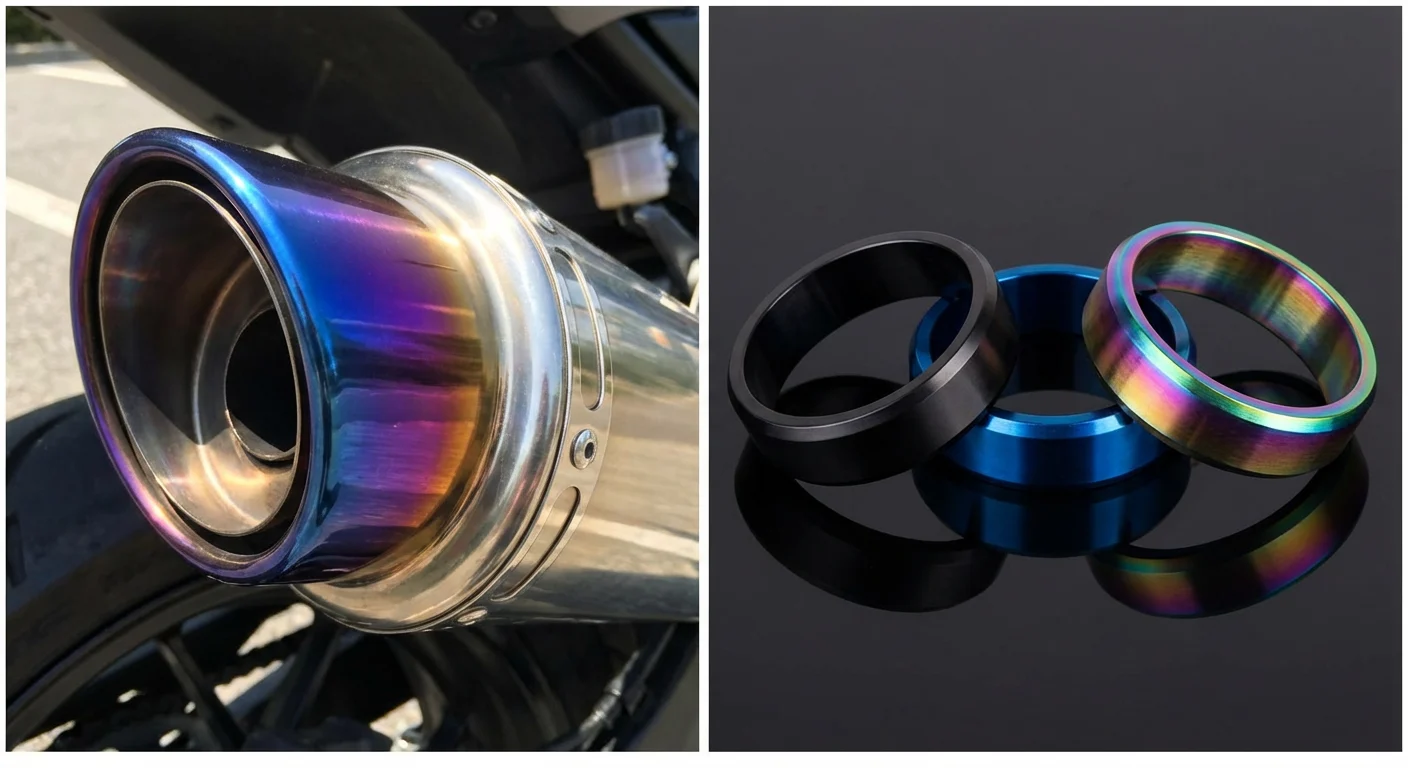
Have you ever seen a titanium camp mug or motorcycle exhaust pipe with vibrant blue, purple, or golden hues near the heated end? This is a natural property of titanium. When heated to high temperatures, the oxide layer on its surface grows thicker. The precise thickness of this transparent layer interferes with light waves, causing our eyes to perceive specific colors. Different temperatures create different thicknesses, resulting in a spectrum of colors. This is not damage; it’s a visual confirmation of authentic titanium at work.
2. Electrochemical Anodizing for Style
For jewelry and other decorative items, this process is done with precision. An electric current is passed through the titanium while it’s in a special electrolyte bath. By carefully controlling the voltage, jewelers can grow the oxide layer to an exact thickness, allowing them to “paint” the titanium with a specific, uniform color—from deep black to vivid blues, greens, and pinks.
This color is not a paint, dye, or plating, so it won’t chip or flake off. It is an integral part of the surface itself. However, it’s important to remember that a deep scratch or abrasive polishing can physically wear away this thin colored layer, revealing the natural silver-gray titanium underneath.
Titanium vs. Tungsten and Other Metals
As many tech and jewelry reviewers on YouTube point out, choosing a metal isn’t just about whether it tarnishes. It’s about how it feels, performs, and fits into your daily life. So, how does titanium stack up against other popular choices?
Let’s break it down in a head-to-head comparison.
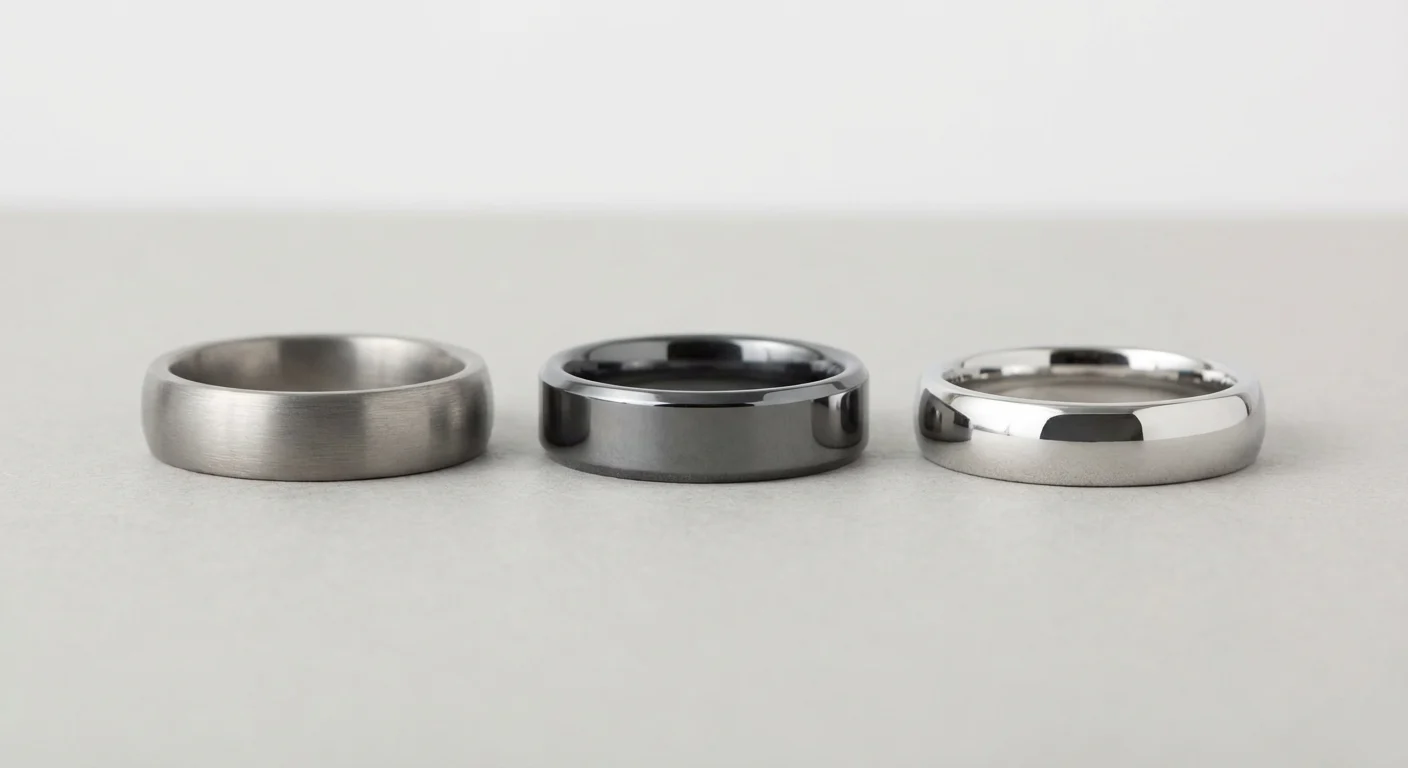
| Feature | Titanium | Tungsten Carbide | Sterling Silver | 14k Gold |
|---|---|---|---|---|
| Tarnish Resistance | Excellent | Excellent | Poor (Tarnishes & requires polishing) | Excellent |
| “Real-Feel” Weight | Incredibly Lightweight*(You’ll often forget it’s there)* | Very Heavy*(Has a pleasant, substantial heft)* | Medium-Light | Heavy |
| Durability Myth-Busted | Durable & Tough*(Resists scratches well; will bend, not break on impact)* | Extremely Hard, but Brittle*(Nearly scratch-proof, but can shatter if dropped hard on a tile floor)* | Very Soft*(Scratches and dents easily with daily wear)* | Soft*(Scratches noticeably over time)* |
| Hypoallergenic | Excellent*(Medical Grade, perfect for sensitive skin)* | Excellent*(Nickel-free binder is hypoallergenic)* | Usually Fine*(Can contain nickel, causing reactions for some)* | Excellent*(Alloys are generally safe)* |
| Price Point | Very Affordable | Affordable | Affordable | Premium |
The Takeaway:
- Choose Titanium if your top priorities are lightweight comfort, toughness (resistance to breaking), and hypoallergenic properties at a great price. It’s the ultimate all-rounder for an active lifestyle.
- Choose Tungsten Carbide if you want the heaviest feel and the highest level of scratch resistance, but be mindful of its brittleness.
- Choose Gold or Silver if you prioritize traditional value, classic appearance, and don’t mind the higher cost and need for more careful maintenance.
Potential Downsides & Common Myths
To make the most informed decision, it’s crucial to understand the complete picture. While titanium is a phenomenal material, it has a few characteristics you should be aware of. An honest seller or a good review will always point these out.
Myth: “Titanium is completely scratch-proof.”
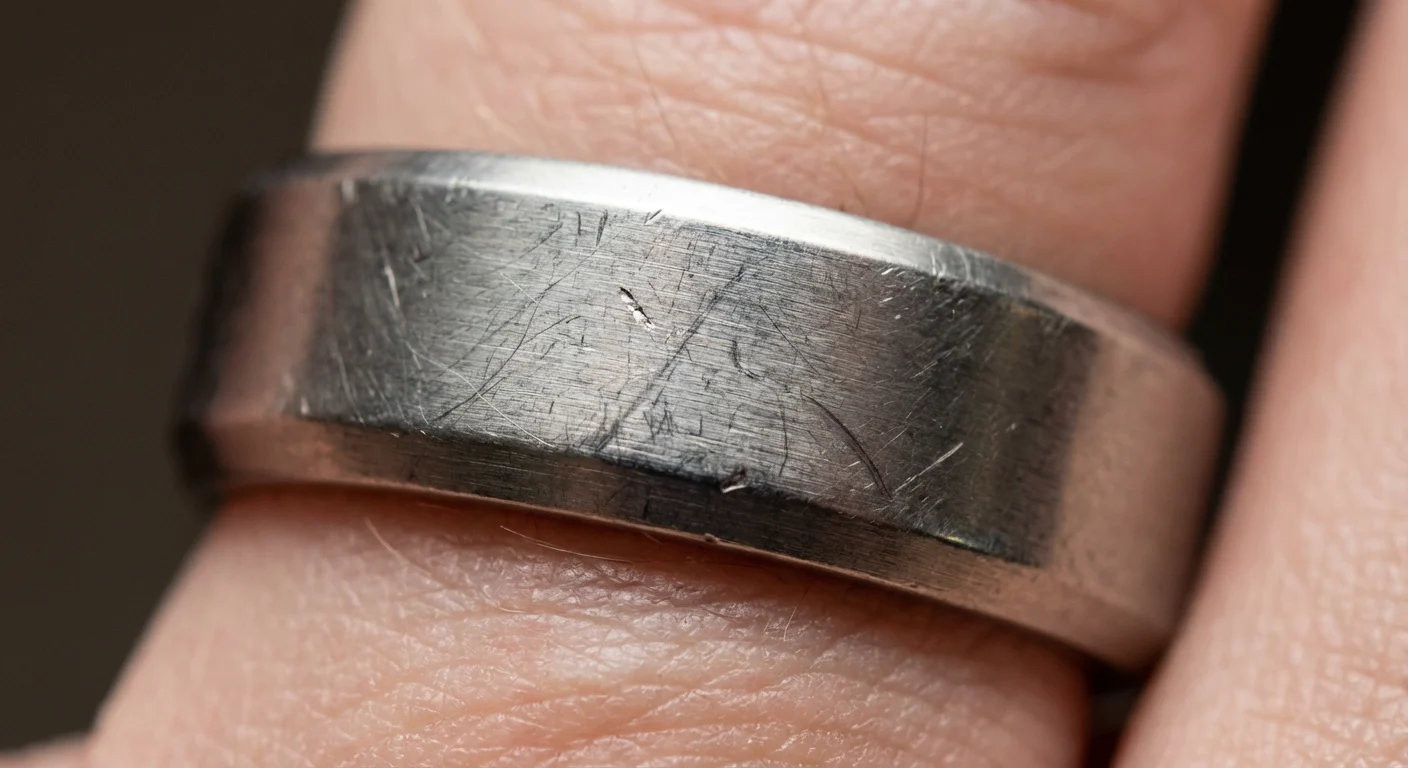
Reality: This is the most common misconception. Titanium is highly scratch-resistant, meaning it holds up exceptionally well against the minor bumps and scrapes of daily life. However, it is not scratch-proof. If you drag it against a rough brick wall or sharp piece of gravel, it can and will get surface scuffs. Many long-term wearers come to appreciate these minor marks as a natural “patina” that tells the story of its journey, but you should not expect it to remain as pristine as a diamond.
The Challenge: Ring Resizing
This is perhaps the most important practical consideration. Unlike gold and silver, which are soft and easy for any jeweler to work with, titanium’s extreme strength makes it very difficult and expensive to resize. Many local jewelers do not have the specialized equipment required to do so. While not impossible, you should assume that resizing your titanium ring will be a challenge. It’s therefore critical to get your finger size exactly right at the time of purchase.
A Matter of Preference: The “Too Light” Argument
For many, titanium’s feather-light feel is its biggest selling point. However, for those accustomed to the satisfying heft of a traditional gold or platinum ring, titanium can feel almost “too light” or less substantial. This isn’t a flaw in the material, but a matter of personal preference. If you enjoy the weighty, tangible presence of your jewelry, the heavier Tungsten Carbide might be a more satisfying choice for you.
Durability in Daily Life
Technical specs and lab tests are one thing, but how does titanium truly hold up in the chaos of real, everyday life? Inspired by the popular “I wore it for a year” video reviews, we’ve gathered the consensus from long-term users.

The reports are overwhelmingly consistent.
From intense gym workouts and DIY home projects to swimming in the ocean and simply doing the dishes, titanium proves to be an incredibly resilient daily companion. Long-term wearers report that while their rings and watches might accumulate a few minor surface scuffs over the years (as we discussed in the “myth-busting” section), the core integrity and color of the metal remain unchanged. It doesn’t warp, it doesn’t chip, and it certainly doesn’t degrade from contact with sweat, soap, or sunscreen.
We found a comment online that perfectly encapsulates this experience:
“I’m a mechanic, and I’ve worn my titanium wedding band to work every single day for the last five years. It’s constantly covered in grease, gets knocked against tools, and is exposed to all sorts of chemicals. At the end of the day, I wash it with soap, and it still looks fantastic. My old silver ring would have been destroyed in a week. This thing is built to last.”
— User Review on a Jeweler’s Forum
This is the real-world promise of titanium: not a fragile, precious item to be locked away, but a dependable part of your life’s journey, no matter where it takes you.
The Surprisingly Simple Care Routine
So, how do you care for a metal this tough? You might expect a complicated cleaning process involving special chemicals or professional services.
The reality is refreshingly simple.
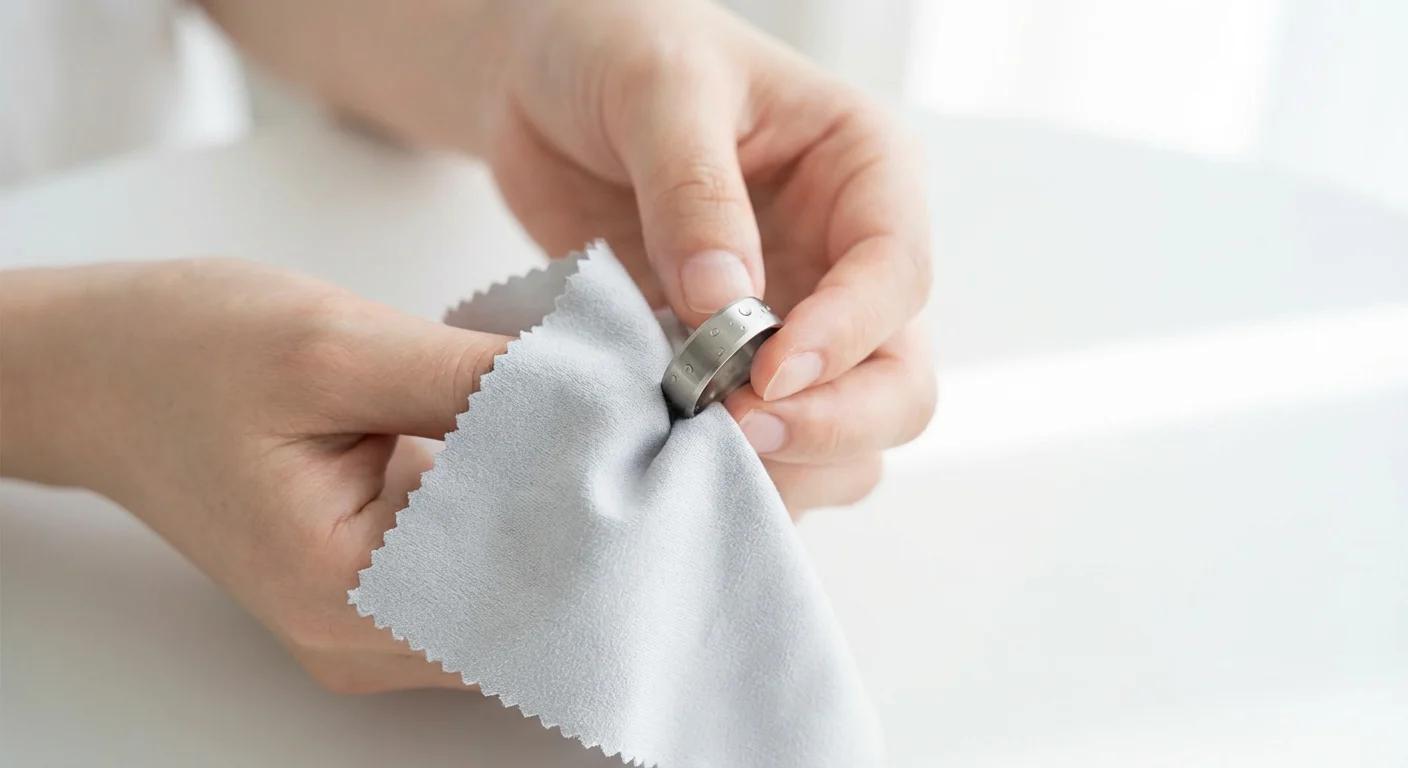
Even though titanium doesn’t tarnish, it can still get dirty. Fingerprints, oils from your skin, lotions, and everyday grime can build up, temporarily dulling its shine. Cleaning it and restoring its luster is incredibly easy.
For Standard and Polished Titanium (Rings, Watches, Jewelry):
- Get a small bowl of warm water.
- Add a few drops of a mild dish soap and swish it around.
- Let your titanium piece soak for a minute, then gently rub it with your fingers or a soft, non-abrasive cloth. For any grime stuck in engravings, a soft toothbrush works wonders.
- Rinse thoroughly with clean water to remove all soap residue.
- Dry it with a soft towel, and it will look as good as new.
A Special Note for Anodized (Colored) Titanium:
The same cleaning process applies, but be extra gentle. The colored layer, while durable, is very thin. Avoid abrasive cleaners, scratchy pads, and vigorous polishing cloths, as these can wear away the colored oxide layer over time. A simple wash with soap and water is all that’s needed.
That’s it. No special polishes, no expensive treatments. It’s a low-maintenance relationship.
Frequently Asked Questions (FAQ)
Here are quick answers to some of the most common questions we receive.
Q: Will titanium turn my finger green?
A: Absolutely not. Titanium is hypoallergenic and biocompatible, meaning it does not react with human skin. It’s the same material used for medical implants and is the perfect choice for individuals with metal allergies.
Q: Can I wear titanium in the shower, pool, or ocean?
A: Yes. As our test showed, titanium is highly resistant to corrosion from water, including chlorinated pool water and saltwater. It is perfectly safe for daily wear in any environment.
Q: Is titanium completely scratch-proof?
A: No. It is highly scratch-resistant, but not scratch-proof. It will resist everyday scuffs much better than gold or silver, but can be scratched by hard or abrasive materials.
Q: Is colored (anodized) titanium permanent?
A: The color itself is part of the surface and won’t fade from sun or time. However, since the colored layer is thin, it can be scratched off by abrasive contact, revealing the natural silver-gray metal underneath.
The Verdict: More Than Just Tarnish-Proof
So, after the science, the real-world tests, and the myth-busting, we can definitively answer the question: Titanium does not tarnish or rust.
But the story is bigger than that. Choosing titanium isn’t just a practical decision to avoid corrosion; it’s a choice for a worry-free lifestyle. It’s for the active individual who doesn’t want to take their ring off at the gym. It’s for the person with sensitive skin who has given up on wearing jewelry. It’s for anyone who values modern engineering, lightweight comfort, and enduring strength.