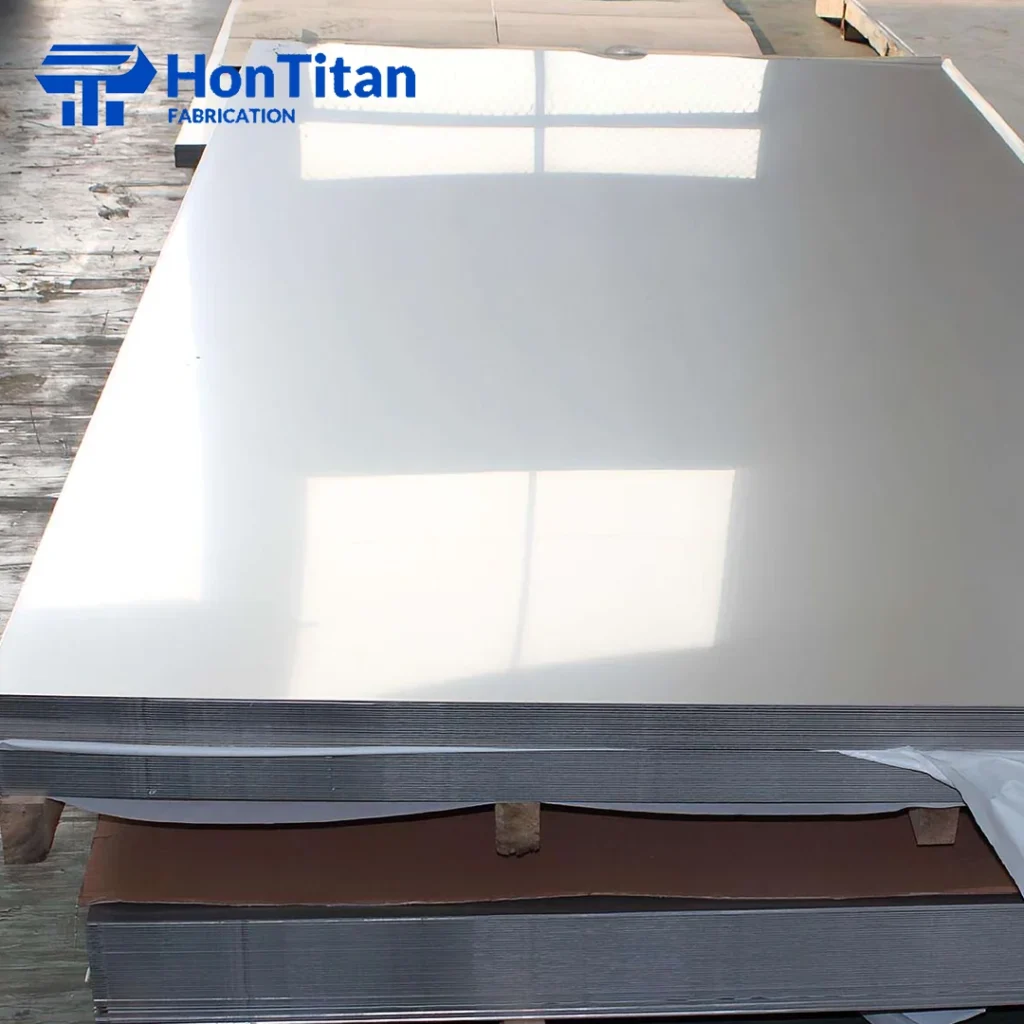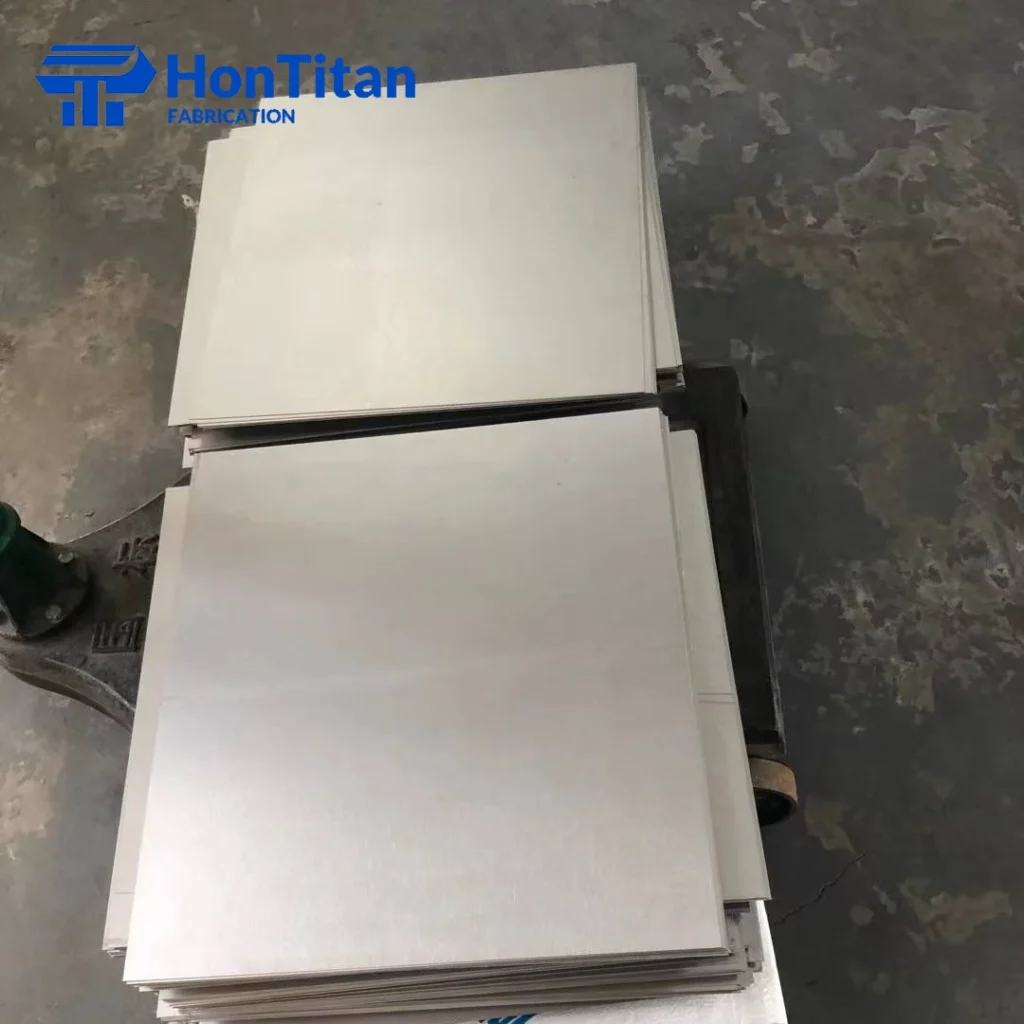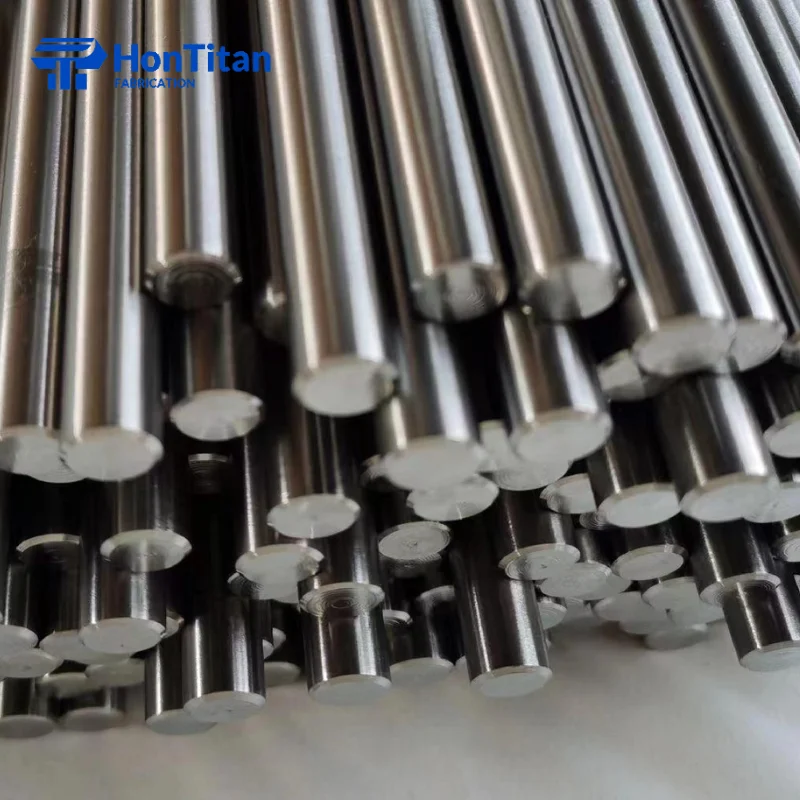
Titanium has a notoriously intimidating reputation in the fabrication industry. If you ask a fabricator if Grade 4 titanium sheet is easy to weld, the most accurate answer is: Yes, it is highly weldable—but it demands absolute discipline. Unlike mastering the puddle manipulation required for aluminum or thin-gauge stainless steel, welding titanium does not necessarily test a welder’s manual dexterity. Instead, it tests your shop’s cleanliness, patience, and procedural rigor.
To understand why, we have to look at the metallurgy. ASTM B265 Grade 4 is the strongest of the Commercially Pure (CP) titanium grades. Because it is unalloyed (lacking the complex additions of aluminum and vanadium found in Grade 5), it is metallurgically very stable during the heating and cooling cycles of welding. It has excellent ductility and is highly resistant to hot cracking. From a purely metallurgical standpoint, it wants to be welded.
However, there is a catch—a very strict temperature threshold.
The same chemical characteristic that gives Grade 4 titanium its legendary corrosion resistance in marine and chemical processing environments—its ability to form an instant, passive oxide layer—makes it incredibly vulnerable at high temperatures. Once the titanium crosses the threshold of approximately 427°C (800°F), it becomes highly reactive. It acts like a metallurgical sponge, rapidly absorbing oxygen, nitrogen, and hydrogen from the surrounding atmosphere. If these gases are drawn into the weld pool or the hot heat-affected zone (HAZ), the metal suffers from severe embrittlement, turning a robust joint into something as brittle as glass.
Therefore, treating titanium like stainless steel—laying down continuous, long passes that build up massive heat—is a guaranteed path to failure. Welding Grade 4 titanium requires a “cold welding” mentality: lower amperage, strict interpass cooling breaks, and shorter weld segments to manage heat input.
Grade 4 vs. Grade 5 Titanium Welding Comparison
When engineers specify materials for a new project, they frequently weigh Grade 4 against the ubiquitous Grade 5 (Ti-6Al-4V). While Grade 5 offers superior tensile strength, its alloying elements—aluminum and vanadium—make it inherently more susceptible to residual metallurgical stresses during the heating and cooling cycles of welding. Grade 4, being completely unalloyed, retains significantly higher ductility in the weldment.
This metallurgical difference has profound practical implications on the shop floor, particularly concerning post-weld processing. Welding Grade 5 typically mandates a stringent Post-Weld Heat Treatment (PWHT) in a vacuum furnace to relieve internal stresses—a process that drives up costs and extends lead times.
To quickly visualize the differences in fabrication requirements, refer to the comparison table below:
| Feature | Grade 4 Titanium (CP) | Grade 5 Titanium (Ti-6Al-4V) |
|---|---|---|
| Composition | Unalloyed (Commercially Pure) | Alloyed (Aluminum & Vanadium) |
| Tensile Strength | High (for CP grades) | Very High |
| Weldment Ductility | Excellent | Lower (Prone to residual stress) |
| Post-Weld Heat Treatment (PWHT) | Typically Not Required | Mandated (Vacuum furnace needed) |
| Fabrication Complexity | Moderate (Open shop floor with shielding) | High (Requires stringent thermal management) |
By specifying Grade 4 instead of Grade 5, fabrication teams can often bypass the need for a vacuum furnace completely. Because the pure titanium retains its ductility after welding, fabricators can complete the work on the open shop floor using standard TIG equipment and proper shielding. Ultimately, while both grades require excellent gas coverage, Grade 4 is considerably “easier” and more cost-effective to process because it eliminates the complex thermal management required by its alloyed counterpart.
Pre-Weld Preparation: Cutting and Cleaning
There is a golden rule in titanium fabrication: 80% of welding failures happen before the arc is even struck. The preparation phase for Grade 4 titanium sheet requires a level of clinical cleanliness that goes far beyond standard metalworking practices.
The first hurdle is cutting the material. Because titanium is highly reactive to heat, cold cutting methods like waterjet cutting or using a low-speed bandsaw with copious amounts of coolant are highly recommended. If thermal cutting methods like plasma or laser must be used, they will inevitably create a severely oxidized, oxygen-rich heat-affected zone (often called the “alpha case”) along the edge. This contaminated layer cannot be melted into the weld pool; it must be completely mechanically removed by milling or grinding away at least 2 to 3 millimeters of the edge using a carbide tool.
Once the edges are properly profiled, the cleaning process begins. It is not enough to simply wipe the metal down; it requires absolute chemical and mechanical purity. Even microscopic traces of oil, moisture, or foreign metals can cause severe porosity or catastrophic embrittlement.
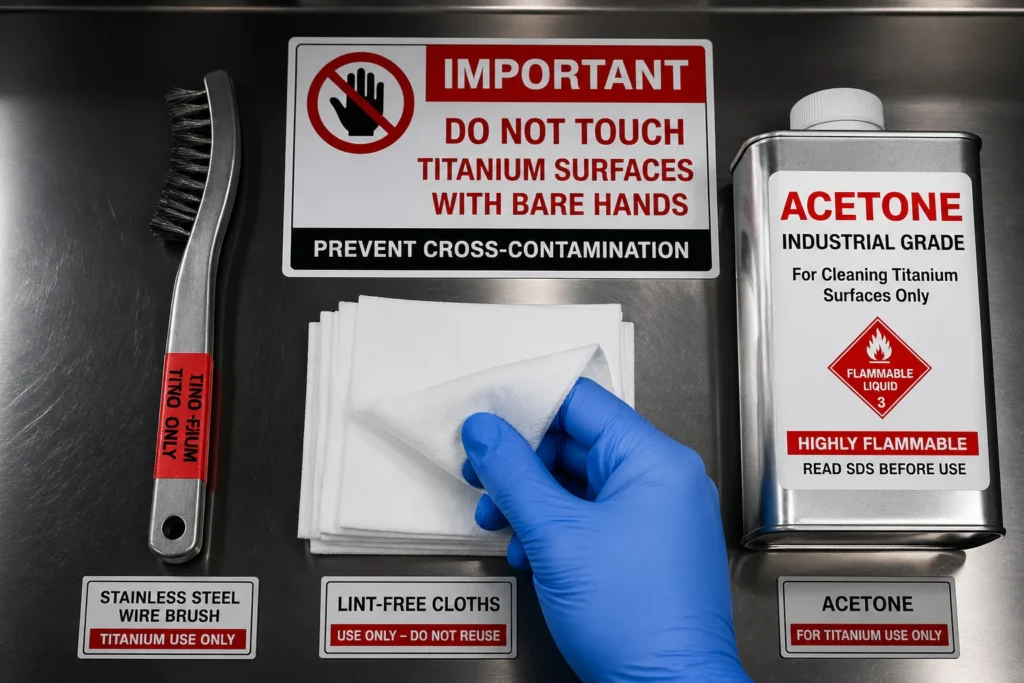
A Real-World Pitfall: We recently analyzed a failed high-pressure vessel project where radiographic testing (RT) repeatedly flagged dense clusters of micro-porosity along the weld seams of Grade 4 sheets. After auditing the shop floor procedures, the culprit was surprisingly simple: an operator had prepped the weld bevels using a stainless steel wire brush that had previously been used to clean Inconel parts. The microscopic cross-contamination of iron and nickel embedded in the titanium was enough to completely ruin the weld’s integrity.
To prevent this, shops must implement a strict “titanium-only” protocol. All abrasives, carbide burrs, and wire brushes used for titanium must be physically isolated in a dedicated tool crib. Furthermore, operators must wear fresh nitrile gloves to prevent skin oils from transferring to the metal. The joints must be wiped down exclusively with lint-free cloths and a pure, non-chlorinated solvent like industrial acetone. Only when the wipe comes away completely clean is the Grade 4 sheet truly ready for the torch.
The Welding Process and Gas Shielding Setup
When it comes to the actual welding of Grade 4 titanium sheet, the equipment itself is standard. The process relies on Gas Tungsten Arc Welding (GTAW/TIG) set to Direct Current Electrode Negative (DCEN). A 2% ceriated or lanthanated tungsten is preferred, paired with a matching ERTi-4 filler rod. However, dialing in the machine parameters is not where the challenge lies; the true test is managing the atmosphere.
To weld titanium successfully, you must use 99.999% ultra-high-purity argon (Argon 5.0). Because titanium remains highly reactive until it cools below 427°C (800°F), a standard TIG cup provides severely inadequate protection. Fabricators must implement the “Shielding Trinity”—a three-part localized argon environment that protects the puddle, the cooling bead, and the root simultaneously.
- The Primary Shield: Delivered through the TIG torch equipped with an oversized gas lens (typically a #12 or #16 cup) flowing at roughly 30 to 40 CFH (Cubic Feet per Hour).
- Back Purging: The root of the weld must be protected by sealing the backside of the joint and continuously feeding 10 to 20 CFH of argon into the cavity.
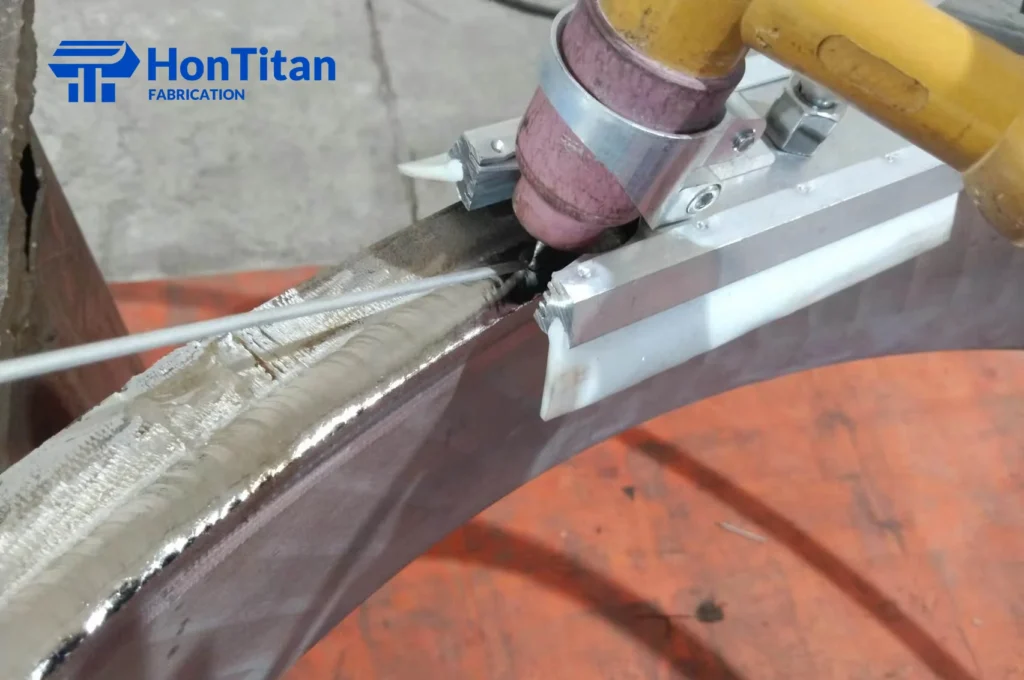
- The Trailing Shield: The most critical component. This is a custom or commercially available argon diffuser attached to the back of the TIG torch that drags a secondary blanket of gas (flowing at 20 to 30 CFH) directly over the freshly solidified, yet still red-hot, weld bead.
(Pro Tip: Before striking the arc, always purge your gas lines for several minutes to expel any ambient air or moisture trapped inside the hoses.)
In the GTAW process for titanium alloy tube sheets, the addition and enlargement of weld shielding hoods ensure effective protection of the weld seams.
A Real-World Pitfall: The importance of synchronizing your technique with this trailing shield cannot be overstated. In a recent case we consulted on, a skilled fabricator was struggling with thin-wall Grade 4 titanium sheets. Despite having a top-tier gas lens, a proper back purge, and a trailing shield installed, his welds were consistently turning blue and purple. A process review revealed his travel speed was entirely wrong. Accustomed to the fast-paced technique used on aluminum, the welder was simply outrunning his own gas coverage. The hot weld bead was exiting the protective envelope of the trailing shield before it had cooled below the critical threshold. Furthermore, he was snapping his torch away the moment he finished the weld.
The fix was simple: drastically reduce travel speed and adjust the machine’s post-flow timer to a minimum of 15 seconds. By holding the torch perfectly still over the end of the weld until the post-flow cycle finished, the subsequent welds emerged with a flawless, bright silver finish. Patience is far more valuable than sheer welding speed when dealing with titanium.
Post-Weld Inspection: Weld Color Acceptance Guide
One of the unique advantages of welding Grade 4 titanium is that the metal provides an immediate, built-in quality control system: discoloration. Because the metal aggressively absorbs oxygen and nitrogen when exposed to atmosphere at elevated temperatures, the resulting oxide layer changes thickness, refracting light differently to produce a distinct spectrum of colors. By simply “reading the colors,” inspectors can evaluate the integrity of the shielding gas setup.
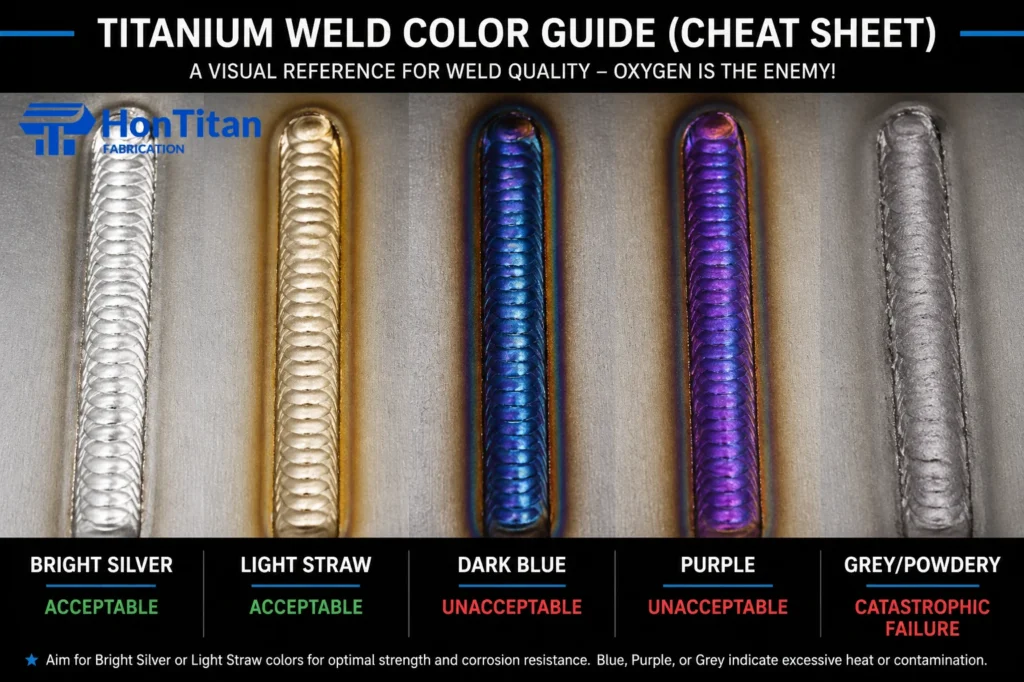
A perfect weld will always present as bright, shiny silver, indicating flawless gas coverage. A light straw or pale gold tint implies a very slight degree of surface oxidation, which is often acceptable but serves as a warning sign. However, once the weld transitions into dark blue, purple, or worse—a dull, powdery grey or flaky white—the joint has suffered severe atmospheric contamination.
The discoloration indicates the formation of an “alpha case”—a hard, brittle, oxygen-enriched microstructural layer that penetrates the metal. This is not a cosmetic surface defect; it is a structural disaster known as embrittlement.
A Real-World Pitfall: A stark example of this occurred with a client designing a custom Grade 4 titanium mixing vessel. To achieve a striking, high-tech visual aesthetic, the fabrication team intentionally reduced their trailing shield flow to allow the external welds to oxidize slightly, achieving a vibrant “burnt blue” finish. While visually appealing, the decision proved metallurgically catastrophic. During routine hydrostatic testing prior to shipment, a primary blue-tinted weld seam suffered a brittle fracture—shattering essentially like glass—at a pressure well below its design limit. The lesson is absolute: in industrial titanium fabrication, aesthetic coloration equates to structural failure. When a blue or grey weld occurs, the brittle alpha case must be completely excavated using carbide grinding tools, and the joint must be entirely re-welded.
Even when a fabricator achieves a brilliant silver weld, the job may not be finished. For stringent chemical processing or marine applications, engineers often mandate a final post-weld chemical treatment known as pickling and passivation (submerging the component in a nitric and hydrofluoric acid bath). This dissolves any invisible surface impurities and forces the rapid regeneration of the titanium dioxide (TiO2) passive film, guaranteeing the weld matches the virgin base metal’s legendary corrosion resistance.
Frequently Asked Questions (FAQ)
Do I need a special welding machine to weld Grade 4 titanium?
No. A standard TIG (GTAW) welding machine with Direct Current (DC) capability is entirely sufficient. The significant investment required for titanium welding is not in the power source, but in the gas shielding accessories, such as high-quality gas lenses, trailing shields, and ultra-high-purity argon.
What filler metal should I use for Grade 4 titanium?
The standard matching filler metal is ERTi-4. However, some fabricators choose to use ERTi-2 (a slightly lower-strength CP grade) to inject a bit more ductility into the weld joint, which can be beneficial in applications prone to vibration or flex.
Can I weld Grade 4 titanium directly to stainless steel?
No. Direct fusion welding of titanium to stainless steel, carbon steel, or aluminum will immediately form extremely brittle intermetallic compounds, leading to catastrophic cracking as soon as the weld cools. Joining titanium to other metals requires specialized techniques like explosion bonding or mechanical fastening.
If my titanium weld turns blue, can I just weld over it to fix it?
Absolutely not. A blue or grey weld indicates structural embrittlement (the alpha case). You cannot simply burn through this layer with another weld pass. You must use a dedicated carbide burr to completely grind out the discolored area until you reach shiny, virgin base metal before attempting to re-weld under proper shielding.
Conclusion
Ultimately, the answer to whether Grade 4 titanium sheet is easy to weld is a resounding yes—provided you respect the metallurgy. Because it is a commercially pure alloy, it offers excellent ductility and eliminates the complex post-weld heat treatments required by aerospace grades. The actual manipulation of the TIG torch is straightforward for any experienced welder. The true challenge lies entirely in the discipline of the shop environment. By adhering strictly to the two golden rules of titanium fabrication—absolute chemical cleanliness before the arc is struck, and obsessive, three-dimensional argon coverage until the metal cools—fabricators can achieve perfect, bright silver welds every time.
Material Sourcing and Preparation Costs
While mastering the welding technique is critical, procurement managers and shop owners must recognize that the profitability of a titanium project is often decided long before the material reaches the welding bench. Preparation time is the hidden cost of titanium fabrication.
If a shop purchases cut-rate Grade 4 titanium sheet that arrives with heavy mill scale, surface contamination, or rough, thermally sheared edges, the fabricators will be forced to spend hours mechanically excavating the edges and chemically treating the surfaces just to make the metal weldable. At typical hourly shop rates, this extensive prep work will quickly obliterate any upfront savings on the raw material, while simultaneously increasing the risk of porosity and scrap rates.
To maximize production efficiency, sourcing high-quality material is paramount. Purchasing premium, mill-certified ASTM B265 Grade 4 titanium sheet from a reputable supplier ensures that the material arrives with a clean, consistent surface finish. Furthermore, utilizing a supplier that offers precision cold-cutting services (like waterjet or precision shearing) means the sheets arrive on the shop floor ready for minimal prep and immediate fit-up. In the world of titanium fabrication, investing in top-tier raw materials doesn’t just ensure the structural integrity of the final product; it dramatically reduces labor hours, minimizes the risk of costly rework, and ultimately protects your bottom line.