Introduction: Why Are We Suddenly Questioning Our Cookware?
In recent years, kitchens have become a focal point for health-conscious individuals. We scrutinize our food labels, filter our water, and then, we look at the very pans we cook with. Concerns over traditional non-stick coatings, particularly those containing chemicals like PFOA and PFAS (often associated with Teflon), have led many to search for safer, more durable alternatives. This search has put a spotlight on a material more commonly associated with jet engines and surgical tools: titanium.
But is titanium cookware truly the safe, non-toxic hero it’s made out to be? This guide will provide a clear, science-backed breakdown of titanium’s safety profile, help you distinguish fact from marketing hype, and empower you to make the best choice for your kitchen.
What Exactly Is Titanium? The Superhero of Metals
Before we place it on a stovetop, let’s understand what titanium is. Titanium (Ti) is a chemical element renowned for having the highest strength-to-density ratio of any metal. This means it’s incredibly strong and durable, yet surprisingly lightweight.
Where We See Titanium in Action:
Its unique properties make it a critical material in high-performance fields:
- Aerospace: Used in jet engines, airframes, and spacecraft where strength and low weight are paramount.
- Medical Field: Famously used for surgical implants like artificial joints, dental implants, and bone-setting plates.
- High-End Sports: Found in premium bicycle frames, golf clubs, and camping gear.
The fact that titanium is trusted to be placed inside the human body for decades is our first major clue to its outstanding safety.
The Core Safety Question: A Scientific Breakdown
When we ask if a material is “safe for cooking,” we’re primarily concerned about two things: Will it react with our body, and will it leach harmful substances into our food? Here’s how titanium fares scientifically.
Unmatched Biocompatibility: Trusted by the Human Body
The single most important safety feature of titanium is its **biocompatibility**. This scientific term means that it is non-toxic and not rejected by the human body. Based on extensive medical research, titanium does not cause irritation or negative reactions when in contact with human tissue. This is precisely why it’s the gold standard for medical implants. The logic is simple: if titanium is safe enough to be permanently integrated with our bones, it is exceptionally safe for temporary contact with our food.

Chemically Inert: Does Titanium Leach into Food?
The other major concern is “leaching”—the process of metal ions migrating from the cookware into your meal. This is a valid worry with some materials, especially when cooking acidic foods like tomatoes or lemons.
Pure titanium, however, is almost completely **chemically inert**. This is because its surface instantly forms a very thin but extremely stable and passive layer of titanium dioxide (TiO2) upon exposure to air. This microscopic, ceramic-like layer acts as a barrier, preventing the metal underneath from ever reacting with its environment. As a result, pure titanium cookware does not corrode, rust, or leach into your food, preserving its original flavor and ensuring no metallic taste or harmful compounds are transferred.
The Critical Distinction: Pure Titanium vs. “Titanium-Coated” Cookware
This is the most crucial point for any consumer to understand. The term “titanium cookware” is used to describe two vastly different products, and their safety profiles are not the same.
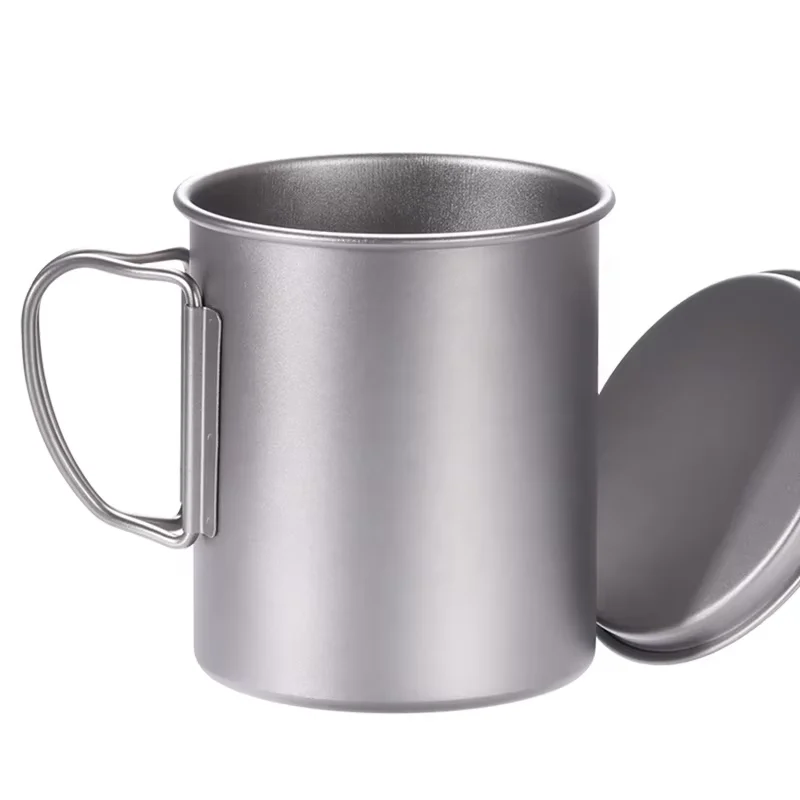
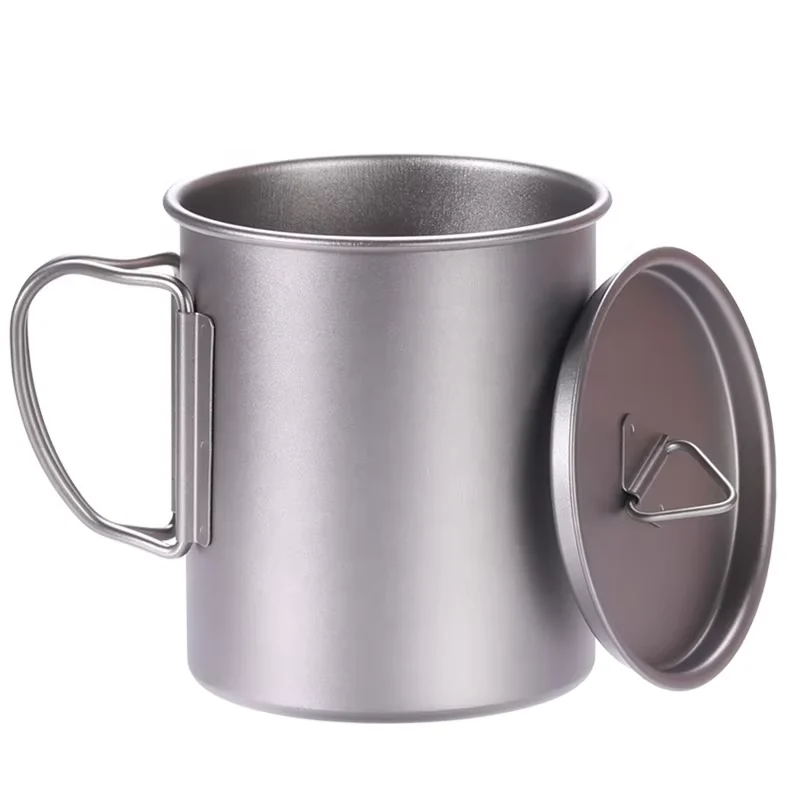
100% Pure Titanium Cookware
- What it is: Cookware where the entire body is made from commercially pure titanium or a titanium alloy.
- Safety: As discussed, this is one of the safest, most non-reactive materials you can cook on. It’s the real deal.
- Pros: Extremely safe, lightweight, incredibly durable (will last a lifetime), won’t corrode or rust.
- Cons: Poor heat conductor (can have “hot spots”), food tends to stick (it is not non-stick), and it is very expensive due to raw material costs and manufacturing challenges.
“Titanium-Coated” or “Titanium-Reinforced” Cookware
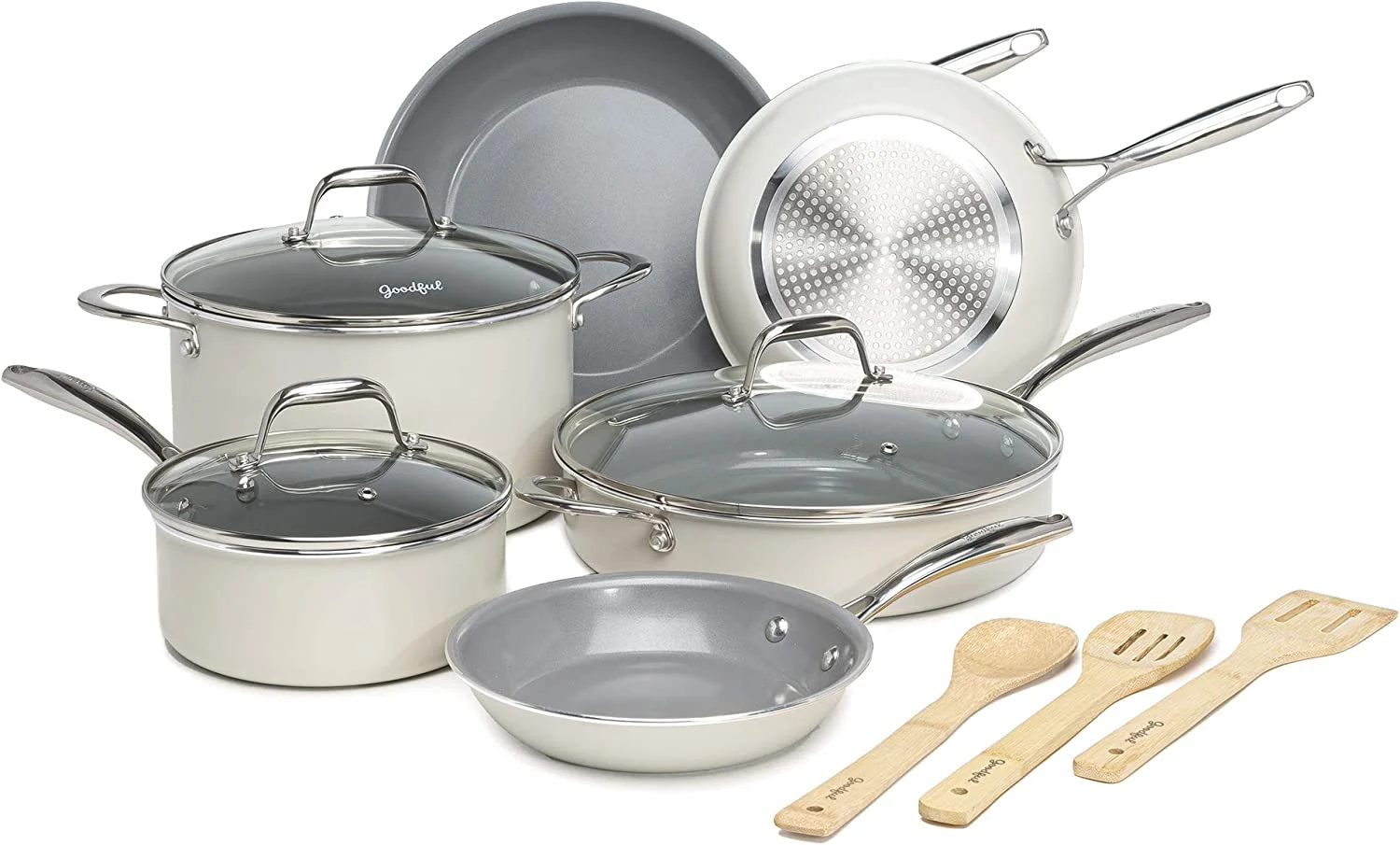
- What it is: Typically, an aluminum or stainless steel pan with a non-stick coating that has been fortified with titanium particles to increase its hardness and scratch resistance.
- The Reality: You are not cooking on titanium. You are cooking on a non-stick surface (often PTFE-based) that simply has titanium mixed in for durability.
- Safety Analysis: The safety of these pans depends entirely on the **non-stick coating itself**, not the titanium. While often marketed as a health-conscious choice, you still need to be aware of the potential risks associated with non-stick coatings, such as avoiding high heat to prevent the release of fumes. Always check if they are free from PFOA, PFAS, lead, and cadmium.

How Does Titanium Stack Up? A Quick Comparison
To put things in perspective, here’s a quick comparison of pure titanium against other common cookware materials.
| Material | Safety Profile | Heat Distribution | Durability | Price |
|---|---|---|---|---|
| Pure Titanium | Excellent | Fair | Excellent | Very High |
| Stainless Steel | Very Good | Good | Very Good | Moderate |
| Cast Iron | Good (with proper seasoning) | Excellent | Excellent | Low-Moderate |
| Non-Stick (PTFE) | Fair (risk at high temps) | Excellent | Poor-Fair | Low-Moderate |
| Ceramic Coated | Good (can degrade over time) | Good | Fair | Moderate |
The Verdict: A Safe and Smart Choice for the Health-Conscious Cook
So, let’s circle back to our main question. Is titanium cookware safe? The answer is a resounding **yes, provided you are using 100% pure titanium cookware.** Its biocompatibility and chemical inertness make it one of the most non-toxic and safest materials available for cooking.
However, be a savvy consumer. If you see a “titanium” pan at a surprisingly low price, it is almost certainly a titanium-reinforced non-stick pan. While not necessarily dangerous, its safety profile is tied to its coating, not the titanium. For ultimate peace of mind and lifetime durability, pure titanium is unmatched, but it comes at a premium price and requires some adjustment in cooking technique.
Need Titanium? Go Straight to the Source with HonTitan
Now that you understand the incredible benefits of titanium, you might be wondering where to turn. Whether you’re a designer creating the next generation of high-end cookware, an engineer in the medical field, or just a curious individual, getting the right material is key.
That’s where we, HonTitan, come in. We don’t just sell metal; we are specialists in the entire titanium supply chain. Our expertise covers a huge range of applications—from the rigorous demands of aerospace and medical implants to industrial and consumer goods. We maintain a large inventory of high-quality titanium raw materials, ensuring you get exactly what you need, when you need it.
Instead of guessing, why not get a custom solution tailored to your project? The best way forward is to talk to an expert. We invite you to visit hontitan.com and send us your specific requirements. Our team will provide you with a personalized recommendation to ensure your project’s success.
Think of us as your dedicated partner for custom titanium solutions. We’re here to make this high-performance material accessible and take the guesswork out of your sourcing, giving you the confidence to build something amazing.

Frequently Asked Questions (FAQ) about Titanium Cookware
Is pure titanium cookware completely non-stick?
No, it is not. Pure titanium behaves more like stainless steel than a Teflon pan. Food can stick, especially if you use high heat or not enough oil. It requires different cooking techniques, such as proper pre-heating and fat usage.
Why is pure titanium cookware so expensive?
The high cost is due to several factors: the raw titanium material is more expensive to process than steel or aluminum, and it is a very difficult metal to work with, requiring specialized equipment and techniques for manufacturing.
Can I use metal utensils on my titanium pan?
Yes! One of the major benefits of pure titanium cookware is its exceptional durability and scratch resistance. You can safely use metal utensils without worrying about damaging the cooking surface, unlike with coated non-stick pans.
How do I clean and maintain titanium cookware?
Cleaning is straightforward. Use soap and water with a non-abrasive sponge. For stuck-on food, you can soak the pan or use a gentle scrubbing paste like Barkeeper’s Friend. Since it doesn’t rust or corrode, it requires very little maintenance.
Is titanium better than stainless steel for cooking?
“Better” depends on your priorities. Titanium is significantly lighter and more chemically inert (zero risk of leaching nickel or chromium). However, stainless steel is generally cheaper and offers better, more even heat distribution, making it easier to cook with for beginners.
Does titanium cookware work on induction stovetops?
Typically, no. Titanium itself is not magnetic. For a titanium pan to work on an induction cooktop, it must be constructed with a magnetic base layer (like steel or iron) bonded to the bottom. Always check the product specifications before buying for induction use.