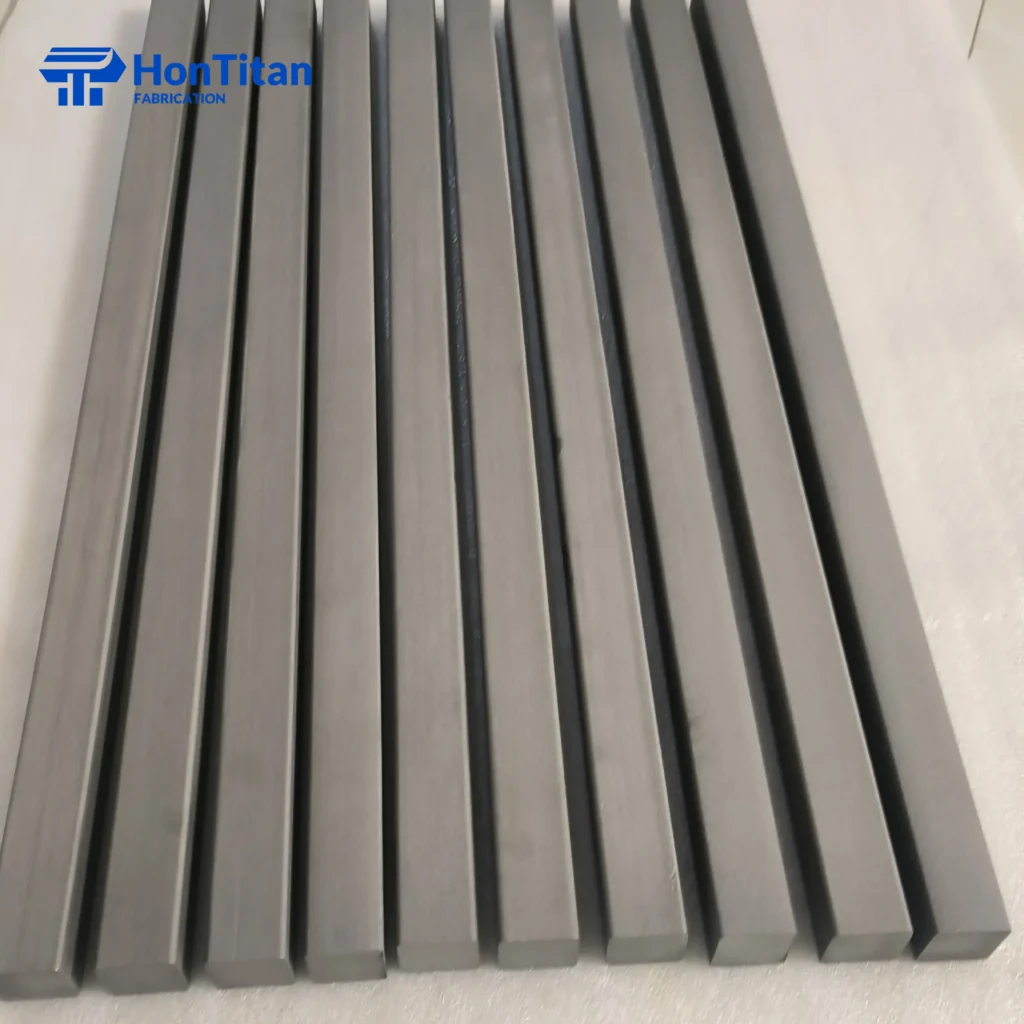
For decades, engineers and CNC machinists have faced a common dilemma when selecting titanium for high-performance applications. Commercially Pure (CP) titanium (Grades 1-4) is relatively easy to machine and form but lacks high-end yield strength. On the other end of the spectrum, Grade 5 (Ti-6Al-4V) offers incredible strength but is notoriously punishing on cutting tools and virtually impossible to cold-form.
Enter Grade 9 titanium (Ti-3Al-2.5V). Often referred to in the aerospace and manufacturing industries as the “Goldilocks alloy,” it sits perfectly in the middle. As a near-alpha, alpha-beta alloy containing 3% aluminum and 2.5% vanadium, it delivers a “just right” sweet spot: 20% to 50% higher strength than CP grades, coupled with excellent formability and weldability.
But as a material supplier, the most common question we hear from machine shops and procurement teams when quoting out tubing or bar stock is: Is Grade 9 titanium hard to machine?
The short answer is: It requires specific strategies and strict adherence to parameters, but it is significantly more forgiving to machine than the ubiquitous Grade 5. If you treat it like steel, you will destroy your inserts. Ti-3Al-2.5V still retains titanium’s notorious traits—such as low thermal conductivity, a low modulus of elasticity, and a strong tendency to work-harden and gall. However, with the right approach, it yields excellent surface finishes and reliable tolerances.
Whether you are a CNC machinist looking to optimize tool life and reduce scrap rates, or a design engineer evaluating materials for aerospace hydraulic lines, this guide provides the actionable data you need. Below, we break down the core challenges of machining Grade 9 titanium, provide a direct material comparison with Grade 5, and outline the precise speeds, feeds, and tooling strategies required to machine it successfully.
Is Grade 9 Titanium Hard to Machine? The Big Three Challenges
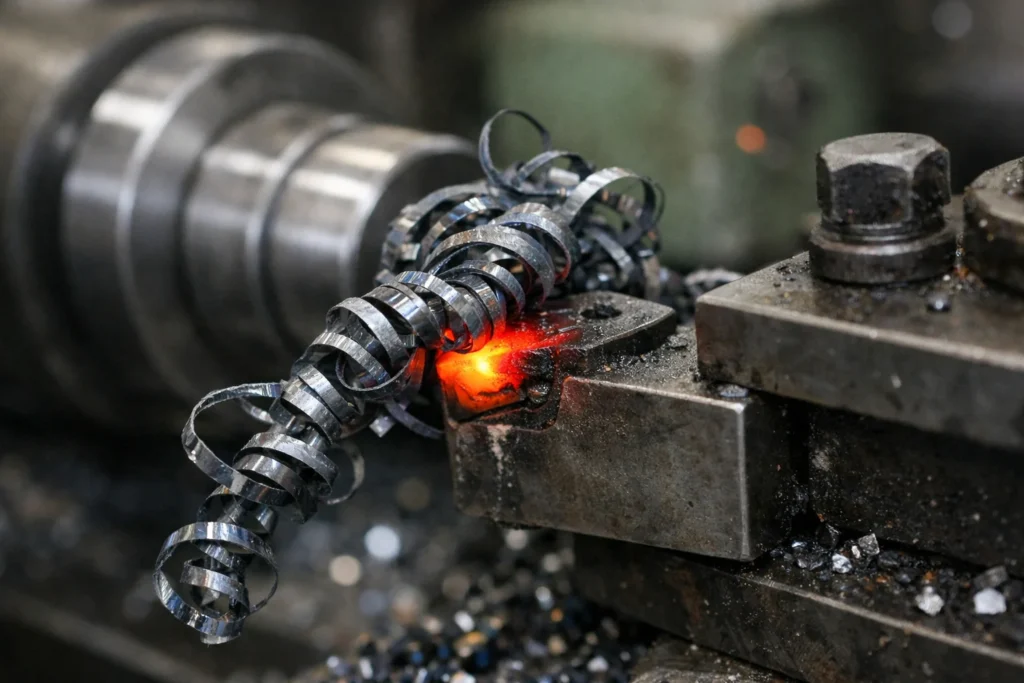
To set a practical baseline: if we assign standard AISI 4340 alloy steel a machinability rating of 100%, Commercially Pure titanium might sit around 40-50%, while Grade 5 (Ti-6Al-4V) struggles at roughly 20-25%. Grade 9 titanium generally falls in the 30% to 35% range. It is not impossible to machine, nor does it require exotic machinery. However, it is highly unforgiving. If your feeds are too light, or your coolant pressure is too low, the material will punish your tooling. When machining Ti-3Al-2.5V, operators must overcome three primary physical hurdles:
- 1. Rapid Work-Hardening (The Heat Problem): Unlike steel, which transfers most of the heat generated during cutting into the chip, titanium has extremely poor thermal conductivity. The heat has nowhere to go, so it concentrates on the cutting edge and the surface of the workpiece. As the temperature spikes, the titanium surface instantly work-hardens. If your tool rubs against this hardened layer rather than biting beneath it, tool failure is imminent. The golden rule here is: Never let the tool dwell.
- 2. Galling and Chip Adhesion (The Chemistry Problem): Titanium is highly chemically reactive at elevated temperatures. During the intense heat of machining, the titanium chips tend to literally microscopic-weld themselves to the cutting insert—a phenomenon known as galling or creating a Built-Up Edge (BUE). When these welded chips inevitably break off during the next rotation, they often rip microscopic pieces of the carbide tool away with them, leading to rapid edge degradation.
- 3. Low Modulus of Elasticity (The “Springback” Problem): Grade 9 titanium has an elastic modulus about half that of steel. In practical terms, this means the material is “bouncy.” When the cutting tool applies pressure, the titanium tends to deflect or push away from the cutting edge rather than being cut. Once the tool passes, the material springs back. This characteristic causes severe chatter (vibration) and makes holding tight dimensional tolerances difficult, especially when turning or milling thin-walled Ti-3Al-2.5V tubing.
Understanding these three enemies is the first step. The next is understanding why we bother fighting them at all, rather than just using the stronger Grade 5.
The “Perfect Compromise”: Grade 9 vs. Grade 5 Titanium
When engineers design high-performance parts, there is a natural temptation to immediately default to Grade 5 (Ti-6Al-4V) simply because it is the most famous and widely available titanium alloy. However, from a manufacturing and cost-control perspective, specifying Grade 5 is often a costly overkill—especially when tubing is involved.
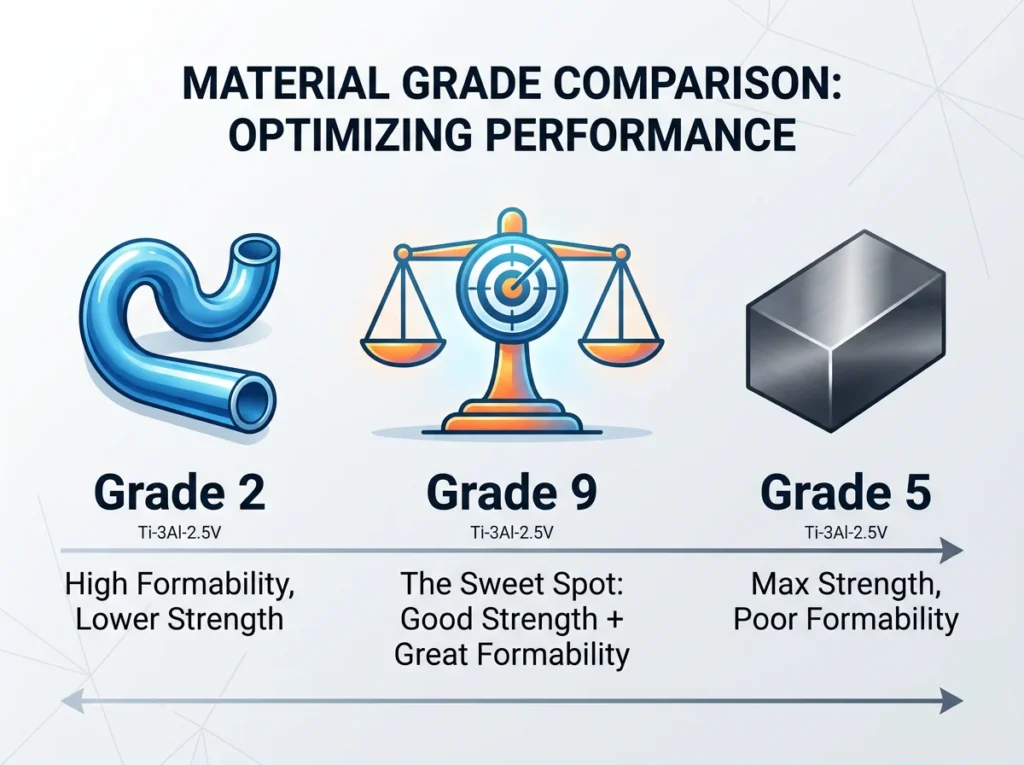
Because Grade 5 contains higher amounts of alloying elements (6% Aluminum, 4% Vanadium), its extreme strength comes at the cost of ductility. It is notoriously difficult to cold-form and drastically reduces the life of CNC cutting tools. Grade 9 (3% Aluminum, 2.5% Vanadium), on the other hand, was specifically engineered to bridge the gap between the easily formable CP titanium and the ultra-hard Grade 5.
Here is how the three most common titanium grades stack up when evaluated for mechanical properties and manufacturability:
| Material Property / Feature | CP Titanium (Grade 2) | Grade 9 (Ti-3Al-2.5V) | Grade 5 (Ti-6Al-4V) |
|---|---|---|---|
| Typical Yield Strength | ~275 MPa (40 ksi) | ~620 MPa (90 ksi) | ~880 MPa (128 ksi) |
| Relative Machinability | 40% – 45% | 30% – 35% | 20% – 25% |
| Cold Formability (Tubing) | Excellent | Excellent | Poor (Requires Hot Working) |
| Weldability (TIG/GTAW) | Excellent | Good / Excellent | Fair |
| Relative Cost | Low | Moderate | High |
The Procurement Takeaway: If your application requires the absolute maximum tensile strength possible (e.g., a jet engine turbine blade), Grade 5 is necessary. However, if your project involves hydraulic lines, custom structural tubing, or complex turned parts where you need significantly more strength than pure titanium but cannot afford the tool wear and scrap rates associated with Grade 5, Grade 9 is the undisputed champion. It allows machine shops to run slightly higher feeds and speeds, directly translating to lower cycle times and reduced final part costs.
Best Practices for Machining Ti-3Al-2.5V
If there is a universal mantra for machining Grade 9 titanium, it is this: Low speed, heavy feed, and never stop moving. Because of its strong tendency to work-harden, the cutting tool must consistently stay beneath the hardened layer created by the previous pass. “Babying” the cut with excessively light feeds or letting the tool dwell will result in immediate tool failure. Below are the specific strategies machine shops use to conquer Ti-3Al-2.5V.
Speeds and Feeds Strategy
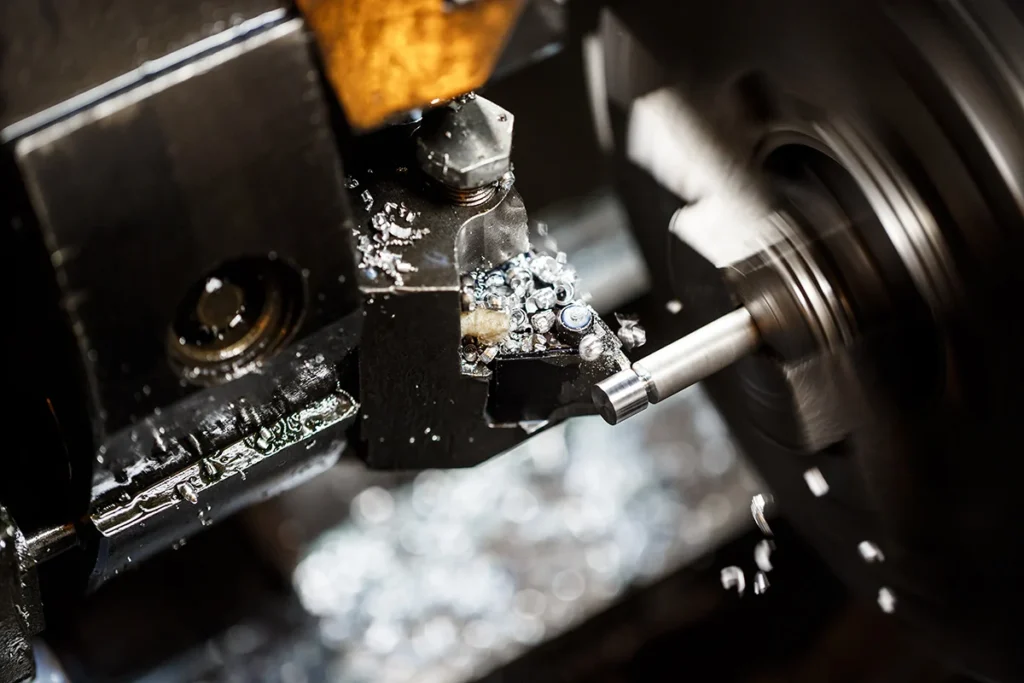
While optimal parameters will always depend on your specific machine’s rigidity and the part’s geometry, the following ranges serve as an excellent starting point for turning operations:
- Cutting Speed: 30 – 60 m/min (100 – 200 SFM). This is generally 15-20% faster than what you would run for Grade 5, but still significantly slower than steel.
- Feed Rate: 0.05 – 0.15 mm/rev (0.002 – 0.006 IPR). Do not reduce the feed rate to improve surface finish; instead, change the tool geometry.
- Depth of Cut (DOC): Ensure the DOC is deep enough to penetrate the work-hardened zone. A minimum DOC of 0.15 mm (0.006″) is recommended, though 0.5 mm to 1.0 mm is ideal for roughing.
Tooling Selection: The “Sharp” Rule
Titanium demands positive rake angles and incredibly sharp cutting edges to shear the material cleanly rather than pushing it.
- Material: Micro-grain carbide inserts (e.g., K20–K30 grades) are highly recommended. High-Speed Steel (HSS) is generally not viable for production runs.
- Coatings: Uncoated carbide can work well if perfectly sharp, but TiAlN (Titanium Aluminum Nitride) coatings are the industry standard here. TiAlN creates a protective aluminum oxide layer under the heat of machining, resisting both thermal shock and galling.
- The Golden Rule: When in doubt, change the insert. Do not attempt to push a dull tool through Grade 9 titanium. The cost of a scrapped aerospace part far exceeds the cost of a new carbide insert.
Coolant and Lubrication: The Pressure Factor
Standard flood cooling is often insufficient for titanium. At high temperatures, a vapor barrier forms around the cutting zone, bouncing flood coolant away before it can extract heat from the tool edge.
- High-Pressure Coolant (HPC): Utilizing high-pressure systems (1000 PSI / 70 Bar or higher) directed precisely at the cutting edge is critical. This not only blasts away the heat but also physically breaks the stringy titanium chips, preventing them from wrapping around the tooling.
- Coolant Type: A high-quality water-soluble emulsion (around 10% concentration) provides the necessary balance of lubricity and thermal extraction.
Pro-Tip: Machining Thin-Walled Titanium Tubing
As a primary supplier of Grade 9 titanium tubing, we frequently see shops struggle not with the material’s hardness, but with its deflection. Because Ti-3Al-2.5V has a low elastic modulus, thin-walled tubes will “squeeze” or push away from the chuck and the cutting tool, causing severe chatter.
- Solution: When turning tubing, minimize the stick-out from the chuck. For tighter tolerances, use internal expanding mandrels to support the inside diameter (ID) of the tube. This prevents the thin walls from collapsing under the cutting pressure and eliminates harmonic vibration.
Beyond Machining: Cold Working and Welding Ti-3Al-2.5V
Machining is often only one step in the manufacturing lifecycle of a component. The primary reason engineers specify Grade 9 titanium over Grade 5 is its behavior outside the CNC machine—specifically, its exceptional formability and weldability.
The Cold Forming Advantage
The most significant limitation of Grade 5 titanium is its brittleness at room temperature; attempting to bend it cold will almost certainly result in cracking. It requires expensive hot-working setups (often heated above 600°C / 1100°F).
Grade 9, by contrast, is engineered for cold working. It can be cold-drawn into seamless tubing with incredibly thin walls (down to 0.001 inches in specialized applications). For fabrication shops, Ti-3Al-2.5V tubing can be easily processed on standard CNC tube benders at room temperature. It also exhibits excellent flaring capabilities, which is a critical requirement for creating secure, leak-proof fluid fittings in aerospace applications.
- Engineering Note: While it bends beautifully, remember its low elastic modulus. You must factor in significant springback (often 10° to 15° depending on the radius and wall thickness) when programming your bending dies.
Welding Grade 9 Titanium (GTAW / TIG)
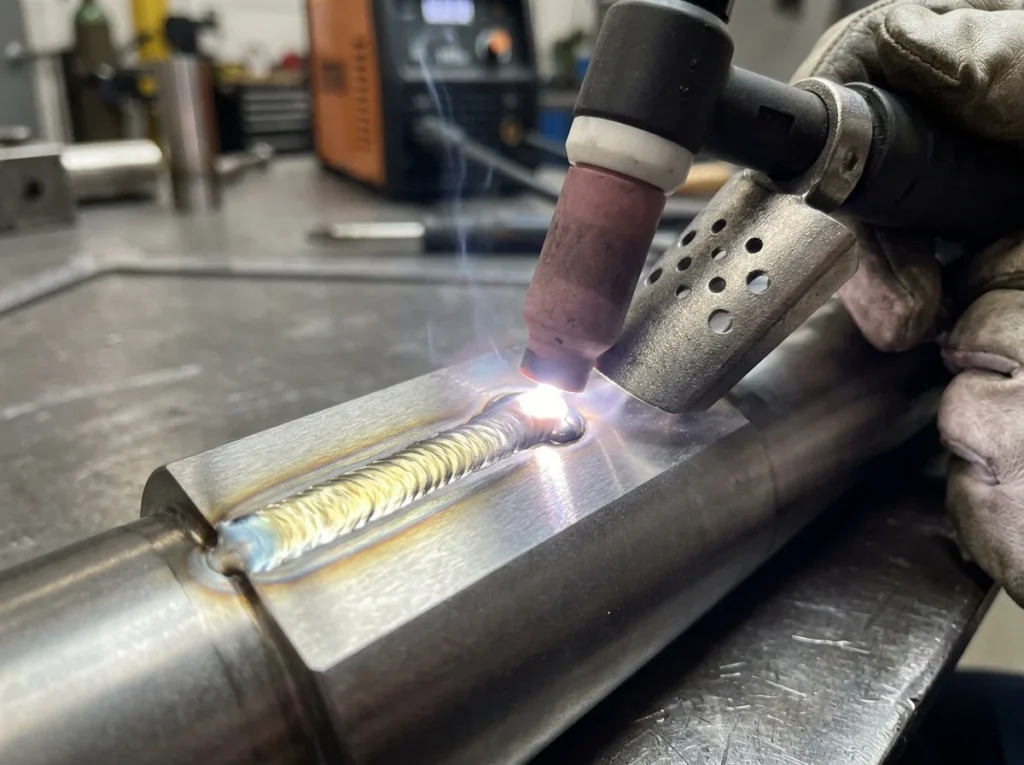
When your machined fittings need to be attached to your cold-bent tubing, welding comes into play. Grade 9 offers good to excellent weldability, typically joined using Gas Tungsten Arc Welding (GTAW / TIG). Filler metal of the same composition (ERTi-9) or CP titanium (ERTi-2) is commonly used.
However, titanium’s chemical reactivity poses a massive threat during welding. At temperatures above 425°C (800°F), titanium acts like a sponge for oxygen and nitrogen. If the weld pool absorbs atmospheric gases, it forms a brittle, glass-like layer known as “alpha case,” which will catastrophically fail under pressure.
Critical Welding Rules for Ti-3Al-2.5V:
- 100% Argon Shielding: You must use high-purity (99.999%) Argon gas.
- Trailing Shields: A standard TIG cup is not enough. You must use a trailing shield to protect the weld puddle as it cools.
- Back Purging (Internal Shielding): If you are welding tubing, the inside of the tube must be continuously purged with Argon. Oxygen contamination on the backside of the weld is the number one cause of failure in titanium lines.
- Visual Inspection: A healthy titanium weld should be bright silver or light straw. If your weld is deep blue, purple, or powdery white, it is heavily contaminated.
Common Industry Applications of Ti-3Al-2.5V
The unique combination of moderate-to-high strength, excellent cold formability, and reliable weldability makes Grade 9 titanium the material of choice for several high-stakes industries:
- Aerospace Hydraulic and Pneumatic Lines: Aircraft require fluid lines that can withstand immense internal pressures while remaining as light as possible. Grade 9 allows engineers to design tubes with extremely thin walls to save weight, while its cold-bending capabilities allow those tubes to be routed through complex fuselages.
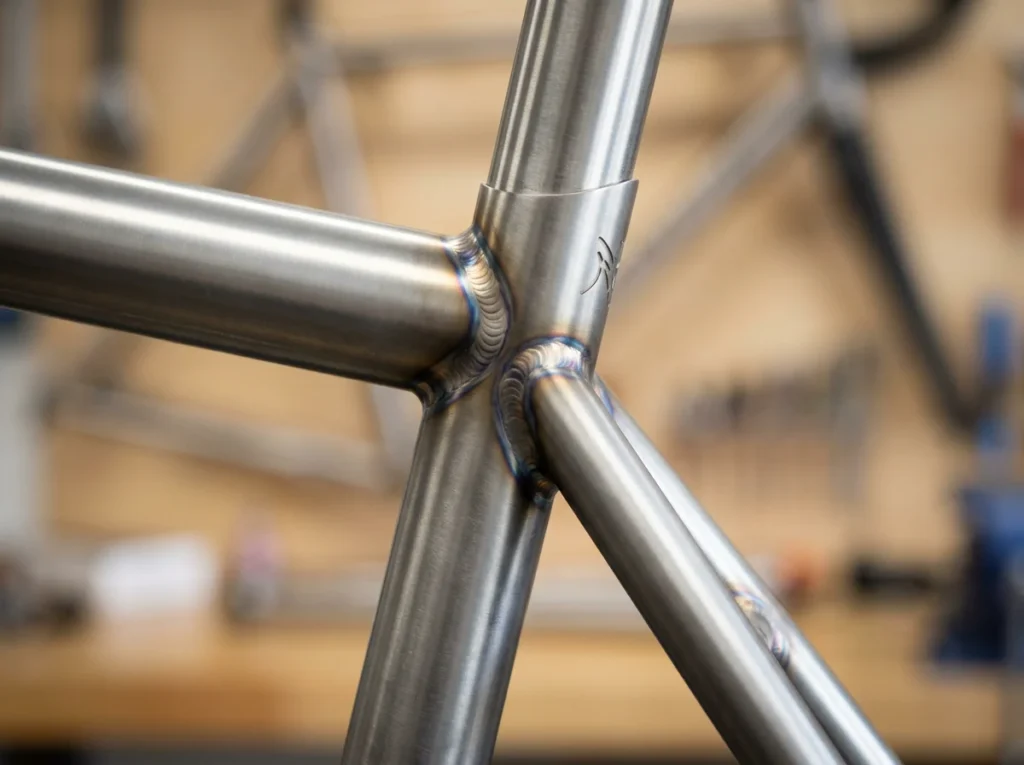
- Custom Bicycle Frames and Motorsports: The very characteristic that makes Grade 9 tricky to machine—its low modulus of elasticity (springiness)—makes it a legendary material for high-end bicycle frames and motorsport roll cages. It naturally dampens road vibration while its high yield strength ensures it won’t fail under extreme stress.
- Marine and Subsea Components: Like most titanium alloys, Grade 9 forms a passive oxide layer that makes it virtually immune to saltwater corrosion. It is frequently used in subsea sensor housings and marine shafts.
- Medical Devices: Due to its excellent biocompatibility, it is often specified for surgical instruments and orthopedic devices.
FAQ: Frequently Asked Questions About Grade 9 Titanium
Q: Can I use High-Speed Steel (HSS) tooling to machine Grade 9 titanium?
A: While technically possible for very light prototyping, it is highly discouraged for production runs. The extreme heat generated at the cutting edge will quickly degrade HSS. Micro-grain carbide inserts, preferably with a TiAlN coating, are the industry standard required to withstand the high temperatures and prevent galling.
Q: Does Ti-3Al-2.5V require heat treatment after machining?
A: Generally, no. Grade 9 is most commonly supplied and used in either the Annealed or the Cold-Worked and Stress-Relieved (CWSR) condition. Unless you have performed severe cold-forming operations that introduce high residual stresses, post-machining heat treatment is not necessary.
Q: Can I use standard water-soluble coolant when cutting Grade 9?
A: Yes, a high-quality water-soluble emulsion (around 10-12% concentration) works well. However, never use chlorine-based cutting fluids with titanium. Halogens like chlorine can induce stress corrosion cracking in titanium alloys over time.
Q: Why is my Grade 9 titanium tubing vibrating and chattering so much on the lathe?
A: This is due to titanium’s low modulus of elasticity (roughly half that of steel). The material acts like a spring and pushes away from the cutting tool. To fix this, minimize the tube’s stick-out from the chuck, use sharper cutting inserts with a highly positive rake angle, and utilize internal expanding mandrels to support thin-walled tubing.
Q: Is Grade 9 titanium magnetic?
A: No. Like all commercial titanium alloys, Ti-3Al-2.5V is completely non-magnetic. This makes it an excellent choice for housings around sensitive electronics and MRI equipment.
Conclusion: Mastering the “Goldilocks” Alloy
So, is Grade 9 titanium hard to machine? It is perhaps more accurate to say it is simply unforgiving.
If you approach Ti-3Al-2.5V with dull tools, low feed rates, and poor coolant pressure, it will work-harden and destroy your inserts. However, if you respect its properties—maintaining a heavy, continuous feed, utilizing sharp micro-grain carbide, and blasting the cutting zone with high-pressure coolant—it is highly manageable and significantly more cooperative than Grade 5.
For engineers and procurement teams, Grade 9 remains the ultimate “Goldilocks” alloy: offering a perfect bridge between the formability of pure titanium and the extreme strength of aerospace-grade alloys.
Ready to start your next titanium project?
As a trusted supplier of premium titanium alloys, we stock a comprehensive inventory of Grade 9 (Ti-3Al-2.5V) seamless tubing, bar, and sheet stock, ready for immediate dispatch. Whether you need standard dimensions or custom cold-drawn tubing for a specialized application, our material experts are here to help.