If you’re sitting on a pile of titanium turnings, plate offcuts, or machining waste, you’re holding more value than you might realize. But here’s the challenge: titanium scrap pricing isn’t straightforward. Two batches of seemingly identical material can fetch wildly different prices depending on how you prepare, present, and negotiate. This guide shows you exactly how to extract maximum value from your titanium scrap through strategic preparation, smart buyer selection, and timing your sales right.
Understanding Titanium Scrap Value Fundamentals
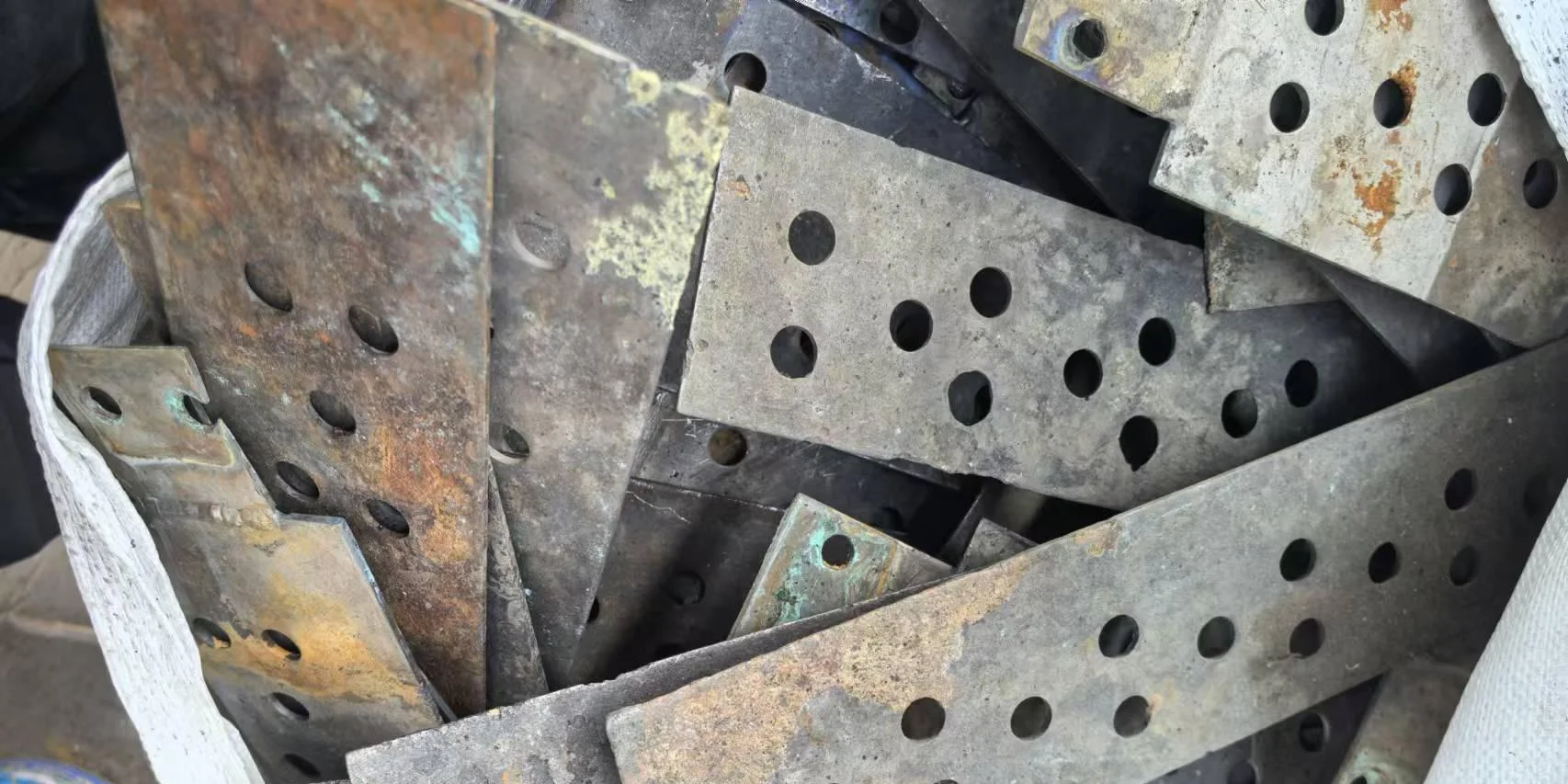
Titanium scrap value operates on a three-tier hierarchy that most sellers overlook. At the foundation sits alloy grade (CP-1 through Grade 23, each commanding different base prices). The middle layer is physical form (solid chunks pay 30-50% more than turnings). The top layer is purity level (contamination can slash value by half). Think of it as a decision tree: your starting point determines which branches you can access, and each branch leads to vastly different price outcomes.
Why Titanium Scrap Commands Premium Prices
Unlike steel or aluminum scrap, titanium recycling saves massive energy. According to U.S. Geological Survey data, producing virgin titanium from ore requires approximately 180,000 kWh per ton. Recycling titanium scrap uses less than 10% of that energy. This energy differential—combined with titanium’s irreplaceable properties in aerospace, medical, and chemical applications—creates sustained demand even when other scrap markets soften. Buyers aren’t just purchasing metal; they’re buying pre-processed material that eliminates 90% of production costs.
Common Titanium Scrap Forms & Value Ranges
Not all scrap shapes equal. Here’s what buyers actually pay:
| Form | Price Range ($/lb) | Advantages | Disadvantages |
|---|---|---|---|
| Solid Chunks | $3.50 – $6.00 | Easy to verify grade, minimal contamination risk | Heavier shipping costs |
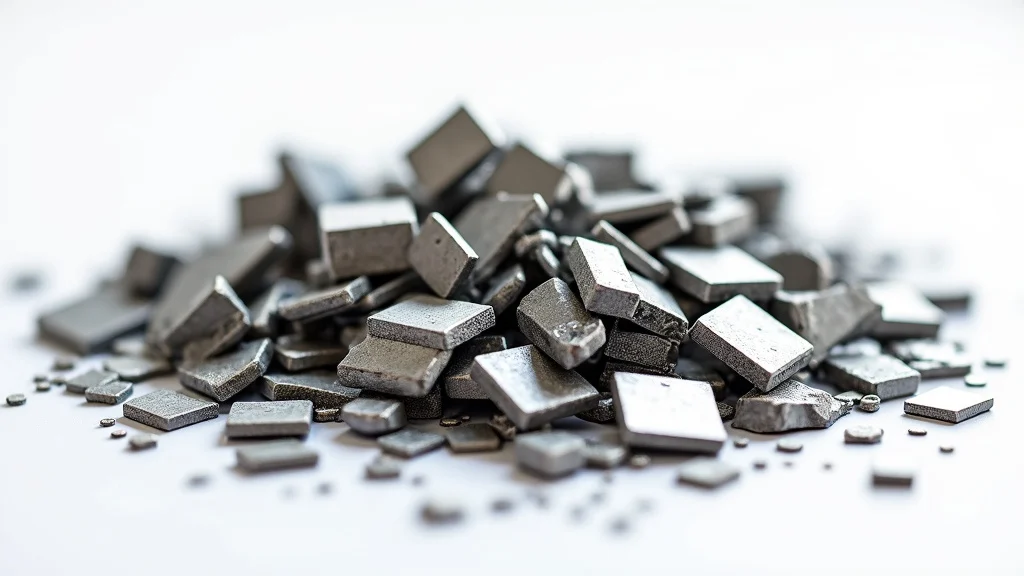
| Plate Offcuts | $3.00 – $5.50 | Traceable to mill certs, clean edges | May contain surface oxidation |
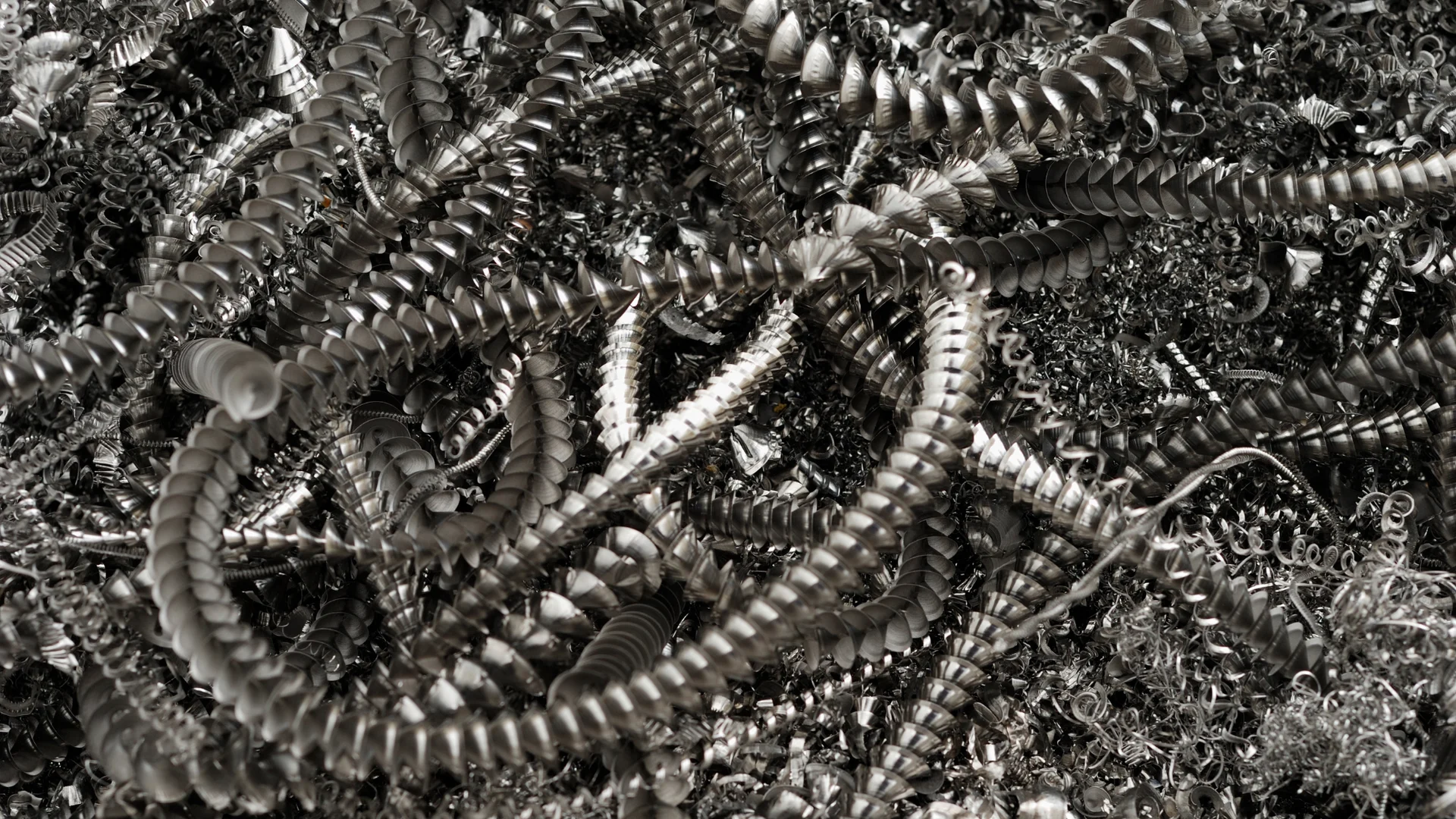
| Clean Turnings | $2.00 – $4.00 | High volume generation, easier to collect | Requires oil removal, lower density |
| Mixed Scrap | $1.50 – $3.00 | No sorting labor needed upfront | Buyer assumes grading risk, lowest price |
| Contaminated Material | $0.80 – $2.00 | Still salvageable value | Processing penalties, possible rejection |
Note: Prices fluctuate based on commodity market indicators and regional supply-demand dynamics. Always verify current rates before committing.
Key Factors That Determine Your Titanium Scrap Price
Understanding the five-dimensional pricing model helps you predict your scrap’s worth accurately. Each dimension multiplies (not adds to) your final value, which means a single weakness can crater your price.
Alloy Grade & Chemical Composition Impact
Grade matters more than weight. Here’s the pricing hierarchy:
| Grade | Price Multiplier | Typical Buyers | Critical Tolerance |
|---|---|---|---|
| Grade 5 (Ti-6Al-4V) | 1.0x (baseline) | Aerospace, medical device manufacturers | ±0.05% Al, ±0.02% V |
| Grade 23 (Ti-6Al-4V ELI) | 1.15-1.25x | Surgical implant makers | Extremely low interstitials |
| Grade 2 (CP Titanium) | 0.70-0.85x | Chemical processing, marine | Iron <0.30%, Oxygen <0.25% |
| Grade 9 (Ti-3Al-2.5V) | 0.90-1.05x | High-performance tubing applications | Vanadium ±0.1% |
Critical insight: If your Grade 5 scrap’s aluminum content drifts just 0.1% outside spec, buyers may reclassify it as “off-grade” and discount by 30%. Always request XRF (X-ray fluorescence) testing before quoting—guessing costs you money.
Contamination Types & Price Penalties
Contamination isn’t binary. Different pollutants carry different penalties:
- Oil/cutting fluid (5-15% penalty): Removable through thermal cleaning, but adds processing cost. Clean turnings immediately after machining to avoid this.
- Steel/iron mixing (20-35% penalty): Requires magnetic separation and re-melting. Even 2% steel contamination can disqualify scrap from aerospace buyers.
- Aluminum chips mixed in (30-50% penalty): Nearly impossible to separate economically. Sort at the source or face severe markdowns.
- Oxide scale/discoloration (10-20% penalty): Surface oxidation from heat treatment. Light polishing can recover value; heavy scaling may require chemical pickling.
Actionable tip: Use a simple magnet test before shipping. If your “titanium” scrap attracts a magnet, you have steel contamination that will trigger immediate price cuts or rejection.
Volume & Consistency Benefits
Buyers pay premium for predictability. Here’s the volume pricing curve most recyclers won’t tell you about:
- Under 500 lbs: Spot market rates (baseline)
- 500-2,000 lbs: +5-8% volume bonus
- 2,000-10,000 lbs: +10-15% bonus + negotiable payment terms
- Over 10,000 lbs or recurring monthly supply: +15-20% bonus + locked-in quarterly contracts
If you generate 300 lbs monthly, consider warehousing for 3-4 months before selling. The 12% volume premium typically exceeds your storage costs and offsets any minor price fluctuations.

How to Calculate Your Titanium Scrap Value (Step-by-Step Method)
Stop guessing. Use this three-step formula that professional scrap managers rely on:
Quick Valuation Formula
Net Value = (Weight × Base Price × Purity Factor × Form Factor) – (Cleaning Cost + Transport Cost)
Parameter Guide:
- Weight: Actual pounds (weigh on certified scale; buyer’s scale is final)
- Base Price: Current market rate for Grade 5 solid scrap ($4.50/lb as of late 2024; verify current)
- Purity Factor: 1.0 for certified clean; 0.85 for minor oil residue; 0.65 for mixed contamination
- Form Factor: 1.0 for solid; 0.75 for clean turnings; 0.55 for mixed forms
- Cleaning Cost: $0.10-0.30/lb for oil removal; $0 if sold as-is (buyer deducts from price)
- Transport Cost: $0.05-0.15/lb depending on distance and weight
Worked Example:
You have 500 lbs of Grade 5 turnings with 3% cutting oil residue.
- Base Price: $4.50/lb (current market)
- Purity Factor: 0.85 (light contamination)
- Form Factor: 0.75 (turnings)
- Cleaning: You choose not to clean (buyer handles it, reflects in their purity factor)
- Transport: $50 flat rate = $0.10/lb
Calculation:
Net Value = (500 × $4.50 × 0.85 × 0.75) – ($0 + $50)
= (500 × $2.87) – $50
= $1,435 – $50
= $1,385 total ($2.77/lb effective rate)
If you had cleaned those turnings yourself (cost: $60 for solvent bath), your Purity Factor jumps to 0.95:
= (500 × $4.50 × 0.95 × 0.75) – ($60 + $50)
= $1,606 – $110
= $1,496 total ($2.99/lb effective rate)
Takeaway: Spending $60 on cleaning netted you an extra $111—an 85% ROI in under an hour of work.
Titanium Scrap Grades & Forms Value Comparison Table
| Grade | Typical Price Range ($/lb) | Common Forms | Best Applications | Buyer Preference |
|---|---|---|---|---|
| Grade 5 Solid | $4.00 – $6.00 | Bar ends, billet offcuts | Aerospace re-melt stock | ⭐⭐⭐⭐⭐ (Sweet Spot) |
| Grade 5 Turnings | $2.50 – $4.50 | Machining chips, swarf | Powder metallurgy feedstock | ⭐⭐⭐⭐ |
| Grade 23 Solid | $4.50 – $7.00 | Medical implant rejects | High-purity re-melt | ⭐⭐⭐⭐⭐ |
| Grade 2 Plate | $2.50 – $4.00 | Chemical tank offcuts | Corrosion-resistant applications | ⭐⭐⭐ |
| Grade 9 Tubing | $3.00 – $5.00 | Bicycle frame scrap, tubing ends | High-strength tube production | ⭐⭐⭐⭐ |
| Mixed Grades | $1.50 – $3.00 | Unsorted shop scrap | Low-grade re-melt or downgrading | ⭐⭐ |
Sweet Spot combinations offer best price-to-effort ratio. Notice how Grade 5 solid commands premiums despite its ubiquity—this is where mill certificates and traceability pay off.
Smart Strategies to Maximize Your Scrap Revenue
Knowing your scrap’s theoretical value means nothing if you can’t capture it. Here’s the four-step optimization process that separates savvy sellers from those leaving money on the table.
Pre-Sale Preparation Checklist
Complete this checklist before contacting any buyer. Each item protects or increases your final payout:
- ☐ Segregate by grade (High Impact): Store Grade 5 separate from Grade 2. Mixed batches get priced at lowest-grade rate.
- ☐ Segregate by form (High Impact): Keep solid chunks away from turnings. Buyers won’t sort for you.
- ☐ Remove obvious contaminants (High Impact): Pull out steel fasteners, aluminum spacers, tape, labels. Five minutes of picking can recover 15% value.
- ☐ Dry oil-soaked turnings (Medium Impact): Spread on cardboard overnight. Reduces weight penalties (oil adds non-metal weight).
- ☐ Weigh accurately (Medium Impact): Use certified scale if possible. Document weights with photos. Disputes favor documented sellers.
- ☐ Photograph everything (Medium Impact): Wide shots + close-ups of representative pieces. Visual proof protects against lowball “condition” claims.
- ☐ Locate original mill certificates (High Impact): Certified material pays 10-20% more. Even photocopies help.
- ☐ Bundle small lots (Medium Impact): Combine multiple small batches from different jobs. Reach volume thresholds.
- ☐ Calculate your baseline value (Low Impact): Use the formula above. Know your walk-away number before negotiating.
- ☐ Get 3+ competing quotes (High Impact): Never sell on first offer. Price variance between buyers averages 15-25%.
Quality Documentation & Testing
Documentation directly translates to dollars. Here’s what matters:
Must-Have Documents:
- Mill certifications (or copies): Proves grade and chemistry. Adds 10-20% to price for aerospace/medical grade material.
- Material traceability records: Lot numbers linking scrap to original purchase orders. Critical for aerospace buyers.
- Weight tickets: Your scale readings with date/time. Prevents disputes over claimed vs. actual weight.
Nice-to-Have (Adds 5-10%):
- XRF test reports: Independent chemistry verification. Costs $50-100 but can recover that 5x in better pricing.
- ISO certification of your facility: Signals quality control. Preferred by automotive/aerospace buyers.
- Photographic inventory: Dated images of material condition. Useful for remote quotes and dispute resolution.
DIY Quality Check: Before paying for XRF testing, run a magnet over your scrap pile. Titanium is non-magnetic; if anything sticks, you have steel contamination that will kill your price. Magnetic separation is your first quality gate.
Market Timing & Price Negotiation Tactics
Titanium scrap prices follow predictable cycles tied to aerospace production and raw material availability. Track these indicators for optimal timing:
Price Cycle Indicators:
- Aircraft order backlogs: Boeing/Airbus order surges signal 3-6 month price increases as titanium demand rises.
- Nickel prices on LME: Though different metals, nickel trends often precede titanium movements due to superalloy demand correlation.
- Sponge titanium inventory levels: Low global sponge stocks push buyers toward scrap, raising prices 10-15%.
- Quarterly patterns: Prices typically soften in December (budget exhaustion) and August (summer slowdowns). Sell in Q1 or Q3 when possible.
Three Negotiation Frameworks:
1. Anchoring High: Open 15% above your target price. Example: “I’m seeing $3.25/lb for these Grade 5 turnings based on current market rates.” Forces buyer to justify lower offers with specifics.
2. Volume Commitment: “If we can agree on $2.90/lb, I can commit to 800 lbs monthly for the next six months.” Buyers pay premiums for guaranteed supply streams.
3. Competitive Pressure: “I have a standing offer at $2.75. Can you improve on that?” Only use if you actually have competing quotes—bluffing backfires when buyers call it.
How to Choose Reliable Titanium Scrap Buyers
The difference between a good buyer and a problematic one isn’t just price—it’s payment security, accurate grading, and long-term relationship potential. Use this evaluation matrix to score potential buyers objectively.
Buyer Evaluation Criteria Matrix
| Criteria | Weight | How to Assess | Red Flag Threshold |
|---|---|---|---|
| Business Credentials | 20% | Verify business registration, scrap dealer license, years in operation | No physical address or <2 years operating |
| Payment Security | 25% | Payment method (check/wire/ACH), terms (net-15/30/60), track record | Requests upfront fees or only offers net-60+ |
| Price Transparency | 20% | Written quotes with grade/form breakdown, willingness to explain penalties | Verbal-only quotes or refuses to itemize |
| Testing Capability | 10% | On-site XRF, lab access, shared test results | Cannot verify grade, “trusts” your claim |
| Industry Reputation | 15% | Check BBB rating, trade association membership, customer references | Multiple unresolved complaints |
| Service Range | 5% | Pick-up service, container provision, documentation support | Buyer-pick-only with vague scheduling |
| Relationship Focus | 5% | Contract flexibility, responsiveness, willingness to educate seller | Pushy closing tactics, no follow-up |
Scoring Guide: Rate each criterion 1-5 (1=poor, 5=excellent). Multiply by weight percentage. Total score ≥4.0 indicates a qualified buyer. Scores <3.5 warrant caution; below 3.0, walk away.
Red Flags to Avoid When Selling Scrap
These warning signs indicate buyers you should avoid, regardless of their quoted price:
- 🚩 No written quote: Professional buyers document offers. Verbal-only deals favor the buyer in disputes.
- 🚩 Requests upfront payment: Legitimate buyers never ask sellers for fees. This signals a scam.
- 🚩 Refuses on-site inspection: Buyers unwilling to verify material before purchase often dispute condition after pickup.
- 🚩 No fixed business location: PO boxes or mobile-only operations lack accountability. Prefer buyers with physical yards/offices.
- 🚩 Price far above market: If one buyer quotes 40% above others, question their ability to pay. Too-good offers often lead to payment disputes.
- 🚩 Pressure tactics: “This price expires in 2 hours” or “We’re picking up in your area tomorrow only” are manipulation techniques.
- 🚩 Vague contract terms: “We pay fair market value” without defining the benchmark. Demand specific formulas or locked-in pricing.
Frequently Asked Questions About Titanium Scrap Value
What makes titanium scrap valuable compared to other metals?
Titanium’s value stems from its energy-intensive primary production and irreplaceable properties. Recycling saves 90% of production energy while maintaining material performance. Unlike steel (infinite recyclability but low scrap value), titanium scrap fetches premium prices because it directly displaces expensive virgin material in aerospace, medical, and chemical applications. Current scrap-to-new price ratios average 40-60%, far higher than steel’s 10-15%.
Why do titanium scrap prices fluctuate?
Three main drivers cause volatility: aerospace manufacturing cycles (orders surge and crash with economic conditions), global sponge titanium supply (China’s export policies heavily influence availability), and nickel price correlations (superalloys share demand patterns). Seasonal factors also matter—December and August typically see 5-10% dips as buyers exhaust budgets or slow for vacations.
What is the difference between new production scrap and old scrap?
New production scrap (turnings, cutoffs generated during manufacturing) offers higher value due to known grade, minimal contamination, and traceability to original mill certs. Old scrap (retired parts, demolition material) faces uncertainty about alloy composition and contamination history, resulting in 20-40% price discounts. New scrap’s pedigree eliminates buyer risk, justifying the premium.
How is titanium scrap graded for pricing?
Grading follows a three-tier assessment: (1) Alloy identification via XRF testing confirms grade (2, 5, 23, etc.); (2) Form classification (solid, turnings, mixed) determines processing requirements; (3) Contamination level (clean, oiled, mixed-metal) establishes penalties. Buyers apply multiplicative factors—a Grade 5 solid piece starts at baseline, while Grade 5 oiled turnings might be 0.85 × 0.75 = 0.64x baseline value.
What percentage of titanium can be recycled?
Technically, 100% of titanium is recyclable without property degradation. Practically, recovery rates depend on contamination levels. Clean, segregated scrap achieves 95%+ recovery. Mixed or contaminated material may see 60-80% recovery after reprocessing losses. The limiting factor isn’t recyclability but economic feasibility—heavily contaminated scrap costs more to clean than it’s worth.
How do I prepare titanium scrap for sale?
Follow this sequence: (1) Segregate by grade using mill certs or XRF testing; (2) Separate forms (solid vs. turnings); (3) Remove contaminants (steel, aluminum, plastic) manually; (4) For oily turnings, air-dry on cardboard 24-48 hours; (5) Weigh and photograph batches; (6) Locate original documentation. This preparation takes 2-4 hours per 500 lbs but typically increases value 15-25%.
What steps should I take to clean contaminated titanium scrap?
For oil/cutting fluid: Spread turnings thinly on absorbent material; air-dry 48 hours; or use solvent wash (mineral spirits) with proper ventilation. For surface oxides on solid pieces: Light wire-brushing or chemical pickling (hydrofluoric acid solutions—requires safety equipment). For mixed-metal contamination: Manual sorting is only economical option; magnetic separation removes steel. Budget $0.10-0.30/lb for DIY cleaning or accept buyer penalties of similar magnitude.
How can I verify the grade of my titanium scrap?
Three methods in order of reliability: (1) Original mill certification (definitive but requires documentation); (2) XRF testing ($50-100 per test, provides elemental analysis in seconds); (3) Visual inspection combined with spark testing (experienced operators can distinguish CP from alloys, but not specific grades). Never guess—misrepresenting Grade 2 as Grade 5 leads to rejected loads and damaged reputation.
What documentation do I need to sell titanium scrap?
Minimum requirements: Business identification (tax ID for companies, driver’s license for individuals) and weight documentation. Value-enhancing documents: Mill certificates proving grade, material traceability records (lot numbers to purchase orders), XRF test reports, and photographs showing condition. For aerospace/medical-grade material, certified test reports can increase value 15-20%.
How should I store titanium scrap to maintain value?
Store indoors or under waterproof covers to prevent oxidation. Segregate grades and forms in labeled containers. Keep off dirt floors (use pallets) to avoid soil contamination. For turnings, ensure adequate airflow to prevent oil rancidity and heat buildup (fire risk). Store away from steel to prevent galvanic contamination. Proper storage costs minimal effort but preserves 100% of value versus 10-20% loss from neglect.
Is aerospace-grade titanium scrap worth more than industrial grade?
Yes, typically 15-30% more. Aerospace grades (Grade 5, Grade 23) command premiums due to: (1) Strict chemistry tolerances enabling reuse in critical applications; (2) Documentation requirements that prove pedigree; (3) Established remelting markets willing to pay for certified material. However, this premium only applies if you can provide supporting documentation—undocumented aerospace scrap gets priced as industrial grade.
Should I sell to a local buyer or national recycler?
Local buyers offer convenience (lower transport costs, faster payment) but may lack specialized titanium expertise, resulting in conservative pricing. National recyclers typically pay 10-15% more due to established aerospace/medical supply chains but require minimum volumes (500+ lbs) and involve shipping costs/delays. For small lots (<300 lbs), local works better. For recurring supply or large batches, national recyclers’ premium offsets logistics.
Clean titanium turnings vs mixed scrap: which pays better?
Clean, grade-identified turnings pay 50-100% more than mixed scrap. Example: Clean Grade 5 turnings fetch $2.50-4.00/lb; mixed unidentified scrap brings $1.50-2.50/lb. The effort to segregate (typically 30 minutes per 100 lbs) generates $50-150 in added value. Only leave material mixed if you lack documentation to prove grades—buyers will assume lowest-value composition.
Is it better to sell now or wait for higher prices?
Depends on three factors: (1) Storage costs (if paying for warehouse space, holding costs may exceed potential gains); (2) Volume accumulation (waiting to reach 1,000+ lbs unlocks volume premiums); (3) Market indicators (rising aircraft orders or low sponge inventory suggest upward price pressure). General rule: If you can store cost-effectively and expect to double your volume within 3 months, wait. Otherwise, sell now—timing the peak is difficult.
Where can I get a fair quote for my titanium scrap?
Request quotes from: (1) Specialized titanium recyclers (search “titanium scrap buyers” + your region); (2) Aerospace-focused scrap dealers who understand grade premiums; (3) Industrial metal recycling yards with non-ferrous divisions. Always get 3+ quotes to establish fair market range. Provide photos, weights, and grade information upfront for accurate pricing. Avoid buyers unwilling to provide written quotes.
What payment terms should I expect from scrap buyers?
Industry standards: Small loads (<500 lbs): Payment on pickup or net-7 days. Medium loads (500-2,000 lbs): Net-15 to net-30 days. Large/recurring supply: Net-30 to net-45 days with potential for improved pricing. Reputable buyers offer check, ACH, or wire transfer. Be wary of buyers pushing net-60+ terms without compensating price increases—this signals cash flow problems.
How do I negotiate better prices with titanium scrap buyers?
Three proven tactics: (1) Anchor high by opening 10-15% above your target, forcing buyers to justify lower offers with specifics; (2) Leverage volume commitments (“Can you improve to $X if I guarantee 500 lbs monthly?”); (3) Use competitive pressure (“I have a standing offer at $Y—can you match or exceed?”). Always negotiate from documented market data, not guesses. Buyers respect informed sellers and discount those who negotiate blindly.
Partner with HonTitan for Maximum Titanium Scrap Value
Understanding titanium scrap value is one thing—realizing it is another. Whether you’re sitting on Grade 5 aerospace offcuts or managing mixed production scrap, HonTitan specializes in turning your titanium waste into optimized returns. As a dedicated titanium supply chain partner, we bring deep expertise across aerospace, medical, industrial, and commercial applications. Our advantage? We don’t just buy scrap—we help you prepare, grade, and package material to capture maximum value.
With comprehensive titanium knowledge, quality verification capabilities, and transparent pricing based on real-time market data, HonTitan serves as your strategic partner rather than just another buyer. We maintain extensive high-purity titanium inventory, offer customized solutions for unique material compositions, and provide full documentation support to ensure your scrap commands premium pricing. Visit hontitan.com to submit your material specifications and receive a detailed assessment. Our team responds within 24 hours with actionable recommendations and competitive quotes. Whether you need one-time disposal assistance or ongoing partnership for recurring scrap streams, HonTitan delivers the expertise and reliability that maximizes your titanium scrap returns while minimizing your administrative burden.