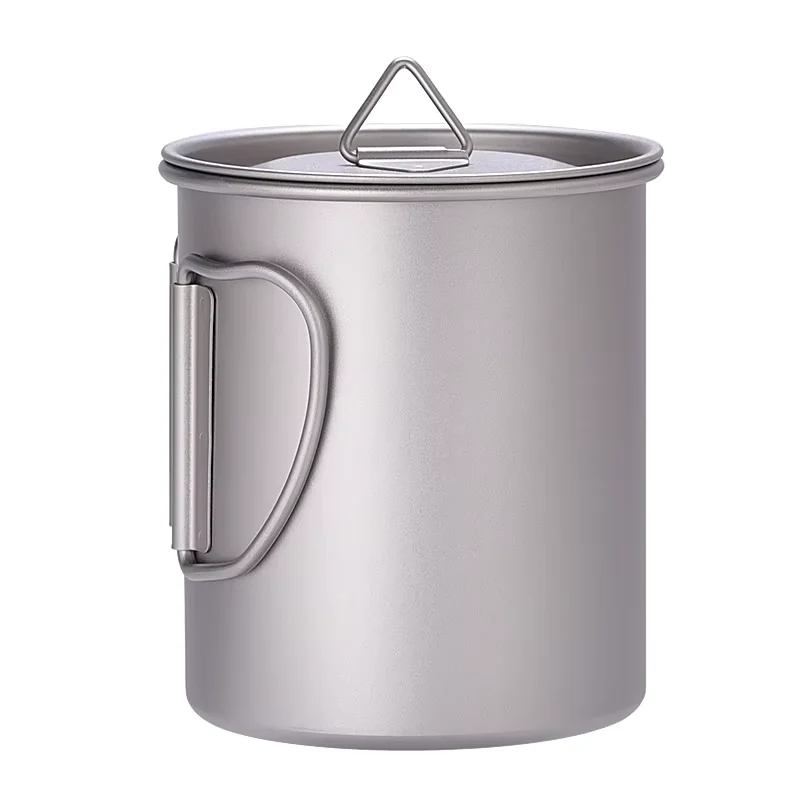
Imagine a metal that can shift in a brilliant rainbow of colours without a single drop of paint, dye, or pigment.
Titanium anodising is one of the most fascinating processes in modern manufacturing. It perfectly marries the precision of industrial engineering with the beauty of optical physics. Whether you are a medical device engineer requiring strict colourcoding for surgical implants, an aerospace manufacturer seeking anti-galling solutions, or a custom knife maker looking for that perfect aesthetic, understanding this process is crucial.

In this comprehensive guide, we go beyond the surface. We will explore the physics of thin-film interference, provide a precise voltage colour chart, and explain why the grade of titanium you choose (Grade 2 vs. Grade 5) is the secret to vibrant results.
What is titanium anodising?
At its core, titanium anodising (specifically Type III anodising) is an electrolytic finishing process that manipulates the oxide layer on the surface of the metal.
Unlike aluminium anodising, which creates a porous surface to absorb dyes, titanium anodising uses electricity to thicken the naturally occurring oxide film. It is non-toxic, biocompatible, and does not alter the dimensional tolerances of the part—making it the gold standard for precision industries.
The Physics of Color: Thin Film Interference
The most common question we receive is: “What kind of dye do you use to get that blue?” The answer is: None.
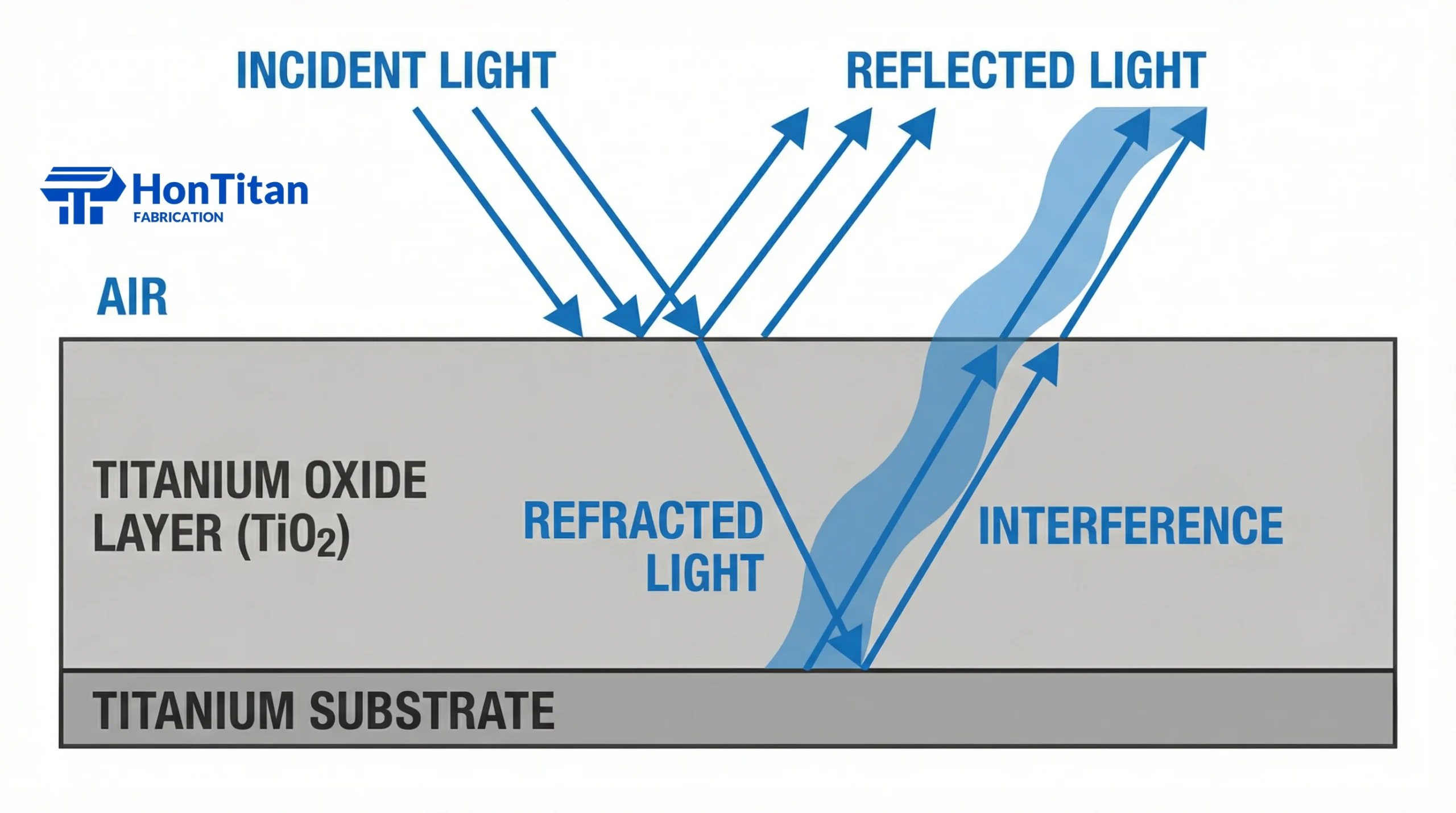
The vibrant colours you see on anodised titanium are created by a phenomenon called Thin Film Interference—the exact same physics that creates rainbows in soap bubbles or oil slicks on water.
How It Works
The process begins when voltage is applied to titanium in an electrolyte bath, forming a transparent layer of Titanium Dioxide (TiO₂) on the surface. When light hits this layer, refraction and reflection occur simultaneously; part of the light reflects off the surface of the oxide, while the rest travels through the transparent layer and reflects off the metal substrate underneath. As these two light waves meet again upon exiting, they interfere with each other. Depending on the thickness of the oxide layer, certain wavelengths of light (colors) are amplified through constructive interference, while others are canceled out.
Voltage Controls Thickness
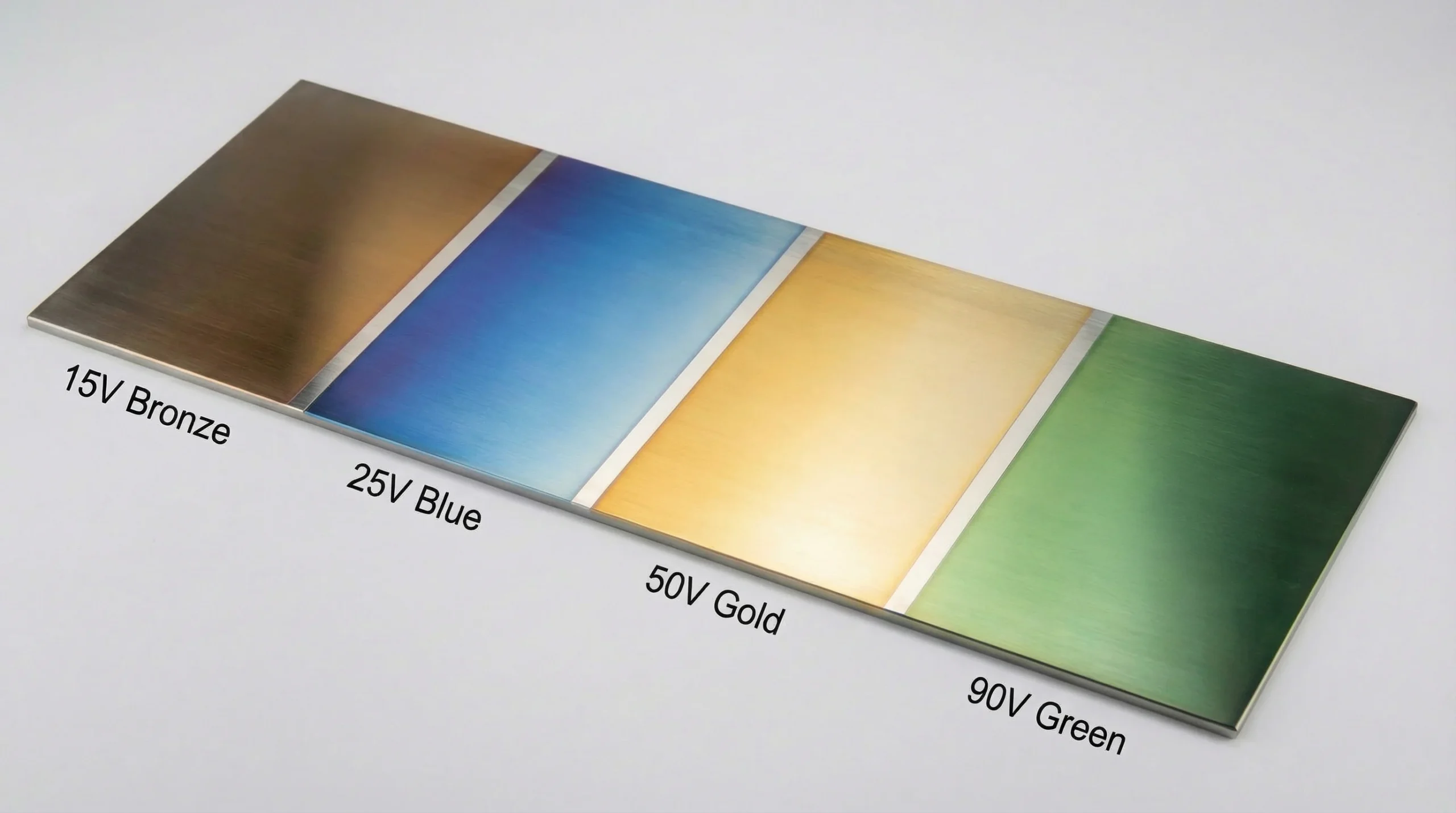
The “magic” is actually just math. The applied voltage directly controls the thickness of the oxide layer. By controlling the voltage, we are essentially tuning the metal to reflect a specific colour frequency. For instance, low voltage (~15V) creates a thin layer around 300 Angstroms, appearing Bronze, while High Voltage (~90V) creates a thick layer around 1100 Angstroms, appearing Green.
The Ultimate Titanium Anodizing Voltage Chart
One of the most common questions engineers ask is: “What exact voltage do I need to achieve a specific blue?”
Because the oxide thickness grows linearly with voltage, the color spectrum is predictable and repeatable. Below is the industry-standard reference chart for Direct Current (DC) anodizing.
| Voltage (DC) | Approximate Color | Oxide Thickness (Å) | Application Notes |
|---|---|---|---|
| 10V – 15V | Bronze / Brown | ~300 Å | Vintage look, highly durable. |
| 20V – 25V | Dark Blue / Purple | ~400 Å | Standard for medical color-coding. |
| 30V – 40V | Light Blue (Sky) | ~500 Å | Its high visibility makes it popular in the aerospace industry. |
| 50V – 55V | Gold / Yellow | ~800 Å | This colour is often used to mimic gold plating. |
| 60V – 70V | Pink / Magenta | ~950 Å | The colour has a vibrant and unique aesthetic. |
| 80V – 100V | Teal / Green | ~1100 Å | This colour requires precise surface preparation and is the hardest to control. |
(Note: These values are approximate. Factors like electrolyte temperature and alloy composition can shift the spectrum by ±2-3 Volts.)
The “Impossible” Colors: Red and Black
You might notice two major colors missing from the chart above: Red and Black.
Anodizing is a refractive process, meaning it relies on light interference. To achieve black, the surface would need to absorb all light, but the thin oxide layer cannot do this. Consequently, “Black Titanium” is almost always achieved through PVD (Physical Vapor Deposition) or DLC coating rather than anodizing. Similarly, while you can achieve pinks, purples, and reddish-browns, a true “Fire Engine Red” is not possible within the standard visible light interference spectrum of titanium oxide.
Material Matters: Grade 1 vs. Grade 5 Titanium
This is the industry secret that most general tutorials overlook: The canvas determines the painting.
The grade of titanium you choose has a massive impact on the vibrancy and tone of the final color. As a professional supplier, we often see customers blame their power supply when the issue is actually the substrate material.
Grade 1 & 2 (Commercially Pure Titanium) – The “Vibrant Choice”
Commercially Pure (CP) titanium contains almost no alloying elements. When anodized, it forms a pure, consistent Titanium Dioxide (TiO₂) layer that results in colors that are incredibly bright, clear, and gem-like. This makes it the ideal material for jewelry, art installations, and high-visibility coding. For the most vivid results, we recommend viewing our Grade 2 Titanium Sheets.
Grade 5 (Ti-6Al-4V) – The “Structural Choice”
This is the workhorse alloy for aerospace and medical industries, containing 6% Aluminum and 4% Vanadium. These alloying elements form their own oxides mixed into the layer, which act as impurities that disrupt the refractive index of the film. As a result, colors tend to be more matte, muted, or “darker”. For example, the “Gold” setting (50V) on Grade 5 often appears as a darker, antique brass color rather than a bright yellow gold. It is best suited for high-strength structural parts, knife scales, and fasteners where strength is the priority over color brightness. If you need high strength, explore our Grade 5 Titanium Rods.
Equipment & Preparation: The Key to Success
If there is one rule in anodizing, it is this: 90% of the result is determined before you even turn on the power.
The most common cause of “splotchy” or dull colors isn’t the voltage—it’s poor surface preparation. To achieve industrial-grade results, you need the right setup.
1. Safety First: The Danger of Titanium Fire
Before we discuss chemistry, we must address a critical safety hazard often ignored in online tutorials. While anodizing is a relatively cold process, preparing titanium (sanding, grinding, or polishing) produces fine titanium dust which is highly flammable. Titanium can burn in nitrogen and even underwater. Therefore, standard water or CO₂ extinguishers will not put out a titanium fire. You must have a Class D (Metal Fire) extinguisher or a bucket of dry sand nearby when processing titanium.
2. The Gear: Professional vs. Hobbyist
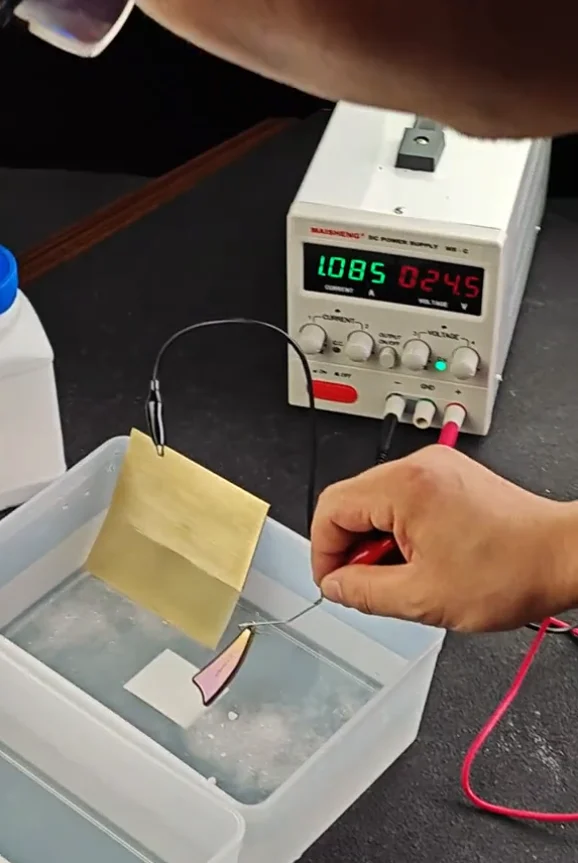
To get professional, repeatable results, forget about 9V batteries. You need a dedicated setup:
- DC Power Supply: Ideally 0-120V and 3A. This allows you to “dial in” the exact voltage for difficult shades like green (90V+).
- The Cathode (Negative): Use a Titanium Mesh or Stainless Steel sheet. Warning: Never use Aluminum or Copper, as they will dissolve and contaminate the bath.
- The Anode (Positive): Use Titanium Wire to hold your part. Using steel or copper wire will short-circuit the process (electricity takes the path of least resistance), leaving the titanium uncolored.
3. The Chemistry: Whink vs. Multi-Etch (The Secret to Vibrant Colors)
This is the most debated topic in the anodizing community. Which etchant should you use?
Option A: Whink (Rust Stain Remover) A consumer-grade product containing dilute Hydrofluoric Acid (HF). While it is cheap and works at room temperature, it often leaves the titanium surface slightly “hazy” or milky. This microscopic roughness scatters light, resulting in dull or muted colors.
Option B: Multi-Etch (The Industrial Standard) A non-acid (when fresh) alternative developed specifically for titanium. When used heated (~150°F), it creates a specific surface topography that maximizes light refraction. This is how high-end jewelry makers achieve those “pop” jewel-tones and deep, saturated purples.
Verdict: If you are making industrial markings, Whink is acceptable. However, if you are making consumer products or jewelry, Multi-Etch is mandatory.
4. Cleanliness is Godliness
Oil is the enemy of anodizing. A single fingerprint contains enough oil to block the electrolyte from touching the metal, leaving a silver thumbprint on your blue part. To ensure success, always wear Nitrile gloves and clean the part with Simple Green or Acetone. Ideally, use an Ultrasonic Cleaner to remove polishing compounds from crevices. Once cleaned and etched, never touch the part with bare hands again.
Step-by-Step Guide: How to Anodize Titanium
Now that you have your equipment ready, let’s walk through the standard industrial process. Whether you are anodizing a single prototype or a batch of 100 medical screws, following this workflow ensures consistency.
- Surface Preparation (Degreasing & Etching) Start by scrubbing the part thoroughly with a detergent (like Simple Green) or soak in acetone. If available, run it through an ultrasonic cleaner.
- The “Water Sheet” Test: Rinse the part. If the water beads up, there is still oil. It is clean if it comes off without any problems.
- Etching: Dip the part into your etchant (Multi-Etch or diluted HF) for 5–10 seconds until small bubbles form.
- Rinse: Immediately rinse in a bath of Distilled Water (tap water minerals can affect quality).
- Tank Setup Properly connecting your leads is essential:
- Attach the Negative (Black) lead to the titanium mesh/stainless steel sheet (Cathode).
- Attach the Positive (Red) lead to the titanium wire holding your workpiece (Anode).
- Memory Aid: Think “Positive to the Part (PP)”.
- Immersion and Coloring (The “Creep Up” Method) For precision results, use the “Creep Up” Method instead of setting the target voltage instantly:
- Start 10V lower than your target (e.g., set 15V for a 25V Blue).
- Fully submerge the part (ensure it doesn’t touch the cathode!).
- Watch the bubbles and color change.
- Slowly turn the voltage knob up while the part is submerged until you hit the exact shade desired. This prevents overshooting due to alloy variations.
- Rinsing and drying: Turn off the power supply before removing the part to prevent arcing. Rinse thoroughly in distilled water, then blow dry with compressed air. Note: Wet titanium looks different than dry titanium; always dry the part before judging the final color.
Troubleshooting Common Defects
Even with a perfect setup, things can go wrong. Here is how to diagnose and fix the most common issues.
| Problem | Likely Cause | Solution |
|---|---|---|
| Splotchy / Uneven Color | Surface Oil / Fingerprints | Re-clean with acetone. Wear nitrile gloves. Ensure the “Water Sheet” test passes. |
| Dull / Hazy Colors | Poor Etching / Wrong Finish | The surface is too rough. Polish the part to a mirror finish before anodizing for “gem” colors. Use Multi-Etch instead of Whink. |
| Burnt Spots / Pitting | Short Circuit / High Amps | The part touched the cathode or the voltage was too high for the contact area. Check tank spacing. |
| Color Fades at Ends | Poor Connection | The titanium wire holding the part isn’t making good contact. Tighten the connection. |
The “Undo” Button
Messed up the color? Don’t worry. Titanium anodizing is fully reversible. Simply dip the part back into your etchant solution for 10-20 minutes. The chemical will strip the oxide layer back to raw silver titanium, allowing you to start the process all over again.
Titanium Anodizing vs. PVD vs. Cerakote: Which is Right for You?
While anodizing is a superior choice for many applications, it is not the only surface finishing method available. Understanding the differences helps you make the right engineering decision.
| Feature | Titanium Anodizing | PVD Coating (DLC) | Cerakote / Paint |
|---|---|---|---|
| Process Type | Electrochemical Growth | Vacuum Deposition | Spray Coating |
| Thickness Added | Zero / Negligible (<0.00001″) | Low (~0.0001″) | High (~0.001″ +) |
| Precision Tolerance | Excellent (Does not affect threads) | Good | Poor (Requires masking threads) |
| Key Colors | All Rainbow (No Black/Red) | Black, Gold, Rose Gold | Any Color + Camo Patterns |
| Durability | Moderate (Scratchable) | High (Very Hard) | High (Impact Resistant) |
| Primary Use | Medical Implants, Aerospace, Jewelry | Luxury Watches, Cutting Tools | Firearms, Tactical Gear |
The Bottom Line:
Choose Anodizing if you need biocompatibility (medical), zero dimensional change (precision aerospace parts), or customizable colors on a budget. However, choose PVD if you specifically need Black or extreme wear resistance for cutting tools.
FAQ: Common Questions About Titanium Anodizing
Q: Does anodized titanium wear off or fade?
A: It’s a two-part answer. Regarding Fading, the answer is no. Unlike dyed aluminum, titanium colors are structural and UV stable, meaning they will never fade in sunlight. However, regarding Wear, the answer is yes. The oxide layer is extremely thin, so heavy abrasion (like keys rubbing against a pocket knife) can scratch the layer and reveal the silver metal underneath. For high-wear items, we recommend a stonewashed finish to hide scratches.
Q: Why can’t I anodize titanium Black or Red?
A: This is a limitation of physics. The oxide layer works by refracting light. To get Black, the surface must absorb all light; to get Red, it must reflect a specific long wavelength that the interference pattern struggles to isolate purely. If you see “Black Titanium,” it is almost certainly a DLC (Diamond-Like Carbon) coating, not anodizing.
Q: Is anodized titanium food safe?
A: Yes, absolutely. The process creates a stable Titanium Dioxide (TiO²) layer, which is chemically inert, non-toxic, and biocompatible. This is why it is the standard finish for orthopedic bone screws and dental implants.
Q: Can I re-anodize titanium if I make a mistake?
A: Yes. The process is fully reversible. You can strip the anodized layer chemically (using Multi-Etch or HF) or mechanically (sanding), returning the part to its raw state to try again.
Conclusion
Titanium anodizing is more than just a surface finish; it is a testament to the unique properties of this incredible metal. By mastering the relationship between voltage, surface preparation, and electrolyte, you can unlock a spectrum of possibilities—from life-saving medical codes to stunning custom jewelry.
Great Results Start with Great Materials
As we’ve learned, the “Magic” of the color often lies in the purity of the metal canvas. A poor-quality alloy will never yield a gem-quality finish, no matter how good your power supply is.
At HonTitan, we don’t just sell metal; we provide the foundation for your best work. If you are looking for the most vibrant colors, choose our Grade 2 Titanium Sheets. Alternatively, if you need high strength with a durable finish, explore our Grade 5 Titanium Bars Ready to start your project?
References & Further Reading
For those who wish to explore the technical details and visual demonstrations further, we recommend the following expert resources:
Technical Data & Chemistry:
Multi-Etch Official User Guide – The industry standard for titanium etching chemistry.
Thin-film Interference – Wikipedia – An in-depth explanation of the optical physics behind structural colors.
Expert Demonstrations (Video):
Anodizing Titanium – JMU Metals – Excellent overview of safety protocols and the non-cumulative nature of voltage.
How To Color Anodize Titanium – KEYBAR – A practical demonstration of the “Paintbrush Method” and surface finishing techniques.
Titanium Anodizing Equipment – Best Technology – Industrial equipment specifications and voltage charts.