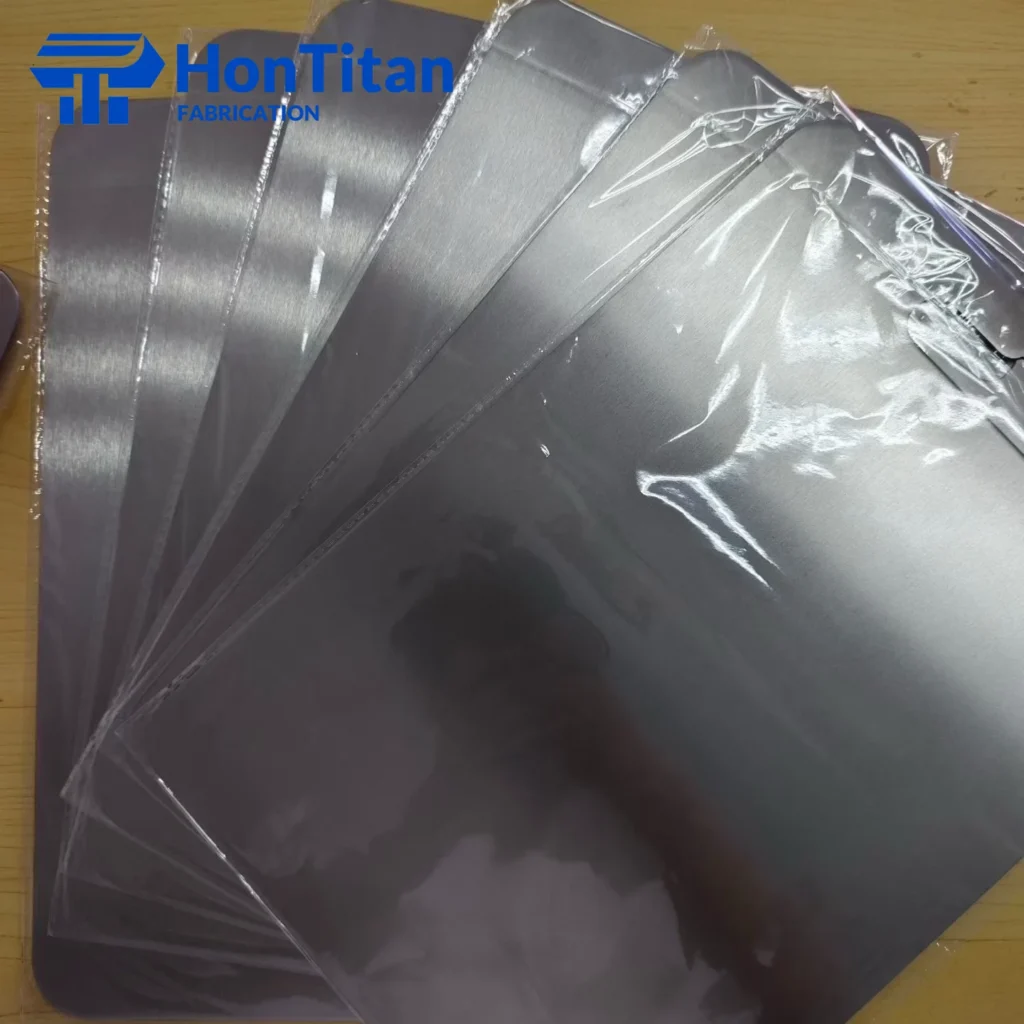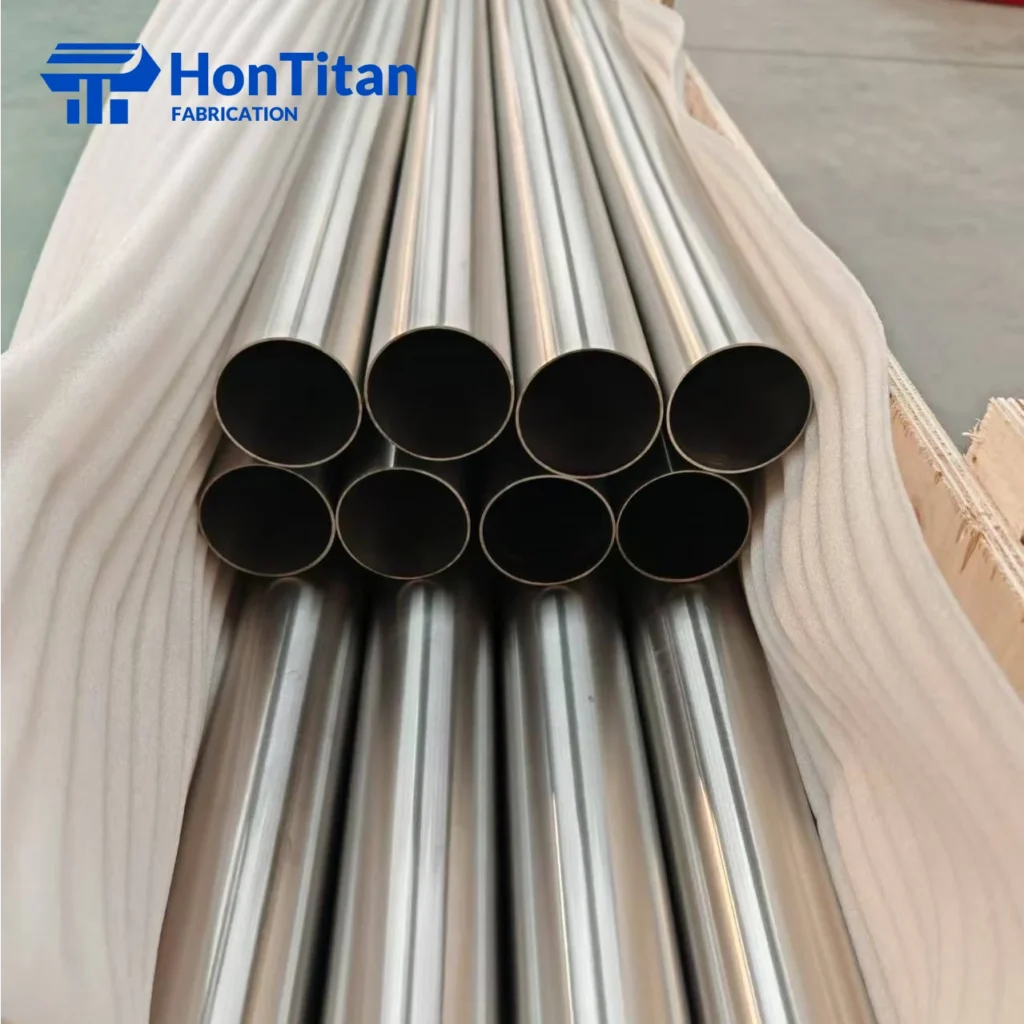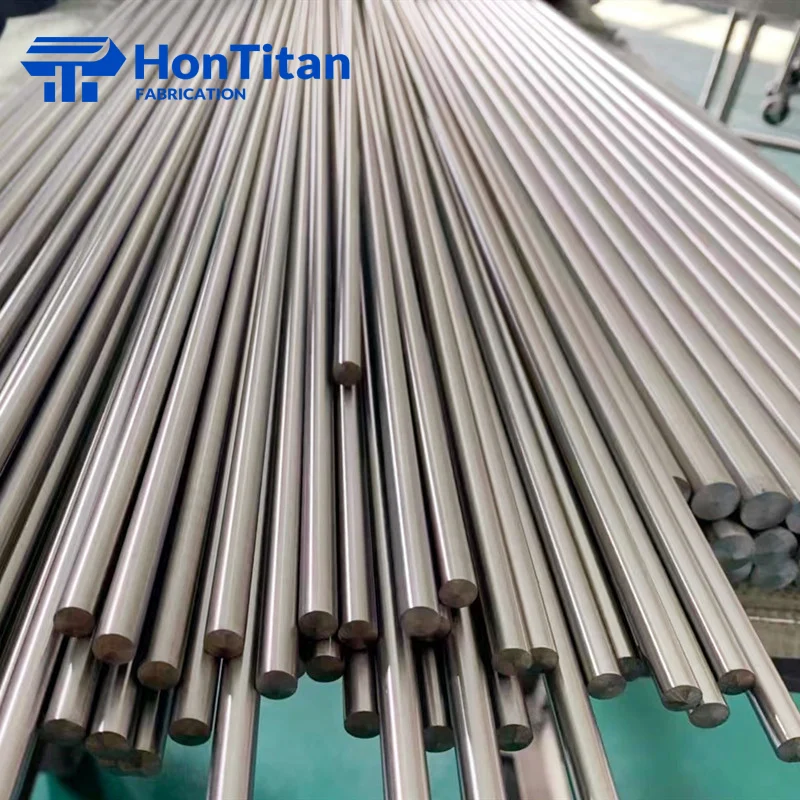
Let’s be honest: you are here because you are worried about what might be leaching into your food.
Maybe you are tired of replacing scratched non-stick pans every few years, concerned about the potential ingestion of coating particles. Or perhaps you are looking for a chemically stable cookware material to address personal concerns regarding aluminum (often debated in relation to neurological health) or the nickel found in standard stainless steel that can trigger contact dermatitis.
Enter Titanium. It is a metal widely recognized in the medical field, used in heart valves, hip replacements, and dental implants due to its biocompatibility. The logic often follows: If it is stable enough to remain inside the human body, it should be a safe choice for cooking.

The short answer is: Yes, generally speaking, but details matter.
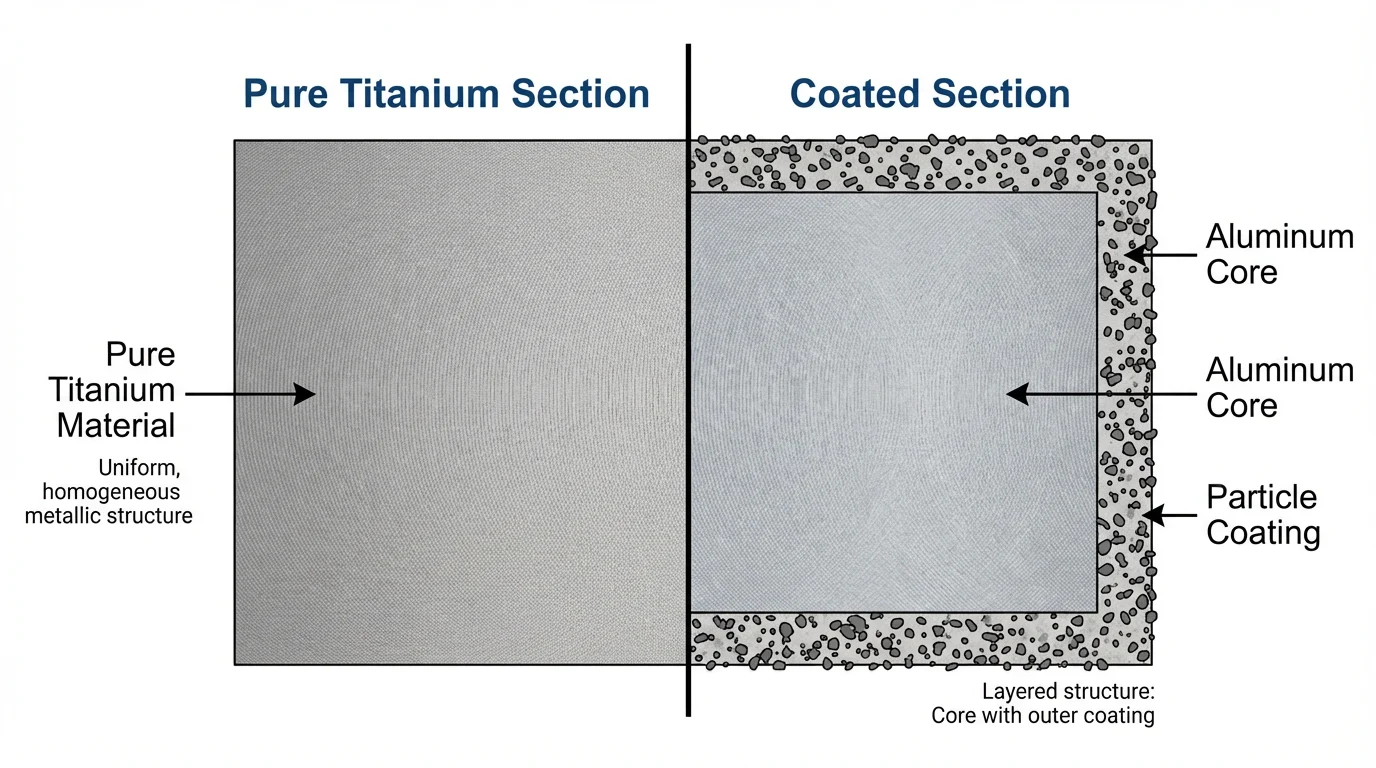
The term “Titanium Cookware” is often used loosely in marketing. There is a significant material difference between a Pure Titanium pot and an aluminum pan with a “Titanium Reinforced” coating. One relies on the properties of the metal itself; the other uses titanium particles primarily for durability within a non-stick matrix.
In this guide, we will analyze the health aspects of titanium cookware, explain the science behind its biocompatibility, and help you distinguish between coated and solid options to make an informed decision.
🚀 Quick Verdict: Is Titanium Cookware Safe?
For those in a hurry, here is the summary based on material properties:
- Toxicity Profile:Biologically Inert. Pure titanium is widely considered non-toxic and biocompatible by medical standards.
- Leaching Potential:Negligible. Unlike reactive metals, it demonstrates high resistance to corrosion, even when exposed to acidic foods.
- The Caveat: Consumers should distinguish pure titanium from “Titanium Coated” pans. The safety profile of coated pans depends on the underlying non-stick coating (often PTFE), which has specific temperature limits.
- Best For: Individuals with Nickel Sensitivities, health-conscious cooks, and ultralight backpackers.
The Critical Distinction: Pure Titanium vs. Titanium Coating
If you are browsing Amazon or a department store, you might see a frying pan labeled “Titanium” for $30, and another one for $200. Why the price gap?
The answer often lies in the construction: Many “Titanium” products are actually aluminum cookware with a titanium-infused coating.
To understand the safety profile, you must distinguish between the two main types:
1. Titanium-Reinforced Non-Stick (Coated)
A significant portion of the mass-market “titanium pans” fall into this category.
- What it is: These are typically aluminum pans coated with a non-stick material (usually PTFE or Ceramic) that has been reinforced with microscopic titanium particles to improve abrasion resistance.
- The Analogy: Think of concrete reinforced with steel bars. The titanium adds strength to the coating, but the surface your food touches is still the non-stick matrix (polymer or ceramic), not a solid sheet of titanium metal.
- The Health Context: The titanium particles are chemically inert. However, consumers concerned about PTFE (polytetrafluoroethylene) should be aware that the base coating often dictates the safety limits (e.g., avoiding overheating above 500°F/260°C to prevent polymer fume degradation).
2. Pure Titanium Cookware (Solid)
This category refers to cookware made primarily from titanium metal.
- What it is: The cooking surface is solid titanium (often Commercially Pure Grade 1 or 2). It contains no polymer coatings, PFOA, or PFAS. Some high-end models use a “Tri-ply” construction (Titanium surface – Aluminum core – Steel shell) to improve heat conduction, but the food contact surface is pure titanium.
- Visual Check: It typically looks metallic (matte grey), feels exceptionally light, and lacks the smooth, waxy feel of traditional non-stick coatings.
- The Health Context: This material relies on titanium’s natural corrosion resistance rather than synthetic coatings.
Titanium Cookware Safety: Examining the Claims
Now, let’s focus on Pure Titanium and address common safety questions using material science principles.
Is Titanium Biocompatible?
Titanium is classified as a biocompatible metal.
- Scientific Context: According to materials science, titanium naturally forms a stable, passive oxide film (TiO2) on its surface when exposed to oxygen. This film creates a barrier that minimizes ion release.
- Medical Application: This property is why titanium is a standard material for medical implants (ASTM F67/F136 standards). The body generally accepts titanium without triggering an immune rejection, suggesting a high degree of safety for culinary contact.
Leaching and Acid Resistance (The Acid Test)
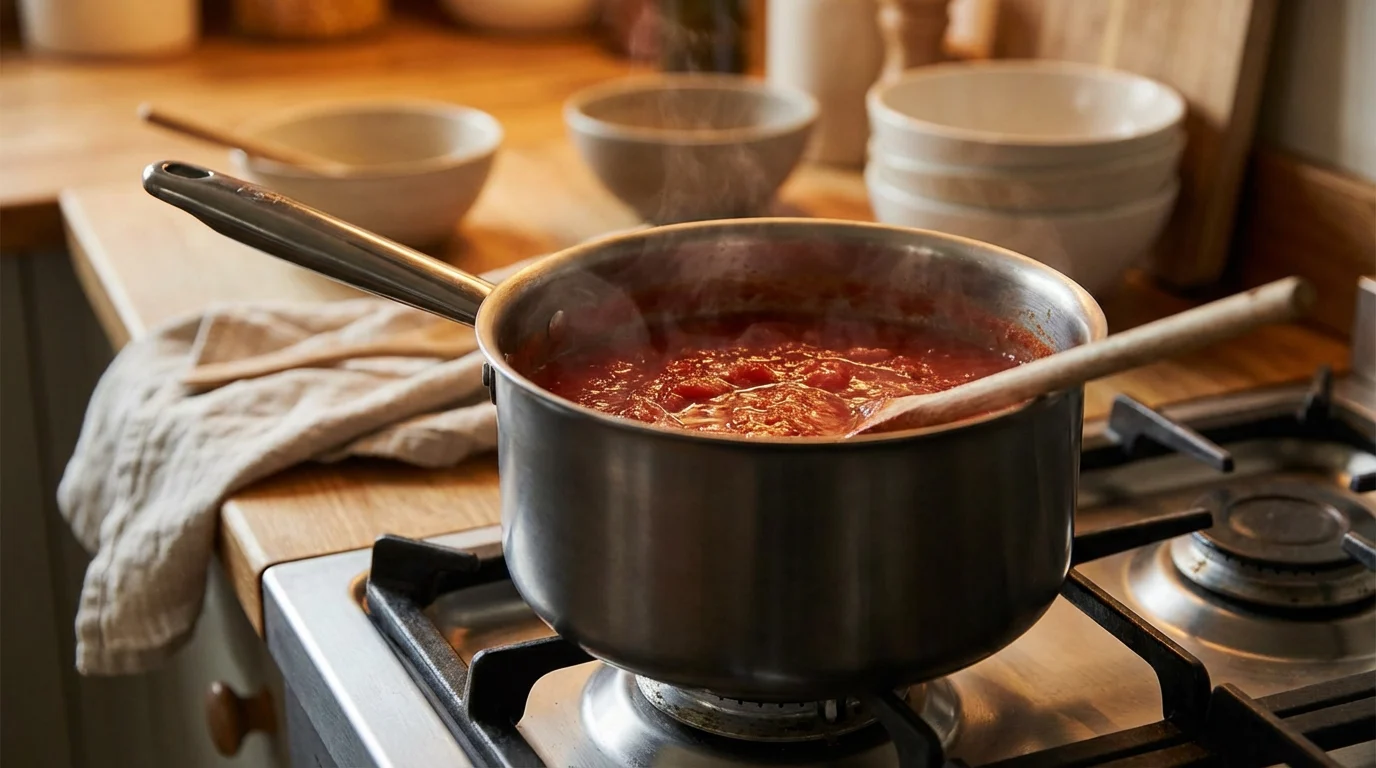
Concerns about metal leaching often center on cooking acidic foods (like tomato sauce or vinegar), which can solubilize metals like aluminum or copper.
- Aluminum: Uncoated aluminum is reactive. While the link between aluminum intake and Alzheimer’s disease remains a subject of ongoing scientific research and debate, many health agencies recommend limiting unnecessary exposure.
- Cast Iron: Iron is reactive. Cooking acidic food in cast iron increases the iron content of the food. While beneficial for some, it can alter flavors.
- Titanium:Highly Resistant. Titanium demonstrates excellent corrosion resistance in a wide range of pH levels found in cooking. It does not impart a metallic taste to acidic foods, indicating negligible leaching under normal cooking conditions.
Titanium and Nickel Sensitivities
For individuals with specific metal allergies, material composition is critical.
Standard stainless steel (e.g., 304 or 18/10 series) typically contains 8-10% Nickel to enhance corrosion resistance. For those with a diagnosed Nickel Allergy (Contact Dermatitis), stainless steel cookware can sometimes be a source of reaction.
Commercially Pure Titanium is Nickel-Free.
It provides a hypoallergenic alternative for those sensitive to the nickel or chromium found in steel alloys.
🧪 Note on Durability: Unlike synthetic coatings where a scratch can compromise the pan’s function, a scratch on a pure titanium pan is cosmetic. The metal underneath is simply more titanium, which will naturally re-oxidize (passivate) upon exposure to air.
The “Real” Risks: Performance & Usability
While the safety profile of titanium is high, its cooking performance has distinct limitations. The “risk” here is not toxicity, but culinary frustration.
Thermal Conductivity (Hot Spots)
Titanium has relatively low thermal conductivity compared to other cookware metals.
- The Physics: Aluminum conducts heat significantly better than titanium.
- The Consequence: On a pure titanium pan, heat tends to concentrate directly above the heat source rather than spreading evenly. This can cause “Hot Spots”, leading to uneven cooking or burning.
- The Result: Foods like pancakes or steaks may burn in the center while remaining undercooked at the edges if heat is not carefully managed.
Sticking Issues (The Learning Curve)
Pure titanium is not a non-stick surface.
- The Experience: Without a synthetic coating or high amounts of fat, proteins (like eggs or fish) will bond to the metal surface.
- The Fix: Successful cooking requires technique, such as proper temperature control (“Hot Pan, Cold Oil”) or using the pan primarily for liquid-based dishes like boiling, steaming, or stewing.
The Sensory Experience
- Weight: Titanium cookware is exceptionally light. While ideal for backpacking, home cooks used to the stability of heavy cast iron may find it feels insubstantial on the stove.
- Sound: Metal utensils on titanium can produce a distinctive “scratchy” sound that some users find unpleasant due to the surface texture.
💡 User Recommendation:
- Ideal For: Boiling water, soups, camping/backpacking, and acidic reductions.
- Less Ideal For: Frying eggs or searing meats (unless using a tri-ply titanium pan with an aluminum core for heat distribution).
How to Identify Authentic Titanium Cookware
To ensure you are purchasing solid titanium rather than a coated aluminum pan, consider these factors:
1. The Price Point
Extracting and processing titanium is energy-intensive and costly. A solid titanium frying pan typically retails significantly higher than standard non-stick pans. Extremely low prices (e.g., under $50 for a large pan) often indicate a coated aluminum product.
2. The Magnet Test
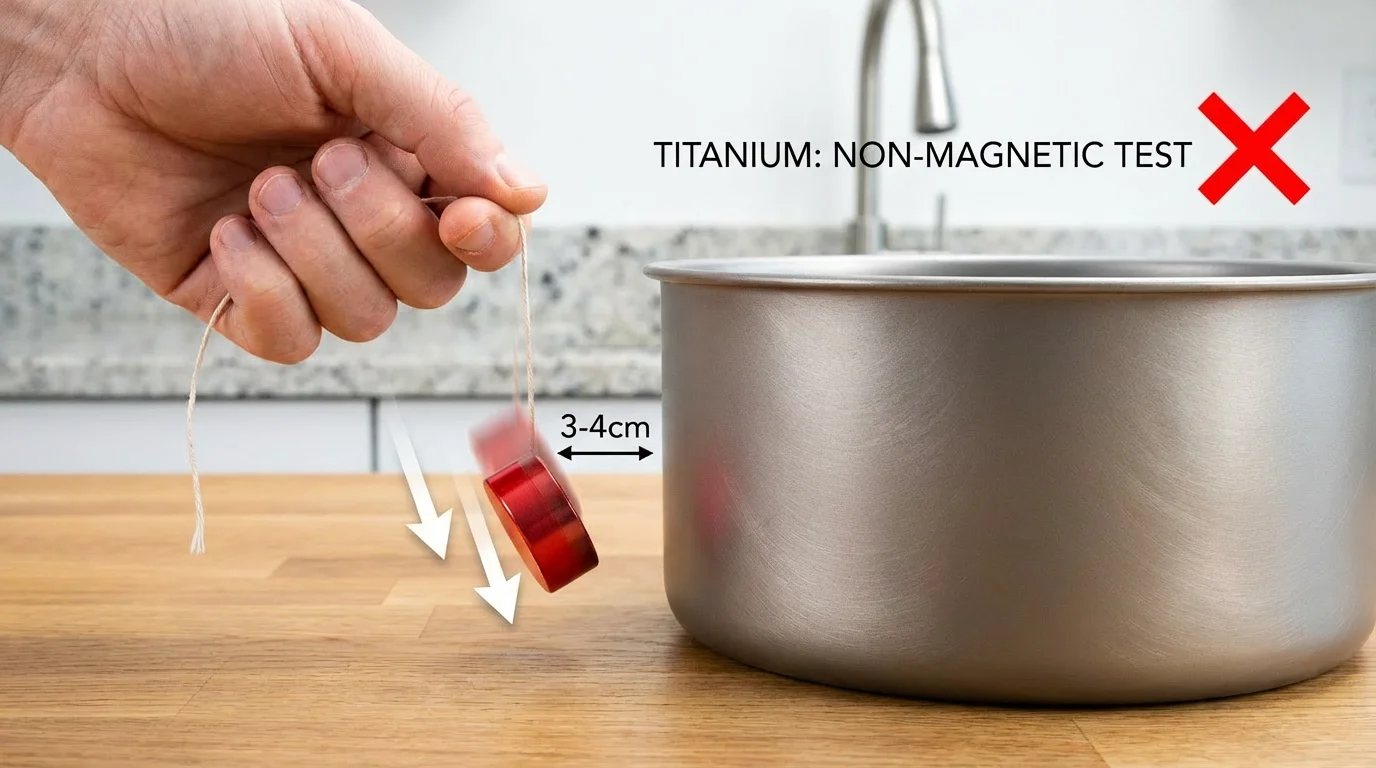
Titanium is non-magnetic.
- The Test: A magnet should not stick to the side walls of a pure titanium pan.
- Note: Some induction-compatible titanium cookware will have a bonded magnetic steel plate on the base.
3. Visual & Weight Cues
- Color: Pure titanium usually has a darker, matte grey metallic luster compared to the bright shine of stainless steel.
- Weight: It is noticeably lighter than steel or cast iron cookware of the same size.
Comparison: Titanium vs. Common Alternatives
| Feature | Pure Titanium | Stainless Steel | Ceramic | Cast Iron |
|---|---|---|---|---|
| Reactivity | Inert(Excellent) | Good (Contains Nickel) | Inert (Until chipped) | Reactive (Leaches Iron) |
| Acid Resistance | High | Moderate | High | Low |
| Weight | 🪶Ultralight | Heavy | Medium | 🧱 Very Heavy |
| Natural Non-Stick | ❌Poor | ❌ Poor | ✅ Good (Initially) | ⚠️ Requires Seasoning |
| Durability | 💎High(Durable Material) | High | Low (Fragile Coating) | High (Prone to Rust) |
Frequently Asked Questions (FAQ)
Q: Is titanium cookware safe for households with birds?
A:Generally considered safe. Pure titanium does not contain PTFE (Teflon), the chemical associated with “Teflon toxicosis” in birds when overheated. It does not off-gas fumes under normal cooking temperatures. However, always ensure proper ventilation when cooking.
Q: Can I use metal utensils on titanium?
A:Yes. Titanium is harder than aluminum but softer than hardened steel. Metal utensils may leave cosmetic scratches, but since the pan is solid metal, this does not compromise safety or release harmful coatings.
Q: Does titanium cookware work on induction cooktops?
A:Not naturally. Titanium is non-magnetic. Induction compatibility requires a bonded magnetic steel base. Check the manufacturer’s specifications for the “Induction Ready” symbol.
Q: Can I put it in the dishwasher?
A:Solid titanium is generally dishwasher safe due to its corrosion resistance. However, many manufacturers recommend hand washing to prevent water spots or damage to any potential cladding materials.
The Sustainability Factor
Beyond personal preference, durability plays a role in sustainability.
While non-stick coatings typically degrade within 3-5 years, solid metal cookware (like titanium, stainless steel, or cast iron) can last a lifetime. Choosing durable goods reduces the frequency of disposal and landfill waste.
Conclusion
Is titanium cookware the right choice for you?
From a safety and toxicology perspective, Pure Titanium is an excellent choice. It offers high biocompatibility, extreme corrosion resistance, and is free from nickel and polymer coatings.
However, it requires a trade-off in usability.
- If you prioritize ease of use and non-stick performance, ceramic or high-quality coated pans may be more practical, provided they are replaced when damaged.
- If you prioritize material purity, longevity, and lightweight performance—and are willing to adapt your cooking technique—Pure Titanium is a top-tier option for the health-conscious kitchen.
Disclaimer: This article explains the general material properties of titanium cookware. It is not intended to diagnose, treat, or cure any medical condition. Information regarding Alzheimer’s disease and PTFE toxicity reflects current general understanding but science is always evolving; refer to authoritative health agencies for the latest guidelines.