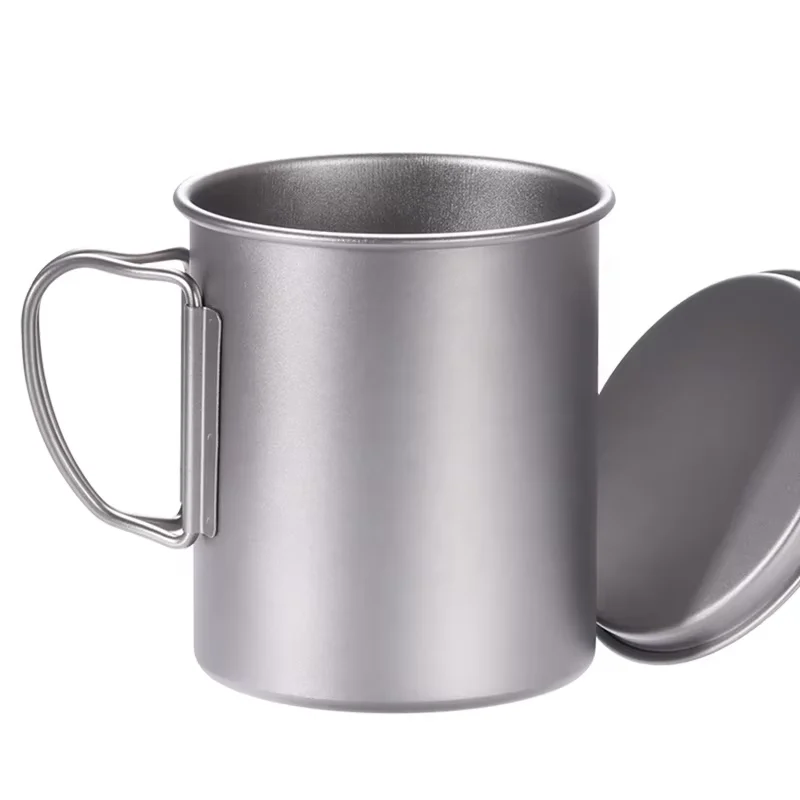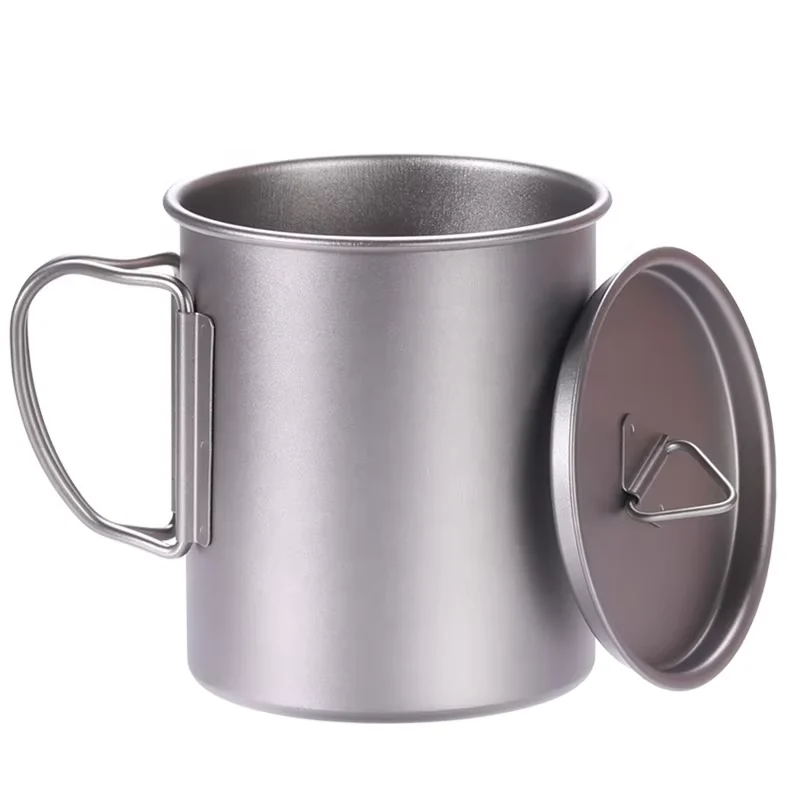
When it comes to Commercially Pure (CP) Titanium, one grade stands out for its exceptional workability: Titanium Grade 1 (UNS R50250).
Often overshadowed by the more common Grade 2, Titanium Grade 1 is the softest and most ductile of all titanium grades. While it possesses the lowest strength among the CP family, its unique material characteristics make it the undisputed choice for specialized engineering applications where standard titanium grades would fail.
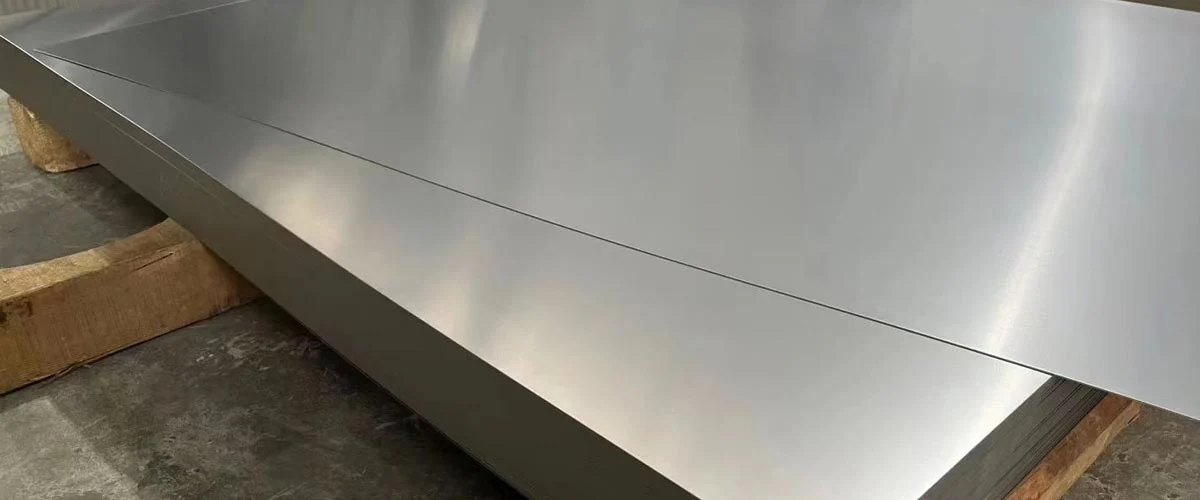
If your manufacturing process involves deep drawing, severe cold forming, or explosive cladding, higher-strength alloys often carry the risk of cracking or excessive springback. Grade 1 solves this critical pain point. It offers an impact toughness and formability that allows it to be shaped into complex geometries—like plate heat exchangers or intricate architectural foils—without compromising the legendary corrosion resistance that titanium is famous for.
In this comprehensive guide, we will break down the specific mechanical properties of Grade 1 based on ASTM B265 standards, explore its behavior in corrosive environments (such as seawater), and provide a detailed comparison of Titanium Grade 1 vs. Grade 2 to help you make the right procurement decision for your project.
What is Titanium Grade 1? The Science of Purity
Titanium Grade 1 (CP Ti Grade 1) is often referred to as the “purest” of the unalloyed titanium grades. While all Commercially Pure (CP) grades (1, 2, 3, and 4) are technically 99%+ titanium, the slight variations in their interstitial elements—specifically Oxygen and Iron—dramatically alter their mechanical behavior.
The defining characteristic of Grade 1 is its extremely low Oxygen (O) and Iron (Fe) content. In titanium metallurgy, oxygen acts as a strengthening agent but reduces ductility. Because Grade 1 Titanium contains the lowest levels of these impurities (capped at just 0.18% Oxygen and 0.20% Iron), it offers the highest ductility and cold formability of any titanium grade.
This high purity results in a material that is:
- The Softest Titanium: It has the lowest yield strength (~170 MPa), making it ideal for processes that require significant deformation.
- Non-Magnetic: Like other titanium grades, it is completely non-magnetic, crucial for medical and electronic applications.
- Low Density: At approximately 4.51 g/cm³, it offers a high strength-to-weight ratio compared to steel, though lower strength than Ti-6Al-4V (Grade 5).
Chemical Composition (ASTM B265)
Engineers referring to standard specifications will find that Grade 1 strictly limits impurities to maintain its formability. Below is the typical chemical composition according to ASTM B265 standards:
| Element | Limit (Max %) | Effect on Material |
|---|---|---|
| Nitrogen (N) | 0.03 | Increases strength, reduces ductility. |
| Carbon © | 0.08 | Minimal impact at low levels. |
| Hydrogen (H) | 0.015 | Kept low to prevent hydrogen embrittlement. |
| Iron (Fe) | 0.20 | Critical:Low iron ensures maximum softness. |
| Oxygen (O) | 0.18 | Critical:Low oxygen is the key to high elongation. |
| Titanium (Ti) | Balance | Base material (approx. 99.5%). |
Technical Note: If your application requires higher strength but you still need reasonable corrosion resistance, you would typically move “up” the scale to Grade 2 or Grade 3, where oxygen and iron levels are incrementally increased.
The “Formability” Factor: Why Grade 1 is Best for Deep Drawing
In the world of metal fabrication, titanium has a reputation for being “difficult” to work with due to its high strength and tendency to gall. However, Titanium Grade 1 is the exception to this rule.
Because it possesses the highest ductility of all titanium grades, Grade 1 is the premier choice for cold forming and deep drawing operations. Unlike Grade 2 or Grade 5, which often require intermediate annealing or hot forming to prevent cracking, Grade 1 can undergo significant plastic deformation at room temperature.
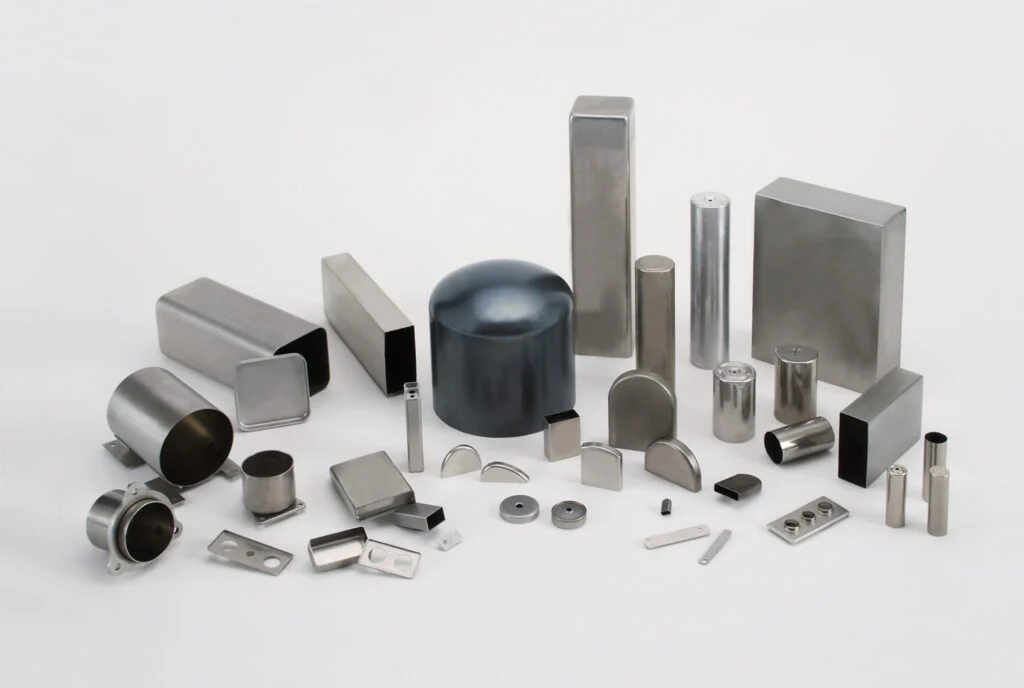
Solving the “Springback” Issue
One of the biggest challenges in stamping titanium is springback—the tendency of the metal to return to its original shape after bending.
- The Physics: Springback is directly proportional to the ratio of Yield Strength to Elastic Modulus.
- The Grade 1 Advantage: Because Grade 1 has a significantly lower Yield Strength (170 MPa) compared to Grade 2 (275 MPa), it exhibits much less elastic recovery.
- The Result: Parts pressed from Grade 1 hold their shape more accurately, requiring less over-bending compensation in the die design.
Fabrication Guidelines: Bend Radius & Deep Drawing
For engineers designing parts from Grade 1 sheet or foil, the material offers generous forming limits:
- Bend Radius: Grade 1 is capable of extremely tight bends. A common rule of thumb for cold bending is a minimum radius of 0.5T to 1T (where T is the material thickness). In contrast, Grade 2 often requires 1.5T to 2T to avoid orange-peel surfacing or cracking.
- Deep Drawing: The material is ideal for multi-stage drawing processes without the need for frequent inter-stage annealing. This makes it the standard material for manufacturing plate heat exchanger panels, which feature complex, deep corrugations.
- Work Hardening: Like all titanium, Grade 1 will work harden during forming, but at a slower rate than higher oxygen grades. This allows for more extensive deformation before the material becomes too brittle to work.
Titanium Grade 1 vs. Grade 2: How to Choose?
The most frequent question we receive from procurement managers and engineers is: “Should I buy Grade 1 or Grade 2?”
While both are Commercially Pure (CP) titanium grades with excellent corrosion resistance, the choice often comes down to a trade-off between Strength and Formability.
- Titanium Grade 2 is the “workhorse” of the industry. It offers a balanced combination of moderate strength (similar to mild steel) and reasonable ductility. It is the most widely available grade.
- Titanium Grade 1 is the “specialist.” It sacrifices strength to achieve maximum softness and impact toughness.
The Decision Matrix: Strength vs. Ductility
To make the right choice for your project, consider the primary mechanical stress the part will endure:
- Choose Grade 1 If:
- Extreme Forming is Required: Your design involves deep drawing, severe bending, or complex stamping (e.g., plate heat exchangers, explosive cladding).
- Impact Resistance Matters: You need a material that can absorb shock without cracking, even at low temperatures.
- Ease of Fabrication: You want to minimize springback and tool wear during cold forming.
- Choose Grade 2 If:
- Structural Integrity is Priority: The part must bear a load or withstand pressure (e.g., reaction vessels, piping systems).
- Availability & Cost: You need standard sheet, plate, or bar stock quickly. Grade 2 is generally more abundant in global inventory than Grade 1.
- Standard Corrosion Resistance: The environment is corrosive, but not extreme enough to require Palladium-enhanced grades (like Grade 7).
Quick Comparison Table
| Feature | Titanium Grade 1 | Titanium Grade 2 |
|---|---|---|
| UNS Designation | R50250 | R50400 |
| Yield Strength | 170 MPa (25 ksi) | 275 MPa (40 ksi) |
| Elongation | ≥ 24% | ≥ 20% |
| Formability | Best (Excellent) | Good |
| Typical Application | Deep drawing, Cladding, Heat Exchangers | Piping, Vessels, Structural Parts |
Pro Tip: If your application requires the corrosion resistance of Grade 1 but the strength of Grade 2, consider if the part can be redesigned with slightly thicker Grade 1 material. However, if weight is critical, you may be forced to use Grade 2 and accept more complex forming procedures (like hot forming).
Excellent Corrosion Resistance: The Passive Shield
While mechanical properties vary between grades, Titanium Grade 1 shares the legendary corrosion resistance of the entire titanium family. Its ability to withstand aggressive environments is due to a natural phenomenon: the spontaneous formation of a stable, continuous, and tightly adherent oxide film (TiO2).
Whenever the metal surface is scratched or damaged, this film instantly heals itself in the presence of oxygen or moisture. This makes Grade 1 functionally immune to many forms of corrosion that plague stainless steels, such as pitting and stress corrosion cracking (SCC).
1. Seawater & Marine Environments
Titanium Grade 1 is virtually immune to corrosion in ambient seawater.
- The Data: Corrosion rates are typically unmeasurable, often calculated at less than 0.0001 mm/year.
- The Advantage: Unlike Stainless Steel 316, which suffers from crevice corrosion and pitting in stagnant seawater, Grade 1 requires no corrosion allowance. This allows for thinner wall thicknesses in piping and heat exchanger tubing, offsetting the higher raw material cost.
2. Chemical Processing (Chlorides & Oxidizing Acids)
Grade 1 excels in highly oxidizing environments where other metals fail.
- Wet Chlorine Gas: It is the standard material for handling wet chlorine.
- Nitric & Chromic Acids: Excellent resistance due to the strong oxidizing nature of these acids, which reinforces the protective film.
- Chlorides: It is fully resistant to chloride solutions (like cupric chloride or ferric chloride) that rapidly pit stainless steel.
3. Crevice Corrosion Performance
While Grade 1 is superior to Grade 2 in formability, their corrosion profiles are very similar.
- Temperature Limit: In neutral brine solutions, Grade 1 is generally resistant to crevice corrosion up to approximately 80°C (175°F).
- The Upgrade Path: If your application involves hot acidic chlorides (above 80°C) or reducing acids (like Hydrochloric or Sulfuric acid), Grade 1 may not be sufficient. In these extreme cases, engineers typically upgrade to Grade 7 (which is essentially Grade 1 + 0.15% Palladium) to extend protection up to 250°C.
Key Applications and Industries
Because Titanium Grade 1 offers the unique combination of highest ductility and excellent corrosion resistance, it is the specified material for industries where components must be formed into complex shapes without cracking.
While Grade 2 is the “workhorse” for piping and simple vessels, Grade 1 is the critical choice for the following high-value applications:
1. Plate Heat Exchangers (PHE)
The single largest application for Titanium Grade 1 is in Plate Heat Exchangers.
- The Challenge: Heat transfer plates are pressed with intricate herringbone patterns to maximize surface area and turbulence. These corrugations require deep drawing capability.
- Why Grade 1? Its superior elongation (≥24%) allows the plates to be stamped to significant depths without tearing or thinning excessively at the corners. Grade 2 is often too stiff for these complex geometries.
2. Explosive Cladding (Clad Plates)
Grade 1 is the preferred lining material for Titanium Clad Steel Plates.
- The Process: A thin sheet of titanium is bonded to a thick carbon steel backing plate using an explosion.
- Why Grade 1? The extreme impact velocity of the explosion requires a material with high impact toughness and ductility to bond successfully without shattering or delaminating. The result is a cost-effective vessel with the strength of steel and the corrosion resistance of titanium.
3. Dimensionally Stable Anodes (DSA)
In the Chlor-Alkali and electro-winning industries, Grade 1 is used as the substrate for Dimensionally Stable Anodes.
- The Application: Titanium is coated with mixed metal oxides (MMO) to conduct electricity in highly corrosive electrolytes (like brine).
- Why Grade 1? It is often supplied as expanded mesh or ribbon. The process of expanding the metal (slitting and stretching) requires the material to be extremely soft to prevent strands from breaking.
4. Desalination & Power Generation
- Thin-Wall Tubing: In Multi-Stage Flash (MSF) desalination plants, Grade 1 is used for heat rejection sections where seawater corrosion is a constant threat.
- Condensers: Its immunity to microbiologically influenced corrosion (MIC) makes it superior to copper-nickel alloys in coastal power plants.
5. Specialized Architecture
- Roofing & Facades: For buildings requiring complex, curved geometries (like the famous Guggenheim Museum in Bilbao, though purely artistic), soft titanium is chosen. Grade 1 allows architects to achieve a “quilted” or fluid look that stiffer metals cannot replicate without kinking.
Availability & Specifications: Forms and Standards
While Titanium Grade 2 is the most readily stocked titanium grade globally, Titanium Grade 1 is widely available in specific forms tailored to its primary applications: cold forming and lining.
When specifying Grade 1 for your project, it is critical to reference the correct industry standards to ensure the material meets the strict chemical and mechanical limits required for ductility.
Common Product Forms
Sheet & Plate:
- Thickness: Typically available from 0.5mm to 3.0mm in cold-rolled condition (for best surface finish and ductility) and thicker plates in hot-rolled condition.
- Use Case: Deep drawing, vessel lining, and architectural panels.
Coil / Strip:
- Application: Ideal for continuous stamping processes, such as manufacturing Heat Exchanger Plates. Coils allow for automated feeding into presses.
Titanium Foil:
- Specialty: Because Grade 1 is the softest grade, it can be rolled down to ultra-thin gauges (as thin as 0.003mm) without pinholing.
- Use Case: Speaker domes, medical device components, and electrochemical substrates.
Wire (ERTi-1):
- Application: Used primarily as filler metal for welding Titanium Grade 1 or Grade 2 components to ensure the weld zone remains ductile.
Industry Standards (Specifications)
To ensure quality and consistency, always specify Grade 1 to the following international standards:
- ASTM B265: Standard Specification for Titanium and Titanium Alloy Strip, Sheet, and Plate. (The most common standard for structural applications).
- ASME SB265: The boiler and pressure vessel code equivalent of ASTM B265. Used for pressure-rated equipment.
- ASTM B338: Standard Specification for Seamless and Welded Titanium Tubes for Condensers and Heat Exchangers.
- AWS A5.16 (ERTi-1): Standard for titanium welding wire and rods.
Conclusion: The Soft Power of Titanium
In the hierarchy of titanium grades, Titanium Grade 1 (UNS R50250) occupies a unique and vital niche. It is not the strongest, but it is the most formable.
By combining the legendary corrosion resistance of titanium with the ductility of soft copper, Grade 1 enables engineers to design components that would be impossible with stiffer alloys—from the intricate chevrons of a Plate Heat Exchanger to the deep-drawn shells of medical implants.
If your project demands:
- Extreme Cold Forming: Deep drawing, severe bending, or complex stamping.
- Maximum Impact Toughness: Resistance to shock at cryogenic temperatures.
- Superior Corrosion Resistance: Long-term immunity to seawater and chlorides.
Then Titanium Grade 1 is your material of choice. While Grade 2 may be the “standard” for piping, Grade 1 is the specialist for forming.
Ready to Start Your Project?
Don’t let material selection hold up your production. Whether you need Titanium Grade 1 Foil for a prototype or Titanium Grade 1 Plate for a heat exchanger, we have the expertise and inventory to support you.
[Contact Our Metallurgists Today] for a free consultation or a quick quote on your specific dimensions.
Frequently Asked Questions (FAQ)
Here are the most common questions engineers ask about Titanium Grade 1:
Q: Is Titanium Grade 1 magnetic?
A: No. Like all commercially pure titanium grades, Grade 1 is completely non-magnetic. This makes it ideal for medical implants (MRI safe) and sensitive electronic housings.
Q: Is Titanium Grade 1 stronger than Grade 2?
A: No. Titanium Grade 2 is stronger. Grade 1 has a Yield Strength of ~170 MPa (25 ksi), while Grade 2 is ~275 MPa (40 ksi). Grade 1 is chosen for its ductility, not its strength.
Q: Can you weld Titanium Grade 1?
A: Yes, Grade 1 has excellent weldability. Because it is the purest grade, it requires a clean environment (argon shielding) to prevent contamination, but it flows well and does not require pre-heating. Using ERTi-1 filler wire is recommended to match the base metal properties.
Q: What is the difference between ASTM B265 Grade 1 and Grade 2?
A: The main difference is the Oxygen (O) and Iron (Fe) content. Grade 1 has lower Oxygen (<0.18%) and Iron (<0.20%), making it softer and more ductile (Elongation ≥24%). Grade 2 has slightly higher impurities, making it stronger but less formable (Elongation ≥20%).