When Apple announced it was switching from stainless steel to “aerospace-grade” titanium for its iPhone 15 Pro series, the tech world buzzed with excitement. This is the same material used on the Mars Rover, after all. But is this new material as flawless as the marketing suggests? How does it really hold up in day-to-day use? If you’re weighing whether to upgrade, you’re in the right place. This article provides a balanced view, breaking down the 5 key pros and 4 surprising cons of the titanium iPhone. Let’s separate the hype from reality to help you make the best decision.
The 5 Key Pros of a Titanium iPhone
The move to titanium wasn’t just a marketing gimmick. It brought tangible benefits that users can feel and appreciate every day.
Pro 1: A Noticeably Lighter Feel
This is the most immediate and impactful advantage. The moment you pick up a titanium iPhone 15 Pro, you’ll notice it’s significantly lighter than its predecessors. For example, the iPhone 15 Pro Max is about 19 grams lighter than the iPhone 14 Pro Max—that’s a reduction of nearly 9%. While that might not sound like much on paper, it makes a world of difference in your hand, in your pocket, and during long phone calls. This reduced weight lessens hand fatigue and makes the device feel more balanced and comfortable to hold.

Pro 2: Superior Strength-to-Weight Ratio
Here’s where the “aerospace-grade” claim holds weight. Apple uses a Grade 5 titanium alloy (Ti-6Al-4V), a material prized for having one of the highest strength-to-weight ratios of any metal. This means you get incredible durability without the bulk. While no phone is indestructible, this alloy provides superior resistance to dents and bending compared to the aluminum and stainless steel used in previous models. It’s this combination of lightness and strength that makes titanium ideal for demanding applications, from spacecraft to high-performance medical implants.
| Material | Relative Weight | Key Feature |
|---|---|---|
| Aluminum (e.g., iPhone 15) | Lightest | Good strength, very light |
| Stainless Steel (e.g., iPhone 14 Pro) | Heaviest | Very strong, premium feel, but heavy |
| Titanium (e.g., iPhone 15 Pro) | Lighter than Steel | Best strength-to-weight ratio |
Pro 3: Premium Aesthetics and Comfortable Grip
Titanium offers a unique and sophisticated look. Unlike the mirror-like polish of stainless steel which is a magnet for fingerprints, the new iPhones feature a beautiful brushed finish. This texture not only looks premium but is also much more resistant to showing smudges and fingerprints. Furthermore, Apple paired the new material with slightly more contoured edges, making the phone significantly more comfortable to hold than the sharp-edged models of recent years.
Pro 4: Enhanced Heat Dissipation
This is a functional benefit that power users will appreciate. While titanium itself isn’t the best conductor of heat, Apple’s new design pairs the titanium band with a solid aluminum substructure. This combination, along with other internal design changes, helps the iPhone 15 Pro manage heat more effectively during intensive tasks like gaming or rendering 4K video. Better heat dissipation can lead to more sustained performance and improved long-term battery health. This is a great example of smart engineering detailed in an official Apple keynote.
Pro 5: Excellent Corrosion Resistance
Titanium is exceptionally resistant to corrosion from acids, salt water, and other chemicals. On a practical level, this means your iPhone’s frame is better protected against everyday substances like sweat and moisture. Over time, this natural durability helps the device maintain its pristine look and structural integrity, making it a more resilient long-term investment.
The 4 Surprising Cons of a Titanium iPhone
No material is perfect. Despite its many advantages, the titanium iPhone has a few quirks and trade-offs that might surprise you.
Con 1: The “Discoloration” Effect from Fingerprints
The Surprise: Soon after launch, users reported the titanium frame “discoloring” or “staining” right out of the box. The Reality: This isn’t permanent damage or a defect. As Apple confirmed, the oil from your skin can temporarily alter the way light reflects off the surface, creating the appearance of discoloration. The good news? It’s easily fixed. A simple wipe with a soft, slightly damp, lint-free cloth (like a microfiber cloth) will restore the frame to its original look. It’s more of a temporary cosmetic annoyance than a genuine flaw.
Con 2: The PVD Coating Is Not Scratch-Proof
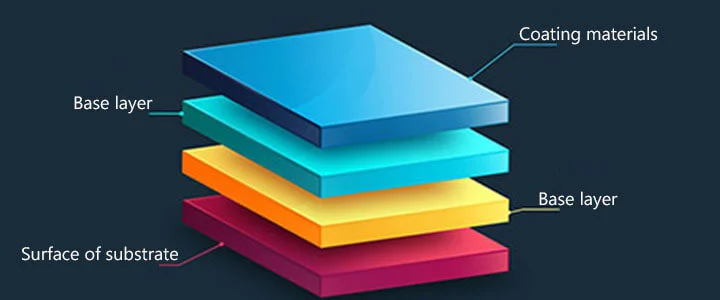
The Surprise: Hearing “aerospace-grade” might make you think the phone is invincible to scratches. The Reality: The beautiful colors on the titanium iPhones (like Blue and Black Titanium) are applied using a Physical Vapor Deposition (PVD) coating. While this coating is durable, it is not impervious to scratches. The underlying titanium is incredibly strong, but a sharp object or a hard drop can scratch or chip the PVD layer, revealing the natural silver color of the titanium beneath. This is why many experts, including those at materials science resource MatWeb, note that while PVD enhances hardness, it’s not a foolproof shield. If you’re concerned about scratches, a case is still highly recommended.
Con 3: It’s Not Solid Titanium (And That’s an Engineering Choice)
The Surprise: Many assume the entire iPhone frame is a solid block of titanium. The Reality: The iPhone 15 Pro uses a clever hybrid structure. A titanium band forms the exterior, which is fused to an internal aluminum frame using a new, industry-first process called solid-state diffusion. This was a deliberate engineering decision, not a cost-cutting measure. A solid titanium frame would be prohibitively expensive, difficult to manufacture, and less effective at dissipating heat. This fusion of materials delivers the best of both worlds: titanium’s strength and lightness on the outside, and aluminum’s excellent thermal conductivity and lower cost on the inside.
Con 4: Potential for Higher Repair Costs
The Surprise: Consumers focus on the purchase price, often overlooking long-term ownership costs. The Reality: The advanced materials and complex manufacturing process (like solid-state diffusion) could lead to higher repair costs if the frame itself sustains severe damage. While Apple did make the back glass easier and cheaper to replace on the iPhone 15 Pro, a damaged titanium band may be a more costly affair compared to the stainless steel models. This is a potential long-term financial consideration to keep in mind, especially if you plan to use the phone without a case.

The Verdict: Is the Titanium iPhone Right for You?
So, should you get the titanium iPhone? The answer depends on your priorities. The pros are clear and compelling: it’s noticeably lighter, stronger, has a premium feel that resists fingerprints, and boasts better thermal management. If you value a lightweight device that feels great in your hand and are willing to use a case to protect it from deep scratches, the titanium iPhone is an outstanding choice. However, you must be aware of its cons. The PVD coating can scratch, the frame can show temporary discoloration from fingerprints, and potential repair costs could be higher. If you demand absolute cosmetic perfection and refuse to use a case, you may need to be extra cautious. Ultimately, the move to titanium represents a meaningful step forward in smartphone design, offering a fantastic blend of luxury and practicality. What do you think? Which of these pros and cons matters most to you? Share your thoughts in the comments below!
From Your Pocket to Your Project: The Power of Titanium with HonTitan
So, we’ve seen how titanium has transformed the iPhone, making it lighter, stronger, and more premium. But the magic of this incredible material doesn’t stop with your phone. It’s the silent hero behind countless innovations, and when it comes to harnessing its full potential, a true specialist makes all the difference. At HonTitan, we live and breathe titanium. We’re more than just a supplier; we are a partner managing the entire titanium industry chain. Our expertise supports a wide range of applications:
- Aerospace & Defense: For components where failure is not an option.
- Medical Devices: Creating biocompatible and life-saving implants.
- Industrial Manufacturing: Providing durable solutions for harsh environments.
- Consumer Goods: From luxury watches to high-end sporting equipment.
With a vast inventory of high-quality titanium raw materials and a focus on customized solutions, we can meet your exact specifications. Whether you’re a large enterprise or an innovator with a unique idea, we have the capability to deliver. Ready to turn your vision into reality? Don’t guess about your material needs. Get expert advice from a team dedicated to your success. Visit hontitan.com to send us your specific requirements and receive a personalized proposal. Let us be your trusted partner for all your titanium needs.
Frequently Asked Questions (FAQ)
Q1: Is the titanium iPhone really stronger than the stainless steel one?
Yes, in terms of strength-to-weight ratio. Grade 5 titanium is stronger than stainless steel for the same weight, which allows Apple to build a lighter yet still very durable phone. However, both are susceptible to scratches.
Q2: Is the titanium iPhone frame easy to scratch?
The inner titanium is very scratch-resistant, but the outer PVD color coating can be scratched by hard or sharp objects. For everyday use, it holds up well, but a drop on a rough surface or contact with keys could cause visible marks.
Q3: How do I clean fingerprints and “discoloration” off the titanium frame?
Simply use a soft, lint-free cloth (like a microfiber or lens cloth). If needed, you can slightly dampen the cloth with water. Gently wipe the frame, and the oils causing the discoloration will be removed, restoring its original look.
Q4: Will the color on the titanium iPhone permanently peel or flake off?
Under normal use, the PVD coating is very durable and will not peel. However, a significant impact or a deep gouge can chip the coating, exposing the silver-colored titanium underneath. This is physical damage, not a defect in the material.
Q5: Why doesn’t Apple use 100% solid titanium for the phone?
There are three main reasons: extreme cost, manufacturing difficulty, and poor heat dissipation. The current hybrid aluminum-titanium structure is an engineering solution that balances strength, weight, thermal performance, and manufacturing feasibility.