When you hear the word “titanium,” what comes to mind? You might picture the sleek fuselage of a supersonic fighter jet, the engine of a spacecraft, or perhaps a high-end golf driver.
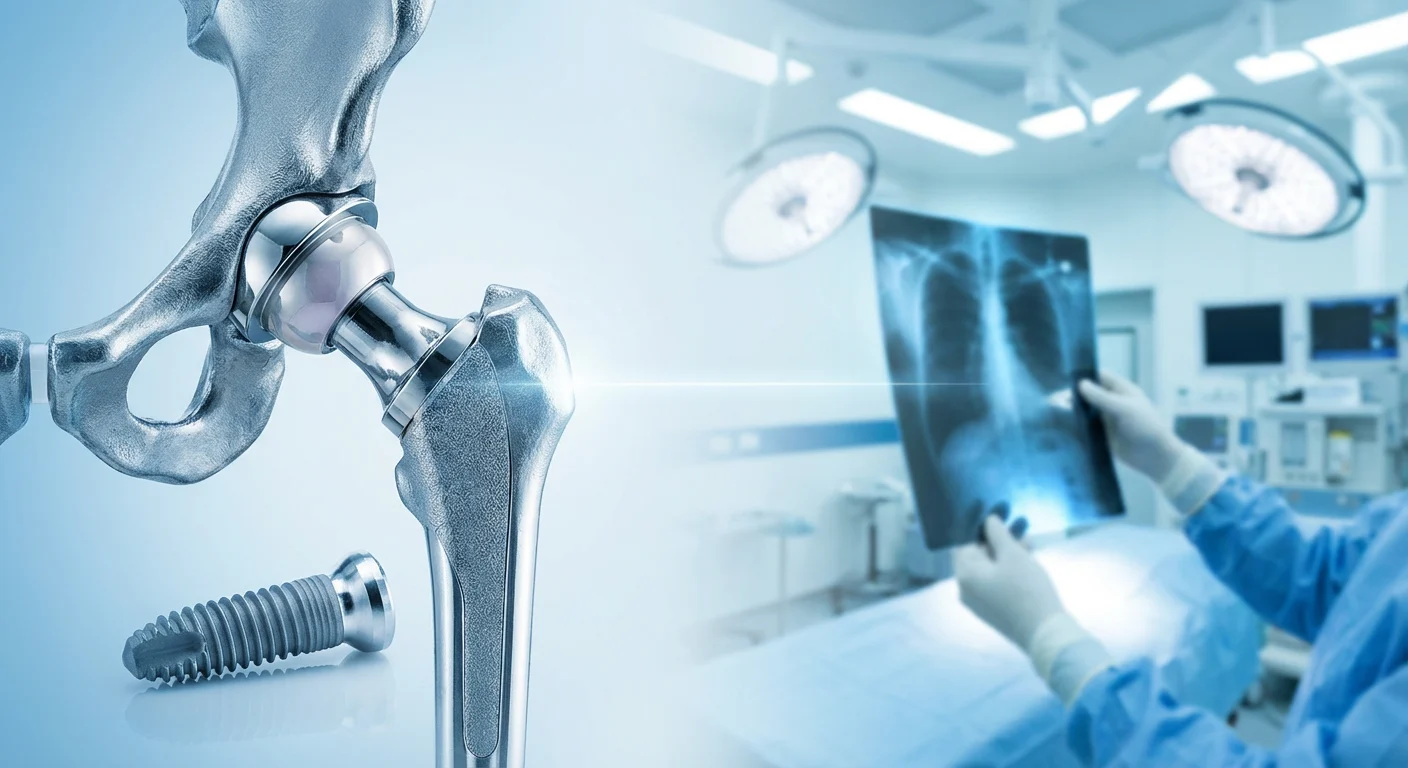
It is known for being the metal of “extreme engineering.” But you might be surprised to learn that this same silver-grey metal is likely sitting inside the body of someone you know right now—supporting their knee as they walk, anchoring their tooth as they chew, or even regulating their heartbeat.
Medical Grade Titanium has quietly become the silent guardian of modern healthcare. From emergency rooms to dental clinics, it is widely recognized by surgeons and engineers alike as the “gold standard” for biomedical materials.
But why titanium? Why not steel, gold, or tough plastics?
Whether you are a patient preparing for surgery or a student researching biomaterials, this guide will reveal exactly why the human body “loves” titanium, how it is used to save lives, and the fascinating science that makes it all possible.
Why the Human Body Like Titanium
Engineers choose titanium for its strength, but doctors select it for an entirely different reason: its biocompatibility.
The human body is an incredibly sophisticated defense mechanism. Its immune system is designed to identify and attack foreign objects—whether it’s a virus, a splinter, or a piece of metal. Most metals, when placed inside the body, would trigger an immune response, leading to inflammation, infection, or rejection.
Titanium is the exception. It is physiologically inert, meaning it is non-toxic and non-allergenic. When titanium is implanted, the body essentially ignores it, accepting the metal as if it were a natural part of the self. But its relationship with our biology goes deeper than just passive tolerance; it actively collaborates with our bones.
The Miracle of Osseointegration
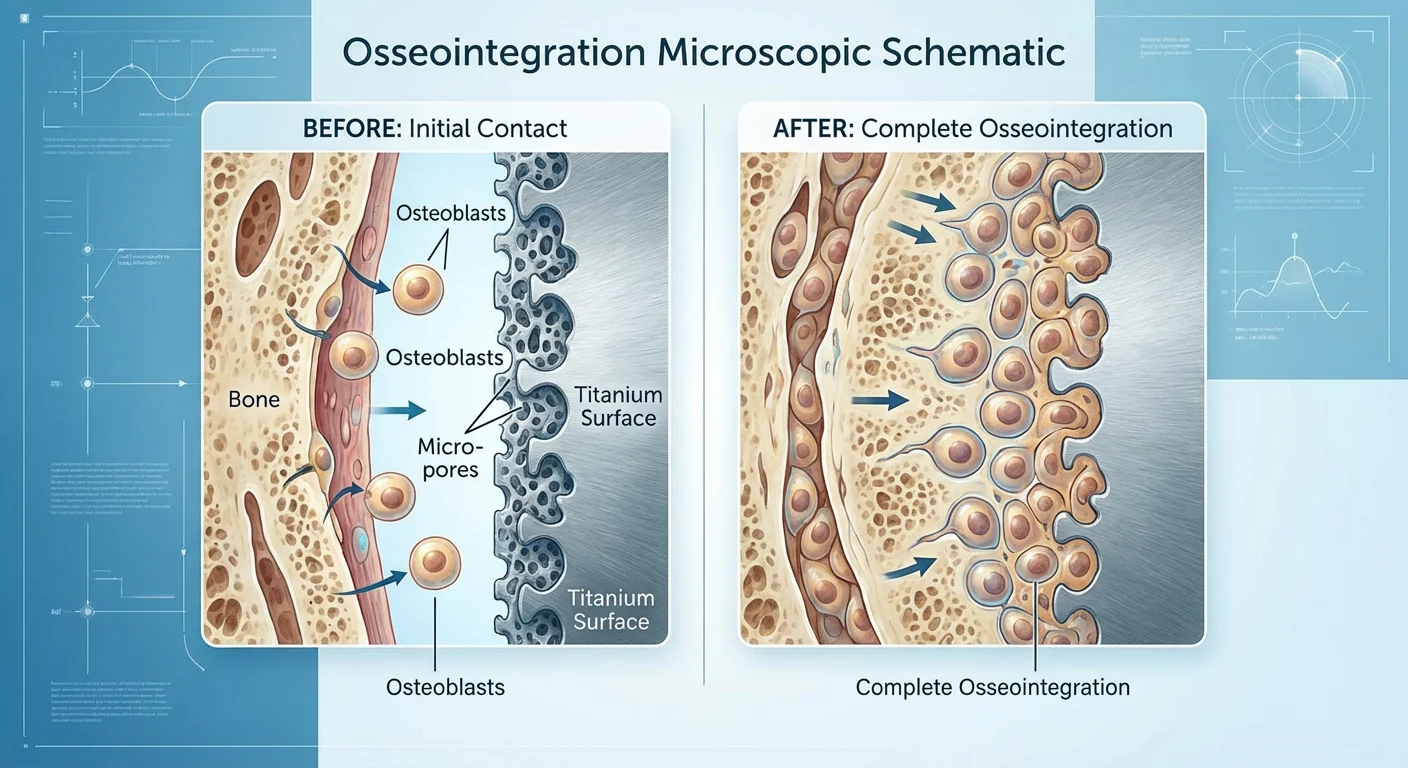
The true superpower of medical titanium is a process called Osseointegration (from the Latin osseus for “bony” and integrare for “to make whole”).
In simple terms, osseointegration means that living bone tissue doesn’t just sit next to the titanium implant—it actually grows onto and into the microscopic roughness of the titanium surface. The metal and the bone fuse together to create a single, solid load-bearing unit.
Interestingly, this life-changing medical breakthrough was discovered completely by accident.
A Lucky Mistake: The Rabbit Experiment
In 1952, a Swedish professor named Per-Ingvar Brånemark was conducting research on micro-circulation. To observe blood flow in real-time, he implanted small titanium optical chambers into the leg bones of rabbits.
When the study concluded months later, Brånemark attempted to remove the expensive titanium chambers to reuse them. He was shocked to find that he couldn’t pull them out. The rabbit’s bone had fused so tightly to the titanium surface that the metal and bone had become inseparable.Brånemark realized he had stumbled upon something revolutionary. He shifted his focus from blood flow to body-anchored prosthetics, and the field of modern implantology was born.
Engineered to Be Like Bone
Beyond its chemical acceptance, titanium also mimics the physical properties of human bone.Bones are strong, but they are also slightly flexible. If an implant is too stiff—like stainless steel—it takes all the load, causing the surrounding bone to weaken and dissolve because it no longer has “work” to do. This is a phenomenon known as Stress Shielding. Titanium, however, has a Modulus of Elasticity (flexibility) that is remarkably close to that of natural bone. It flexes just enough to share the stress with the skeleton, keeping the surrounding bone healthy and strong for decades.
Technical Standards & Compliance (For Industry Professionals)
While “biocompatibility” explains the biological interaction, the safety of medical titanium is strictly regulated by international standards. Manufacturers must adhere to rigorous specifications defined by ASTM International and ISO to ensure the material is free from impurities that could cause rejection.
1. The Passive Oxide Layer (TiO2)
The mechanism behind titanium’s biocompatibility is its spontaneous formation of a Titanium Dioxide (TiO2) passive layer. According to FDA guidance, this oxide layer creates a high dielectric constant, preventing electron transfer between the metal and the body’s electrolytes. This passivation prevents corrosion and protein denaturation upon contact.
2. Key Material Grades & Standards
Not all titanium is suitable for implantation. Medical applications primarily rely on two specific standards:
| Material Grade | ASTM Standard | ISO Standard | Common Application |
|---|---|---|---|
| Commercially Pure (CP) Ti(Grades 1-4) | ASTM F67 | ISO 5832-2 | Dental implants, craniofacial plates. Preferred for its ductility and higher corrosion resistance. |
| Ti-6Al-4V ELI(Grade 23 / Grade 5) | ASTM F136 | ISO 5832-3 | Orthopedic joints (hips/knees), spinal components. “ELI” (Extra Low Interstitial) denotes lower oxygen and iron content, providing superior fracture toughness compared to aerospace titanium. |
Note: Medical devices using these materials typically require FDA 510(k) clearance or PMA (Premarket Approval) to demonstrate substantial equivalence to legally marketed devices.
3. Surface Topography Requirements
For osseointegration to occur, the chemical composition is not enough; the surface micro-topography is critical. Research indicates that a surface roughness (Ra) of 1–10 microns allows osteoblasts (bone cells) to adhere effectively. Modern implants undergo treatments like SLA (Sand-blasted, Large-grit, Acid-etched) or Plasma Spraying to achieve this standard, increasing the bone-to-implant contact (BIC) ratio.
Key Applications in Modern Medicine
Thanks to Brånemark’s discovery and titanium’s unique properties, the material has revolutionized three major areas of healthcare.
1. Orthopedic Implants: Restoring Movement
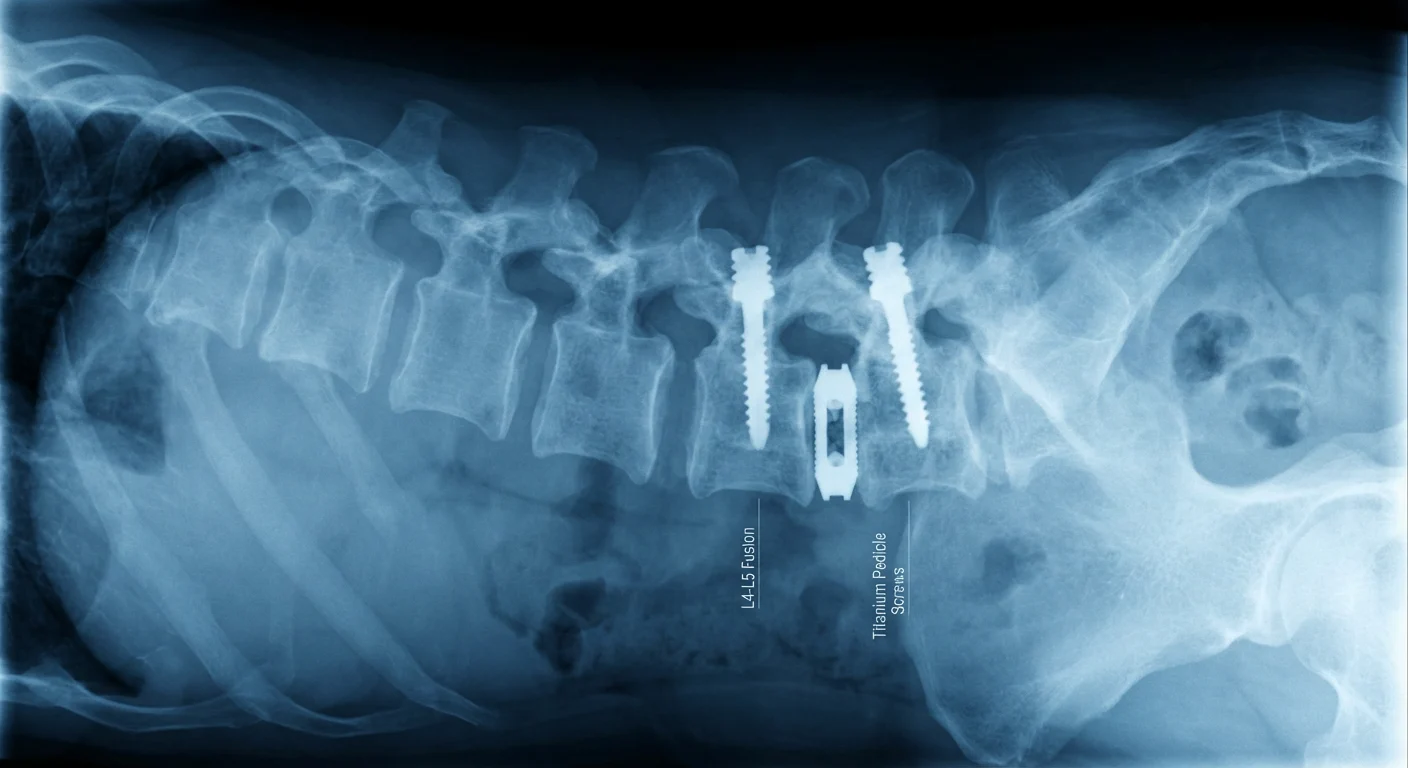
Titanium is the material of choice for hip and knee replacements, bone plates, and spinal fixation devices. Its primary advantage here is its exceptional strength-to-weight ratio. Titanium is as strong as steel but roughly 45% lighter. This is critical for patient comfort; a heavy implant could make a limb feel unnatural or sluggish, whereas titanium feels like a natural extension of the body.
The durability of titanium orthopedic implants is perhaps best illustrated by the comeback of golf legend Tiger Woods. After years of debilitating back pain, Woods underwent an Anterior Lumbar Interbody Fusion (ALIF) surgery. Surgeons placed a titanium cage and screws into his spine to stabilize the vertebrae. The titanium components were strong enough to withstand the immense torque and physical stress of a professional golf swing—forces that would destroy lesser materials. Thanks to the stability provided by these implants, Woods didn’t just recover; he returned to the pinnacle of his sport to win the 2019 Masters Tournament. His story serves as definitive proof that life with titanium implants doesn’t mean sitting on the sidelines.
2. Dental Implants: A Lifetime Solution
In the world of dentistry, titanium screws serve as artificial roots for missing teeth. The mouth is a surprisingly harsh environment for metal—it is constantly wet, subject to varying pH levels from food, and teeming with bacteria. Titanium’s natural oxide layer makes it immune to corrosion in this environment, ensuring it never rusts or degrades.
Patients often ask their dentists, “How long will this implant last?” History gives us a reassuring answer. Gösta Larsson, a Swedish man with a cleft palate and significant jaw deformities, became the world’s first dental implant volunteer in 1965. Despite the technology being in its infancy at the time, the titanium fixtures placed in his jaw functioned perfectly for more than 40 years. They remained stable and functional until he passed away in 2006. Larsson’s four decades of success established titanium dental implants as a permanent, lifetime solution rather than a temporary fix.
3. Surgical Instruments and Equipment
Not all titanium stays inside the body. In the operating room, surgeons rely on titanium for scalpels, forceps, hemostats, and retractors.
There are practical reasons for this preference. Since titanium is significantly lighter than stainless steel, it reduces hand fatigue for surgeons during marathon procedures that can last 10 hours or more. Furthermore, because titanium is non-magnetic, these instruments can be safely used near sensitive electronic equipment without causing interference. They are also durable enough to withstand thousands of cycles of high-temperature sterilization without losing their precision edge.
Titanium vs. Stainless Steel
You might wonder: if stainless steel is cheaper and has been used for over a century, why do we need expensive titanium? While surgical steel is still used for temporary fixes or external braces, titanium is the superior choice for permanent implants.
Here is a breakdown of why doctors prefer titanium for long-term recovery:
| Feature | Medical Titanium | Stainless Steel |
|---|---|---|
| Biocompatibility | Excellent (The body accepts it) | Fair (Contains nickel, risk of allergy) |
| Bone Connection | Osseointegration (Fuses with bone) | Mechanical fixation only |
| Weight | Lightweight (~4.5 g/cm³) | Heavy (~7.9 g/cm³) |
| MRI Safety | Safe (Non-magnetic) | Interference (Magnetic) |
| Flexibility | High (Moves like bone) | Low (Very stiff, risks bone loss) |
The verdict is clear: while stainless steel is adequate for short-term use, titanium’s ability to bond with bone and its MRI safety profile make it the only viable option for implants intended to last a lifetime.
Patient FAQs: Safety and Lifestyle
If you or a loved one are scheduled for surgery involving titanium, you likely have practical questions about how it will affect daily life. Here are the answers to the most common concerns.
Can I get an MRI with titanium implants?
Yes, it is safe.
This is the most frequent question patients ask. Unlike steel, titanium is non-ferromagnetic, meaning it is not magnetic. It will not heat up, vibrate, or rip out of your body when exposed to the powerful magnets of an MRI machine.
Note: While safe, titanium can create “artifacts” (blurry spots) on the scan images near the implant site. Always inform your radiologist so they can adjust the machine settings for a clearer picture.
Will I set off airport security alarms?
Usually, no.
Most titanium implants—such as dental implants, small screws, or plates—do not contain enough metal mass to trigger standard metal detectors at airports. However, large implants like a total hip replacement or a complex spinal reconstruction might set off the alarm.
It is standard practice to ask your surgeon for an Implant ID Card after your surgery. You can present this card to security personnel if the alarm does sound, saving you from an awkward explanation.
Is it possible to be allergic to titanium?
It is extremely rare.
Titanium is considered a hypoallergenic metal. Unlike stainless steel, which often contains nickel (a common allergen that causes rashes), medical-grade titanium is pure. While titanium allergies have been documented in medical literature, the prevalence is incredibly low—estimated at less than 0.6% of the population. For the vast majority of patients, it is the safest metal available.
3D Printing and Customization
As advanced as current technology is, the future of medical titanium is even more promising, thanks to Additive Manufacturing (3D Printing).
For decades, implants came in a range of standard sizes. If a patient’s bone structure was unique, the surgeon simply had to make the closest size fit. Today, 3D printing is shifting the paradigm from “mass production” to “personalization.”
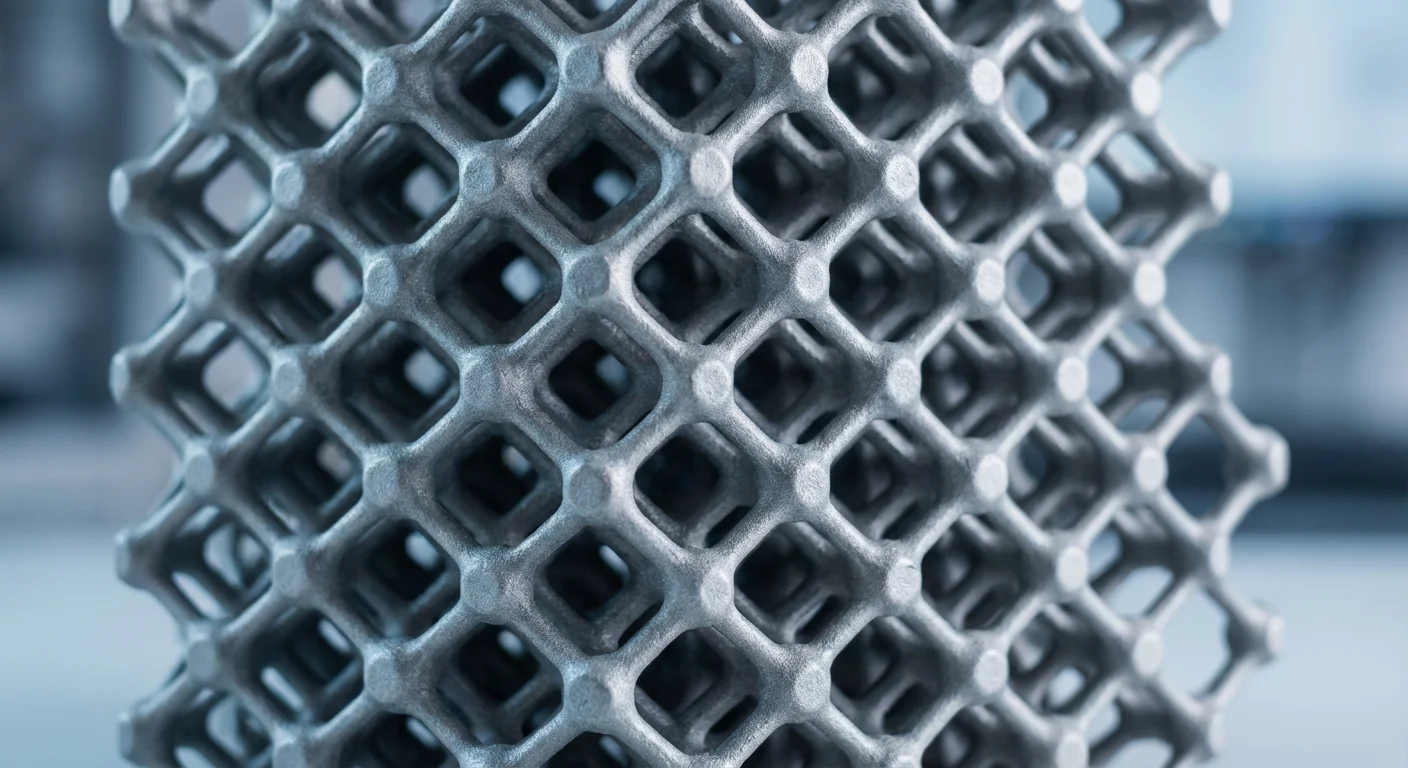
Engineers can now print titanium implants with porous, honeycomb-like structures that mimic natural bone. These pores allow blood vessels and bone cells to grow deep inside the implant, anchoring it more securely than ever before.
This technology is already saving lives in cases deemed “inoperable” by traditional standards. In 2015, a surgical team at Salamanca University Hospital faced a daunting challenge: a cancer patient needed a large portion of his sternum (breastbone) and rib cage removed. Standard flat plates would not fit the complex curve of his chest and would dangerously restrict his breathing.
Instead of using off-the-shelf parts, the team used high-resolution CT scans to map the patient’s anatomy. They then 3D printed a custom titanium sternum specifically designed for his body. The implant fit perfectly, protecting his heart and lungs while restoring the natural shape of his chest. This case marked a turning point in medicine, proving that titanium can be molded to solve even the most complex anatomical puzzles.
Conclusion
From the accidental discovery in a rabbit lab to the customized 3D-printed rib cages of today, titanium has transformed modern medicine.
It is strong enough to support the spine of a professional athlete like Tiger Woods, durable enough to last forty years for a dental patient like Gösta Larsson, and safe enough for millions of routine procedures every single year.
Titanium is more than just a metal; it is a bridge between engineering and biology. If your doctor recommends a titanium implant, you can feel confident knowing that you are receiving the most bio-friendly, time-tested material available to modern science.