When engineers choose materials for critical projects, the question isn’t just “What is a titanium rod used for?”—it is “Why pay a premium over steel for it?”
The answer lies in two technical properties: a superior strength-to-weight ratio and exceptional corrosion resistance.
Whether in subsea oil exploration or jet engine propulsion, titanium rods provide the strength of steel at approximately 60% of the weight. However, simply specifying “titanium” is insufficient. The market offers various grades and standards, and selecting the incorrect specification can lead to component failure or unnecessary costs.
Using a commercially pure Grade 2 rod for a high-stress aerospace bolt could lead to structural failure, while specifying a Grade 5 alloy for general chemical tubing is often an inefficient use of budget.
This guide analyzes the critical differences between titanium grades (specifically Gr2 vs. Gr5), clarifies ASTM standards, and defines the correct titanium rod specifications for specific manufacturing requirements.
Titanium Grades: Technical Differences
A common oversight in procurement is treating “titanium” as a single material category. In reality, the mechanical properties of Grade 2 and Grade 5 titanium rods differ significantly, comparable to the difference between mild steel and high-strength alloy steel.
Selecting the appropriate grade is critical for project success. Below is a technical comparison.
1. Grade 2 Titanium Rod (Commercially Pure)
Also known as CP Titanium, Grade 2 is the standard specification for industrial corrosion resistance.
- Key Characteristic:Ductility and Formability. Unlike harder alloys, Grade 2 rods can be cold-formed, bent, and welded more easily.
- Performance: It provides excellent corrosion resistance in oxidizing environments. It creates a stable, passive oxide film that renders it immune to saltwater and most chemical solutions.
- Primary Applications: Chemical processing equipment, anodizing racks, marine exhaust piping, and medical equipment not subject to high load-bearing stress.
2. Grade 5 Titanium Rod (Ti-6Al-4V)
Technically designated as Ti-6Al-4V (6% Aluminum, 4% Vanadium), this alpha-beta alloy is the standard for high-strength applications.
- Key Characteristic:High Tensile Strength. Grade 5 is heat-treatable and offers a tensile strength nearly 3x higher than Grade 2.
- Machining Considerations: It has lower ductility and is more difficult to machine and form than Grade 2. It requires precise machining parameters and cannot typically be cold-bent in thick sections.
- Primary Applications: Aerospace fasteners, turbine blades, high-performance racing engine components (connecting rods), and structural orthopedic implants.
Grade 2 vs. Grade 5 Performance Data
The following table compares the mechanical properties based on ASTM B348 standards:
| Property | Grade 2 (CP) | Grade 5 (Ti-6Al-4V) | Comparison |
|---|---|---|---|
| Tensile Strength | ≥ 345 MPa (50 ksi) | ≥ 895 MPa (130 ksi) | Gr5 is ~2.6x Stronger |
| Yield Strength | ≥ 275 MPa (40 ksi) | ≥ 828 MPa (120 ksi) | Gr5 withstands higher loads |
| Elongation | 20% | 10% | Gr2 offers better formability |
| Hardness (Rockwell) | ~80 HRB | ~30-36 HRC | Gr5 is harder to machine |
| Machinability | Similar to Stainless Steel 316 | More difficult (Requires sharp tools) | Gr2 is more cost-effective to process |
Selection Rule: If the priority is corrosion resistance and formability, specify Grade 2. If the priority is strength-to-weight ratio for structural parts, specify Grade 5.
Primary Industry Applications
While titanium rods have a higher initial material cost than steel or aluminum, they are essential in industries requiring specific performance characteristics.
1. Medical & Dental Applications
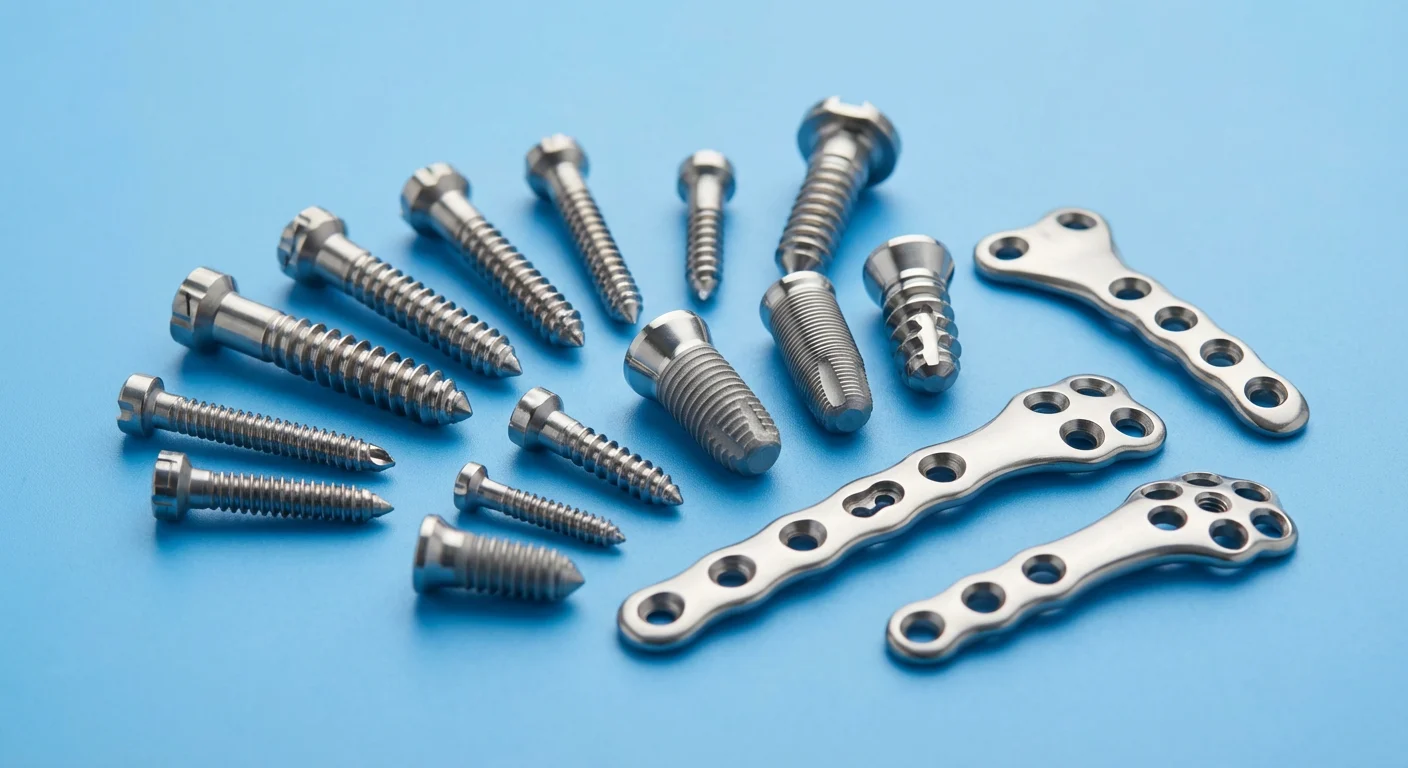
Titanium is the standard material for medical implants due to its biocompatibility.
When a titanium rod is used for a bone screw or dental implant, it allows for Osseointegration, where bone tissue grows into the titanium surface, creating a permanent structural bond.
- Key Applications: Orthopedic bone nails, spinal fixation rods, dental implant screws, and surgical instruments.
- ⚠️ Procurement Note: For implants, “Industrial Grade” titanium is not suitable. You must specify ASTM F136 (Grade 23 / Ti-6Al-4V ELI), which mandates extra-low interstitial elements (Oxygen and Iron) to ensure fracture toughness and prevent biocompatibility issues.
2. Aerospace & Aviation
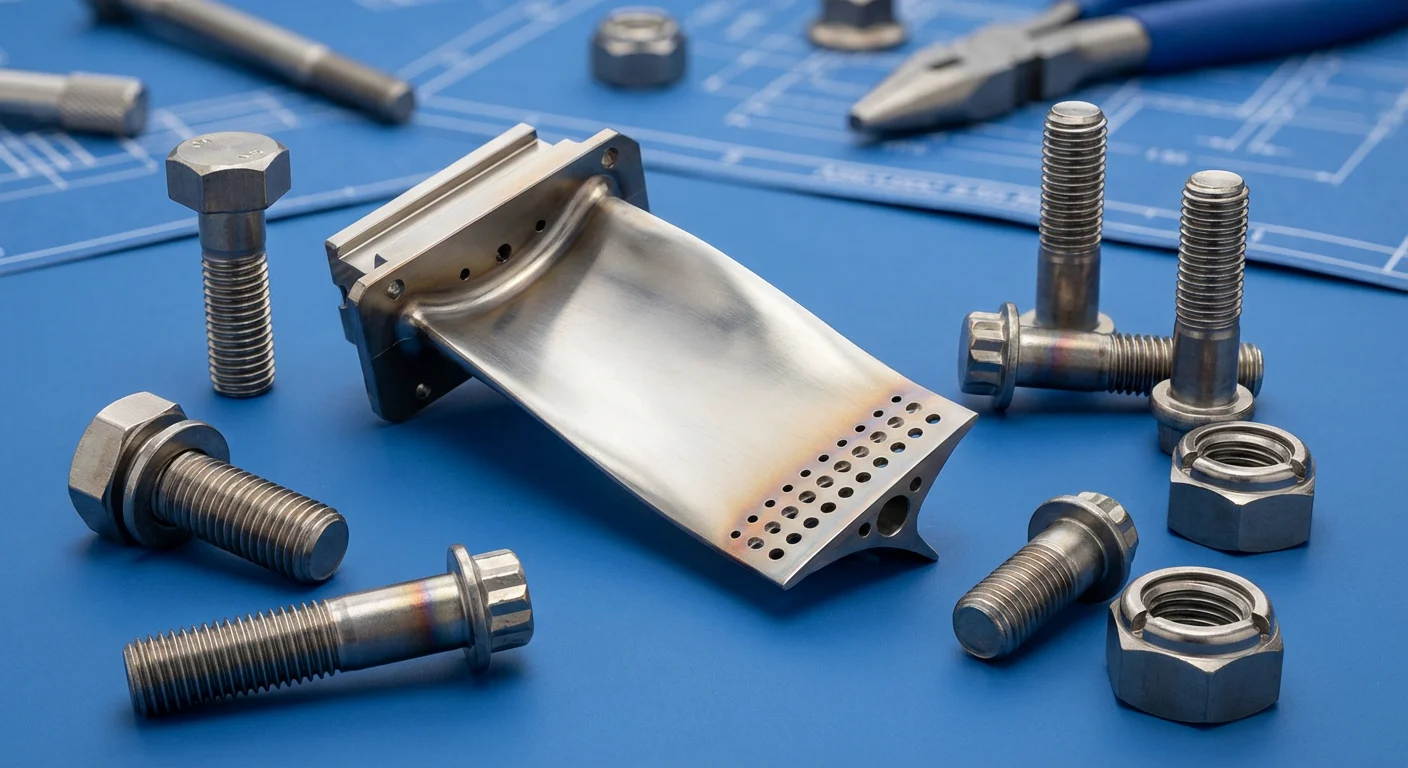
In aviation, weight reduction directly correlates to fuel efficiency. Titanium rods offer a critical balance: lighter than steel with the ability to withstand the thermal and mechanical stress of jet propulsion.
- Key Applications: High-strength fasteners (bolts/studs), landing gear structural components, and engine turbine blades.
- Material Specification: Aerospace engineers typically specify Grade 5 (Ti-6Al-4V) and require adherence to AMS 4928 standards for these components.
3. Industrial & Marine Processing
For chemical plants and offshore platforms, corrosion is a primary failure mode. While stainless steel may require regular replacement in harsh saltwater or chlorine environments, titanium offers superior longevity.
Although the initial cost is higher, the Lifecycle Cost (LCC) is often lower due to reduced maintenance and downtime.
- Key Applications: Heat exchanger tube sheets, pump shafts, drive shafts for desalination plants, and anodizing racking systems.
- Material Specification:Grade 2 (CP) is the preferred grade here due to its superior corrosion resistance compared to most alloys.
4. Automotive & High-Performance Engineering
In high-performance sectors, titanium is used to reduce mass without compromising strength.
In engines, replacing steel connecting rods with titanium rods reduces reciprocating mass, allowing for higher RPMs and faster engine response.
- Key Applications: Engine connecting rods, valve springs, bicycle frames, and specialized outdoor equipment.
Critical Manufacturing Specifications
Beyond the material grade, specifying the correct manufacturing tolerances is essential for efficient CNC machining and fabrication.
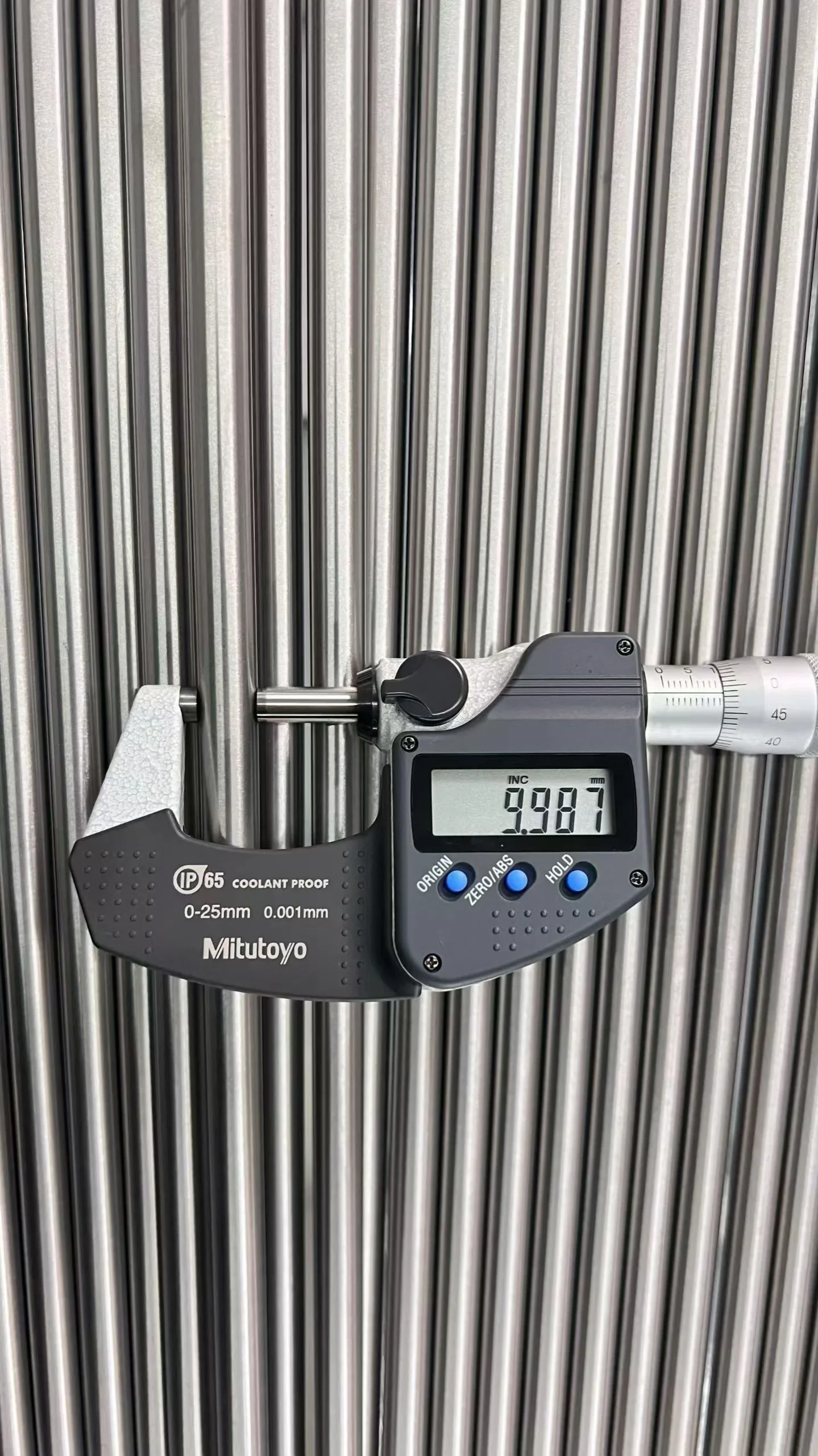
1. Diameter Tolerance: h9 vs. h7
The precision of the rod diameter dictates compatibility with machining equipment.
- Standard Tolerance (h9 / h11): The industry standard for general applications. Cost-effective but may have slight diameter variations.
- Precision Tolerance (h6 / h7): Required for high-speed Swiss-style CNC lathes.
- Technical Reason: A rod exceeding the guide bushing tolerance by even 0.05mm can cause machine jams and downtime.
- Recommendation: Specify Centerless Ground titanium rods for Swiss machining to ensure uniform diameter along the entire length.
2. Surface Finish Classifications
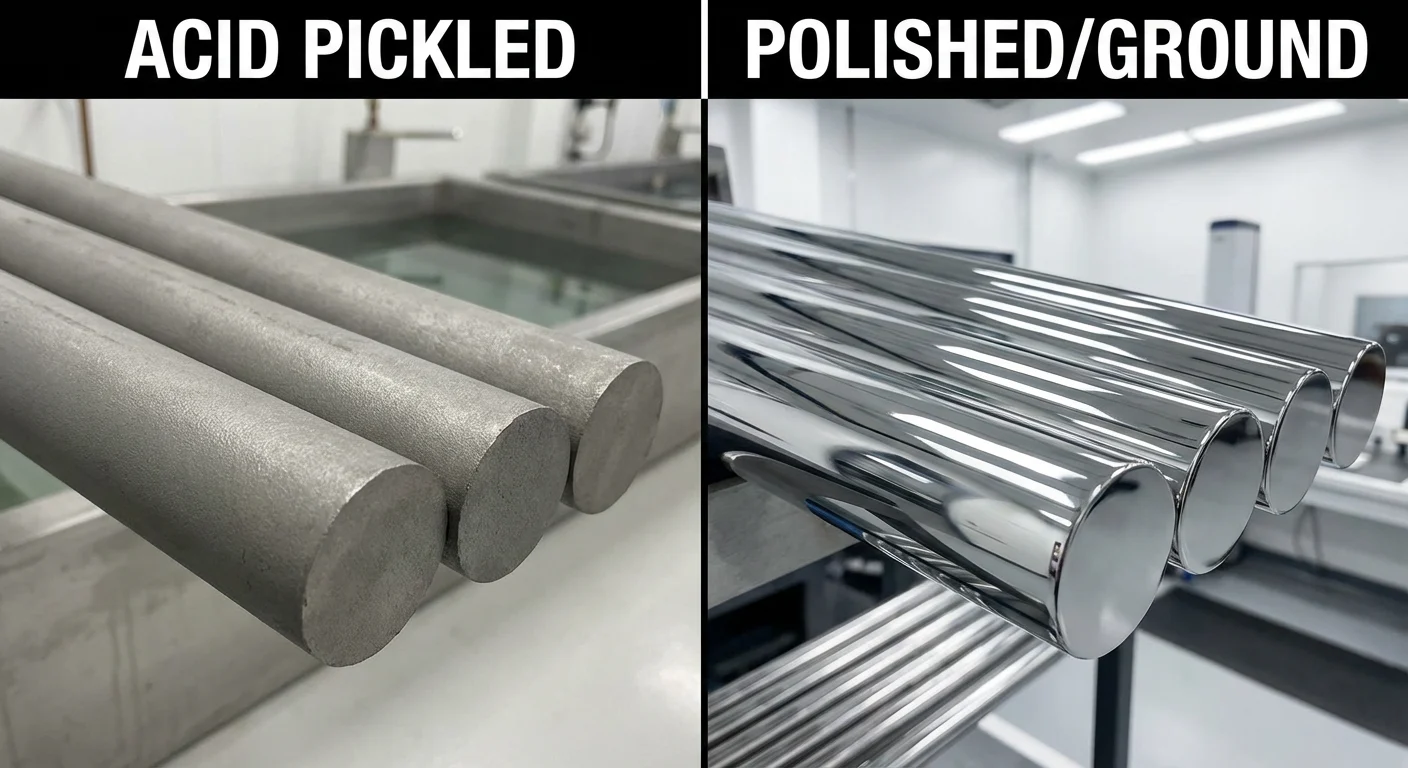
The surface condition indicates the processing method and suitable applications.
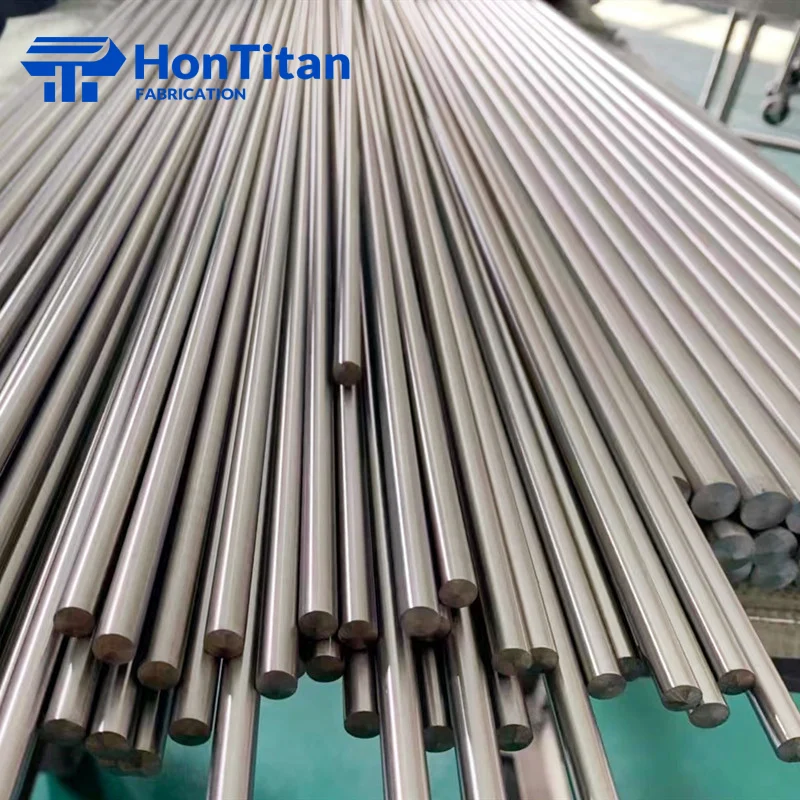
- Acid Pickled / Descaled: Matte gray, rough surface.
- Application: Forging or industrial parts where surface aesthetics are secondary, or where the outer layer will be machined off.
- Peeled / Turned: Oxide skin removed by cutting tools. Shiny surface, potentially with spiral tool marks.
- Application: General machining.
- Polished / Ground: Mirror-smooth surface (Ra < 0.8µm).
- Application: Medical implants, decorative parts, or shafts requiring a tight seal.
3. Straightness and Stress Relief
Titanium has significant memory. Without proper stress relief (annealing) during manufacturing, the rod may warp during machining.
- The Risk: Poor straightness causes vibration (whipping) in automatic bar feeders at high RPMs.
- The Specification: Require rods that meet or exceed ASTM B348 straightness standards. For long shafts, specify Stress Relieved material.
Quality Verification Guide
To ensure material integrity and prevent failure in critical applications, verify the following three points during procurement.
1. Material Certification: Mill Test Report (MTR)
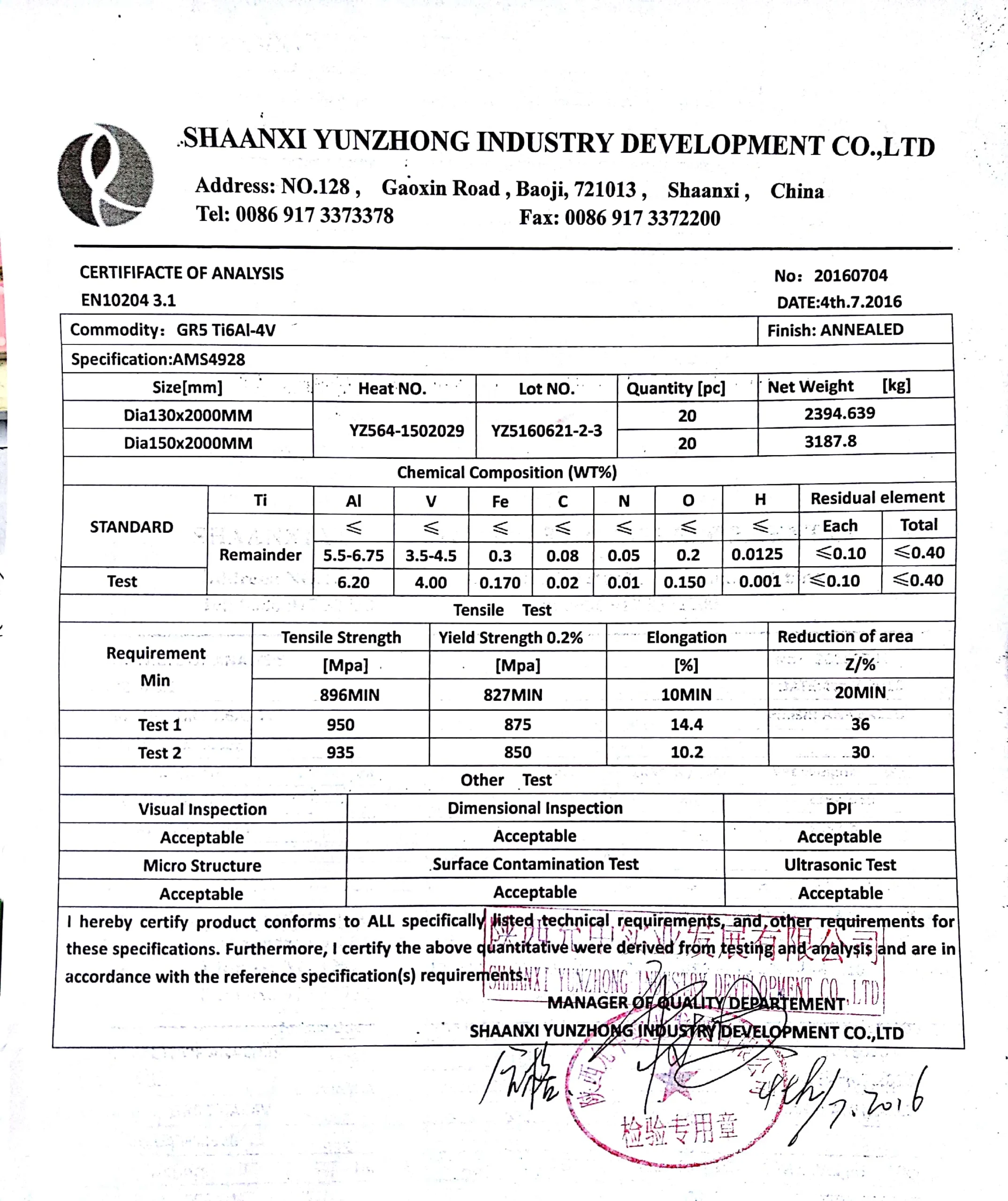
Require an EN 10204 3.1 Material Certificate with every shipment. Verify the chemical composition:
- Oxygen (O) & Nitrogen (N): High levels of these interstitial elements can cause brittleness.
- Hydrogen (H): High hydrogen content can lead to “hydrogen embrittlement,” a delayed failure mechanism.
- Specification Check: For Grade 5 aerospace parts, Hydrogen content should typically be < 0.015%.
2. Internal Integrity: Ultrasonic Testing (UT)
Titanium ingots can develop internal voids or cracks during melting which are not visible externally.
For rods larger than 6mm used in aerospace or high-pressure environments, verify that Ultrasonic Testing (UT) has been performed. Look for compliance with AMS 2631 or equivalent standards on the certificate.
3. Traceability
Ensure the material is traceable to a reputable source.
Verify that the supplier maintains Traceability from the finished rod back to the original ingot and titanium sponge batch. Lack of a clear “Heat Number” or origin data is a significant quality risk.
Frequently Asked Questions (FAQ)
Is a titanium rod stronger than steel?
It depends on the specific alloy. Generally, titanium offers a superior strength-to-weight ratio. While certain high-strength steels have higher absolute tensile strength than Grade 2 titanium, Grade 5 Titanium (Ti-6Al-4V) is stronger than many common steels while being approximately 45% lighter. This makes it the preferred choice for weight-critical applications.
Does a titanium rod rust?
No. Unlike steel, which corrodes when exposed to oxygen and moisture, titanium naturally forms a stable, passive oxide film (TiO2) on its surface. If scratched, this film regenerates in the presence of oxygen, rendering the material immune to corrosion from saltwater, chlorine, and most mineral acids.
Can you weld titanium rod?
Yes, but it requires controlled conditions. Titanium is highly reactive to oxygen and nitrogen at welding temperatures. Processes must use TIG (GTAW) welding with 99.999% pure argon gas shielding. The weld pool and the heat-affected zone must be completely shielded to prevent embrittlement.
Conclusion
A “Titanium Rod” is not a generic commodity. It represents a range of specific grades and standards—from the ductile Grade 2 to the high-strength Grade 5.
Selecting the correct specification ensures the balance between performance, manufacturability, and cost.
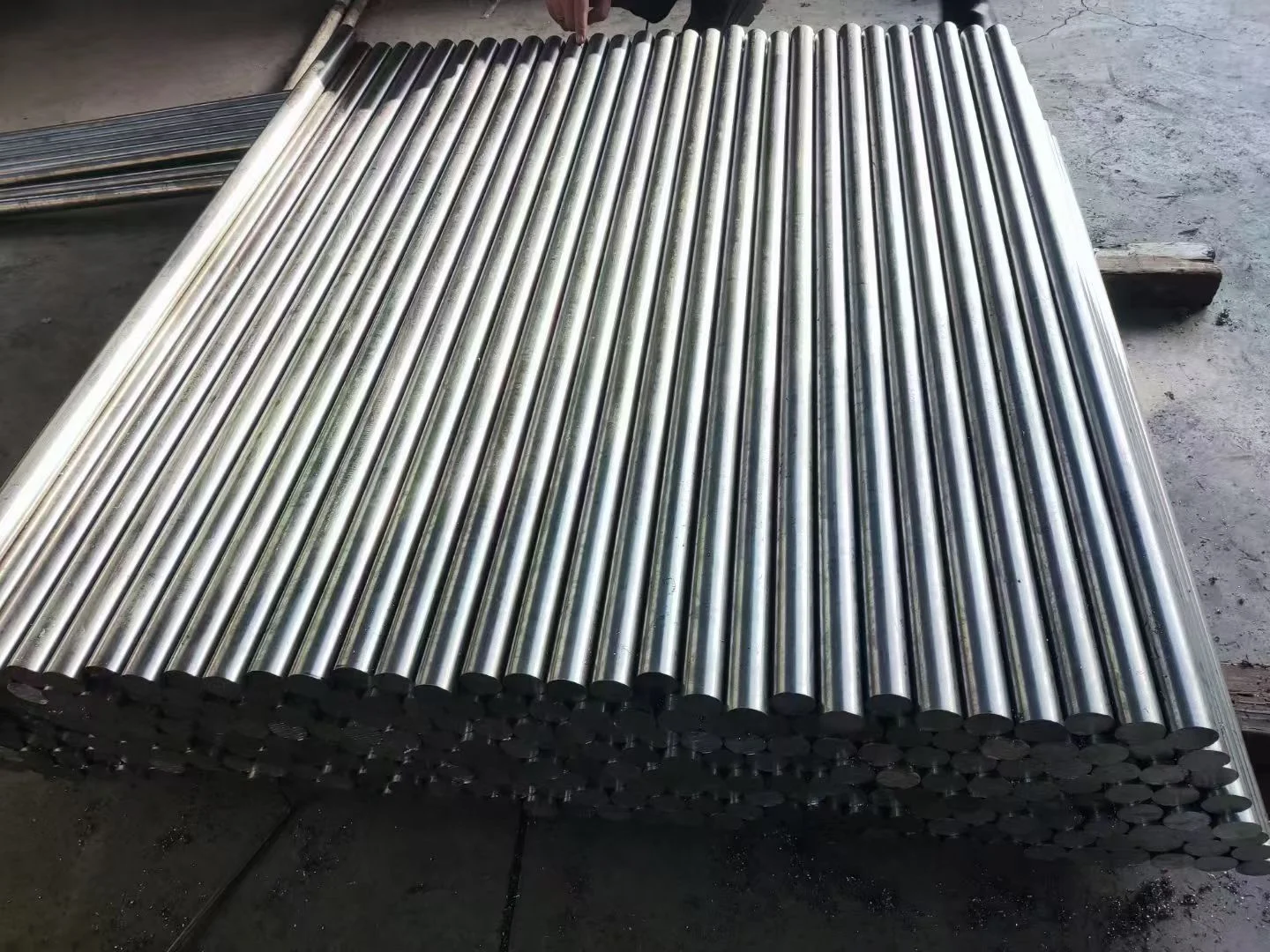
At HonTitan, we provide verified titanium products that meet rigorous industry standards. Whether you require ASTM F136 rods for medical manufacturing or h7 precision-ground bars for CNC machining, we supply the exact specifications your production line demands.
 |
 |
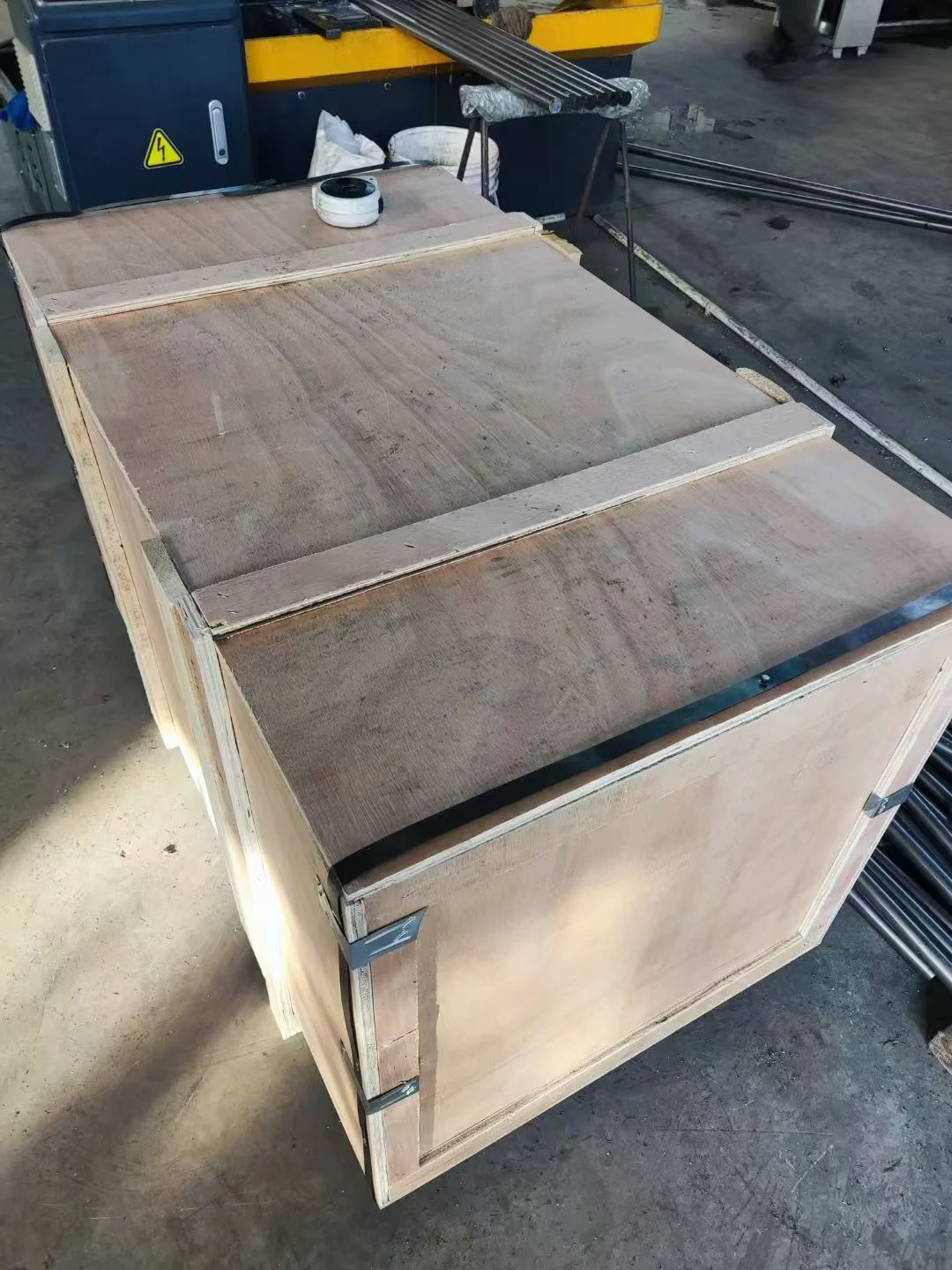 |
Our Supply Capabilities:
- Certified Material: Full Mill Test Reports (EN 10204 3.1) provided with every shipment.
- Custom Sizing: Cut-to-size services and custom diameters to minimize material waste.
- Inventory: Comprehensive stock of standard sizes for immediate dispatch.