Ever Heard of a “Space-Age Metal”? You’re Probably Using It Right Now.
When you hear the word “titanium,” what comes to mind? For most of us, it’s probably rockets, spy planes like the SR-71 Blackbird, or maybe even a sci-fi movie villain’s indestructible armor. It sounds high-tech, expensive, and frankly, a little out of reach.
But what if I told you that this “space-age metal” is hiding in plain sight all around you? You might even be wearing it, holding it, or have it inside your body right now.
Titanium has a few superpowers that make it special: it’s as strong as steel but about 45% lighter, and it’s a champion when it comes to resisting corrosion (that’s fancy talk for rust and other types of decay). These properties have made it essential not just for aerospace engineers, but for the designers of everyday products we use and love. Ready to be surprised? Let’s dive in.
Unveiling the List: 10 Places Titanium Hides in Plain Sight
Here are ten unexpected places you’ll find this incredible material making life lighter, stronger, and more durable.
1. High-Performance Sports Gear
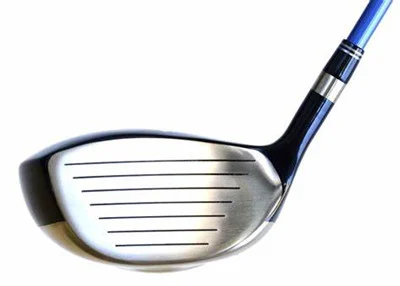
Ever wonder how golfers can drive a ball over 300 yards? Titanium helps. It’s used in the heads of high-end golf clubs to create a larger “sweet spot” without adding weight, allowing for more power and forgiveness. You’ll also find it in lightweight bicycle frames, tennis rackets, and lacrosse sticks, giving athletes an edge by making their equipment stronger and easier to handle.
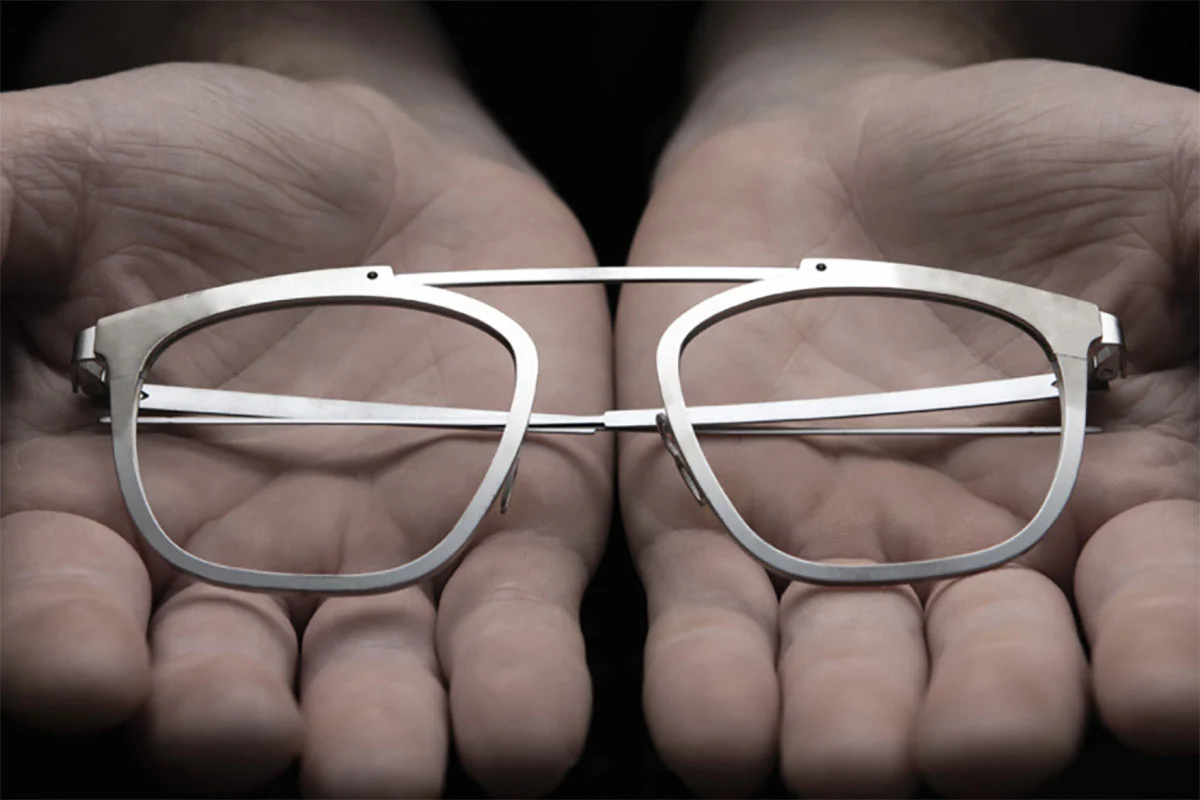
2. Eyeglass Frames
If you’ve ever had glasses that felt heavy on your nose or left green marks on your skin, you’ll appreciate titanium frames. They are incredibly lightweight (you almost forget you’re wearing them!), super strong, and hypoallergenic, meaning they won’t irritate your skin. Plus, their resistance to corrosion means they aren’t bothered by sweat or moisture.
3. Laptops and Smartphones
This is a big one. Tech companies are increasingly using titanium for the chassis of their premium devices. A perfect example is Apple’s iPhone 15 Pro. Using a titanium frame allows them to make the phone incredibly strong and durable while also making it noticeably lighter than its stainless steel predecessors. It gives the device a premium, high-tech feel that aluminum just can’t match.
4. Outdoor and Camping Gear
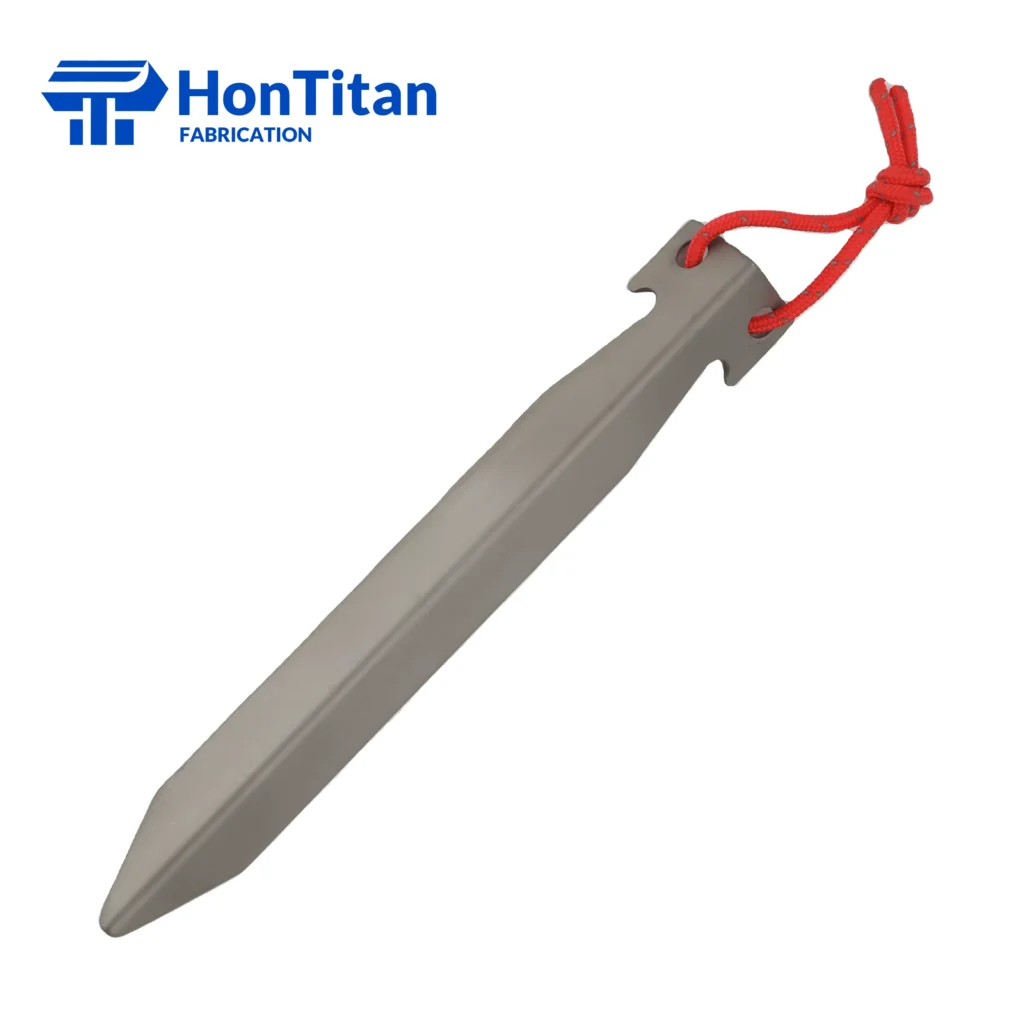
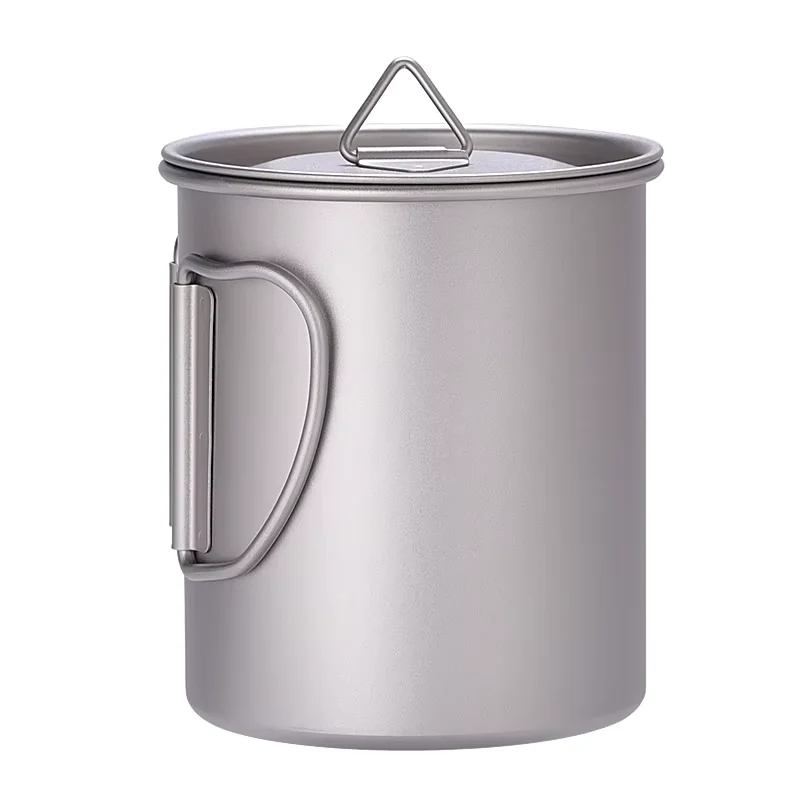
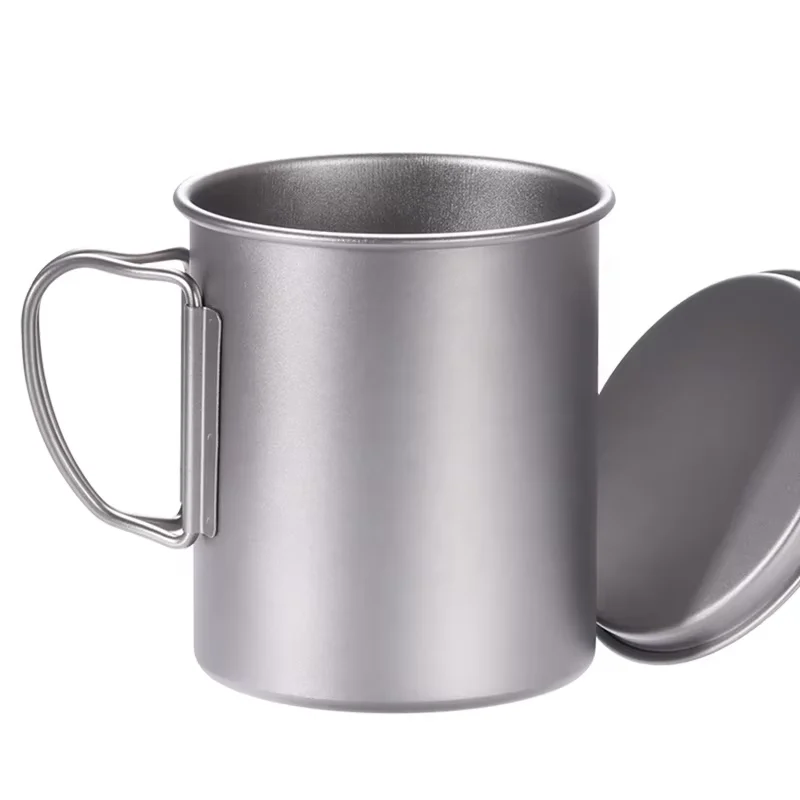
For backpackers and campers, every ounce counts. That’s why titanium is a godsend for outdoor gear. Titanium pots, pans, sporks, and water bottles are extremely lightweight, very strong (so they won’t get crushed in your pack), and won’t leave a metallic taste in your food or water. It makes that long hike just a little bit easier.
5. Jewelry and Watches
Looking for a wedding ring or watch that can keep up with an active lifestyle? Titanium is a fantastic choice. It’s hypoallergenic, making it perfect for people with metal allergies. It’s also remarkably light and comfortable to wear all day. Its modern, gunmetal-gray luster and superior scratch resistance make it a popular alternative to traditional metals like gold or silver.
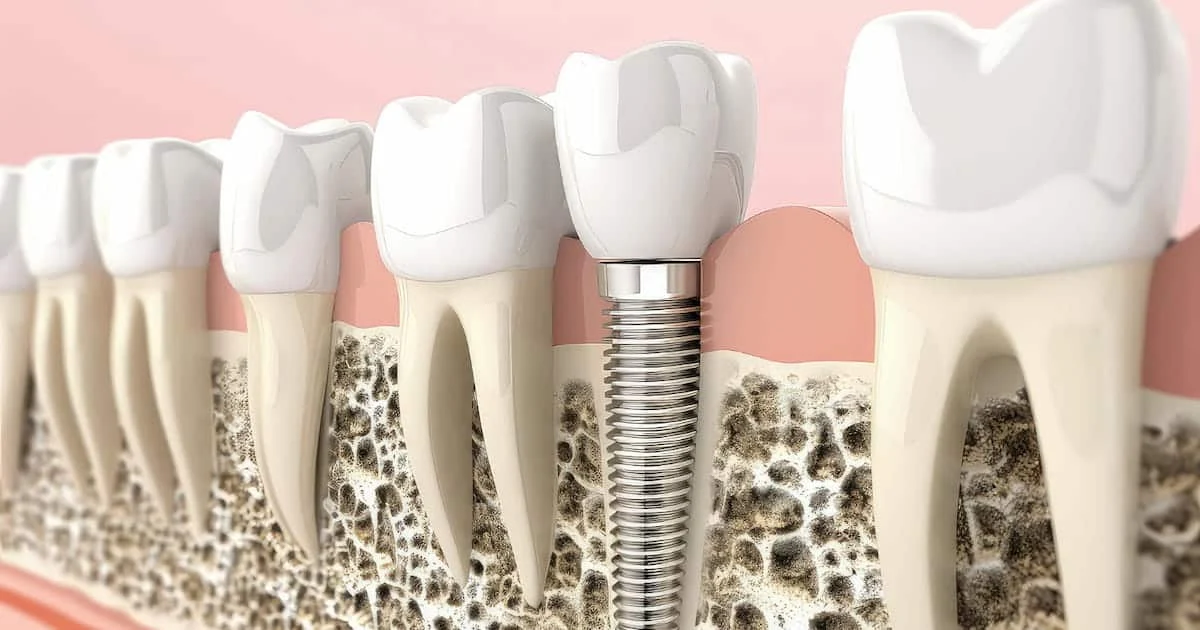
6. Medical and Dental Implants
This is where titanium becomes a true life-changer. It is one of the most biocompatible metals, which means our bodies don’t reject it. Because of this, it’s the gold standard for medical implants like artificial hip and knee joints, bone-setting screws and plates, and dental implants that fuse directly with the jawbone. It’s strong, non-toxic, and can last a lifetime inside the human body.
7. High-End Automotive Parts
While you won’t find it in your average family sedan, titanium is a star player in the world of motorsports and supercars. It’s used for high-performance parts like exhaust systems, valves, and connecting rods. Why? Because reducing weight in a car means better acceleration, braking, and fuel efficiency. Its ability to withstand extreme heat makes it ideal for engine and exhaust components.
8. Desalination Plants
Turning saltwater into fresh water is a tough job for any metal. Seawater is incredibly corrosive and quickly destroys most materials. Titanium, however, is virtually immune to it. For this reason, it’s used to make the critical pipes and heat exchangers in desalination plants, ensuring a reliable supply of fresh water for coastal communities around the world.
9. Architectural Wonders
Have you ever seen a building that shimmers and seems to change color with the light? It might be clad in titanium. The most famous example is the Guggenheim Museum in Bilbao, Spain. Its flowing curves are covered in titanium panels that give it a breathtaking appearance. Architects love it for its unique beauty and its incredible resistance to weather and pollution, meaning it stays looking great for decades.
10. Pigment in Everyday Products (Titanium Dioxide)
This is the most surprising use of all! Titanium isn’t always a solid metal. When turned into a fine white powder called titanium dioxide (TiO2), it becomes the most widely used white pigment in the world. It provides the bright whiteness and opacity in everything from house paint and sunscreen (where it also blocks UV rays) to toothpaste, paper, and even some foods like candy and donuts.
So, Why Titanium? What Makes It So Special?
As you can see, titanium is much more than just a “space-age metal.” It’s a versatile problem-solver that has quietly improved countless products we rely on. Here’s a quick recap of its superpowers:
| Property | What It Means for You |
|---|---|
| Incredible Strength-to-Weight Ratio | You get the strength of steel without the heaviness, making products like bikes and laptops easier to carry. |
| Champion of Corrosion Resistance | Your watch, glasses, or outdoor gear won’t rust or tarnish, even when exposed to sweat, saltwater, or rain. |
| Biocompatible (Body-Friendly) | It’s the safest metal for medical implants, as your body accepts it without a fight. |
From Everyday Gadgets to Industrial Marvels: Your Titanium Partner
As you can see, titanium’s uses are incredibly diverse, from the phone in your pocket to massive industrial plants. This versatility is amazing, but it also means that choosing the right type and form of titanium for a specific project can be complex.
That’s where we at HonTitan come in. Think of us as your dedicated titanium specialists. We do more than just sell metal; we provide complete, end-to-end support for all things titanium.
- Full-Spectrum Expertise: Our services cover the entire titanium industry, from aerospace and medical applications to industrial and consumer goods.
- Massive Inventory: We maintain a high-quality stock of titanium raw materials, ensuring you get what you need, when you need it.
- Customized Solutions: Your project is unique, and your materials should be too. We specialize in creating custom-fit solutions tailored to your exact specifications.
Ready to bring your idea to life, whether it’s a new product line or a complex industrial component? Visit us at hontitan.com and send us your specific requirements. Our team will provide you with expert advice to make your project a success.
Consider HonTitan your strategic partner for customized titanium solutions—the preferred supplier dedicated to meeting your diverse needs with reliability and expertise. We’re here to guide you, removing the guesswork and ensuring you get the perfect material for the job.
Frequently Asked Questions (FAQ) about Everyday Titanium
Q1: Is titanium really expensive?
A: Titanium is generally more expensive than steel or aluminum. This is not because the metal is rare (it’s actually the 9th most abundant element in the Earth’s crust!), but because it’s very difficult and energy-intensive to refine from its ore and process into a finished product. However, for many applications, its long life and superior performance make it a worthwhile investment.
Q2: Is titanium magnetic?
A: No, commercially pure titanium and most of its common alloys are not magnetic. This is another way you can sometimes distinguish it from steel.
Q3: How can I tell if something is made of titanium?
A: It can be tricky, but there are clues. It feels much lighter than steel but heavier than aluminum. It’s non-magnetic and often has a distinctive dark, metallic gray color. For products like high-end gear, the manufacturer will usually advertise that it’s made of titanium.
Q4: Is titanium better than aluminum?
A: It depends on the job! Titanium is significantly stronger and more durable than aluminum, but also heavier and more expensive. Aluminum is fantastic when being lightweight is the absolute top priority and high strength isn’t as critical. Think of it this way: an airplane’s body might be aluminum, but the critical landing gear components might be titanium.
Q5: Does titanium ever rust?
A: Under normal conditions, no. Titanium instantly forms a very thin, tough, and invisible layer of titanium oxide on its surface when exposed to air. This layer is incredibly stable and protects the metal underneath from almost all forms of corrosion, including saltwater, acids, and bodily fluids.