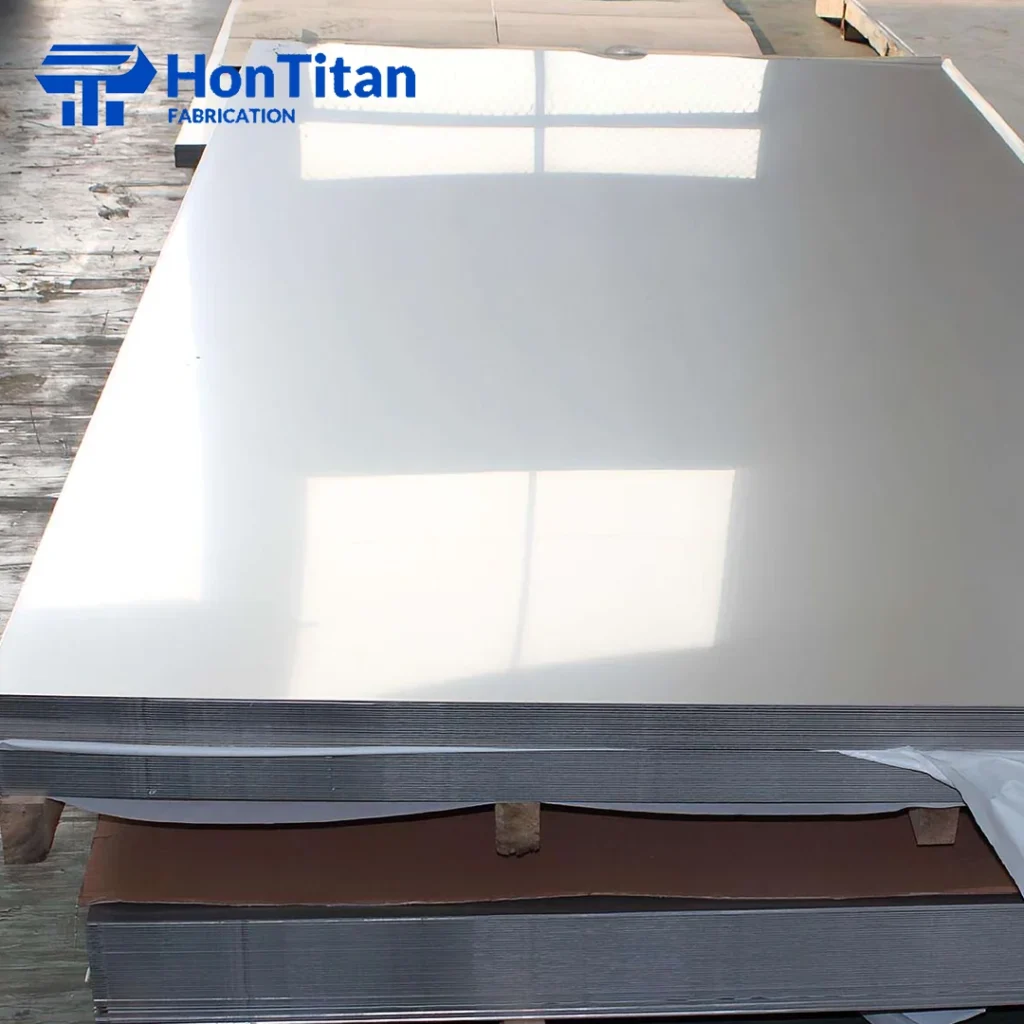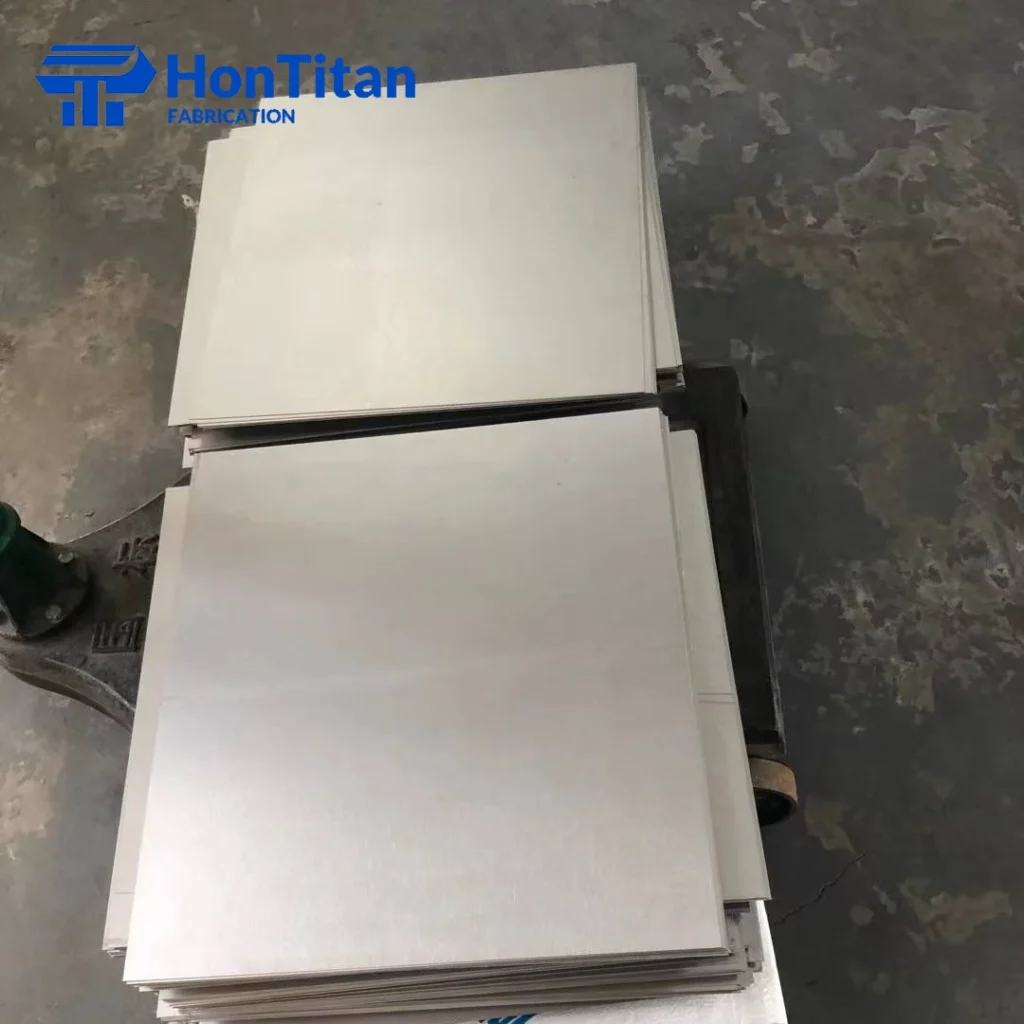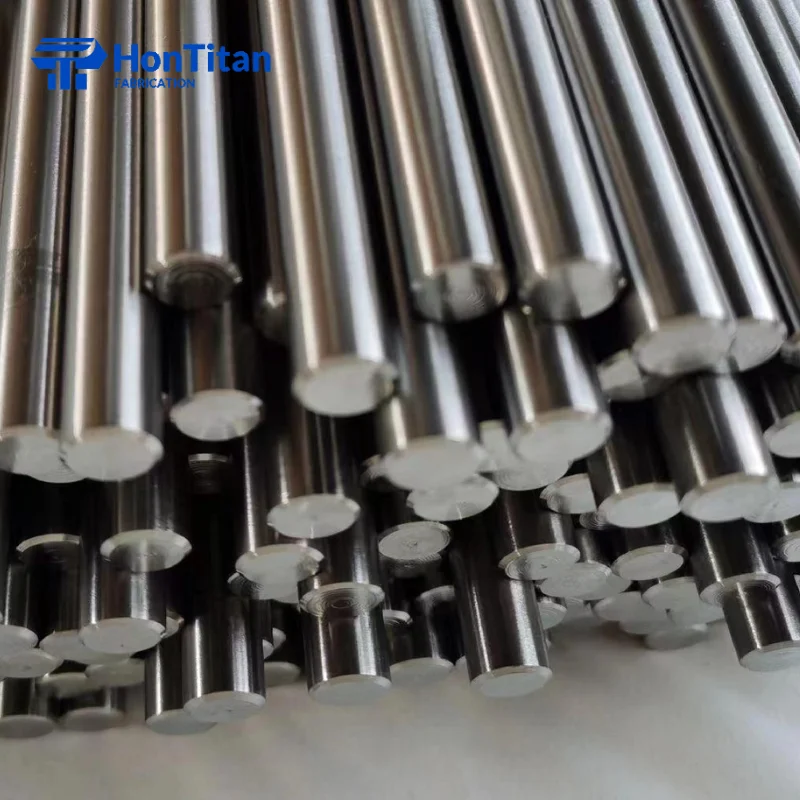
When selecting materials for a demanding engineering project, designers often face a classic dilemma: prioritizing ease of manufacturing or maximizing mechanical strength. If you have narrowed your options down to Commercially Pure (CP) titanium, you are likely weighing the difference between grade 2 and 4 titanium.
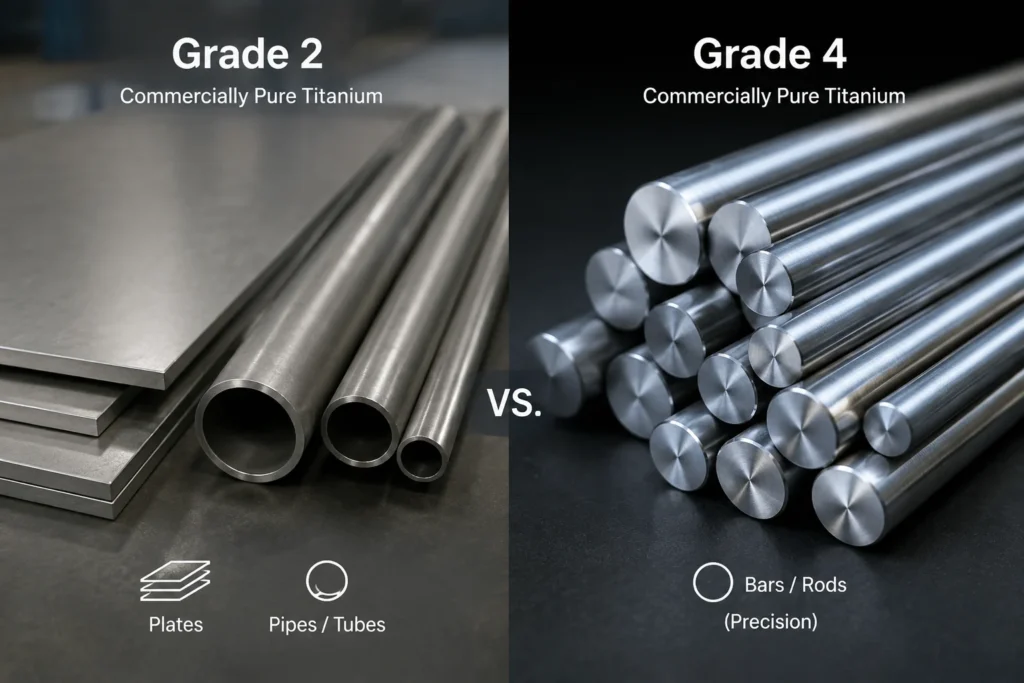
The Quick Answer: The primary difference between Grade 2 and Grade 4 titanium lies in their oxygen content. Grade 2 offers optimal ductility and formability, making it the industry workhorse. Conversely, Grade 4 boasts the highest yield strength of all unalloyed titanium grades, though it sacrifices a degree of machinability.
But which one is right for your specific application? In this guide, we will break down their mechanical properties, evaluate real-world fabrication challenges, and explore supply chain realities to help you make the most cost-effective decision.
What is Commercially Pure (CP) Titanium?
To get titanium grades explained clearly, we first need to distinguish between unalloyed and alloyed variants. When comparing commercially pure titanium vs alloy (such as the well-known Ti-6Al-4V), CP titanium—which includes Grades 1 through 4—contains no deliberately added alloying elements like aluminum or vanadium. Instead, these grades are prized primarily for their unmatched corrosion resistance, chemical stability, and excellent biocompatibility.
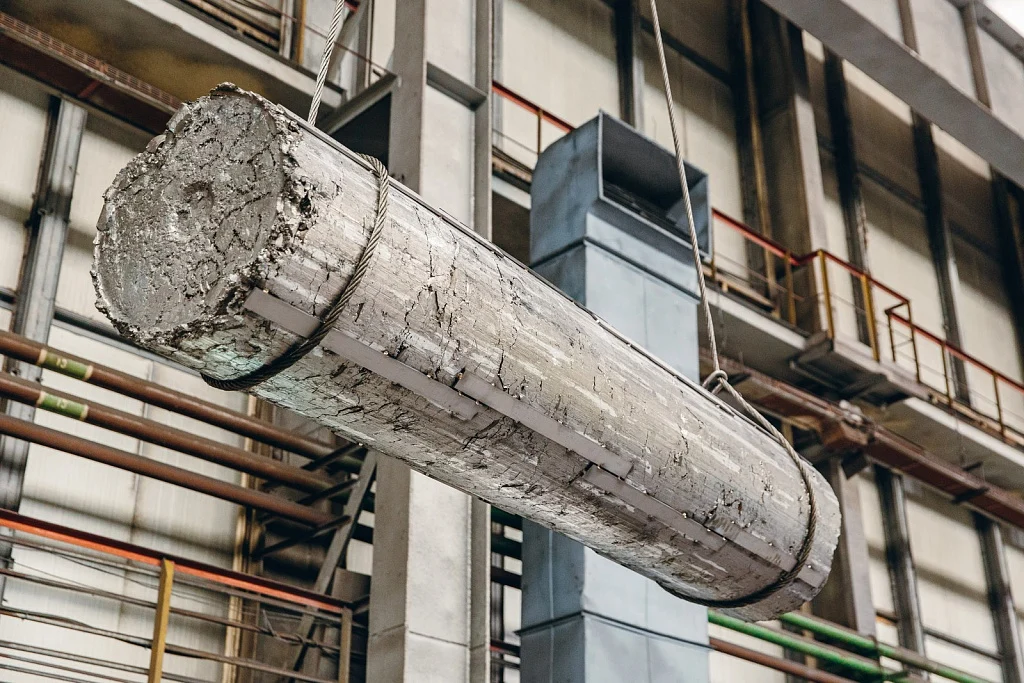
But if both Grade 2 and Grade 4 are composed of roughly 99% pure titanium, why is there such a massive gap in their mechanical performance?
The secret lies in the microscopic presence of interstitial elements—specifically oxygen and iron. As you move from Grade 1 up to Grade 4, the allowable limits for oxygen and iron gradually increase. These tiny atoms embed themselves into the titanium’s crystal lattice, acting as a powerful solid-solution strengthening agent. Therefore, while Grade 4 is not technically an alloy, its intentionally higher oxygen content makes it significantly harder and stronger than Grade 2.
Grade 2 Titanium: The Industry Workhorse
Known as the “workhorse” of the commercially pure titanium family, Grade 2 is the most widely utilized grade across global industries. Its popularity stems from its exceptional balance of moderate strength and high ductility. While it is not as strong as Grade 4, its ability to be cold-formed, deep-drawn, and easily welded makes it the go-to choice for complex fabrications where structural integrity must be paired with manufacturability.
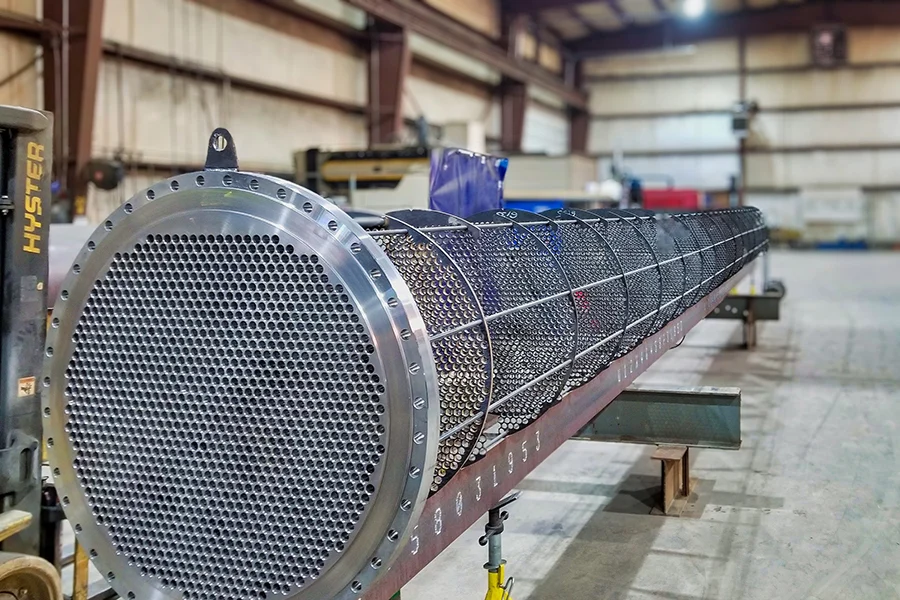
In the marine environment, Grade 2 titanium is virtually immune to corrosion from salt water, heat, and brackish conditions, which is why it remains the standard for offshore oil and gas components and desalination plants. For industrial procurement, this material is typically specified under ASTM B348 Grade 2 for bars and billets. Furthermore, its biological neutrality and hypoallergenic properties make it a staple for non-load-bearing medical devices and surgical tools under ASTM F67 Grade 2. Whether it is used in a massive chemical heat exchanger or a high-end consumer timepiece, Grade 2 delivers reliable, long-term performance at a highly competitive price point.
Grade 4 Titanium: The Strongest CP Grade
If your project demands the absolute strongest unalloyed titanium available, Grade 4 is the undisputed champion. By pushing the allowable limits of oxygen and iron to their maximum within the CP specifications, Grade 4 achieves remarkable yield and tensile strengths that can even rival some low-end titanium alloys. It delivers exceptional durability and fatigue resistance, stepping in where Grade 2 simply cannot handle the mechanical load, albeit at the expense of that easy formability.
This unique combination of high mechanical strength and absolute zero toxicity (since it contains no aluminum or vanadium) makes it highly sought after in specific, high-stakes sectors. It is the premier choice for load-bearing dental implants and heavy-duty orthopedic devices where exceptional bone integration (osseointegration) and bite force resistance are critical. Beyond the medical field, Grade 4 is also rigorously utilized in aerospace hydraulic tubing, complex airframe components, and performance motorsports where engineers need to maximize structural strength without turning to alloyed metals.
Head-to-Head Comparison: Grade 2 vs Grade 4
Let’s put these two titanium grades side-by-side to understand exactly how their physical characteristics, workshop handling, and procurement realities differ.
Mechanical Properties
When evaluating the grade 2 titanium yield strength vs grade 4, the numbers speak for themselves. The table below outlines the typical mechanical requirements according to ASTM standards:
| Property / Grade | Grade 2 Titanium | Grade 4 Titanium |
|---|---|---|
| Yield Strength (Min) | 275 MPa (40 ksi) | 483 MPa (70 ksi) |
| Tensile Strength (Min) | 345 MPa (50 ksi) | 550 MPa (80 ksi) |
| Elongation (Min %) | 20% | 15% |
| Hardness (Typical Rockwell B) | ~80 HRB | ~100 HRB |
Grade 4 offers nearly double the yield strength of Grade 2, making it capable of bearing much heavier loads without permanent deformation. However, this impressive strength naturally results in a noticeable drop in elongation (ductility).
Machining and Fabrication Differences
Out on the shop floor, the difference in hardness is palpable. If your team is researching how to machine grade 4 titanium, they must be prepared for a tougher experience. Its higher strength leads to faster tool wear, requiring slower feed rates, highly rigid setups, and copious amounts of coolant to prevent work hardening.
In contrast, Grade 2 is much more forgiving during CNC operations. For assembly and fabrication, finding a standard grade 2 titanium welding guide is straightforward because the material is highly weldable and easy to cold-form. While Grade 4 can certainly be welded, its lower ductility means it has larger bend radii limits and requires even stricter inert gas shielding to prevent the weld zone from becoming brittle.
Cost and Supply Chain Realities
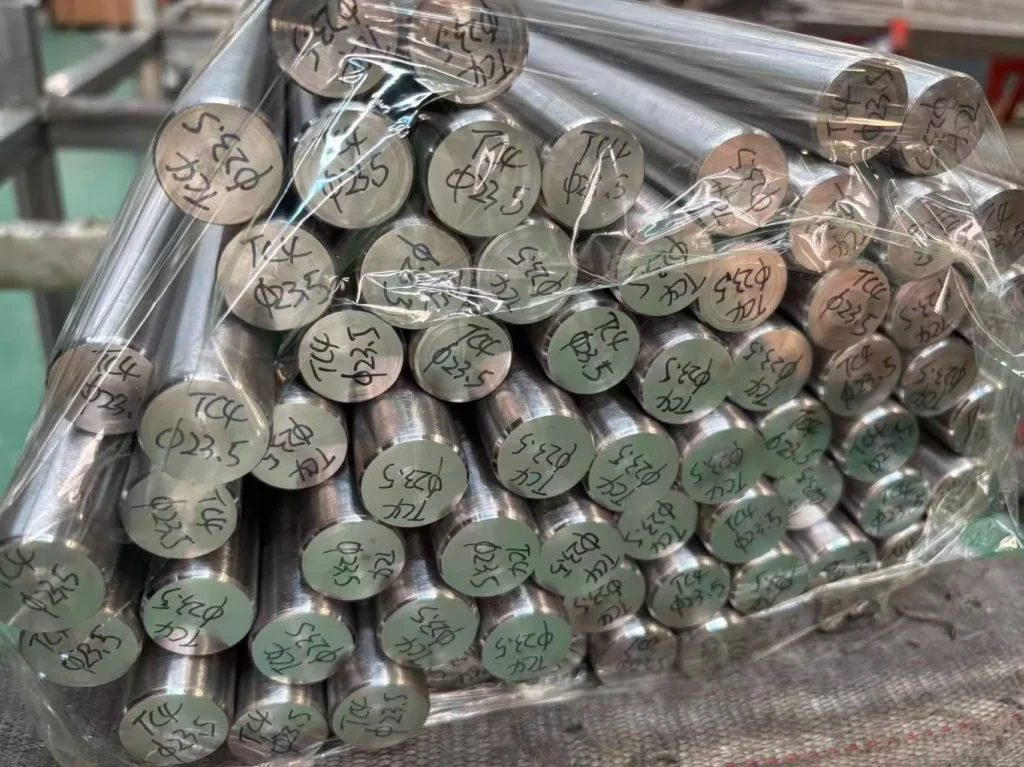
Engineering decisions do not exist in a vacuum; budgets and lead times are critical. Because Grade 2 is the standard commercial workhorse, finding reliable grade 2 titanium sheet suppliers, tube distributors, and wire stockists is incredibly easy—it is heavily stocked globally.
Grade 4, however, is a niche material primarily catering to the medical and aerospace sectors. Consequently, the grade 4 titanium bar price per kg is generally higher due to lower production volumes and premium quality control requirements. Procurement managers should anticipate longer lead times or minimum order quantities (MOQs) when sourcing Grade 4 materials.
Quick Decision Guide: How to Choose?
Navigating the titanium grade 2 vs 4 debate ultimately comes down to your project’s specific mechanical requirements and manufacturing constraints. Here is a quick summary to help you finalize your material selection:
- Your manufacturing process involves extensive cold forming, deep drawing, or complex welding.
- The component will face extreme corrosive environments (like seawater or chemical processing) but does not need to support massive structural loads.
- You are working under tight budgetary constraints and need a material with readily available global inventory and short lead times.
Choose Grade 4 Titanium if:
- You are designing high-load medical devices, such as dental root implants or orthopedic screws, where maximum strength and pure biocompatibility are non-negotiable.
- Your application prohibits the use of alloyed metals (due to toxicity or strict industry regulations) but still requires the highest possible yield strength.
- You need to reduce the weight and volume of a part; Grade 4’s superior strength allows engineers to design components with thinner walls and more compact dimensions without sacrificing durability.
Frequently Asked Questions
Is Grade 4 titanium stronger than Grade 2?
Yes, significantly. Grade 4 titanium has a minimum yield strength of 483 MPa (70 ksi), which is nearly double that of Grade 2 at 275 MPa (40 ksi). This increased strength is intentionally achieved by allowing higher levels of interstitial oxygen and iron during the manufacturing process, making Grade 4 the strongest of all commercially pure titanium grades.
Can you weld Grade 4 titanium to Grade 2?
Yes, welding dissimilar grades of CP titanium is a common practice. Since both are unalloyed, they are highly compatible. Typically, engineers specify a filler metal that matches the lower strength grade (in this case, Grade 2) to ensure the weld joint retains adequate ductility. However, strict inert gas shielding (argon or helium) is absolutely critical to prevent oxygen contamination and embrittlement in the weld zone.
Which is better for medical implants, Grade 2 or Grade 4?
It entirely depends on the mechanical load. When discussing the biocompatibility of CP titanium grade 2 and 4, both are exceptional and totally non-toxic. However, for load-bearing applications like dental root implants or bone screws that must withstand severe biting or physical forces, Grade 4 is the superior choice. For non-load-bearing devices, such as pacemaker cases or surgical instruments, Grade 2 is preferred because it is much easier to form into complex shapes.
Final Thoughts: Moving Forward with Your Project
Ultimately, there is no absolute “best” titanium grade—there is only the right material for your specific engineering constraints. While Grade 2 offers unmatched versatility, formability, and cost-effectiveness for general-purpose and corrosive applications, Grade 4 steps in to provide the ultimate mechanical strength required for mission-critical, unalloyed components.
Still unsure which commercially pure titanium is the perfect fit for your next manufacturing run? You don’t have to make the decision alone. Our team of metallurgy experts is here to help you navigate material selection, fabrication limits, and supply chain logistics. Reach out to us for a free technical consultation, or get a quote today to check our latest inventory and pricing for both Grade 2 and Grade 4 titanium.