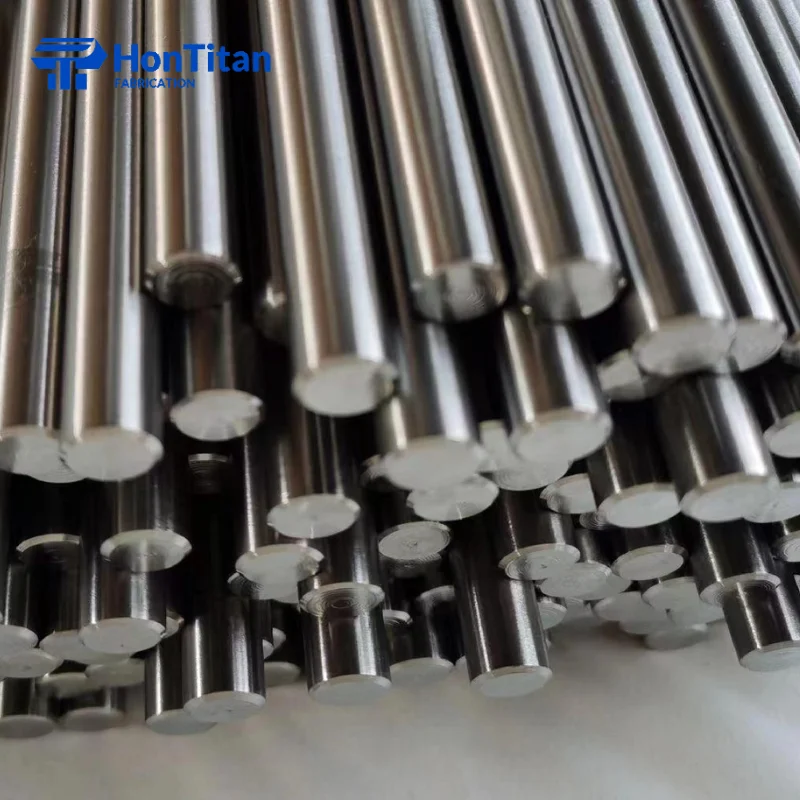
تفاعل التيتانيوم الشديد مع الأكسجين يجعل الصب الرملي التقليدي غير عملي لمعظم التطبيقات — إذ يشتعل التيتانيوم المنصهر في الهواء المكشوف. الطريقة السائدة هي الصب الاستثماري بالتفريغ, ، التي تجمع بين عملية القشرة الخزفية بالشمع المفقود وغرفة تفريغ مغلقة ومصهر نحاسي بالتبريد المائي. توجد طرق أخرى، بما فيها الصب بالقالب تحت التفريغ والصب الطاردي المركزي، في تطبيقات محدودة. يستعرض هذا الدليل كل طريقة صب قابلة للتطبيق للتيتانيوم، ويشرح متطلب التفريغ الإلزامي، ويقارن الجدوى الاقتصادية للعمليات، ويغطي خطوات المعالجة اللاحقة (الضغط المتساوي الحرارة، وإزالة طبقة ألفا (هشاشة الأكسجين)، والمعالجة الحرارية) التي يغفل عنها مشترو الفضاء والمجال الطبي باستمرار عند وضع الميزانيات.
لماذا يختلف صب التيتانيوم جوهرياً عن المعادن الأخرى
يمكن لمعظم المعادن أن تُصهر وتُصب في قالب رملي في الهواء المكشوف. أما التيتانيوم فلا يمكن ذلك.
عند درجات حرارة تتجاوز 1100 درجة مئوية تقريباً، يتفاعل التيتانيوم المنصهر بعنف مع الأكسجين والنيتروجين. إذ يذيب الغازات الجوية في الصهارة، مكوّناً طبقة سطحية هشة غنية بالأكسجين تُعرف بـ حالة ألفا — وفي حالات التعرض الشديد، يمكن أن يشتعل المعدن. وهذا ليس مجرد إزعاج في التعامل، بل هو حقيقة معدنية تُلغي فئات كاملة من طرق الصب التي تعمل بكفاءة تامة مع الفولاذ أو الألومنيوم أو حتى سبائك النيكل الفائقة.
النتيجة: تستلزم جميع طرق صب التيتانيوم القابلة للتطبيق عملياً بيئة تفريغ أو جو خامل محكوم. هذا القيد الوحيد يُعيد تشكيل كل شيء — المعدات والأدوات ودورة الوقت وتأهيل الموردين والتكلفة.
إدراك ذلك من البداية يمنع إهدار دورات طلبات الأسعار مع مصاهر “تقوم بالصب” لكنها لا تمتلك البنية التحتية المناسبة للتيتانيوم.
طرق الصب الأربع الرئيسية ومدى توافقها مع التيتانيوم
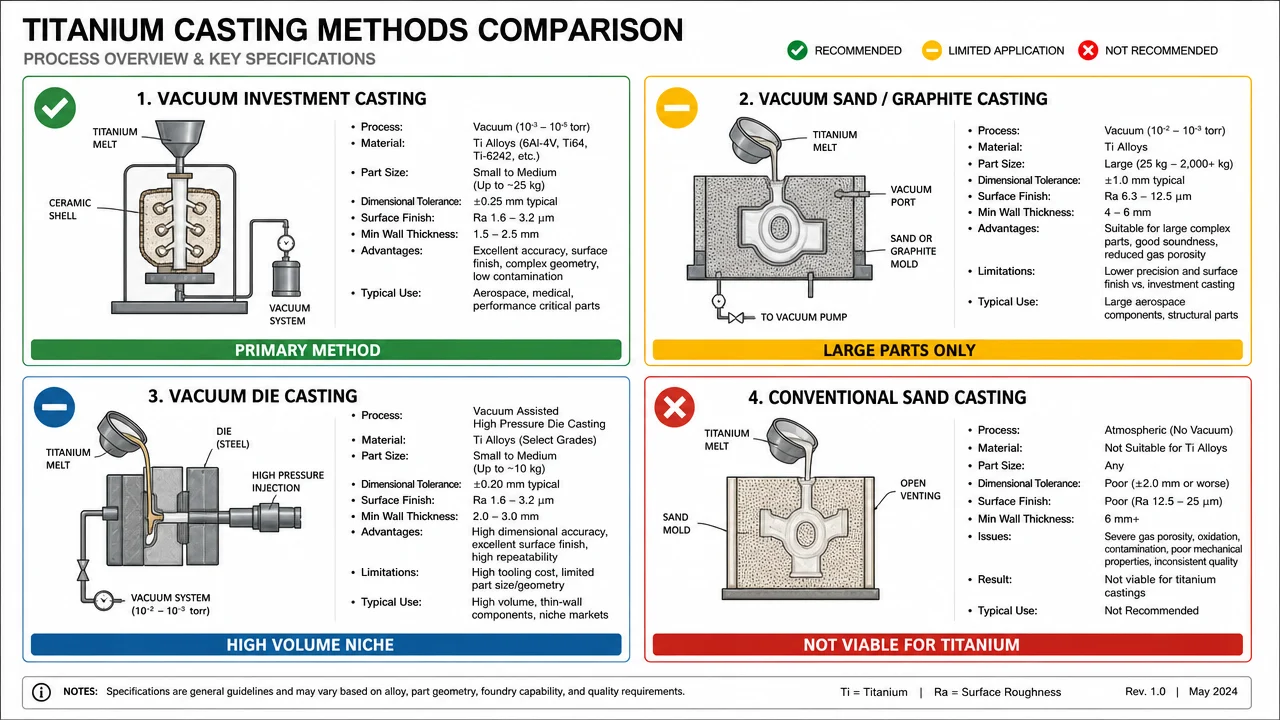
| الطريقة | متوافق مع التيتانيوم؟ | السبب / عدم السبب |
|---|---|---|
| الصب الاستثماري بالتفريغ | ✅ نعم — الطريقة الأساسية | غرفة التفريغ المغلقة مع القشرة الخزفية تمنع التلوث الجوي |
| الصب بالقالب تحت التفريغ | ✅ نعم — تطبيق محدود | الصب بالقالب تحت التفريغ بضغط عالٍ قابل للتطبيق؛ يتطلب معدات متخصصة |
| Centrifugal Casting | ✅ Yes — specialized | Used for rings, tubes; vacuum environment required |
| Sand Casting | ⚠️ Severely limited | Conventional sand casting causes severe alpha case; vacuum sand casting exists but rarely used for Ti |
| Gravity Die (Permanent Mold) | ❌ Not viable | Molten Ti reacts with steel or iron tooling |
| Standard Die Casting | ❌ Not viable | Shot pressure incompatible with Ti reactivity; no vacuum control |
The rest of this guide focuses on the three viable methods in practical use: vacuum investment casting, vacuum die casting, and — where it applies — titanium sand casting.
Vacuum Investment Casting: The Dominant Titanium Process
Vacuum investment casting (also called vacuum lost-wax casting) handles 85–90% of commercial titanium castings. It’s the method most foundries mean when they say “titanium casting” without qualification.
Why it dominates: investment casting’s near-net-shape capability minimizes post-cast machining of a material that’s expensive and difficult to machine. The ceramic shell tolerates titanium’s high نقطة الانصهار (1668°C / 3034°F). And the process is inherently batch-scalable — one vacuum furnace run can cast dozens of parts simultaneously.
The Vacuum Investment Casting Process, Step by Step
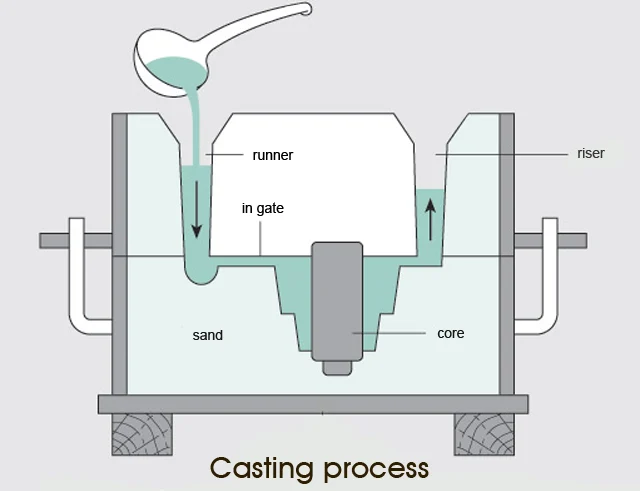
1. Pattern Production
Wax or thermoplastic patterns of the target component are injection-molded using precisely machined tooling. For high-التفاوت aerospace parts, CNC-machined wax patterns are increasingly common to eliminate dimensional variation from injection tooling.
2. Shell Building
يُغمس النموذج مراراً في معلق سيراميكي ويُطلى بالرمل الحراري. بالنسبة للتيتانيوم تحديداً، تكون القشور القائمة على السيليكا القياسية غير كافية — إذ يختزل التيتانيوم المنصهر السيليكا (SiO₂)، مما يلوث المصهور. يستخدم المعيار الصناعي زركونيا مثبّتة بالإيتريا (YSZ) أو طبقات وجه من زركونيا مثبّتة بالكالسيا، وهي خاملة كيميائياً تجاه التيتانيوم السائل. تمر قشرة التيتانيوم النموذجية بـ 8–12 طبقة غمس وتبلغ سماكة الجدار 8–12 ملم.
3. إزالة الشمع والتسخين المسبق
تُسخَّن قوالب القشرة لحرق نموذج الشمع، تاركةً تجاويف سيراميكية مجوّفة. ثم تُسخَّن القوالب مسبقاً إلى 150–300 درجة مئوية قبل الصب لتحسين الملء وتقليل الصدمة الحرارية.
4. تحضير القطب الكهربائي
بدلاً من مواد الشحن التقليدية، تستخدم مسابك التيتانيوم عادةً قطباً كهربائياً قابلاً للاستهلاك — وهو قضيب مضغوط من سبيكة التيتانيوم يعمل بوصفه مادة تغذية وأنوداً في عملية الصهر بالقوس الكهربائي. يجب أن تتطابق تركيبة القطب مع مواصفات السبيكة المستهدفة (مثل AMS 4991 لصبّات Ti-6Al-4V).
5. تحميل حجرة التفريغ والإخلاء
تُحمَّل قشرة السيراميك المسخّنة مسبقاً وقطب التيتانيوم الكهربائي داخل حجرة الصب. تُغلق الحجرة وتُفرَّغ إلى تفريغ عالٍ — عادةً أقل من 10⁻³ ميلليبار — لإزالة الأكسجين والنيتروجين الجوي قبل بدء أي تسخين.
6. الصهر بالجمجمة (عملية VAR)
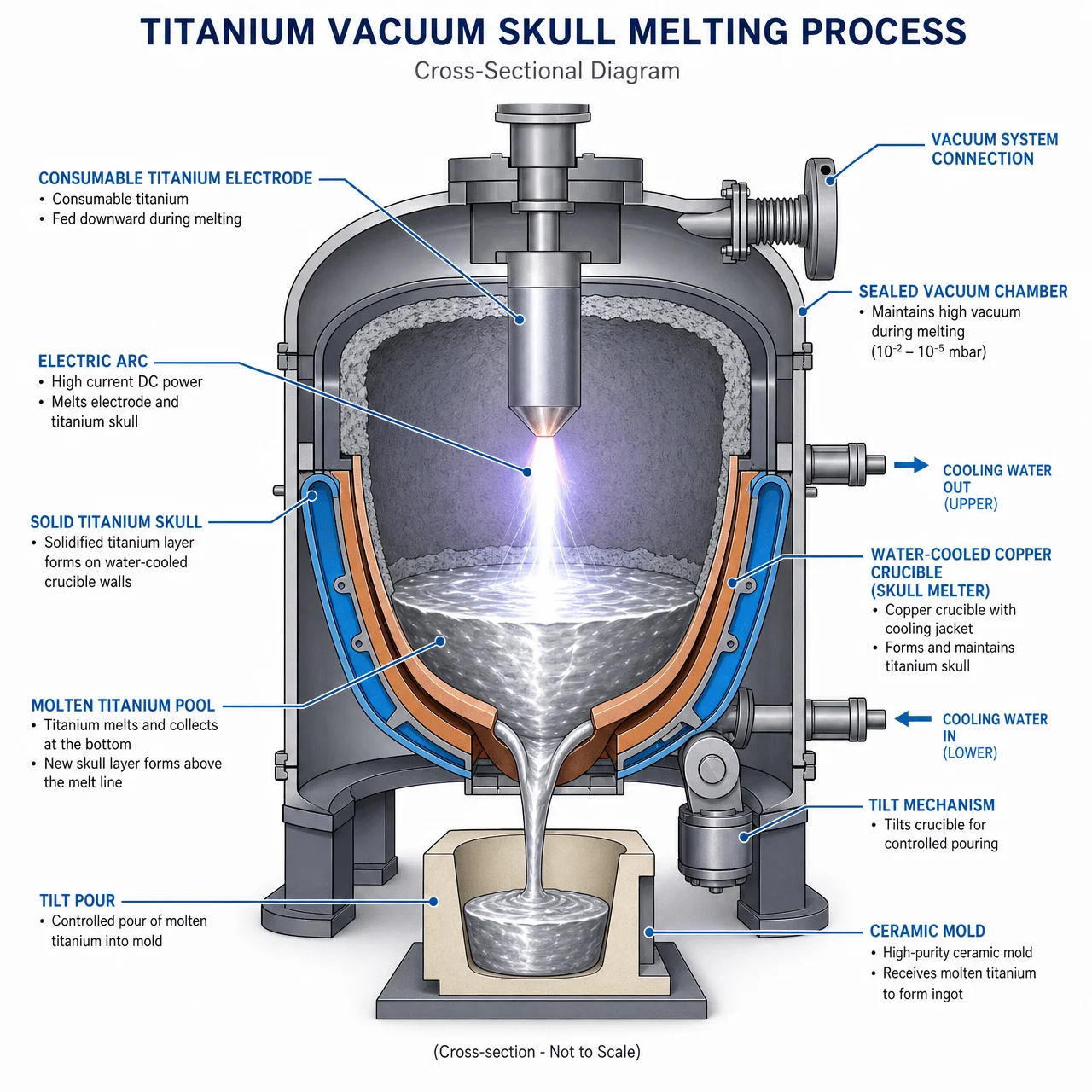
هذه هي الخطوة التي تميّز التيتانيوم أكثر من غيره عن المعادن الأخرى المصبوبة بالاستثمار. يُستخدم بوتقة نحاسية مبرّدة بالماء (جهاز الصهر بالجمجمة) بدلاً من بوتقة سيراميكية تقليدية، لأن التيتانيوم المنصهر يتفاعل مع السيراميك الأكسيدي. يضرب قوس كهربائي بين القطب القابل للاستهلاك وكمية صغيرة من مادة التشغيل في البوتقة. يذوب التيتانيوم من طرف القطب ويتجمّع في وعاء النحاس المبرّد بالماء.
تتصلب الطبقة الخارجية من حوض التيتانيوم على جدران النحاس — مشكّلةً ما يُعرف بـ“الجمجمة” — بينما يظل الجزء الداخلي في حالة سائلة. تمنع هذه الجمجمة من التيتانيوم الصلب فيزيائياً أي تلامس بين الحوض المنصهر والنحاس. تتجاوز درجات الحرارة في حوض الصهر 1700 درجة مئوية.
7. الصب بالإمالة أو الصب الطاردي المركزي
بمجرد الوصول إلى حجم الصهر المطلوب، تميل الغرفة (أو تُفعَّل آلية الطرد المركزي) لصب التيتانيوم المنصهر في القشرة المسخّنة مسبقاً. تجري عملية الصب بأكملها داخل بيئة مفرغة من الهواء ومحكمة الإغلاق. تقوم متغيرات الصب الطاردي المركزي بتدوير القشرة بسرعة 200–500 دورة في الدقيقة أثناء الصب لتحسين ملء المقاطع الرفيعة.
8. التبريد المتحكم به وإزالة القشرة
تُبرَّد المسبوكات في بيئة مفرغة من الهواء أو في جو خامل قبل فتح الغرفة. تُزال القشرة الخزفية بالطرق الميكانيكية، أو بالإزالة الاهتزازية، أو بالنفث بالماء عالي الضغط.
9. القطع والفحص الأولي
تُزال بوابات الصب والمغذيات. يعقب ذلك فحص أبعادي أولي وفحص بصري. بالنسبة للتطبيقات الفضائية، يشمل فحص المقال الأول عادةً التحقق الأبعادي باستخدام آلة القياس الإحداثية (CMM).
ما التفاوتات التي يمكن توقعها؟
تحقق مسبوكات التيتانيوم بالشمع الضائع عادةً ما يلي:
- التفاوت الأبعادي الخطي التفاوت: ±0.005 بوصة/بوصة (±0.13 مم/مم) وفقاً لـ ASTM B372 / الممارسة الصناعية
- جودة السطح: Ra 1.6–3.2 ميكرومتر (63–125 ميكروبوصة) بحالة الصب — أفضل بشكل ملحوظ من الصب بالرمل
- الحد الأدنى لـ سماكة الجدار: 1.5–2 مم لمعظم السبائك
تفترض هذه التفاوتات tolerance تصميمَ أدوات ملائماً وجودة قشرة عالية. تستلزم التجاويف الداخلية المعقدة والقلوب والمقاطع الرفيعة مراجعة التصميم لقابلية التصنيع.
الصب بالرمل للتيتانيوم: متى ينجح ومتى لا ينجح؟
Sand casting is the world’s most common metal casting process — but titanium makes it far more complicated than casting iron or steel.
The fundamental problem: conventional silica sand contains SiO₂ (silicon dioxide). At titanium casting temperatures, molten titanium aggressively reduces SiO₂, pulling oxygen into the melt and depositing silicon contamination. The result is a brittle, oxygen-enriched alpha-case layer on the casting surface that can extend several millimeters deep, requires aggressive chemical milling to remove, and represents a structural liability in load-bearing applications.
This is why the common statement “sand casting can be used for titanium” is technically true but practically misleading for most engineering applications.
Where Titanium Sand Casting Is Actually Used
Titanium sand casting does exist — but it uses non-reactive refractory aggregates, not conventional silica sand. Viable mold materials include:
- Graphite molds (most common for larger titanium parts)
- CaO-stabilized zirconia aggregate
- Calcia (CaO) or yttria (Y₂O₃) face-coat sand molds
And the entire process still requires a vacuum or inert-atmosphere environment for melting and pouring. Open-air titanium sand casting is not viable at production quality.
In practice, titanium “sand casting” (usually graphite mold casting) is used for:
- Large structural aerospace parts (wing carry-through structures, fuselage frames) where the geometry is too large for standard investment casting equipment
- Parts up to 500 kg where investment casting tooling costs are prohibitive
- Low-volume or prototype parts where shell tooling isn’t justified
Trade-offs vs. investment casting:
| المعلمة | الصب الاستثماري بالتفريغ | Vacuum Sand/Graphite Casting |
|---|---|---|
| Surface finish (as-cast) | Ra 1.6–3.2 µm | Ra 6.3–12.5 µm (rougher) |
| Dimensional التفاوت | ±0.005 in/in | ±0.010–0.015 in/in |
| Max part size | ~25–50 kg (typical equipment) | 500+ kg feasible |
| تكلفة الأدوات | Moderate (wax/ceramic tooling) | Lower (graphite machining) |
| Alpha-case depth | 0.1–0.3 mm (ceramic shell) | 0.3–0.8 mm (graphite mold) |
| التطبيقات النموذجية | Aerospace brackets, medical implants, industrial valves | Airframe structures, large pump casings |
The key takeaway: for any precision or structural titanium casting under ~50 kg, vacuum investment casting delivers better dimensional control and surface finish at comparable cost. Graphite mold casting becomes the practical choice when part size exceeds standard investment casting furnace capacity.
Vacuum Die Casting for Titanium: The High-Pressure Alternative
Vacuum die casting of titanium occupies a narrow but real niche, primarily studied and commercialized in the 1990s–2000s as a route to lower-cost titanium components. Research at ORNL and other institutions demonstrated that vacuum die casting can produce near-net-shape titanium parts with wall thicknesses down to 1mm at cycle times much faster than investment casting.
How it differs from conventional die casting:
- The die cavity is evacuated before injection
- Tooling must be compatible with titanium’s reactivity (specialized die coatings or materials)
- Shot speeds and pressures are modified to prevent turbulence that entraps gas
The catch: titanium’s high نقطة الانصهار (1668°C) and reactivity with most tool steels makes die longevity a persistent challenge. Standard H13 tool steel dies used for aluminum die casting are not suitable — titanium solders to them and erodes them rapidly. This has limited widespread commercial adoption.
Where vacuum die casting for titanium currently sees use:
- High-volume consumer/automotive Ti components where investment casting tooling amortization is slow
- Thin-wall structural shapes that investment casting struggles to fill consistently
For most aerospace and medical procurement engineers, vacuum investment casting remains the default and the safe choice.
Post-Processing: The Part of Titanium Casting That Surprises Buyers
One of the most common budget surprises in titanium procurement: the casting itself is only part of the cost. Aerospace and medical applications require additional processing steps that add 30–70% to the part cost.
الكبس الإيزوستاتيكي الساخن (HIP)
Titanium investment castings contain micro-porosity from gas entrapment and solidification shrinkage. For structural applications, this porosity must be eliminated. HIP subjects the casting to simultaneous high temperature (~900–950°C) and high isostatic pressure (100–175 MPa / ~15,000–25,000 PSI) in an inert argon atmosphere. This collapses internal voids without changing external dimensions.
HIP is mandatory for flight-critical aerospace castings and for load-bearing medical implants. It is not optional if your part specification calls out AMS 2175 (castings standard) or AMS 2801 (heat treatment). Budget approximately 15–25% cost addition for HIP.
Alpha-Case Removal
Even with a good vacuum, the outermost surface of titanium castings develops a brittle, oxygen-enriched alpha-case layer. For investment castings with yttria-stabilized zirconia shells, this layer is typically 0.05–0.2 mm thick. For graphite mold castings, it can reach 0.5–1.0 mm.
Alpha case must be removed before the part is used in structural applications. Methods:
- Chemical milling (acid etching): Most common; HF/HNO₃ solutions dissolve the surface layer uniformly
- Mechanical removal: Electrochemical machining (ECM) or controlled abrasive blasting in some configurations
NADCAP-certified processing is standard for aerospace applications.
المعالجة الحرارية
Ti-6Al-4V and other alpha-beta alloys typically receive a stress relief anneal or full solution treat + age cycle after casting to achieve target mechanical properties. Required parameters are alloy-specific and specified in AMS 2801 or the customer’s engineering specification.
NDT Requirements
Aerospace castings commonly require:
- X-ray or CT scanning (ASTM E1742 / MIL-STD-453)
- Fluorescent penetrant inspection (FPI per ASTM E1417)
- Chemical analysis (per-heat traceability to AMS or ASTM spec)
These add cost but are non-negotiable for flight hardware. Medical implants add biocompatibility certification requirements (ISO 10993, ASTM F136 for implant-grade Ti-6Al-4V منخفض عناصر الفراغات).
Selecting the Right Titanium Casting Method: A Decision Framework
The right casting method depends on four variables: part size, required التفاوت, production volume, and application criticality.
| عامل القرار | الصب الاستثماري بالتفريغ | Graphite/Sand Mold Casting | الصب بالقالب تحت التفريغ |
|---|---|---|---|
| Part weight | <25–50 kg | Up to 500+ kg | <5 kg (typical) |
| التفاوت requirement | Tight (±0.005 in/in) | Moderate (±0.010–0.015) | Tight (±0.003–0.005) |
| Surface finish priority | عالية | Low-moderate | عالية |
| الحجم | Low to medium | منخفضة | Medium to high |
| Geometric complexity | High — thin walls, internal passages | Low-moderate | Moderate — thin walls |
| Aerospace/medical certifiable | Yes — industry standard | Yes — for large structures | Limited — less established |
| Relative tooling cost | معتدل | منخفضة | High (die cost) |
Practical selection rules:
- Part under 25 kg + complex geometry + aerospace/medical = الصب الاستثماري بالتفريغ
- Part over 100 kg + simpler geometry + cost-sensitive = vacuum graphite mold casting
- High-volume + thin wall + consumer/automotive = vacuum die casting (if supplier is qualified)
- “Can we sand cast this titanium bracket?” from a conventional foundry = لا يوجد — redirect to vacuum investment casting
Titanium Casting Grades: Which Alloy to Specify
Three titanium grades represent approximately 95% of castings in production:
CP Titanium الدرجة 2 (Commercially Pure)
- Density: 4.51 g/cm³; مقاومة الشد: ~345 MPa as-cast
- Standards: ASTM B367, ASME SB367, ASTM F67 (for medical)
- Best for: Maximum مقاومة التآكل applications — chemical process equipment, marine hardware, non-structural medical housings
- Don’t use for: Any load-bearing structural application
Ti-6Al-4V (الدرجة 5 / AMS 4991)
- Density: 4.43 g/cm³; مقاومة الشد: 895–930 MPa (as-cast, post-HIP)
- Standards: AMS 4991 (casting), ASTM F136 (implant-grade منخفض عناصر الفراغات variant)
- Best for: Aerospace brackets, engine mounts, orthopedic implants, racing components
- Note: “Ti-6Al-4V” and “ASTM F136” are not interchangeable — medical implants require the منخفض عناصر الفراغات (Extra Low Interstitial) variant with tighter oxygen/nitrogen/hydrogen limits
Ti-6Al-2Sn-4Zr-2Mo (Grade 6 / AMS 4999)
- Density: 4.54 g/cm³; significantly higher الزحف resistance than Gr 5
- Standards: AMS 4999
- Best for: Jet engine stators, high-temperature actuators, components with sustained loads above 315°C (600°F)
- Cost: 2–3× Ti-6Al-4V; only justified when operating temperature demands it
Real Cost Ranges for Titanium Castings
Cost transparency is rare in titanium casting. Based on supplier data and industry benchmarks:
| Component Type | سبيكة | Rough Cost Range | Key Cost Driver |
|---|---|---|---|
| Simple valve body (50–200g) | CP Gr 2 | $800–$1,500/unit | Small volume, vacuum overhead |
| Aerospace bracket (0.5–2 kg) | Ti-6Al-4V | $1,800–$3,500/unit | HIP + X-ray + cert requirements |
| Medical hip stem (0.3–0.8 kg) | Ti-6Al-4V ELI | $4,000–$7,500/unit | ASTM F136 cert + electropolishing |
| Large structural frame (10–25 kg) | Ti-6Al-4V | $8,000–$25,000/unit | Furnace cycle cost, post-processing |
Raw material cost for Ti-6Al-4V is approximately $80–$120/kg for casting-grade sponge/electrode. But material is typically only 25–40% of total part cost — vacuum processing overhead, specialty ceramics, HIP, NDT, and certification compliance dominate.
The rule of thumb: titanium castings cost 5–10× equivalent stainless steel castings and 15–20× equivalent aluminum castings. This premium is justified when the application demands the strength-to-weight ratio, مقاومة التآكل, or biocompatibility that titanium uniquely provides.
Qualifying a Titanium Casting Supplier: What to Ask
Most foundries cannot produce titanium castings. The equipment investment — vacuum arc melting furnaces, copper skull melters, yttria shell systems — runs $2–5M+, and the process expertise takes years to develop. Before sending an RFQ, verify:
Equipment:
- Does the foundry have its own vacuum arc remelting (VAR) or skull melting equipment? (Not outsourced)
- What is the maximum furnace capacity (kg per heat)?
- Is HIP done in-house or at a NADCAP-certified subcontractor?
الشهادات:
- AS9100 Rev D (aerospace quality management) for aerospace parts
- NADCAP accreditation in casting (AC7102) and applicable special processes
- ISO 13485 for medical device applications
- Per-heat material traceability to AMS 4991 or ASTM F136
Process Controls:
- What ceramic shell system do they use? (Answer should reference yttria or calcia face coats — not generic silica)
- What vacuum level is achieved before pour? (Should be sub-10⁻³ mbar)
- What is their documented scrap rate for titanium? (Expect 10–20% for complex parts; significantly higher is a red flag)
Red flags: “We occasionally do titanium” / no dedicated vacuum furnace / generic material certs not tied to heat numbers.
الأسئلة المتداولة
Can titanium be sand cast?
Titanium can be cast in graphite or calcia/yttria-stabilized sand molds, but conventional silica sand reacts with molten titanium and is not suitable. Any titanium sand or graphite mold casting still requires a vacuum or inert-atmosphere environment for the melt and pour. For most precision applications under 50 kg, vacuum investment casting offers better results.
Why does titanium casting require a vacuum?
Molten titanium reacts aggressively with oxygen and nitrogen at its casting temperature (above 1668°C). These reactions form brittle interstitial phases and an alpha-case surface layer that compromises mechanical properties. A vacuum environment prevents atmospheric exposure during melting and pouring.
What is alpha case in titanium casting?
Alpha case is a brittle, oxygen-enriched surface layer that forms when molten titanium contacts oxygen or nitrogen. It is harder than the bulk material and has significantly reduced الليونة and fatigue life. For structural applications, alpha case must be removed by chemical milling (acid etching) before part acceptance.
What is HIP and why is it required for titanium castings?
Hot Isostatic Pressing (HIP) uses simultaneous heat (~900°C) and high inert gas pressure (~175 MPa) to collapse internal micro-porosity in the casting. For aerospace and load-bearing medical applications, the internal integrity HIP provides is a specification requirement, not a supplier option.
Is Ti-6Al-4V the best alloy for titanium castings?
For most applications, yes. Ti-6Al-4V (AMS 4991) offers the best combination of strength, castability, and available certification data. CP Gr 2 is preferred when maximum مقاومة التآكل matters more than strength. Ti-6Al-2Sn-4Zr-2Mo (AMS 4999) is only justified for high-temperature applications above ~315°C sustained service temperature.
How long does titanium investment casting typically take from order to shipment?
Lead times for aerospace/medical titanium castings typically run 12–20 weeks for new parts (including tooling production, first-article inspection, and post-processing). Repeat production of qualified parts can be 8–12 weeks. This is significantly longer than aluminum or steel investment casting due to the complexity of post-processing and qualification requirements.
الملخص
Titanium’s reactivity with oxygen is the defining fact of all titanium casting — it eliminates conventional sand casting, open-pour die casting, and any method that exposes molten metal to air. Vacuum investment casting using copper skull melters and yttria-stabilized ceramic shells is the industry-standard process because it handles complex geometries at near-net-shape precision while keeping the melt in a sealed vacuum environment.
Sand/graphite mold casting remains viable for large titanium structures that exceed standard investment casting furnace capacity, but requires the same vacuum environment and produces rougher surfaces and wider tolerances. Vacuum die casting handles niche high-volume thin-wall applications.
For buyers: the part cost is only the beginning. Budget for HIP, alpha-case removal, heat treatment, and NDT — these post-processing steps are mandatory for aerospace and medical parts and add 30–70% to casting cost. Verify your supplier’s equipment and certifications before sending drawings.