In the world of high-performance metals, few materials command as much respect as titanium. And within the diverse family of titanium alloys, one grade stands as the undisputed champion: Grade 5 titanium, more formally known as Ti-6Al-4V. Often called the “workhorse” of the titanium industry, it accounts for over 50% of all titanium usage worldwide. But what makes this specific alloy so dominant?

From the depths of the ocean to the vastness of space, Ti-6Al-4V provides a unique combination of high strength, low weight, and outstanding corrosion resistance that is simply unmatched by most other metals. This ultimate guide will explore every facet of Grade 5 titanium, from its fundamental definition and chemical makeup to its critical properties, key applications, and fabrication challenges. Whether you are an engineer, designer, or procurement specialist, this resource will provide the in-depth knowledge you need.
What Exactly Is Grade 5 Titanium (Ti-6Al-4V)?
Defining the “Workhorse” Alloy
Grade 5 titanium is an alpha-beta titanium alloy. This classification means its microstructure contains both alpha (α) and beta (β) phases, giving it a balanced and highly desirable set of properties. The name “Ti-6Al-4V” directly references its primary alloying elements: it is composed of approximately 6% aluminum (Al) and 4% vanadium (V), with the remainder being commercially pure titanium.
This specific combination allows the alloy to be heat-treated, a process that can significantly increase its strength. Its versatility, excellent fabricability, and well-rounded performance profile are why it has become the go-to choice for a vast array of demanding applications.
Common Standards and Specifications
To ensure quality and consistency across industries, Grade 5 titanium is manufactured to meet stringent international standards. Some of the most common specifications include:
- ASTM B348: Standard Specification for Titanium and Titanium Alloy Bars and Billets.
- AMS 4928: Titanium Alloy, Bars, Wire, Forgings, Rings, and Drawn Shapes 6Al-4V, Annealed.
- AMS 4911: Titanium Alloy, Sheet, Strip, and Plate 6Al-4V, Annealed.
- ASTM F1472: Standard Specification for Wrought Titanium-6Aluminum-4Vanadium Alloy for Surgical Implant Applications (UNS R56400).
Adherence to these standards, verified by organizations like ASTM International, guarantees the material’s mechanical properties and chemical composition for critical use cases.
Chemical Composition: The Blueprint for Performance
The precise control of alloying elements is what gives Ti-6Al-4V its remarkable capabilities. Each component plays a crucial role:
- Aluminum (Al): Acts as an alpha-phase stabilizer. It increases the alloy’s strength and performance at elevated temperatures.
- Vanadium (V): Acts as a beta-phase stabilizer. This element is key to allowing the alloy to be strengthened through heat treatment.
The standard chemical composition for Grade 5 Titanium (Ti-6Al-4V) is detailed below:
| Element | Content (Weight %) |
|---|---|
| Aluminum (Al) | 5.5 – 6.75% |
| Vanadium (V) | 3.5 – 4.5% |
| Iron (Fe) | ≤ 0.40% |
| Oxygen (O) | ≤ 0.20% |
| Carbon (C) | ≤ 0.08% |
| Nitrogen (N) | ≤ 0.05% |
| Hydrogen (H) | ≤ 0.015% |
| Titanium (Ti) | Balance |
Key Properties of Grade 5 Titanium: A Deep Dive
Exceptional Mechanical Properties
- High Strength-to-Weight Ratio: This is the hallmark property of Ti-6Al-4V. It possesses strength comparable to many steel alloys but at nearly half the density. This allows for the design of components that are both strong and incredibly lightweight.
- Tensile and Yield Strength: In its annealed (softened) state, Grade 5 titanium typically has a minimum tensile strength of 895 MPa (130,000 psi). Through heat treatment (solution treating and aging), this can be boosted to over 1100 MPa (160,000 psi).
- Fatigue Strength and Fracture Toughness: The alloy exhibits excellent resistance to fatigue and crack propagation, making it highly reliable for components subjected to cyclic loading, such as aircraft landing gear and engine parts.
Physical and Thermal Properties
- Density: 4.43 g/cm³, about 56% that of steel.
- Melting Point: Approximately 1660°C (3020°F).
- Thermal Conductivity: Low. This is a double-edged sword: it’s beneficial for high-temperature applications but presents challenges during machining.
- Modulus of Elasticity: Around 114 GPa, about half that of steel, giving it more flexibility.
Superior Corrosion Resistance
Grade 5 titanium forms a highly stable, continuous, and tightly adherent oxide film (TiO₂) on its surface upon exposure to air or moisture. This passive layer is self-healing and provides extraordinary protection against corrosion in a wide range of aggressive environments, including:
- Seawater and marine atmospheres
- Chloride solutions and brines
- Oxidizing acids and industrial chemicals
Biocompatibility: The Medical-Grade Standard
When manufactured to specific standards (like ASTM F1472), Ti-6Al-4V is highly biocompatible. It is non-toxic and well-tolerated by the human body, showing very low risk of rejection. This property, combined with its high strength and corrosion resistance to bodily fluids, makes it a gold standard for medical implants.
Premier Applications Across Industries
Aerospace & Aviation
The aerospace industry is the largest consumer of Grade 5 titanium. Its high strength-to-weight ratio, excellent performance at moderate temperatures (up to 400°C/750°F), and fatigue resistance make it indispensable for:
- Aircraft Engine Components: Fan blades, compressor disks, and casings.
- Airframe Structures: Wing boxes, landing gear, fasteners, and critical structural beams.
Medical & Dental
Thanks to its superior biocompatibility and strength, Ti-6Al-4V is a life-changing material in the medical field. Common uses include:
- Surgical Implants: Hip and knee joint replacements, bone plates, and screws.
- Dental Implants: Root-form implants that fuse directly with the jawbone (osseointegration).
- Surgical Instruments: Lightweight, durable, and corrosion-resistant tools.
Industrial & Marine
In harsh industrial and marine environments where steel fails, Grade 5 titanium thrives. Its immunity to seawater corrosion makes it ideal for:
- Marine Hardware: Propeller shafts, rigging, and subsea equipment.
- Chemical Processing: Vessels, heat exchangers, and piping systems exposed to corrosive chemicals.
- Desalination Plants: Tubing and components that handle high-concentration brine.
Consumer & High-Performance Goods
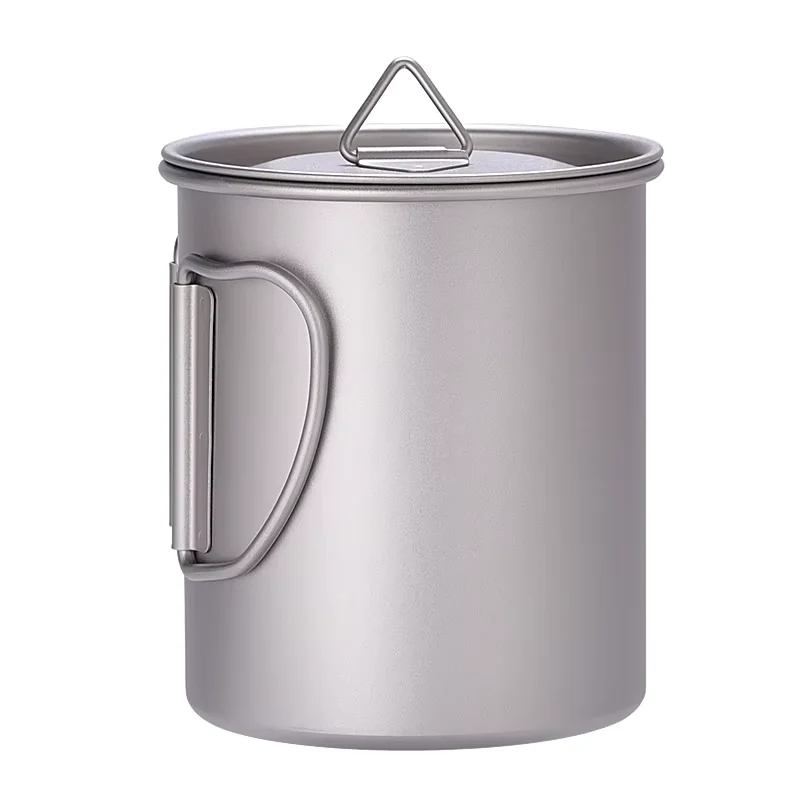
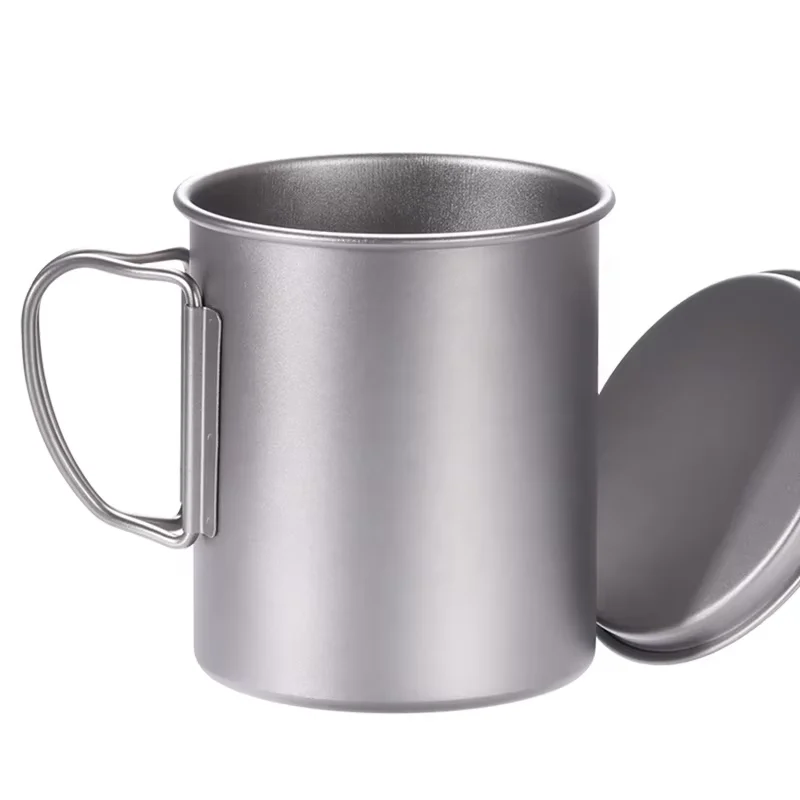
The unique properties and premium feel of Ti-6Al-4V have also led to its adoption in high-end consumer products:
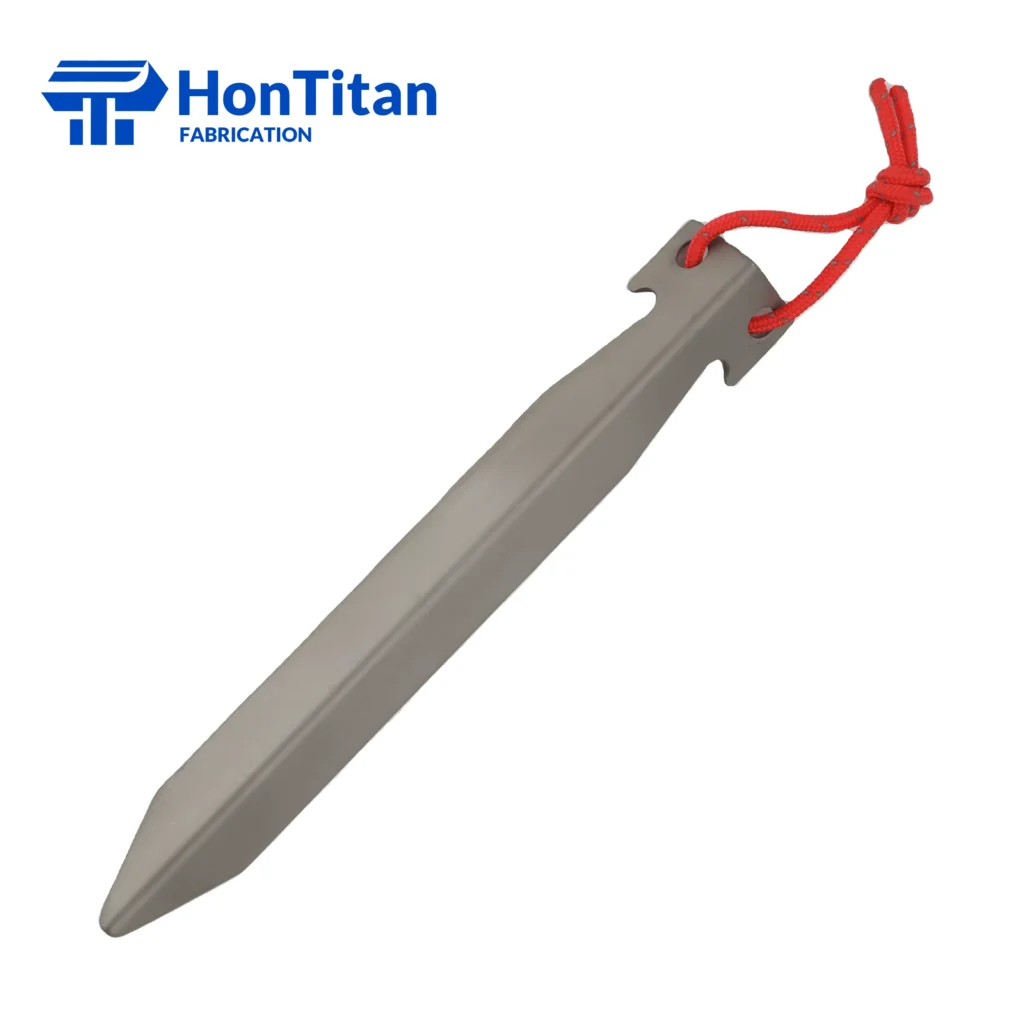
- Sporting Goods: High-performance bicycle frames, golf club heads, and tennis rackets.
- Luxury Items: Watch cases, jewelry, and premium eyeglass frames.
- Automotive: High-performance exhaust systems, valves, and connecting rods in racing engines.
A Practical Guide to Processing and Fabrication
Machining Ti-6Al-4V
Machining Grade 5 titanium is notoriously challenging due to its low thermal conductivity (heat doesn’t dissipate away from the cutting tool), chemical reactivity at high temperatures, and relatively low modulus of elasticity. Best practices include:
- Low Cutting Speeds & High Feed Rates: This maintains a continuous cut and minimizes heat buildup.
- Sharp, Rigid Tooling: Use carbide tools with positive rake angles.
- Abundant Coolant: A high-pressure flow of coolant is essential to flush chips and reduce temperatures.
Welding Grade 5 Titanium
Ti-6Al-4V can be readily welded using methods like Gas Tungsten Arc Welding (GTAW/TIG). However, it is extremely sensitive to contamination by oxygen, nitrogen, and hydrogen at welding temperatures. Therefore, it is absolutely critical to use inert gas shielding (typically argon) to protect the molten weld puddle and the adjacent hot metal from atmospheric contamination, which can cause severe embrittlement.
Heat Treatment for Enhanced Properties
The properties of Ti-6Al-4V can be tailored through heat treatment:
- Annealing: This process involves heating the alloy and then cooling it slowly. It relieves internal stresses, refines the grain structure, and increases ductility and fracture toughness.
- Solution Treating and Aging (STA): This two-step process involves heating the material to a high temperature, quenching it rapidly, and then “aging” it at a lower temperature. STA significantly increases the material’s strength, making it suitable for the most demanding applications.
Frequently Asked Questions (FAQ) about Grade 5 Titanium
Is Grade 5 titanium magnetic?
No, Grade 5 titanium is not magnetic. It is paramagnetic, meaning it is very weakly attracted to a magnetic field, but for all practical purposes, it is considered non-magnetic.
How does Grade 5 titanium’s cost compare to steel or aluminum?
Grade 5 titanium is significantly more expensive than common steel or aluminum alloys on a per-kilogram basis due to complex extraction and processing. However, its superior performance, long service life, and low maintenance requirements often result in a lower total lifecycle cost for critical applications.
Can you anodize Grade 5 titanium?
Yes, Ti-6Al-4V can be easily anodized. This electrochemical process creates a durable oxide layer whose thickness can be controlled to produce a wide spectrum of vibrant colors without using dyes or paints. Anodizing also slightly improves wear resistance.
What is the difference between annealed and aged (STA) Ti-6Al-4V?
Annealed Ti-6Al-4V is in its softer, more ductile state, offering maximum toughness. Solution Treated and Aged (STA) Ti-6Al-4V has undergone heat treatment to achieve its highest strength, though with some reduction in ductility.
Is Ti-6Al-4V completely rust-proof?
In almost all natural and many industrial environments, yes. Its passive oxide film makes it immune to rust (iron oxide) and highly resistant to most forms of corrosion, especially from saltwater and chlorides.
Your Partner for Grade 5 Titanium Solutions
As this guide shows, Grade 5 titanium is a remarkable material, but leveraging its full potential requires deep expertise and a reliable supply chain. Simply sourcing the material isn’t enough; you need a partner who understands its nuances.
This is where HonTitan excels. We are more than just a supplier; we are specialists in the complete titanium ecosystem.
- Full-Spectrum Expertise: Our focus on the entire titanium industry chain means we understand everything from raw material properties to final application performance in aerospace, medical, and industrial sectors.
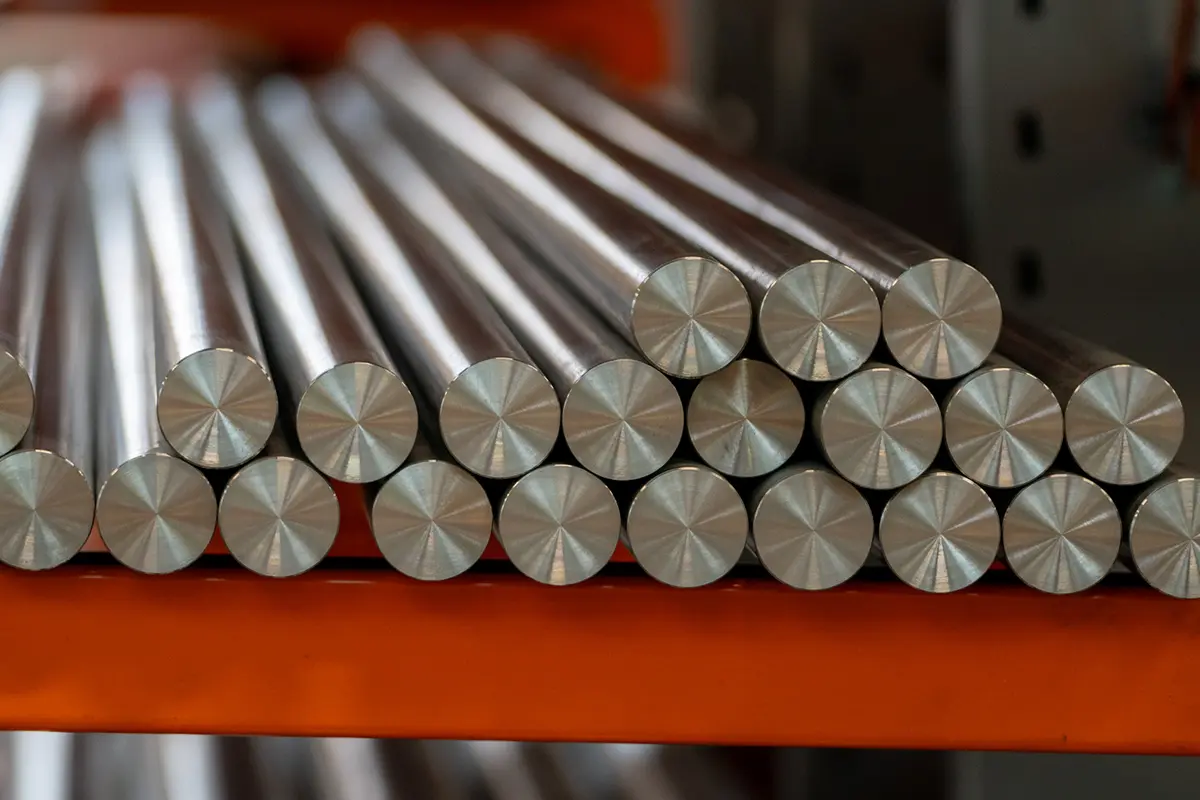
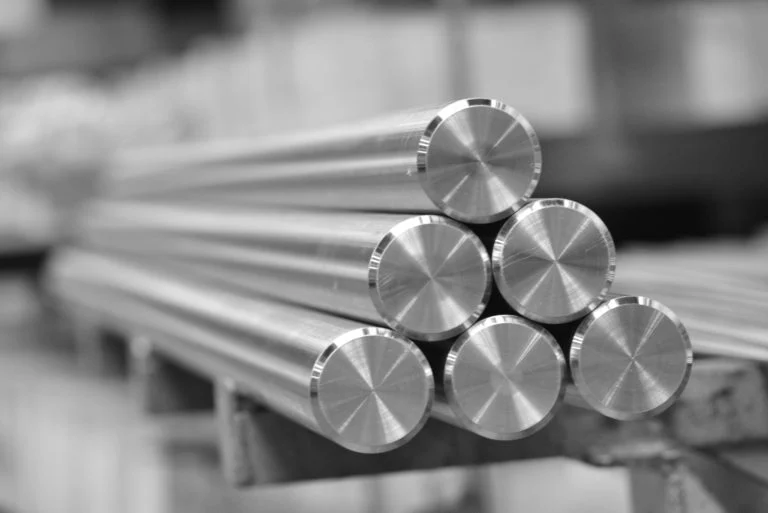
- Quality-Assured Inventory: We maintain a substantial inventory of high-quality Ti-6Al-4V in various forms (bars, plates, sheets), all conforming to stringent international standards.
- Customized Solutions: Your project is unique. We don’t offer one-size-fits-all answers. We provide customized material solutions, precision machining, and fabrication support tailored to your exact specifications.
Ready to leverage the power of Ti-6Al-4V for your project? Stop searching and start solving. Guide your project to success by partnering with a team that speaks titanium fluently.
Visit hontitan.com to send us your specific requirements and get expert advice today. Let us be your preferred partner for all your diverse titanium needs.