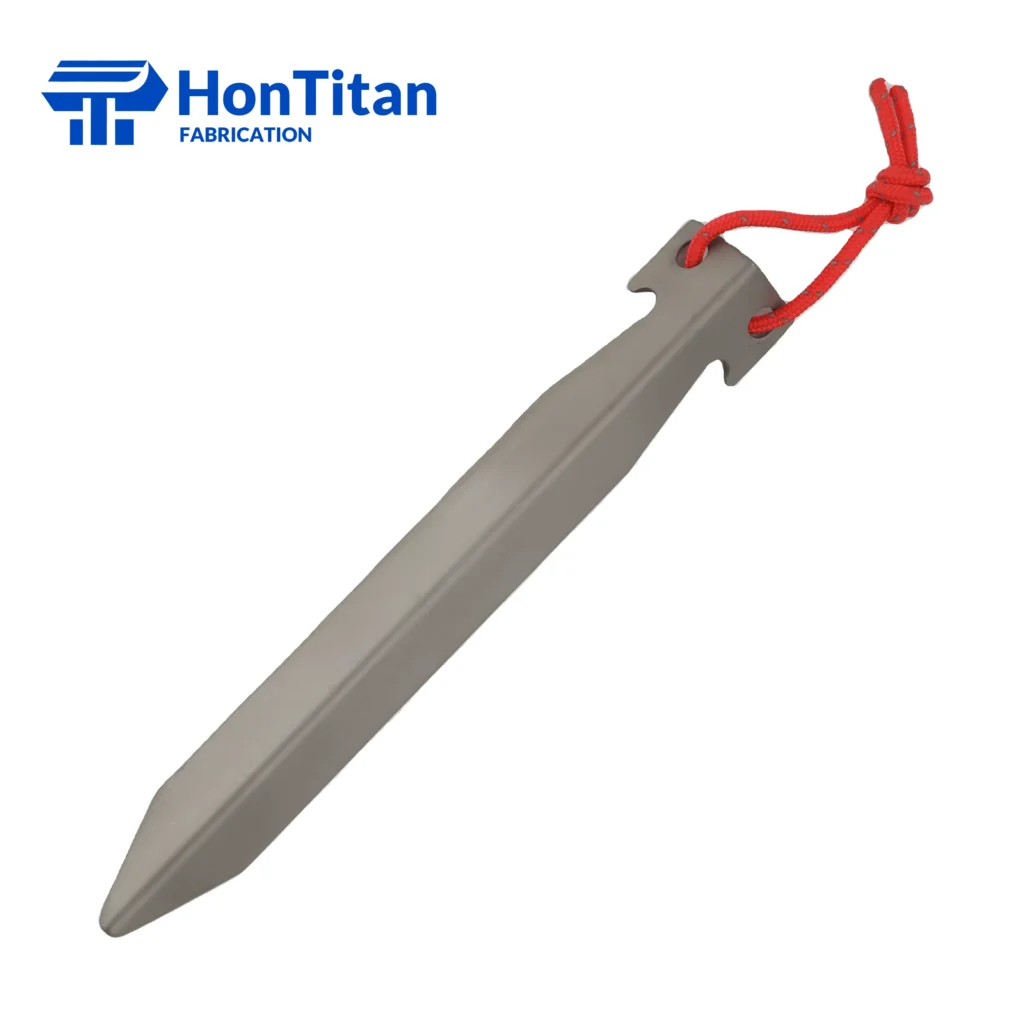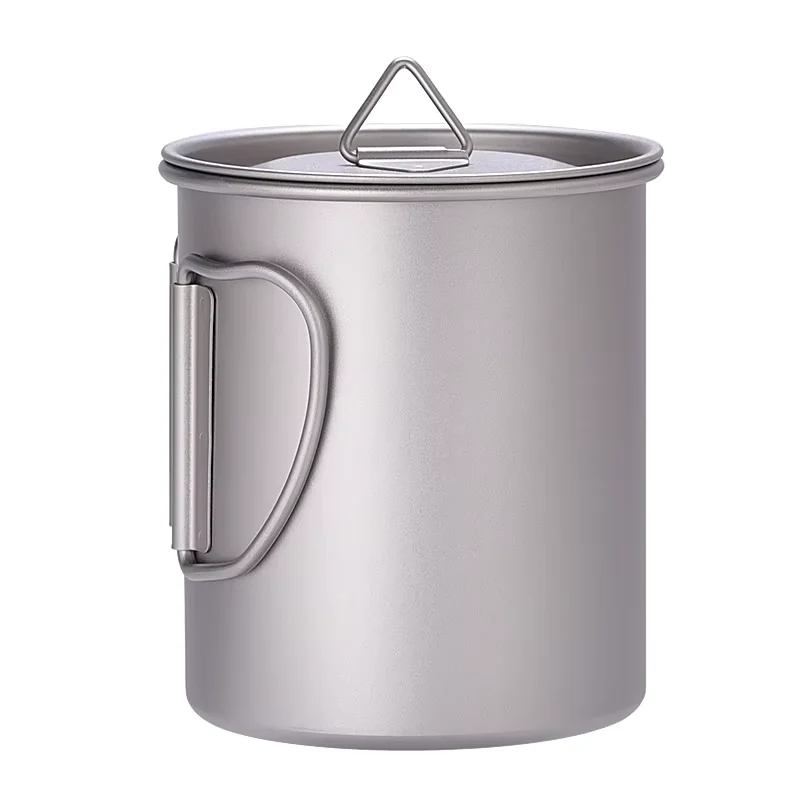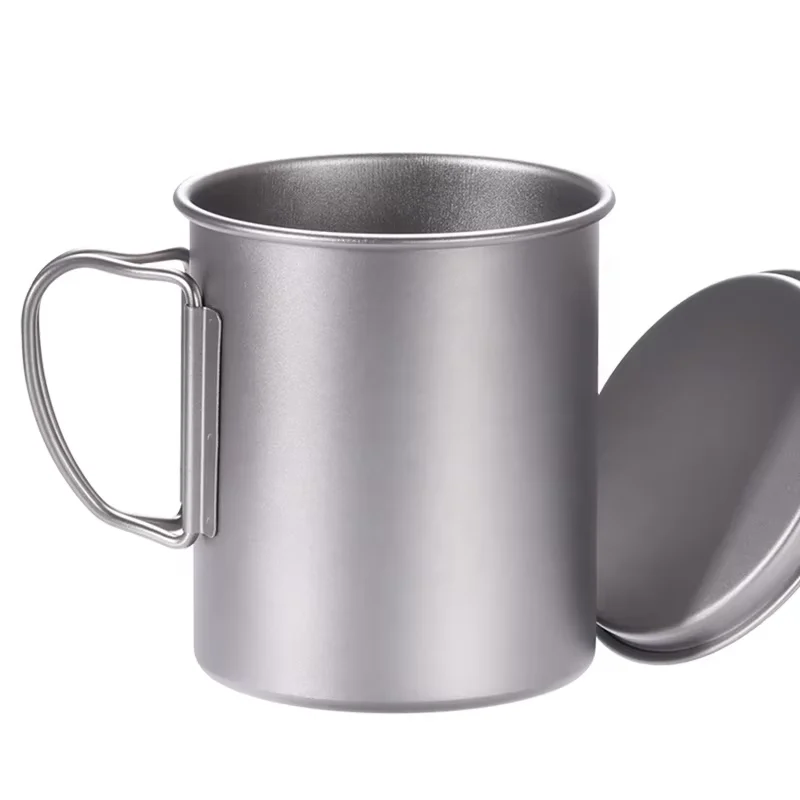
You are standing at a crossroads in your project design. On one hand, you have steel: the industrial titan, trusted for centuries and known for its unyielding surface. On the other, you have titanium: the aerospace darling, famed for being incredibly light yet remarkably strong.
But here is the question that stops many engineers and enthusiasts in their tracks: Is steel actually harder than titanium?
The short answer might surprise you. If you take a hardened steel knife to a titanium plate, the steel will likely scratch the titanium. However, if you stretch them until they break, titanium often puts up a fiercer fight relative to its weight.
This guide cuts through the confusion. We are going to separate “hardness” from “strength,” debunk the myths about stiffness, and help you choose the exact right metal for your application.
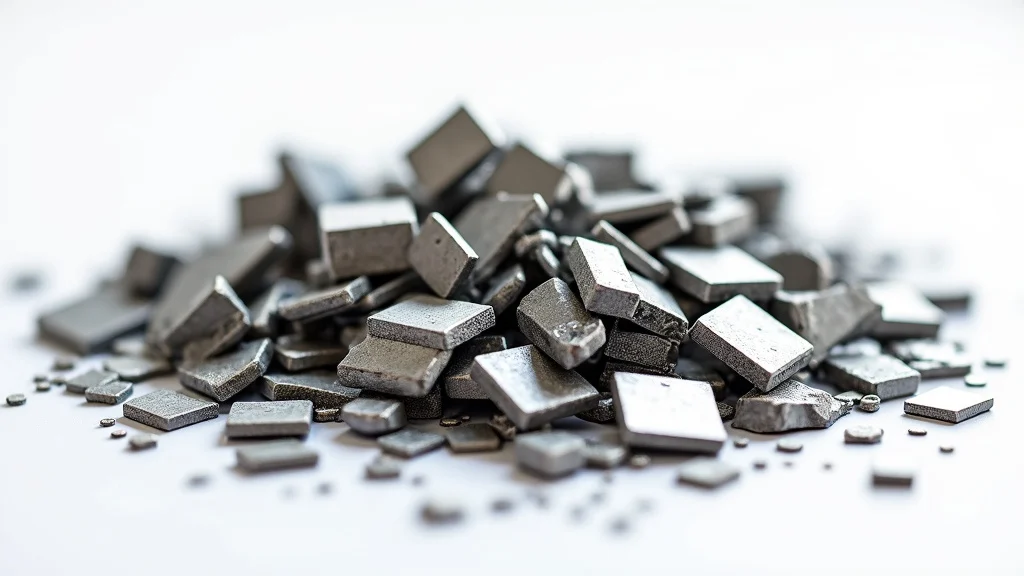
The Short Answer: It Depends on the Alloy (and the Definition)
If we are speaking strictly about Hardness—defined by materials scientists as the ability to resist surface indentation or scratching—then yes, steel is generally harder than titanium.
However, this binary answer is dangerous in engineering. It ignores the nuance of alloys. A piece of commercially pure titanium is significantly softer than a high-carbon tool steel. Yet, high-grade titanium alloys can outperform low-grade mild steels.
- Hardened Steel: Dominates in surface hardness (Think: drill bits, bearings, knife edges).
- Titanium Alloys: Dominate in specific strength (Think: aircraft landing gear, racing connecting rods).
To make the right call, we have to look at the numbers.
Engineering Basics: Hardness, Strength, and Stiffness
Before we look at the data tables, we must align on our terminology. Most misconceptions stem from using these three words interchangeably. They are not the same.
1. Hardness (The “Scratch” Test)
This is surface resistance. If you drag a diamond across the metal, how deep is the groove?
- Winner: Steel.
- Hardened steel achieves extremely high Rockwell C (HRC) values (often 60+), making it ideal for wear parts.
2. Tensile Strength (The “Pull” Test)
How much force can the material withstand before it snaps?
- Winner: Titanium (on a weight-for-weight basis).
- While absolute strength is comparable between high-end alloys, titanium is roughly 45% lighter. This is why engineers obsess over the Strength-to-Weight Ratio.
3. Stiffness (The “Bend” Test)
This is where many designers get burned. Stiffness (Young’s Modulus) measures how much a material flexes under load.
- Winner: Steel.
- Critical Engineering Note: Steel has a Young’s Modulus of approx. 200 GPa, while Titanium sits around 116 GPa.
- This means for the same geometry, a titanium part will be twice as springy as a steel part. If you need absolute rigidity (like in a machine tool bed), steel is superior.
The Data Showdown: Alloy vs. Alloy
Let’s look at the raw data. We are comparing the two most common industrial standards: Ti-6Al-4V (Grade 5) and 316L Stainless Steel, alongside a heavy hitter, D2 Tool Steel.
| Property | Pure Titanium (Grade 2) | Ti-6Al-4V (Grade 5) | Stainless Steel (316L) | Hardened Tool Steel (D2) |
|---|---|---|---|---|
| Density (g/cm³) | 4.51 | 4.43 | 8.00 | 7.70 |
| Hardness (Rockwell C) | N/A (Too soft) | ~36 HRC | ~25 HRC | 55–62 HRC |
| Yield Strength (MPa) | 275 | 880 | 290 | 2200 |
| Elastic Modulus (GPa) | 105 | 114 | 193 | 210 |
(Data Sources: Validated against MatWeb material property sheets)
The Takeaway: If you need a surface that cannot be scratched by a file, Hardened Tool Steel is the undisputed king. However, Grade 5 Titanium is significantly harder than standard 316L Stainless Steel, dispelling the myth that “all titanium is soft.
Why Titanium “Feels” Harder: The Machinability Paradox
If steel is harder, why do machinists complain that titanium “eats” their drill bits?
You might have heard horror stories from the workshop floor about titanium destroying tools. This isn’t because the metal is too hard; it’s because it is thermally isolated.
Titanium has incredibly low thermal conductivity. When you cut steel, the heat generates and leaves with the chip. When you cut titanium, the heat has nowhere to go—so it rushes into your cutting tool.
This heat causes two specific issues:
- Work Hardening: The material instantly hardens at the cutting edge due to stress and heat.
- Galling (Cold Welding): The titanium literally tries to weld itself to your tool.
So, while it tests “softer” on a hardness machine, it acts “tougher” in the CNC mill. This is why partnering with experienced fabricators who understand feeds, speeds, and coolant strategies is non-negotiable.
The Oxide Layer: Titanium’s Hidden Shield
For consumer applications—like watches or EDC gear—users often ask: “If titanium is soft, why doesn’t it rust?”
Titanium possesses a fascinating “self-healing” ability. The moment it is exposed to air, it forms a thin, invisible layer of Titanium Dioxide (TiO2). This ceramic-like skin is chemically inert and extremely hard.
However, this creates the “Eggshell Effect.” The outer oxide layer is hard, but the metal underneath is relatively soft. If you hit it hard enough, the base metal deforms, and the brittle oxide layer cracks. This is why untreated titanium can show fine “spiderweb” scratches over time, even if it never corrodes.
Can We Make Titanium Harder? (Surface Engineering)
This is the game-changer. Just because raw titanium is softer than hardened steel doesn’t mean your finished part has to be.
Modern surface engineering allows us to decouple the core properties from the surface properties.
- Nitriding: By diffusing nitrogen into the surface, we can raise the surface hardness of titanium to over 1000 HV (Vickers Hardness), effectively making the skin harder than most steels.
- PVD / DLC Coatings: Diamond-Like Carbon coatings not only give titanium that sleek black look but also provide a tribological barrier against wear and galling.
If your project requires the lightweight benefits of titanium but the wear resistance of steel, you don’t have to choose. You just need the right surface treatment.
Decision Matrix: Steel or Titanium for Your Project?
Still on the fence? Use this simple heuristic to make your final decision.
Choose Steel If:
- Budget is tight: Steel is significantly cheaper per kilogram.
- Rigidity is paramount: You need the part to stay absolutely stiff under load.
- Extreme wear resistance is needed: Like in a knife edge or a bearing race (unless you coat the titanium).
Choose Titanium If:
- Weight is the enemy: You are building a drone, a race car, or hiking gear.
- Corrosion is a threat: Marine environments, chemical processing, or medical implants.
- Bio-compatibility is required: Titanium will not trigger nickel allergies.
Conclusion
Is steel harder than titanium? In the traditional sense of resisting a scratch, yes, usually. But engineering isn’t about simple answers; it’s about trade-offs.
Titanium offers a blend of strength, lightness, and corrosion resistance that steel simply cannot match, while steel provides unmatched stiffness and surface hardness at a lower cost. Understanding these nuances is what separates a good design from a great one.
How HonTitan Delivers Advanced Titanium Solutions
We know that choosing between materials can be tricky, but sourcing them shouldn’t be.
At HonTitan, we don’t just sell metal; we are your dedicated partners in titanium solutions. From holding a vast inventory of aerospace-grade Ti-6Al-4V to providing specialized consultation for medical and industrial applications, we bridge the gap between raw material and finished excellence.
Do you need a custom alloy that balances hardness and weight? Or perhaps a surface treatment recommendation to prevent galling?
Don’t let material uncertainty stall your project. Visit hontitan.com today and send us your specific requirements. Let’s build something lighter, stronger, and better—together.

Frequently Asked Questions (FAQ)
1. Is Titanium bulletproof?
Titanium is effectively bullet-resistant but not “bulletproof” in thin sheets. Because it is lighter than steel, you can use a thicker plate of titanium to stop bullets for the same weight as a thinner steel plate, often providing better protection per pound.
2. Does titanium scratch easier than stainless steel?
Generally, yes. Standard Grade 5 titanium is roughly 36 HRC, while many stainless steels used in watches are coated or hardened to higher levels. However, titanium’s scratches are often just in the oxide layer and can be buffed out or prevented with coatings like DLC.
3. Can you weld titanium to steel?
Not directly. If you try to arc weld them, they form brittle intermetallic compounds that shatter like glass. You need specialized explosion welding or an intermediate layer (like vanadium) to join them.
4. Why does titanium spark?
Titanium is pyrophoric. When you grind it, the small particles oxidize so rapidly they ignite, creating brilliant white sparks. This is a fire hazard in machine shops—another reason to trust specialists like HonTitan.