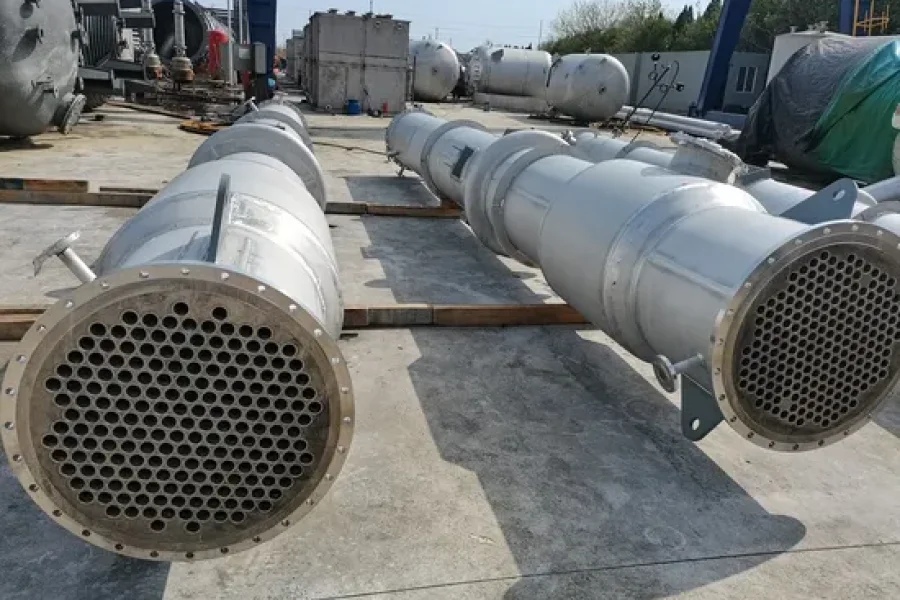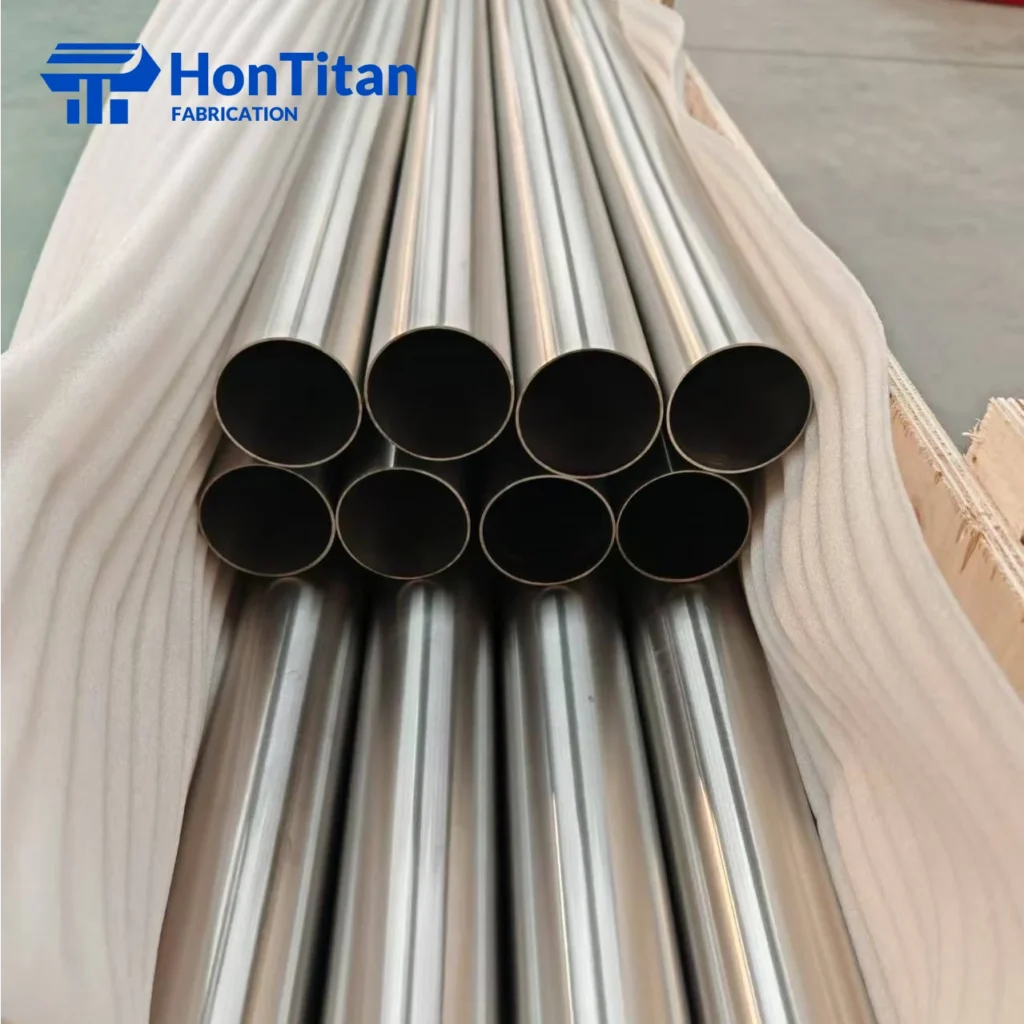
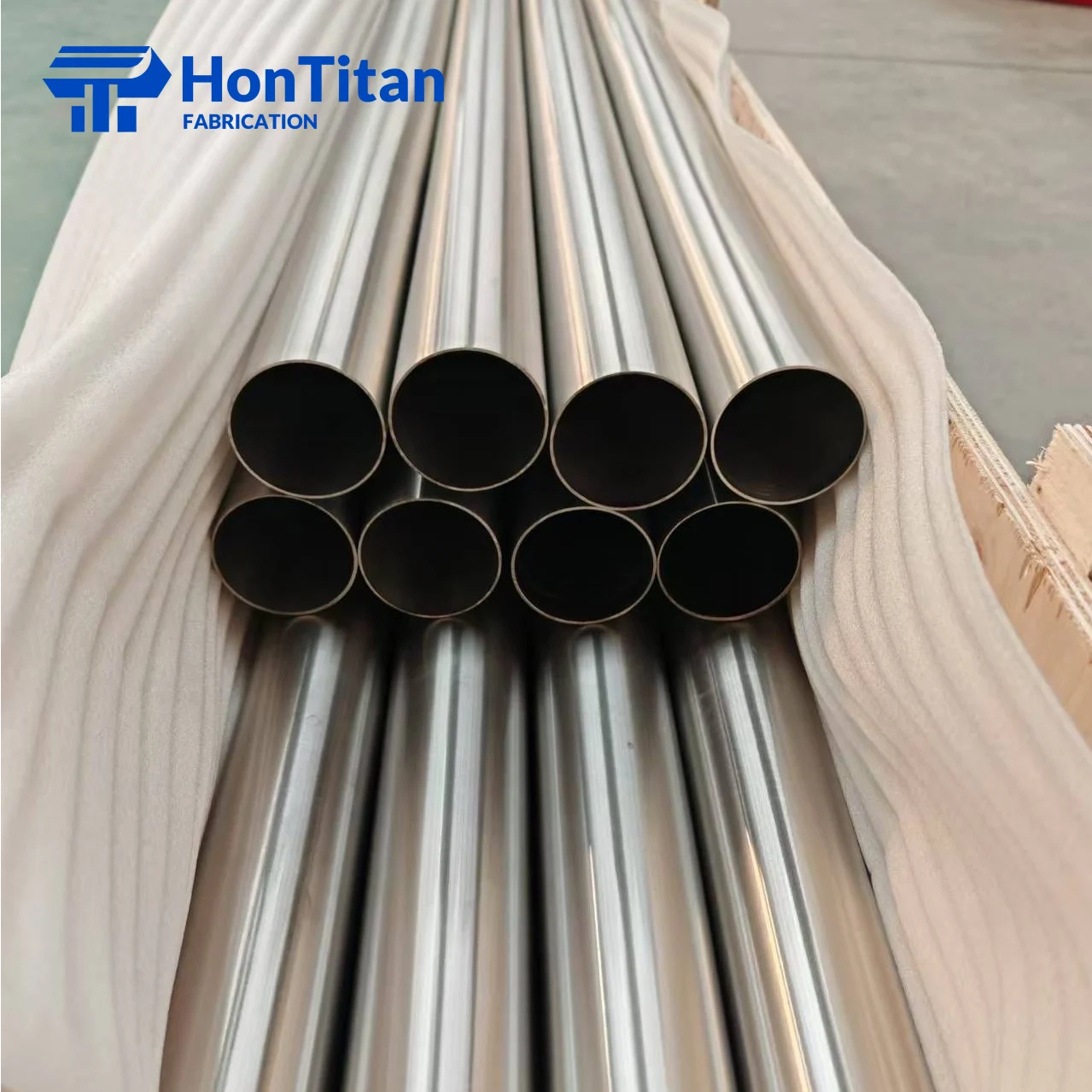
As a specialized manufacturer of titanium piping solutions, we provide Gr2 titanium welded tubes designed for industrial applications.
Manufactured from Commercially Pure (CP) Titanium in accordance with the ASTM B862 standard, our tubes offer reliable corrosion resistance, ductility, and weldability. Whether your project requires thin-wall tubing for heat exchangers or piping for chemical processing, we focus on consistent manufacturing quality. Every batch is fully traceable and supplied with EN10204 3.1 or EN10204 3.2 certification.
To meet the rigorous requirements of procurement managers and engineers, we offer flexible dimensions and custom manufacturing capabilities. Our production techniques allow for precise tolerance control, supporting both standard and thin-wall titanium tube requirements.
Below are the standard specifications of our Grade 2 titanium welded tubes. (Note: Custom sizes are available upon request.)
| Specification Category | Parameter / Range |
|---|---|
| Material Grade | CP Grade 2 (Unalloyed Titanium) |
| Manufacturing Standard | ASTM B862 |
| Outside Diameter (OD) | 1/8″ to 6″ (3.18 mm to 152.4 mm) |
| Wall Thickness (WT) | 0.5 mm to 5 mm (Suitable for thin-wall applications) |
| Length | Max 6000 mm (Custom lengths available) |
| Welding Technique | TIG (Tungsten Inert Gas) Arc Welding / Laser Welding |
| Forming Technique | Cold Rolled / Hot Rolled |
| Surface Treatment | Pickling / Polished |
| Quality Certification | ISO, EN10204 3.1, EN10204 3.2 |
As a direct manufacturer, we control the production process from raw material to the finished product, ensuring that our Gr2 titanium welded tubes meet specified industrial standards. Here is an overview of our manufacturing and inspection workflow.

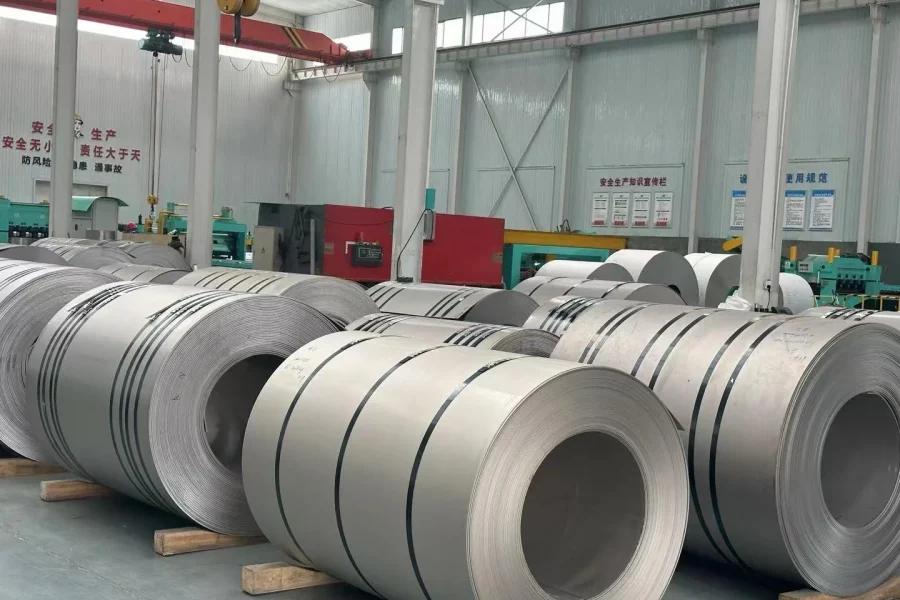
The manufacturing process begins with the selection of CP Grade 2 titanium coils and plates. Using specialized tube rolling equipment, the unalloyed titanium is continuously formed into a uniform tube. This method provides a reliable foundation for consistent wall thickness, which is particularly important for thin-wall titanium tubing (WT ≥0.5mm).
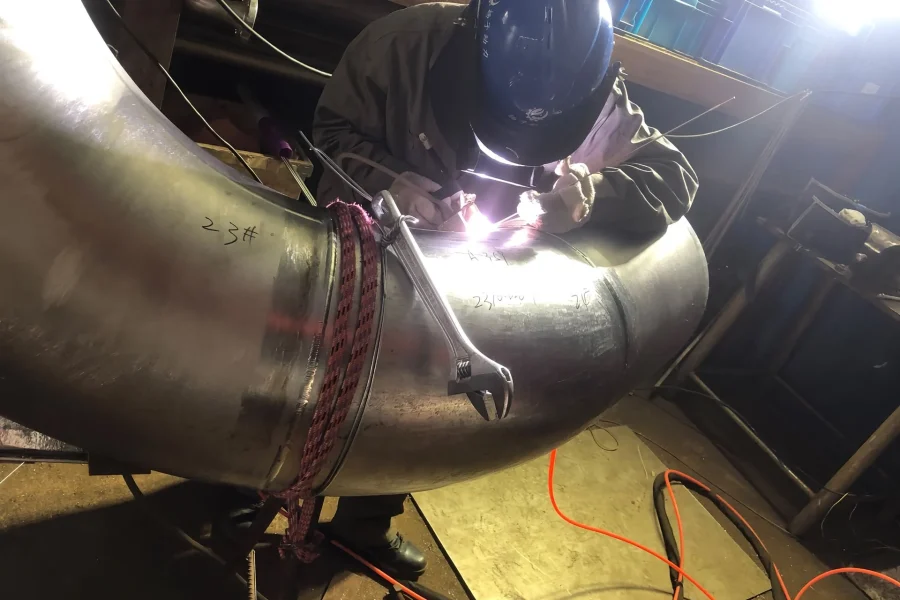
We utilize Tungsten Inert Gas (TIG) arc welding and laser welding technology to fuse the joint. Because Grade 2 titanium possesses good weldability, appropriate heat input creates a consistent seam that maintains the base metal's corrosion resistance and structural integrity under operational pressures.
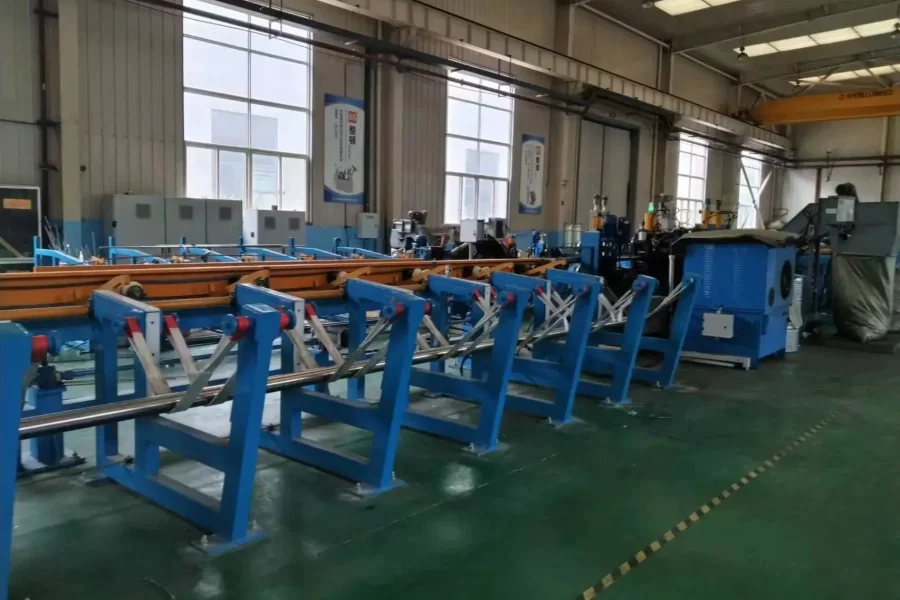
To verify weld quality for critical applications like heat exchangers and chemical processing, our weld seams undergo continuous Non-Destructive Testing (NDT). We perform X-ray and ultrasonic testing to verify the integrity of the weld and detect internal or external discontinuities according to industry standards.
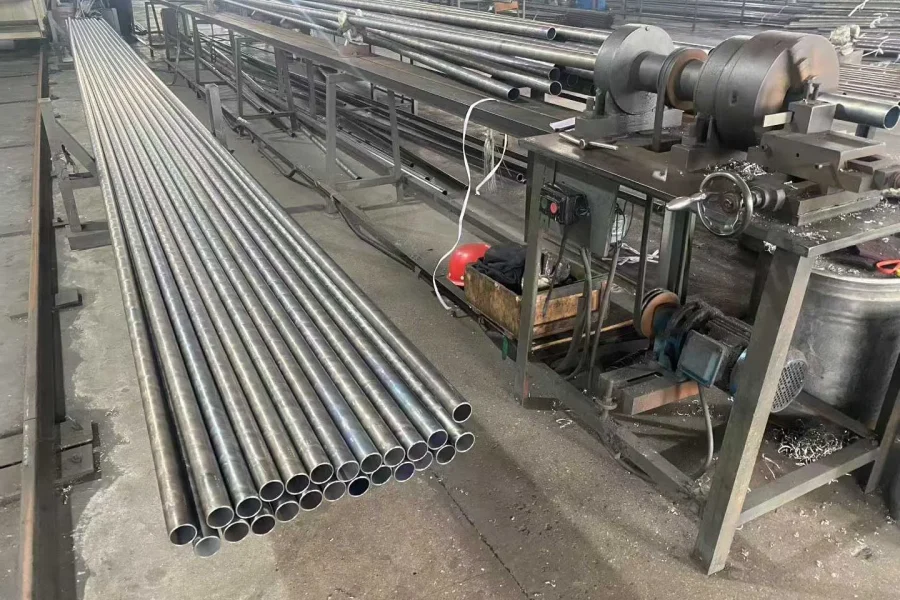
To meet exact engineering blueprints, we employ cold rolling or drawing processes to control the outside diameter and wall thickness tolerances. Finally, the tubes undergo surface treatments, such as pickling or polishing. These treatments remove surface impurities and help maintain the titanium's natural oxide layer for optimal corrosion resistance.
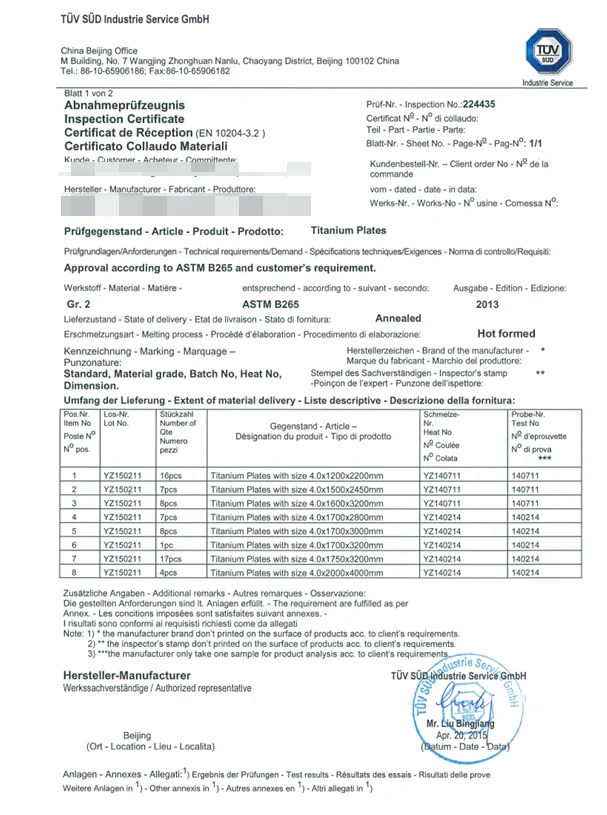
For critical infrastructure such as seawater desalination plants or chemical reactors, material reliability is essential. We understand the importance of material authenticity and performance verification for our B2B clients. That is why our Gr2 titanium welded tubes are manufactured under an ISO-certified quality management system.
To provide complete material traceability, our shipments are supported by authoritative documentation:
EN10204 3.1 Certification: Issued by our internal Quality Assurance department, this Material Test Certificate (MTC) confirms that the chemical composition (C, Fe, O, Ti, etc.) and mechanical properties comply with ASTM B862 requirements.
EN10204 3.2 Certification: For projects requiring independent verification, we can provide EN10204 3.2 certification validated by third-party inspection agencies (such as SGS, TUV, or Lloyd’s Register).
All material specifications are documented and verified prior to shipment.
Grade 2 titanium’s combination of a favorable strength-to-weight ratio, formability, and corrosion resistance makes our welded tubes suitable for demanding industrial applications. They are often specified in environments that exceed the operational limits of standard steel or alternative alloys.

Thin-wall titanium tubing provides efficient thermal conductivity while offering high resistance to aggressive cooling media, contributing to the operational stability of power generation and industrial cooling equipment.
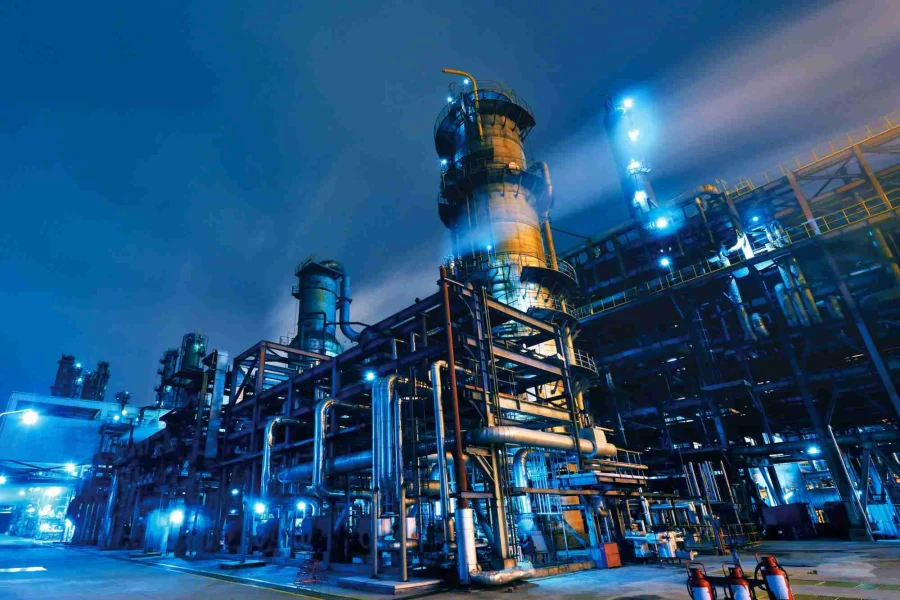
CP titanium's oxide layer offers resistance to various corrosive chemicals, chlorides, and oxidizing acids, ensuring reliable fluid transfer in chemical environments.
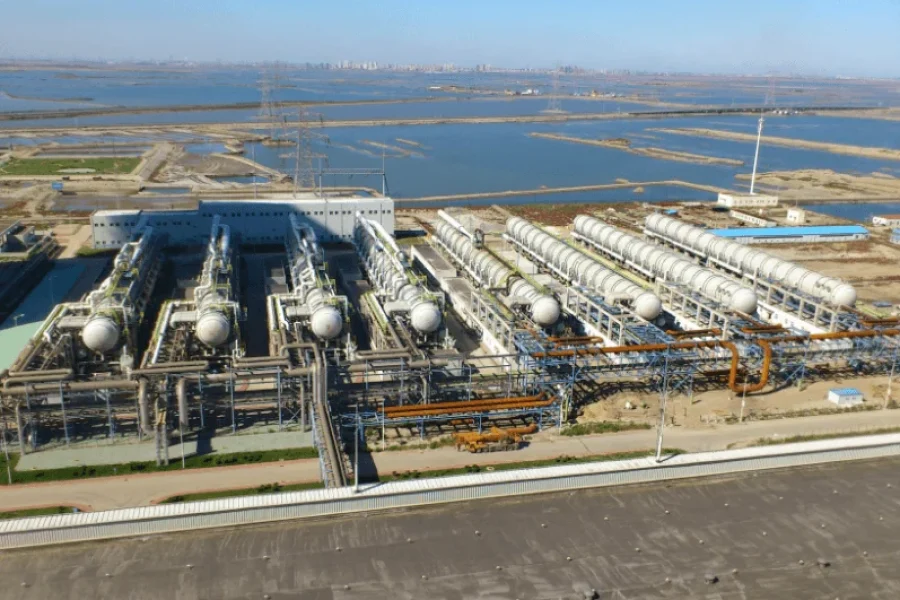
Resistant to crevice corrosion, pitting, and microbiologically influenced corrosion (MIC) in saltwater, our titanium welded pipes are frequently used in multi-stage flash (MSF) distillation and reverse osmosis (RO) systems.
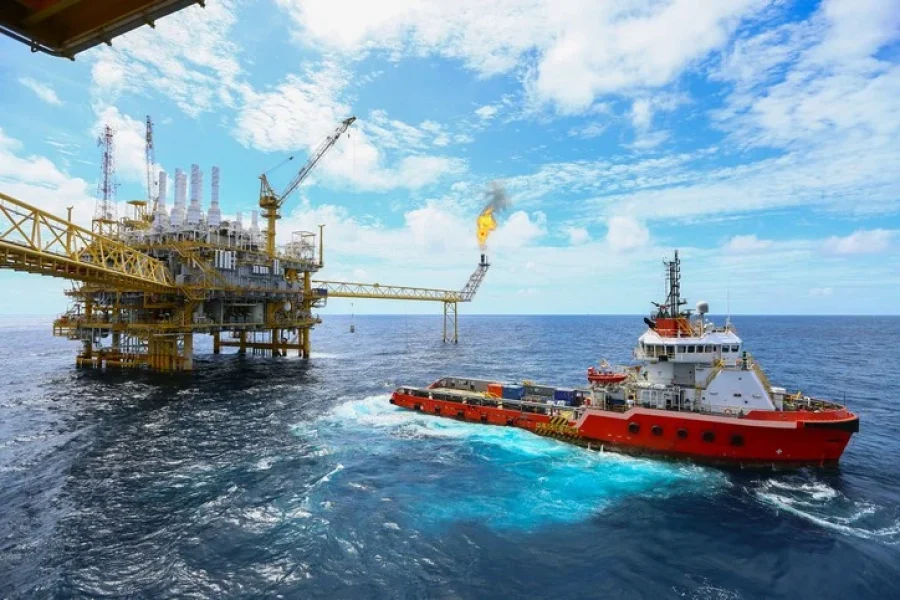
Suitable for subsea piping networks and offshore platforms, the durability and strength of our NDT-tested welded pipes help manage long-term maintenance requirements in marine environments.
While seamless tubes are drawn from a solid billet, our Gr2 titanium welded tubes are formed and welded from titanium coils. A notable advantage of welded tubes is their wall thickness concentricity and cost-effectiveness, especially for larger diameters and thin-wall requirements (WT ≥ 0.5mm). With our continuous X-ray and ultrasonic NDT (Non-Destructive Testing), the structural integrity of our welded tubes makes them a viable alternative to seamless options in many chemical and heat transfer applications.
Yes. Commercially Pure (CP) Grade 2 titanium is known for its good weldability due to its balance of strength and ductility, along with low carbon and oxygen content. We utilize TIG and laser welding with strict inert gas shielding to ensure the weld seam maintains mechanical and anti-corrosion properties comparable to the base metal.
Yes. Our tubes are produced and tested in accordance with the ASTM B862 specification. To provide material traceability, we supply an EN10204 3.1 Material Test Certificate (MTC) with our shipments. Third-party validated EN10204 3.2 certification is also available upon request.
Surface finish impacts the material’s performance. Pickling removes impurities and heat tint generated during the welding process, allowing the titanium to maintain its protective oxide layer for corrosion resistance. A polished surface provides a smoother finish that reduces friction and scaling, which is often specified for seawater desalination and certain sanitary systems.
Whether you require standard ASTM B862 Gr2 titanium welded tubes or custom thin-wall precision tubing (OD ≤114mm, WT ≥0.5mm), our production team is equipped to support your project requirements.
Partner with a manufacturer that provides comprehensive NDT inspection and EN10204 3.1 / 3.2 certification with every delivery.
Our titanium products and manufacturing capabilities provide strong value across multiple industries. Here are the key advantages that make HonTitan a reliable partner.
We provide fast turnaround for samples and bulk orders. With efficient titanium processing—including cutting, forging, and CNC machining—we ensure precision and speed for every project.
From complex CNC machining to welding, forming, and surface finishing, HonTitan can produce custom titanium parts with features such as holes, slots, threads, grooves, and precise geometries.
HonTitan makes titanium materials that are very strong for their weight and resist corrosion very well. This makes them stable for use in aerospace, medical, chemical, and marine settings.
WhatsApp us