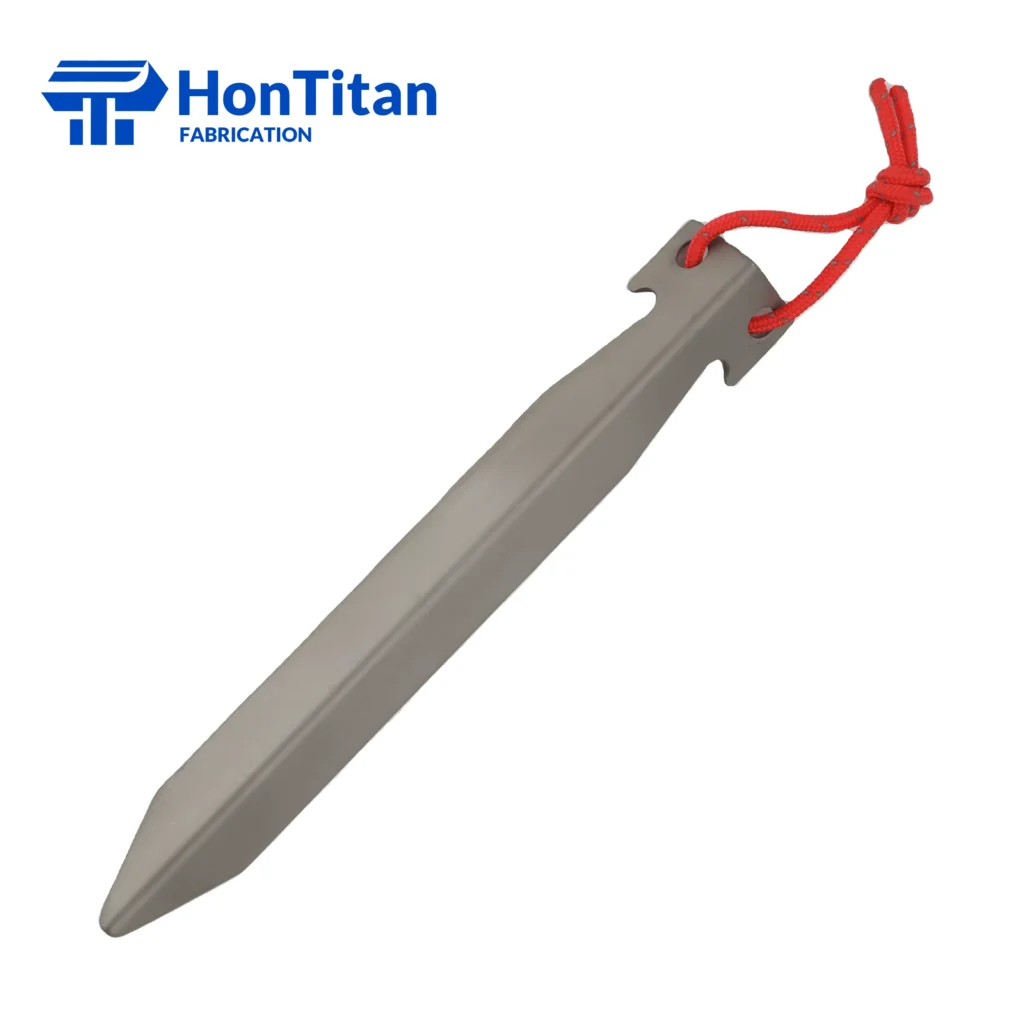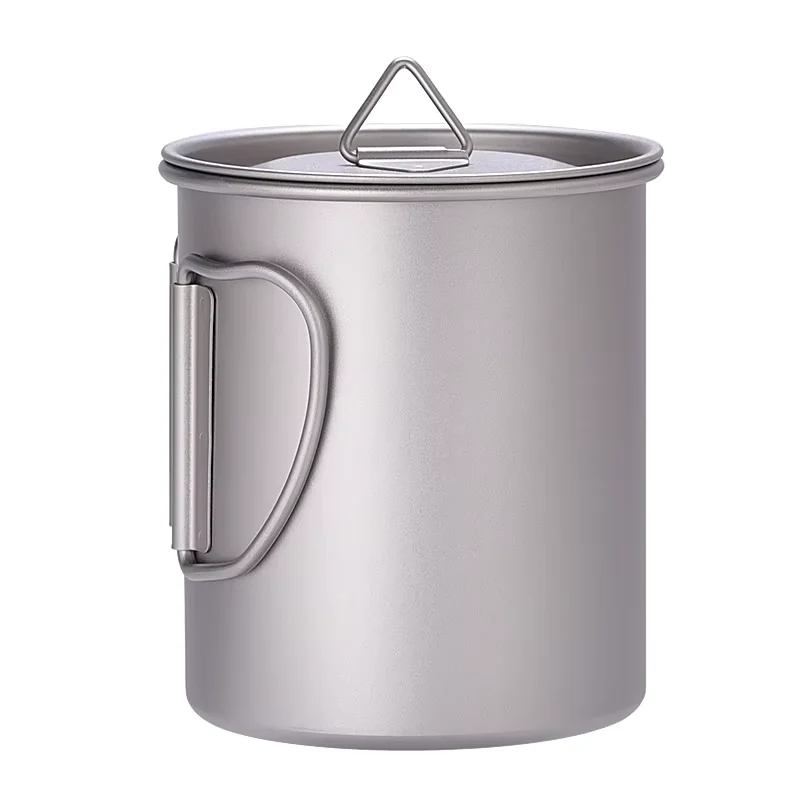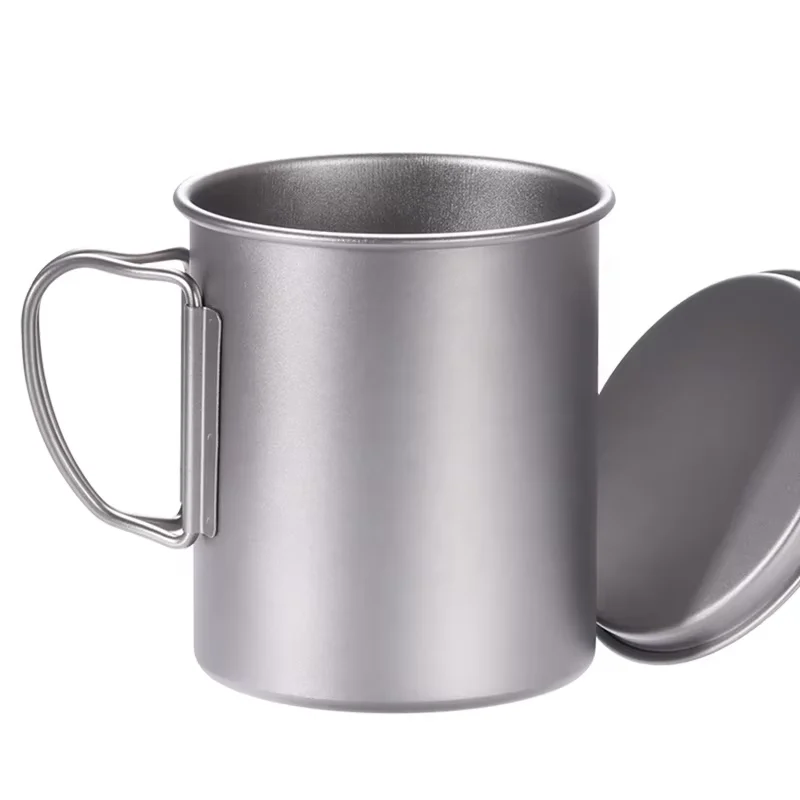
You buy a titanium pot because everyone says it’s “ultralight and safe,” then reality hits: the first time you simmer noodles, the center boils like crazy while the edges lag behind. Or the pot turns rainbow-blue and you wonder if you just ruined an expensive purchase. I’ve seen these moments turn excitement into doubt—fast.
This guide is built to answer what people actually search for: whether titanium cookware is safe, what the real pros and cons are, how titanium compares with stainless steel and aluminum, and how to choose titanium camping cookware sizes without wasting money.
What titanium cookware is—and what it is not
Pure titanium vs titanium-coated vs “titanium ceramic”
Titanium cookware on the market typically falls into three buckets:
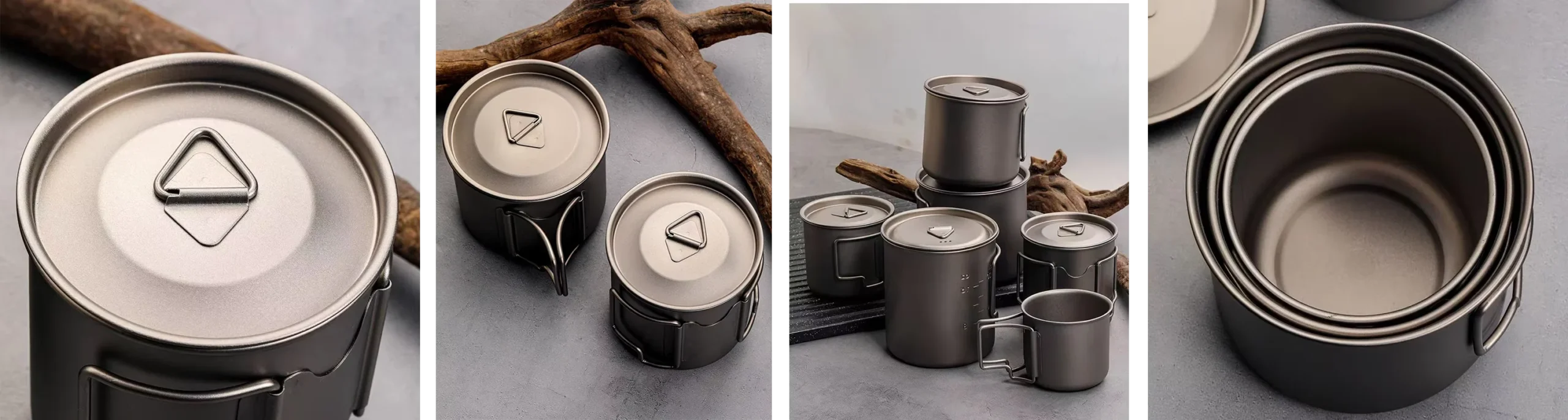
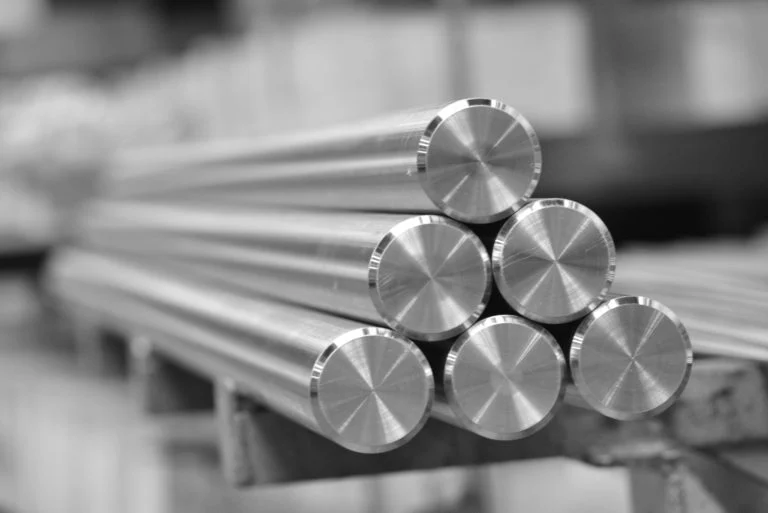
- Pure titanium (or mostly titanium) cookware: the body is titanium metal. This is common in backpacking pots and mugs.
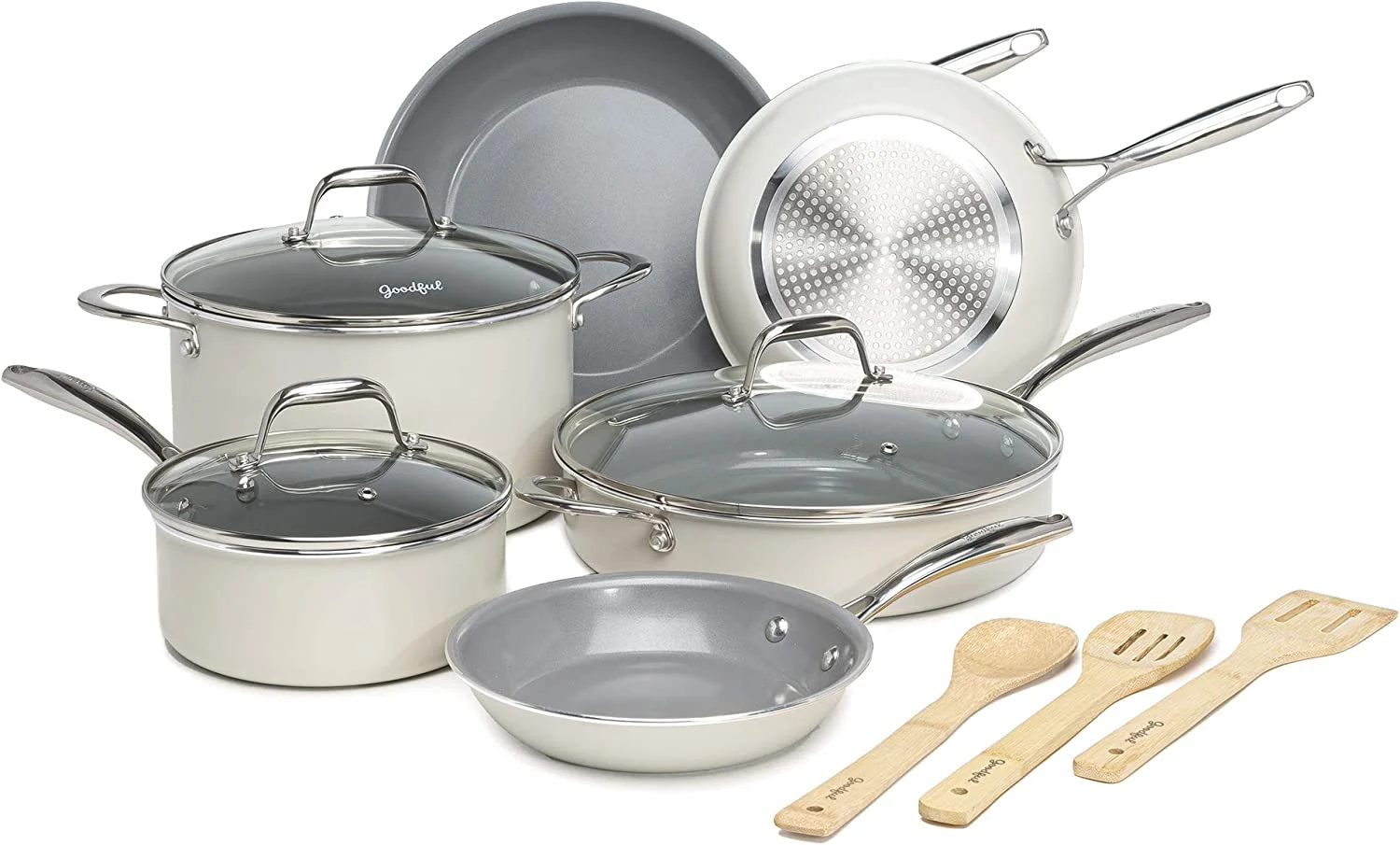
- Titanium-coated cookware: a different base metal (often aluminum or stainless steel) with a titanium-based coating or surface treatment. The performance depends more on the base metal and coating design than the word “titanium.”
- “Titanium ceramic” or “titanium reinforced” nonstick: usually a ceramic or PTFE-style coating marketed with titanium as an additive or reinforcement. It’s not the same thing as a pure titanium pot.
If you only remember one thing: the label “titanium” does not automatically mean “no coating”, and it definitely doesn’t guarantee “nonstick.”
Why product wording confuses buyers
Marketing often uses titanium as a shorthand for “premium” or “healthier.” But from a user perspective, you need to pin down two facts:
- Is my food touching titanium metal, or a coating?
- Is the pan designed for boiling water, or real cooking?
Important clarification: metal titanium cookware vs titanium dioxide (E171)
A lot of “titanium is dangerous” headlines people recall are tied to titanium dioxide (a white pigment used in foods and products, also known as E171), not to titanium metal cookware.
For context, the European Food Safety Authority concluded in 2021 that titanium dioxide (E171) could no longer be considered safe as a food additive due to uncertainties about genotoxicity concerns, leading to regulatory actions in the EU. See the EFSA opinion here: EFSA Journal: Safety assessment of titanium dioxide (E171).
The U.S. FDA provides background on titanium dioxide as a food additive here: FDA: Titanium dioxide.
This doesn’t “prove titanium cookware is perfect.” It simply prevents a common category error: titanium metal cookware is not the same exposure scenario as ingesting titanium dioxide particles as a food additive.
Titanium cookware pros and cons (the honest version)
The real advantages
- Low weight: Titanium’s biggest win is pack weight. For backpackers, shaving 100–300 grams from a cook kit can matter more than marginal cooking comfort.
- Corrosion resistance: Titanium forms a stable oxide layer that helps it resist corrosion in normal cooking environments.
- Durability for its weight: A titanium pot can handle years of being stuffed in packs, nested, and used over stoves—if the build quality is good.
- No need for a nonstick coating (for boil-only use): If your main task is boiling water for coffee, tea, ramen, or freeze-dried meals, titanium is extremely practical.
The real drawbacks (and why they surprise people)
- Hot spots happen: Many titanium camping pots are thin, and heat spreads unevenly. That’s fine for boiling water; it’s frustrating for simmering.
- “Titanium = nonstick” is a myth: Bare titanium behaves like other metals: food can stick, especially eggs, fish, pancakes, and sugary sauces.
- Price: You’re paying for material cost, forming difficulty, and smaller production volumes compared with aluminum.
- Induction limitations: Titanium is not magnetic. Many pure titanium pots won’t work on induction unless they have a bonded magnetic base.
- Comfort trade-offs: Ultralight handles can get hot; lids can rattle; very thin walls can feel “tinny” and unforgiving.
A practical counterexample: why titanium is often a bad “one-pan kitchen” choice
If you want one pan to do everything—sear steak, sauté onions, simmer tomato sauce, scramble eggs—pure titanium is usually not the smoothest path. Not because it’s unsafe, but because cooking control is harder with thin titanium.
A more realistic setup for many households is a two-pan system:
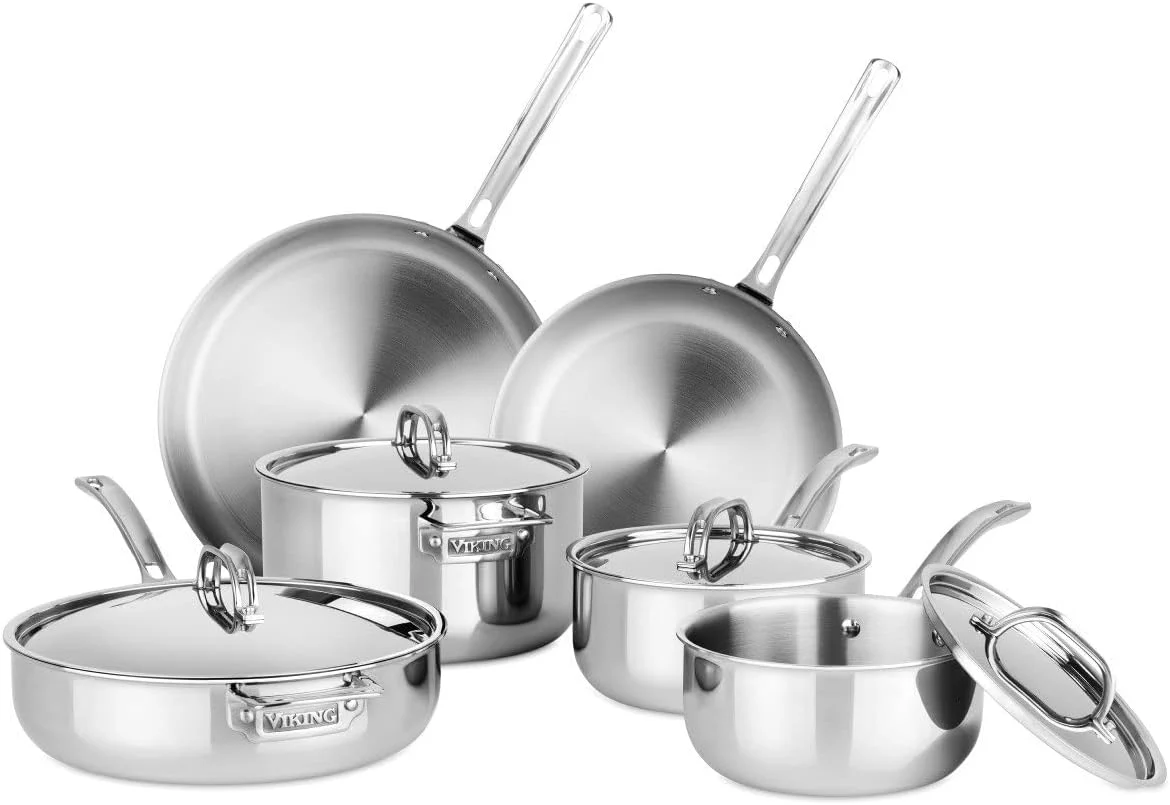
- Stainless steel (tri-ply) skillet for browning and sauces (more even heating).
- Titanium pot/mug for quick boiling, travel, or “backup cookware” that’s easy to store and tough to damage.
Is titanium cookware safe? Health risks explained with context
Cookware safety isn’t a single yes/no. It’s a mix of material properties plus how you use it. Here’s the useful way to think about it without fear-mongering.
Metal “leaching”: what changes it in real life
With any metal cookware, potential metal migration into food (often casually called “leaching”) depends on variables such as:
- Food acidity: tomatoes, citrus, vinegar-based sauces
- Temperature: higher heat increases reaction rates
- Time: long simmering or storage in the pot
- Surface condition: scratches, wear, and residue can alter the surface behavior
For most people, the sensible approach is not to obsess over a single material, but to apply good habits: don’t store acidic food in metal pots overnight; avoid extreme empty-heating; clean properly so burnt residues don’t become your “new cooking surface.”
What the titanium dioxide (E171) debate does—and doesn’t—mean for cookware
As noted earlier, E171 is a food additive/pigment topic. If you’re reading about E171 restrictions, don’t automatically apply that to titanium metal cookware. They are different exposure routes and forms of titanium.
You can read the primary sources directly: EFSA’s 2021 opinion on titanium dioxide (E171) and FDA’s overview of titanium dioxide.
Reasonable safety boundaries (without medical claims)
- If you have a specific metal allergy or medical condition: talk with a qualified clinician. Cookware advice online can’t replace personal medical guidance.
- For typical cooking use: titanium cookware is widely used, especially in outdoor and specialty applications, and concerns people raise are often about usability (sticking, hot spots) more than demonstrated toxicity in cookware scenarios.
- For occupational exposure: the CDC/NIOSH has resources on titanium exposure in industrial contexts, which is a very different situation than home cooking. See: CDC/NIOSH.
Titanium camping cookware: who should buy it (and who shouldn’t)
Titanium camping cookware shines when you treat it like what it often is: a boil-first tool. If your trip menu is mostly hot drinks, instant meals, and quick soups, titanium can feel almost magical. If you’re planning real sautéing every night, you’ll want to choose more carefully.
Quick sizing: 750 ml vs 900 ml vs 1100 ml (solo and 2-person)
| Pot size | Best for | Typical meal pattern | Main trade-off |
|---|---|---|---|
| ~750 ml | Solo ultralight | Boil water for coffee + freeze-dried meal | Tight for noodles or sharing |
| ~900 ml | Solo comfort or light 2-person | Noodles/oats + drinks; occasional shared boil | Slightly more bulk |
| ~1100 ml | 2-person minimalist | Two meals + hot drinks; simple simmering | Heavier; can tempt “real cooking” (hot spots) |
A menu-based way to choose (more reliable than guessing)
Use this simple method: list what you’ll cook, then map it to water volume needs.
- Freeze-dried meal: often needs ~300–500 ml water per person.
- Ramen/instant noodles: commonly ~500–700 ml for a satisfying portion.
- Oats: roughly 250–400 ml depending on thickness.
- Hot drinks: 200–350 ml per cup.
Example (quantitative): Two people, dinner is two freeze-dried meals (2 × 450 ml = 900 ml) plus two cups of tea (2 × 250 ml = 500 ml). If you want to do it in one boil, you’re already at 1.4 L—meaning a 1.1 L pot may force two rounds. Two rounds might be fine, but it costs time and fuel.
Fuel-efficiency reality check
In real camping conditions (wind, cold air, imperfect lids), the “most efficient” pot is often the one that:
- lets you boil once instead of twice,
- has a lid that fits well,
- and doesn’t scorch food you then spend water/fuel cleaning.
Titanium vs stainless steel vs aluminum (what changes in daily use)
“Best cookware material” is a trick question. The right answer depends on whether you prioritize weight, heat control, induction compatibility, or abuse resistance.
| Factor | Titanium (pure, thin-wall common) | Stainless steel (tri-ply best case) | Aluminum (anodized common in camping) |
|---|---|---|---|
| Weight | Excellent | Heavier | Good |
| Heat evenness | Often uneven (hot spots) | Good to excellent (with aluminum core) | Good |
| Best use | Boil-only, simple meals, travel | Everyday cooking, sauces, searing | Camping cooking with better control |
| Induction compatibility | Usually no (unless magnetic base) | Often yes (check label) | Usually no (unless special base) |
| Sticking risk | Medium to high for delicate foods | Medium (technique-dependent) | Medium (varies by surface) |
| Cost | High | Mid to high | Low to mid |
A simple “best by scenario” matrix
- Ultralight backpacking (boil water): Titanium is hard to beat.
- Car camping with real cooking: Hard-anodized aluminum or quality stainless often feels easier.
- Home cooking with induction: Stainless (induction-ready) is usually the safer bet.
- Home cooking without coatings: Stainless + cast iron carbon steel combo often outperforms a single titanium pan.
How to cook better with titanium (less sticking, less frustration)
Heat management that actually works
- Start lower than you think: titanium camping pots heat fast in the center. Medium heat often beats high heat.
- Use a bit more water/oil for real cooking: especially for noodles, rice, or anything starchy.
- Keep food moving: stirring reduces localized scorching.
- Use a diffuser (if possible): for simmering sauces, a heat diffuser can reduce hot spots dramatically.
How to prevent food from sticking (especially eggs)
Pure titanium is not a nonstick pan. If you want to try eggs anyway:
- Preheat briefly (don’t overheat).
- Add oil, then lower heat slightly.
- Wait for the egg edges to set before moving it.
- Accept that a stainless or seasoned pan will usually be easier.
Cleaning burnt food off titanium: a step-by-step rescue
- Let the pot cool.
- Add warm water + a small amount of dish soap.
- Soak 15–30 minutes.
- Use a non-abrasive scrubber; avoid aggressive sanding that changes the surface.
- If still stuck, simmer water for a few minutes, then scrub again.
Discoloration (blue/yellow/rainbow): what’s normal
Those rainbow hues are typically surface oxide changes from heat. In many cases, it’s cosmetic, not structural damage. If you see warping, cracked welds, or severe deformation, that’s different—inspect the pot and stop using it if you’re unsure.
Buying checklist: what to inspect before you pay
Titanium cookware satisfaction is heavily dependent on design and build quality. Use this checklist whether you’re buying for yourself or sourcing for resale.
For consumers: a fast inspection list
- Wall thickness (realistic expectations): thinner usually means lighter but more hot spots.
- Rolled edges: improve rigidity and reduce sharp edges.
- Handle design: lock stability, heat transfer, and comfort matter more than looks.
- Lid fit: a better lid improves boil time and fuel efficiency.
- Nesting compatibility: can it nest with your stove, fuel canister, mug, or windscreen?
- Induction claim: verify it. Pure titanium alone usually won’t work on induction without a bonded magnetic base.
For B2B / sourcing: quality and consistency checks
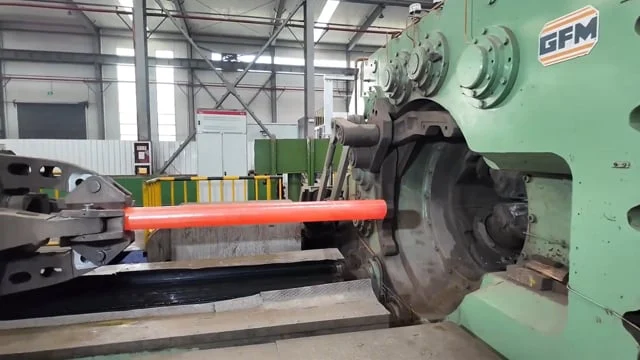
- Material declaration: specify “pure titanium” vs “titanium-coated,” and request documentation.
- Welds/joints: consistent weld beads, no pinholes, no sharp burrs.
- Handle attachment: rivets/spot weld quality; repeat open/close cycles.
- Batch consistency: random sampling for weight, dimensions, lid fit.
- Packaging + instruction clarity: set expectations: “boil-first,” sticking prevention tips, discoloration is normal.
A simple cost-per-use calculation (to decide if titanium is “worth it”)
Instead of debating price emotionally, estimate:
Cost per use = (purchase price) / (expected number of uses)
- If a $60 titanium pot gets used 120 times over 3 years, that’s $0.50 per use.
- If it becomes a “closet item” after 10 uses, it’s $6 per use—regret territory.
Information gain: Most articles only say “titanium is expensive.” We give a quick cost-per-use model and a sourcing checklist that reduces misunderstandings and returns.
FAQ
Is titanium cookware actually nonstick?
No. Pure titanium cookware is not inherently nonstick. You can reduce sticking with technique, but don’t expect coated-pan behavior.
Does titanium cookware leach metals into food?
Metal migration depends on acidity, heat, time, and surface condition. Avoid storing acidic foods in the pot for long periods and prevent heavy scorching. If you’re concerned, stick to boil-first use cases.
Can you cook acidic foods in titanium pots?
In normal cooking, many people do. The practical advice is to avoid long storage of acidic foods in the pot and avoid extreme overheating.
Why does titanium cookware discolor or turn rainbow?
It’s usually heat-related surface oxidation and often cosmetic. Severe warping or damaged joints is a different issue.
Can titanium cookware go on an induction cooktop?
Many pure titanium pots won’t work because titanium isn’t magnetic. Look for a bonded magnetic base if induction is required.
Is titanium cookware worth it for camping?
Yes if your menu is boil-first and you value weight savings. If you cook real meals nightly, hard-anodized aluminum may feel easier.
What size titanium pot is best for one person backpacking?
750–900 ml covers most solo boil-first meals. If you frequently cook noodles or want more flexibility, lean toward ~900 ml.
Does titanium cookware affect taste?
Typically it’s neutral. Most “taste” complaints come from burnt residue or old food oils, not the titanium itself.
If this guide made you rethink “titanium equals nonstick,” you’re already ahead of most buyers. HonTitan focuses on titanium cookware that’s designed around real use—weight targets, handle comfort, lid fit, and clear expectations. Want a setup recommendation or a B2B spec sheet? Reach out, compare options, and choose what fits your cooking style with fewer surprises and solid support.