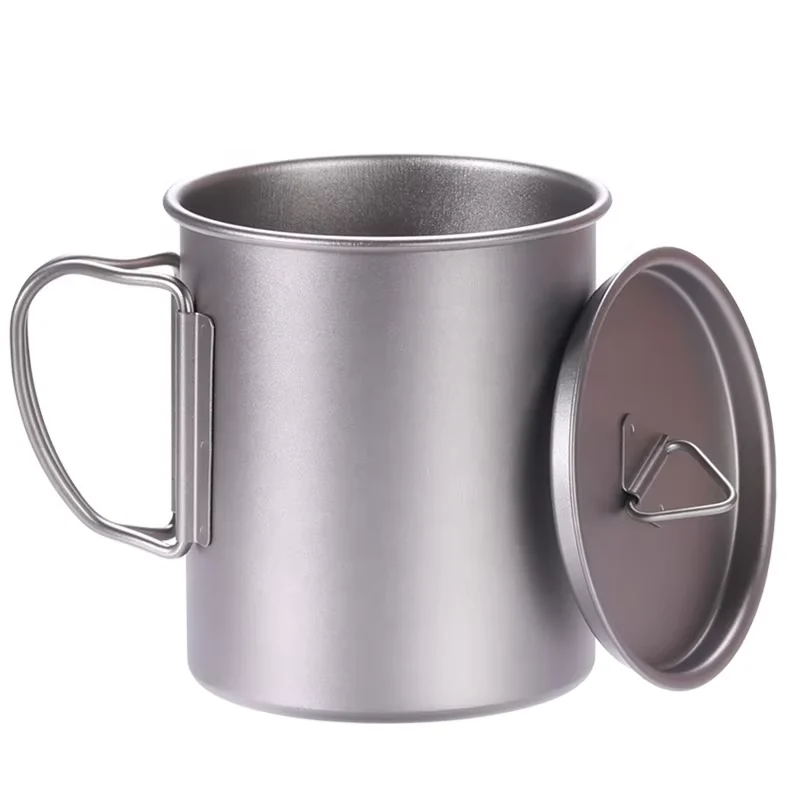
Titanium, a lustrous transition metal, is celebrated not only for its exceptional strength-to-weight ratio and outstanding corrosion resistance but also for a defining characteristic: its exceptionally high melting point. This property is a double-edged sword, enabling titanium’s use in demanding applications from aerospace to medical implants, yet simultaneously posing unique challenges for its processing and manufacturing.
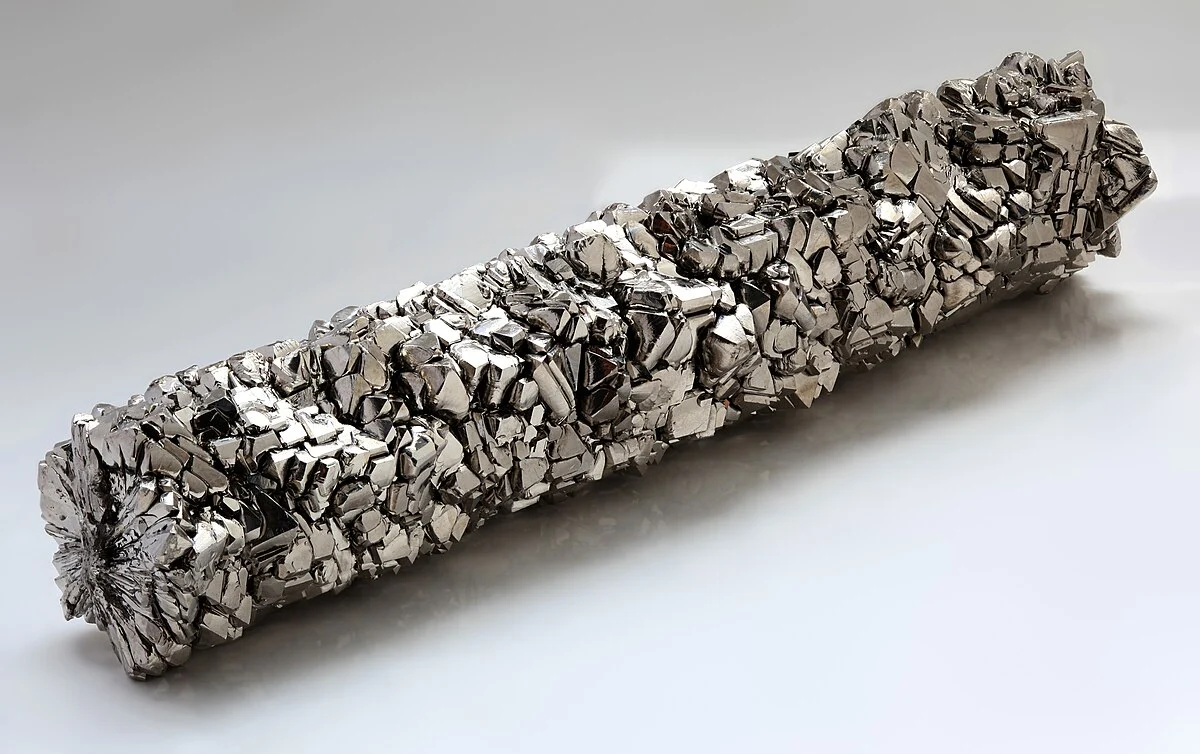
In this comprehensive FAQ guide, we aim to demystify the thermal properties of titanium. We’ll delve into the scientific reasons behind its high melting point, compare it to other common metals, explore how alloys behave, and discuss the practical implications for its wide array of applications. Get ready for clear, precise answers to your most pressing questions.
Fundamental Questions About Titanium’s Melting Point
Q1: What is the exact melting point of pure titanium?
The melting point of pure titanium (Ti) is approximately 1,668 °C (3,034 °F, or 1,941 K). This figure is notably higher than many other engineering metals, underscoring its unique thermal stability. For context, steel typically melts around 1,370–1,530 °C (2,500–2,785 °F), and aluminum at 660 °C (1,220 °F).
This high melting point is crucial for applications requiring materials to withstand extreme temperatures without deforming or losing structural integrity, such as in jet engines and chemical processing equipment. Reliable data on titanium’s physical properties, including its melting point, can often be found from reputable sources like AZoM.com or the National Institute of Standards and Technology (NIST).
Q2: How does titanium’s melting point compare to other common metals like steel and aluminum?
Titanium significantly surpasses both steel and aluminum in terms of melting temperature, highlighting its superior thermal resistance. Here’s a comparative overview:
| Metal | Approximate Melting Point (°C) | Approximate Melting Point (°F) |
|---|---|---|
| Pure Titanium (Ti) | 1,668 | 3,034 |
| Steel (typical range) | 1,370 – 1,530 | 2,500 – 2,785 |
| Pure Aluminum (Al) | 660 | 1,220 |
As evident, titanium’s melting point is more than double that of aluminum and comfortably above the typical range for steel. This characteristic is a primary reason for its selection in high-performance, high-temperature applications where other metals would simply fail.
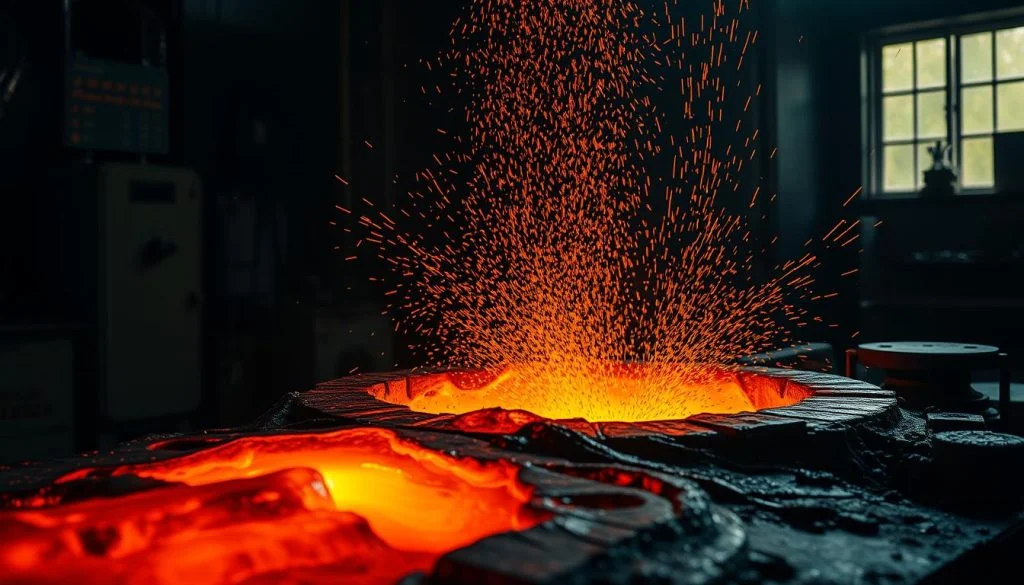
Q3: Does titanium have a boiling point? If so, what is it?
Yes, like all metals, titanium has a boiling point. The boiling point of pure titanium is approximately 3,287 °C (5,949 °F, or 3,560 K). While the melting point marks the transition from solid to liquid, the boiling point signifies the transition from liquid to gas. This extremely high boiling point further illustrates titanium’s stability under intense thermal conditions, though in most practical applications, engineers are primarily concerned with its solidus and liquidus temperatures.
The Science Behind Titanium’s High Melting Point
Q1: What scientific reasons explain titanium’s high melting point?
Titanium’s impressive melting point is rooted in its unique atomic structure and strong metallic bonding. Here are the key scientific factors:
- Strong Metallic Bonds: Titanium atoms form robust metallic bonds with each other. These bonds are a result of the delocalized electrons shared across the entire metallic lattice, requiring a significant amount of energy to break them and allow the atoms to move freely as a liquid.
- Electron Configuration: As a Group 4 transition metal, titanium has a specific electron configuration ([Ar] 3d² 4s²). The presence of partially filled d-orbitals allows for multiple valence electrons to participate in bonding, contributing to the strength of its metallic bonds. This effectively increases the cohesive energy within the crystal lattice.
- Crystal Structure: Pure titanium exhibits allotropy, meaning it can exist in different crystal forms. At room temperature, it has a hexagonal close-packed (HCP) structure (alpha-phase). Upon heating to around 882 °C (1620 °F), it transforms into a body-centered cubic (BCC) structure (beta-phase), which persists until melting. Both structures are stable and require substantial energy to disrupt their ordered arrangement.
These combined factors create a robust atomic framework that resists thermal energy, hence demanding very high temperatures to transition from a solid to a liquid state. For a deeper understanding of metallic bonding, resources such as ScienceDirect offer valuable insights.
Q2: Are there any metals with a higher melting point than titanium?
Yes, while titanium’s melting point is high, several refractory metals surpass it. These metals are generally characterized by their extraordinary resistance to heat and wear. Notable examples include:
- Tungsten (W): Melting point of 3,422 °C (6,192 °F) – the highest of all metals.
- Rhenium (Re): Melting point of 3,186 °C (5,767 °F).
- Tantalum (Ta): Melting point of 3,017 °C (5,463 °F).
- Niobium (Nb): Melting point of 2,477 °C (4,491 °F).
These metals are often utilized in applications where even titanium would reach its thermal limits, such as in heating elements, rocket nozzles, and high-temperature vacuum furnaces. Their extremely strong interatomic bonds and crystal structures necessitate even more energy to melt than titanium.
Titanium Alloys and Their Melting Behavior
Q1: Do titanium alloys have the same melting point as pure titanium?
Generally, no. While titanium alloys retain many of titanium’s desirable properties, the addition of alloying elements (like aluminum, vanadium, molybdenum, tin, etc.) typically alters the exact melting point, or more precisely, the melting range. Instead of a single melting point, alloys usually have a solidus temperature (where melting begins) and a liquidus temperature (where melting is complete). The alloying elements affect the overall bond strength and crystal structure, leading to these variations.
Q2: What is the melting point range for common titanium alloys like Ti-6Al-4V (Grade 5)?
Ti-6Al-4V, also known as Grade 5 titanium, is the most widely used titanium alloy, accounting for over 50% of all titanium usage. Its melting behavior differs slightly from pure titanium:
- Solidus Temperature: Approximately 1,600 °C (2,912 °F)
- Liquidus Temperature: Approximately 1,660 °C (3,020 °F)
This means that between 1600°C and 1660°C, the alloy exists in a mushy, semi-molten state. Understanding this range is critical for processes like casting and welding. Other common alloys will have their specific melting ranges, which can be found in detailed material data sheets or ASTM International standards.
Implications of Titanium’s High Melting Point in Applications
Q1: How does titanium’s high melting point benefit its applications?
Titanium’s high melting point is a cornerstone for its superior performance in critical applications:
- Aerospace Industry: In components exposed to extreme temperatures, such as jet engine compressor blades, casings, and exhaust systems, titanium’s thermal stability is paramount.
- Medical Implants: While the body’s internal temperature is far below titanium’s melting point, its high melting point correlates with exceptional thermal stability and inertness, making it highly biocompatible and resistant to degradation within the human body. This is why it’s the material of choice for surgical implants like hip replacements and dental implants.
- Chemical Processing: Its resistance to high temperatures, combined with its renowned corrosion resistance, makes titanium ideal for heat exchangers, valves, and piping in demanding chemical environments.
- Automotive & Marine: High-performance vehicles and marine components benefit from titanium’s ability to maintain strength and structural integrity under high thermal loads and corrosive conditions.
These applications leverage titanium’s ability to operate reliably in environments where other materials would soften, deform, or corrode.
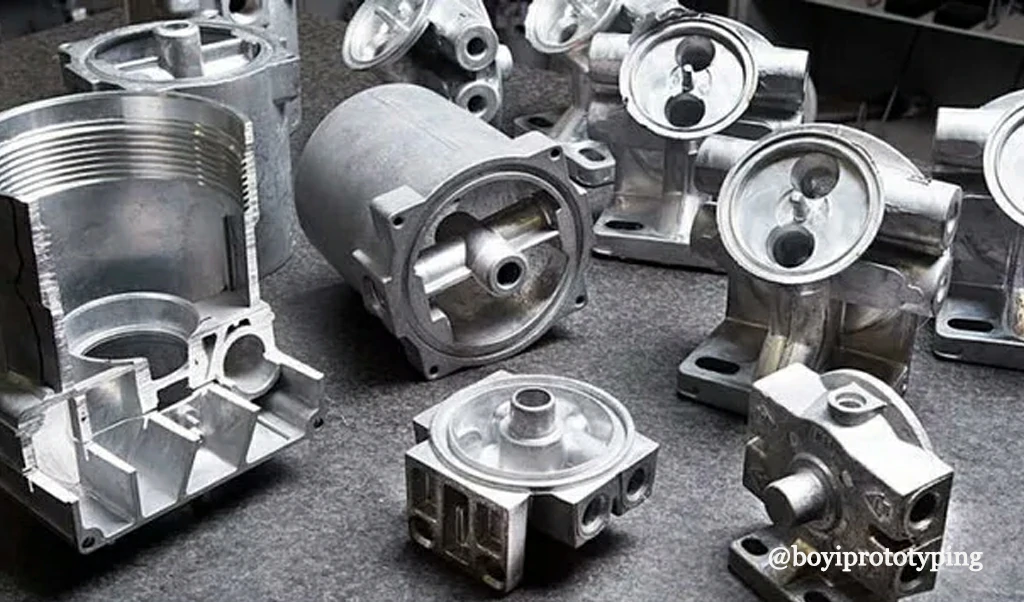
Q2: What challenges does the high melting point present for processing titanium?
While beneficial for applications, titanium’s high melting point (and its high reactivity, especially when molten) creates significant challenges in manufacturing:
- Melting and Casting: Conventional melting in air or with common refractories is impossible because molten titanium readily reacts with oxygen, nitrogen, and most crucible materials. This leads to contamination and embrittlement. Therefore, specialized processes like Vacuum Arc Remelting (VAR) or Electron Beam Melting (EBM) in a vacuum or inert atmosphere are essential.
- Welding: Welding titanium requires stringent inert gas shielding (typically argon) to protect the molten weld pool, the hot filler rod, and the surrounding cooling metal from atmospheric contamination, which can cause porosity and reduced ductility.
- Machining: Titanium is notoriously difficult to machine. Its high melting point contributes to high cutting temperatures, leading to rapid tool wear. Low thermal conductivity means heat concentrates at the tool-workpiece interface. Specialized cutting tools, rigid setups, and generous coolant flow are necessary.
- Hot Working: While titanium can be hot worked (forging, rolling), the temperatures involved are high, and precise control is needed to avoid grain growth or alpha-case formation (surface oxygen embrittlement).
These challenges mean that processing titanium is often more complex and costly than for many other metals, requiring specialized equipment, expertise, and strict quality control.
Practical Considerations for Melting and Working with Titanium
Q1: Can titanium be melted using standard equipment (e.g., a propane torch)?
Absolutely not. Attempting to melt titanium with standard equipment like a propane torch, oxy-acetylene torch, or even a typical forge is dangerous and ineffective. Here’s why:
- Insufficient Heat: While these tools can generate high temperatures, they typically cannot reach and sustain the 1,668 °C required to fully melt titanium, especially for any substantial piece.
- Rapid Oxidation and Contamination: The primary issue is titanium’s extreme reactivity with oxygen, nitrogen, and hydrogen when heated or molten. In an open-air environment, titanium will quickly absorb these elements, forming a brittle, ceramic-like layer (known as “alpha case”) and becoming severely embrittled. It can also ignite, burning with a brilliant white flame that is difficult to extinguish. This renders the material unusable and creates a significant fire hazard.
For safety and material integrity, melting titanium must only be attempted in highly controlled, inert or vacuum environments using specialized industrial equipment.
Q2: What kind of specialized equipment is required to melt titanium industrially?
Industrial melting of titanium relies on sophisticated technologies designed to prevent contamination and manage its high melting point and reactivity. The most common methods include:
- Vacuum Arc Remelting (VAR): This is the dominant method for producing high-quality titanium ingots. Titanium scrap or sponge is compacted into an electrode, which is then melted in a vacuum chamber by an electric arc. The vacuum prevents atmospheric contamination, and the process refines the metal by removing volatile impurities.
- Electron Beam Melting (EBM): In EBM, a high-energy electron beam melts the titanium within a high-vacuum chamber. This method offers excellent control over purity and allows for direct shaping of parts (e.g., 3D printing of titanium components).
- Plasma Arc Cold Hearth Melting (PACHM): This technique uses plasma torches to melt titanium in a cold-wall copper crucible, often followed by VAR for further refinement. It helps remove inclusions and ensures high material integrity.
These processes are costly and complex, but they are essential for producing the high-purity, high-performance titanium materials required for critical applications.
Q3: Are there specific techniques for welding titanium due to its high melting point and reactivity?
Yes, welding titanium is a highly specialized process due to its high melting point and, more importantly, its intense reactivity with atmospheric gases at elevated temperatures. Key techniques and considerations include:
- Inert Gas Shielding: This is paramount. TIG (Tungsten Inert Gas) welding is most common, utilizing pure argon gas to shield the weld pool, the hot filler rod, and the surrounding cooling metal from oxygen and nitrogen. Additional trailing shields and backing gas are often employed to protect the cooling weld bead from contamination.
- Cleanliness: Extreme cleanliness is crucial. All surfaces to be welded must be meticulously cleaned to remove oils, grease, dirt, and oxides, as contaminants can lead to weld defects and embrittlement.
- Controlled Environment: For highly critical applications, welding may occur in glove boxes filled with inert gas or in vacuum chambers to ensure complete protection from the atmosphere.
- Fast Travel Speeds and Low Heat Input: To minimize the time the metal is at high temperatures and reduce the heat-affected zone, optimized welding parameters with faster travel speeds and lower heat input are preferred.
Failure to follow these stringent procedures will result in brittle, contaminated welds, compromising the integrity of the titanium component. For detailed welding guidelines, consulting American Welding Society (AWS) standards is recommended.
FAQ Summary & Key Takeaways
In summary, titanium’s remarkably high melting point of 1,668 °C (3,034 °F) is a defining characteristic rooted in its strong metallic bonds and unique electron configuration. This property sets it apart from common metals like steel and aluminum, enabling its use in the most demanding high-temperature and critical applications, from the roaring heart of jet engines to life-saving medical implants.
However, this very advantage also presents significant manufacturing challenges. Its high reactivity when molten necessitates specialized, costly processes such as vacuum arc remelting and stringent inert gas shielding during welding and hot working. Understanding these dual aspects—titanium’s incredible utility and the complexities of its processing—is key to harnessing its full potential in engineering and design.
Unlock the Full Potential of Titanium with HonTitan
Understanding titanium’s properties, like its impressive melting point, is just the first step. The real challenge lies in sourcing, processing, and applying this incredible metal to meet your specific project demands. That’s where HonTitan comes in.
At HonTitan, we are not just suppliers; we are your dedicated partners in titanium solutions. With a deep focus on the entire titanium metal value chain, from raw materials to finished products, we bring unparalleled expertise. We serve diverse industries including aerospace, medical, industrial, and even consumer goods, offering high-quality titanium raw material stock and specialized processing capabilities.
Whether you require standard titanium grades or intricate custom fabrications, our team is equipped to provide tailored, high-performance solutions that precisely match your needs. We pride ourselves on delivering not just materials, but reliable, precise, and high-quality outcomes.
Ready to turn your complex titanium requirements into tangible successes? Don’t let the intricacies of titanium processing hold you back.
Choose HonTitan – Your Customized Titanium Solutions Partner, committed to being the preferred supplier for all your diverse titanium needs.