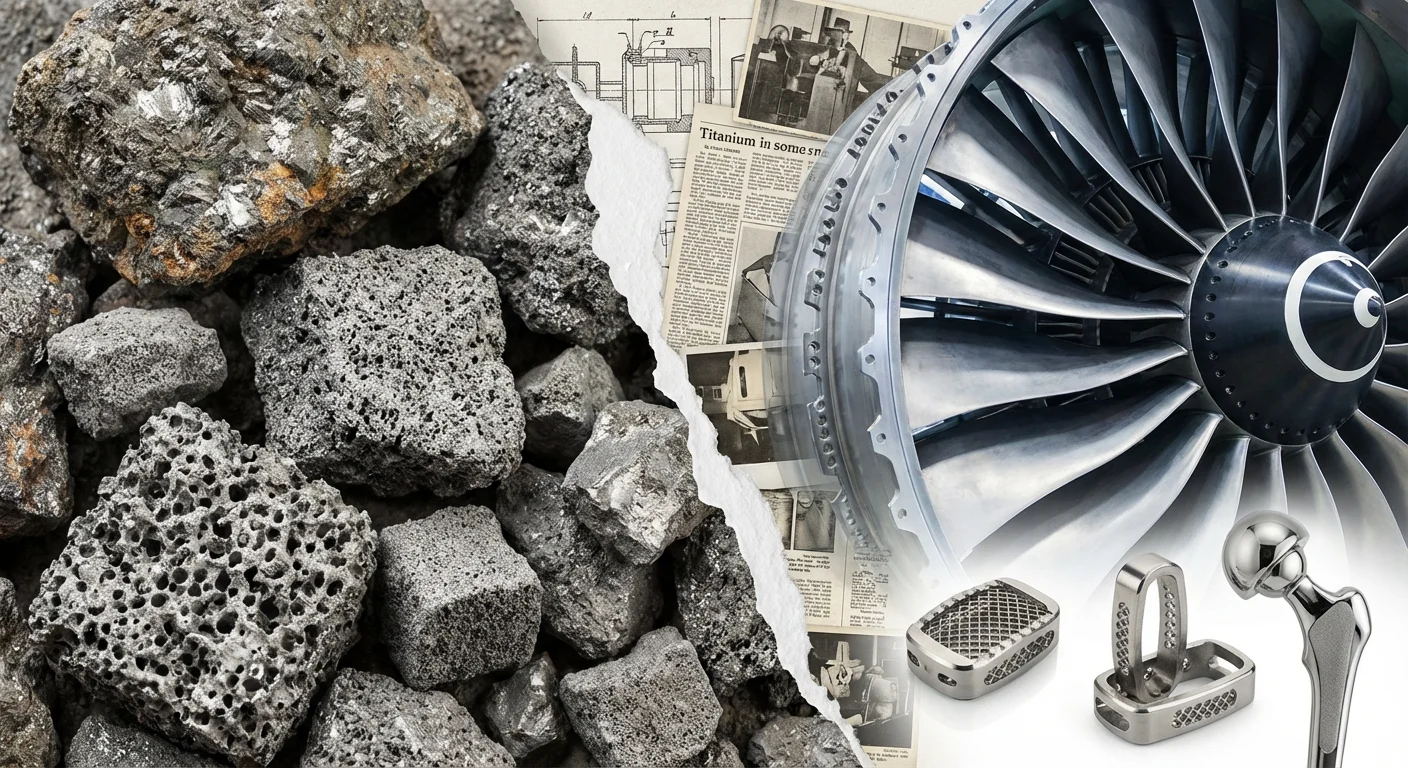
When you hold the latest iPhone Pro or watch a supersonic jet tear through the sky, you are witnessing the power of one specific element: Titanium.
Often hailed as the “metal of the future,” Titanium (Ti) is the ninth most abundant element in the Earth’s crust. Yet, for decades, it remained an exotic material, reserved only for secret spy planes and deep-sea submarines. Today, however, it has made its way into our pockets, our jewelry boxes, and even our own bodies.
Before we dive in, let’s clear up a common confusion:
This article focuses on Titanium metal—the silver-grey, hard transition metal. We are not discussing Titanium Dioxide (TiO₂), the white pigment commonly found in sunscreen, paint, and toothpaste.
So, why are engineers and designers so obsessed with this metal? And is it really worth the hype (and the high price tag)? From the edges of outer space to the depths of the ocean, here is the ultimate guide to what titanium is used for and why it matters.
Why is Titanium So Special? The “Magic” Trio
To understand what titanium is used for, you first need to understand why we use it. Titanium isn’t just “another metal”—it possesses a unique combination of three properties that are rarely found together in nature.
- The Strength-to-Weight Ratio: This is titanium’s claim to fame. Titanium is roughly 45% lighter than steel but offers comparable tensile strength. Conversely, it is about 60% heavier than aluminum, but more than twice as strong. It hits the perfect “Goldilocks” zone for engineering.
- Incredible Corrosion Resistance: Most metals react poorly to water and oxygen—iron rusts, copper turns green. Titanium, however, forms a microscopic, impenetrable oxide layer (TiO₂) on its surface. This natural shield makes it virtually immune to corrosion from saltwater, acids, and chlorine.
- Biocompatibility: Titanium is non-toxic and non-allergenic. More importantly, it has the rare ability to perform osseointegration—a process where human bone literally grows into the metal, fusing with it.
Aerospace & Aviation: The Backbone of Flight
Since the 1950s, the aerospace industry has been the single largest consumer of titanium. In fact, nearly 50% of the world’s titanium is used to build aircraft. But why? It’s not just about saving weight—it’s about surviving heat.
- Jet Engines: The turbine blades and discs in a jet engine spin at thousands of RPMs and face scorching temperatures. Aluminum would melt; steel would be too heavy. Titanium is the only metal that can withstand this heat (up to 600°C) without losing its structural integrity.
- Airframes: From the landing gear to the structural skeleton, titanium ensures planes like the Boeing 787 Dreamliner and Airbus A350 are lighter and more fuel-efficient.
💡 Case Study: The SR-71 Blackbird
You can’t talk about titanium without mentioning the legendary SR-71 Blackbird. Built during the Cold War, this spy plane was designed to fly at Mach 3+ (three times the speed of sound). At that speed, air friction heats the fuselage to over 2,000°F.
Lockheed built 93% of the plane out of titanium alloy. Ironically, since the U.S. didn’t have enough titanium ore at the time, the CIA had to set up shell companies to covertly purchase the material from their adversary—the Soviet Union.

👨💻 Expert Insight:
Many people think titanium is used in planes solely because it is light. While weight reduction is crucial, heat resistance and galvanic compatibility with carbon fiber composites (CFRP) are the real reasons modern aircraft rely on it. Unlike aluminum, titanium doesn’t corrode when bolted directly to carbon fiber parts.
Medical & Dental: The Biocompatible Guardian
If aerospace is about strength, medical application is about trust. Titanium is considered the gold standard for medical implants.
- Joint Replacements: Titanium is the primary material for hip balls, knee joints, and shoulder replacements. Its elasticity is similar to human bone, which prevents “stress shielding” (a condition where the bone weakens because the implant takes too much load).
- Dental Implants: When you get a dental screw, it’s almost always titanium.
- Surgical Instruments: Scalpels and forceps made of titanium are lighter than steel, reducing surgeon fatigue during long operations.
Q: Is Titanium Safe for MRI Scans?
The Answer: Yes. Titanium is non-magnetic (paramagnetic). Unlike stainless steel, it will not heat up or move dangerously under the powerful magnetic fields of an MRI machine. This safety feature offers peace of mind for anyone with a permanent implant.

Industrial, Marine & Everyday Life
Industrial & Marine: The Corrosion Fighter
In the harshest environments on Earth, standard metals fail quickly. This is where titanium shines.
- Marine Engineering: Seawater is notoriously destructive. Titanium is used for propeller shafts, rigging, and heat exchangers in desalination plants. Because it is immune to crevice corrosion, a titanium pipe can last 40 years in the ocean with zero maintenance.
- Architecture: It’s not just for pipes. The stunning Guggenheim Museum in Bilbao, Spain, is clad in 33,000 titanium scales. Unlike other metals that dull with age, these tiles shimmer in gold and silver hues depending on the sunlight.

Consumer Electronics & Lifestyle: Affordable Luxury
Titanium has recently transitioned from industrial factories to our hands and homes.
- Smartphones: When Apple introduced the Grade 5 titanium frame on the iPhone 15 Pro, replacing heavy stainless steel, it significantly reduced weight.
- Pro Tip: Titanium has low thermal conductivity. This gives it a “warm” touch—unlike aluminum, which feels icy cold in winter.
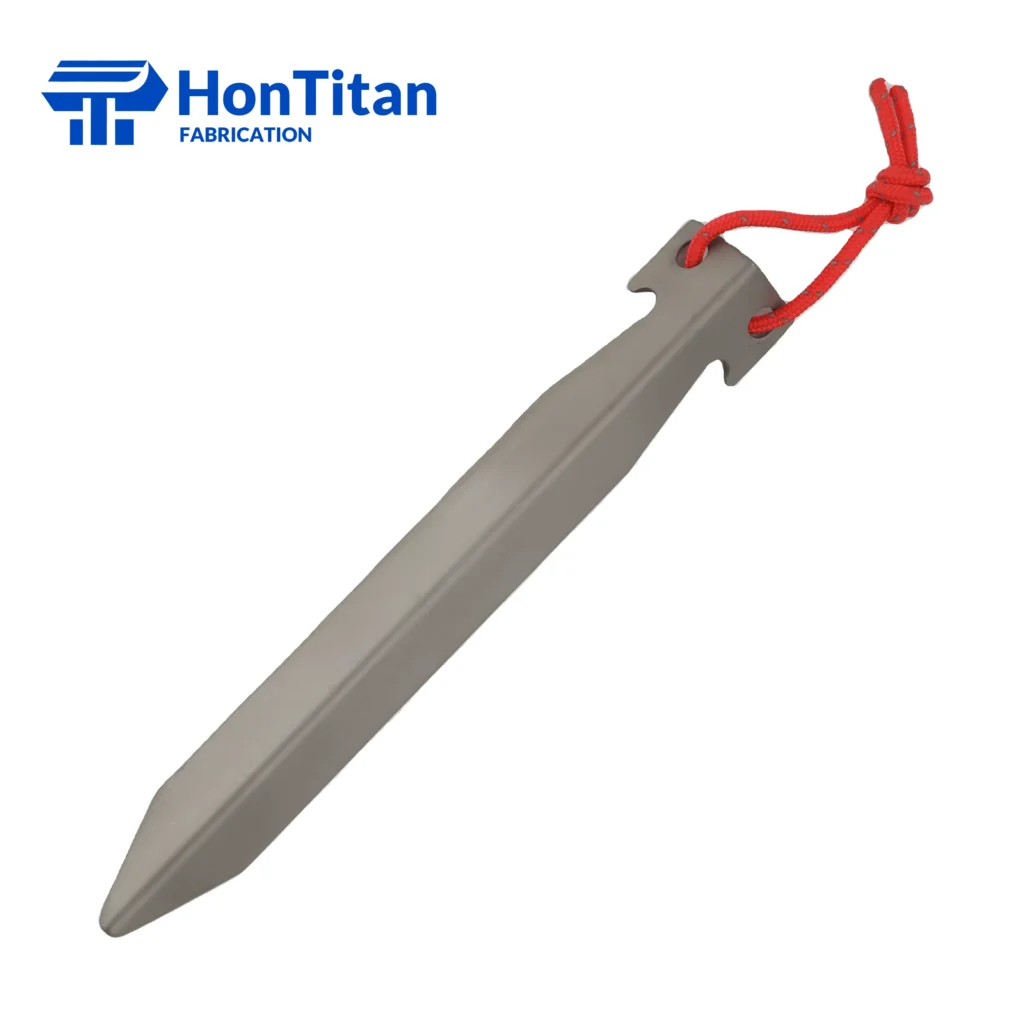
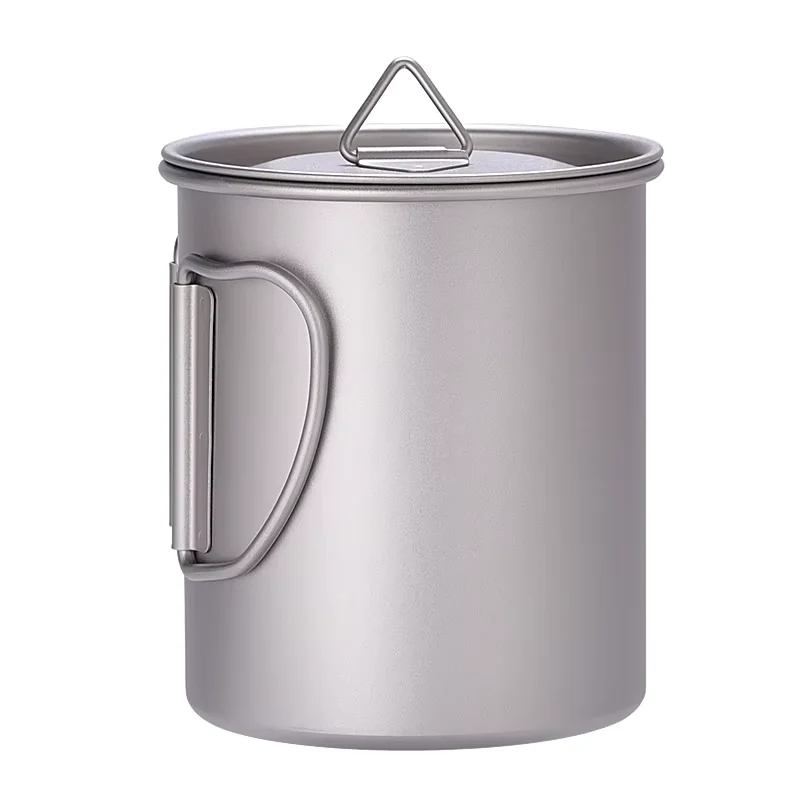
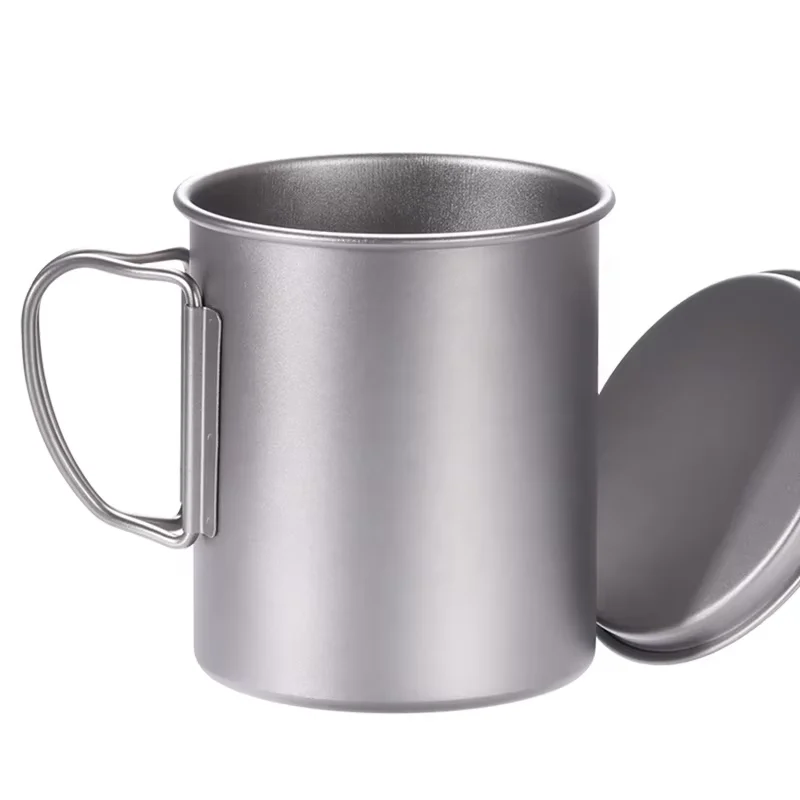
- Camping Gear: For ultralight hikers, a titanium mug is a holy grail item. It can be boiled directly over a fire, weighs almost nothing, and leaves no metallic taste.
🎨 The Aesthetic: Anodizing (Color without Paint)
Ever seen titanium jewelry or bolts in vivid purples, blues, or golds? That’s not paint. Through a process called Anodizing, electricity is used to vary the thickness of the oxide layer on the metal’s surface. This refracts light differently (like oil on water), creating a rainbow of permanent colors.

Comparison & Buying Guide
Not All Titanium is Equal: Grade 2 vs. Grade 5
Before you buy, know what you are paying for.
- Grade 2 (Commercially Pure): The workhorse. It is corrosion-resistant and ductile (easy to bend). You’ll find this in industrial pipes and some jewelry.
- Grade 5 (Ti-6Al-4V Alloy): The “superhero.” Mixed with 6% Aluminum and 4% Vanadium, it is significantly harder and stronger. This is what goes into jet engines and high-end knives.
Titanium vs. Steel vs. Aluminum (The Ultimate Showdown)
| Feature | Titanium | Stainless Steel | Aluminum |
|---|---|---|---|
| Weight | Moderate (Light) | Heavy | Very Light |
| Strength | Very High | High | Low/Moderate |
| Cost | $$$ (High) | $ (Low) | $ (Low) |
| Corrosion | Excellent | Good | Fair |

The Downsides: Is Titanium Perfect?
Let’s be honest—titanium isn’t perfect.
- The Price Tag: It is expensive to extract (using the Kroll process) and notoriously difficult to machine. It destroys cutting tools, which drives up the manufacturing cost.
- Scratches: While titanium is strong (hard to break), it is not necessarily hard (scratch-proof). A polished titanium watch will pick up scratches over time, developing a unique patina. If you want scratch-proof, look for coated titanium or ceramic.
How to Identify Real Titanium
- The Magnet Test: Real titanium is not magnetic. If it sticks, it’s steel.
- The Weight Test: It should feel lighter than steel but heavier than plastic or aluminum.
- The Spark Test (Pro Only): If you grind it, titanium throws out brilliant, blinding white sparks (unlike the orange sparks of steel).

Conclusion
Titanium is more than just a buzzword in a tech spec sheet. It is an engineering marvel that allows us to explore the deepest oceans, fly faster than sound, and even walk pain-free again.
While it comes with a premium price tag, its durability often makes it the most economical choice in the long run. Whether you are choosing a wedding ring, a camping mug, or a dental implant, choosing titanium means choosing a material that is built to last a lifetime.
Frequently Asked Questions (FAQ)
Q: Is titanium stronger than steel?
In terms of raw hardness, high-grade steel can be harder. However, titanium has a much higher strength-to-weight ratio. It provides steel-like strength at half the weight.
Q: Does titanium rust?
Practically never. In natural environments (air, rain, seawater), titanium is immune to rust.
Q: Why is titanium so expensive?
It’s not rare, but it is hard to refine. The extraction process must be done in a vacuum to prevent contamination, which consumes huge amounts of energy.