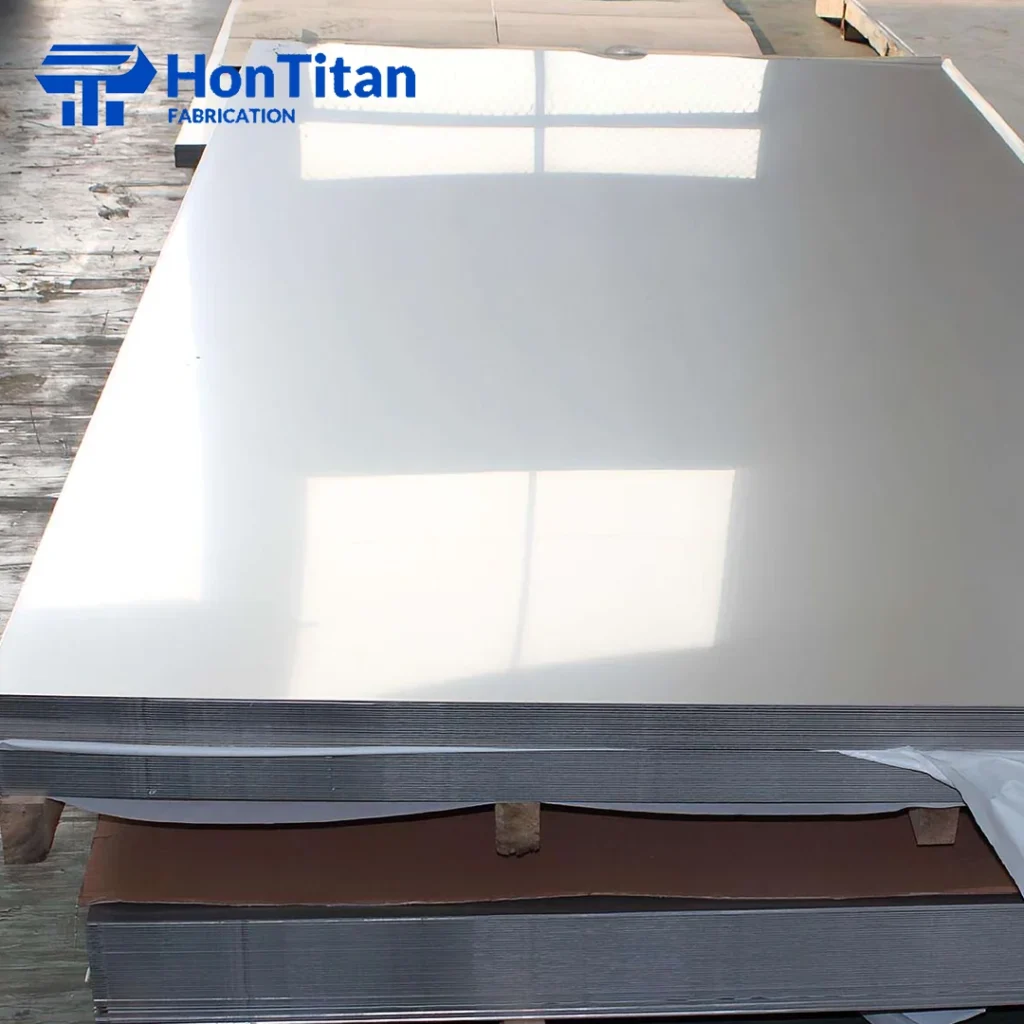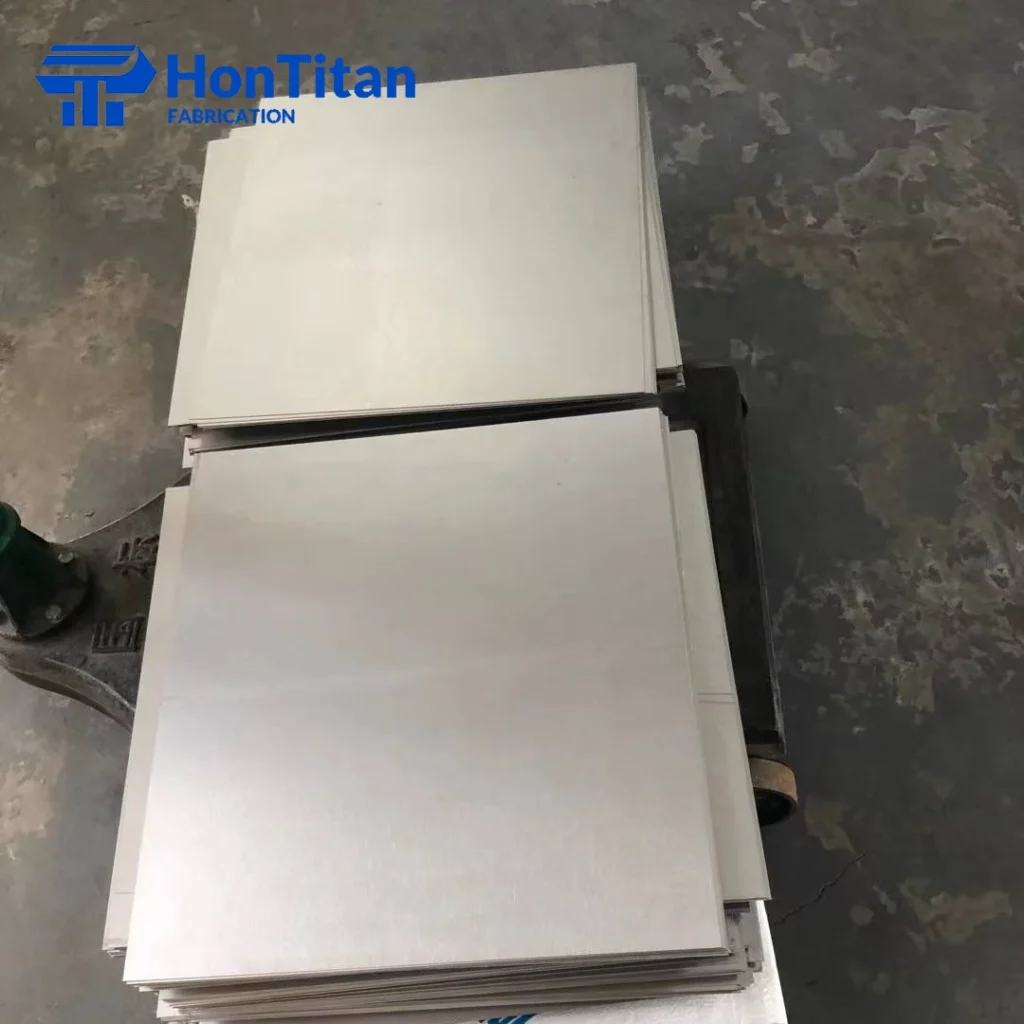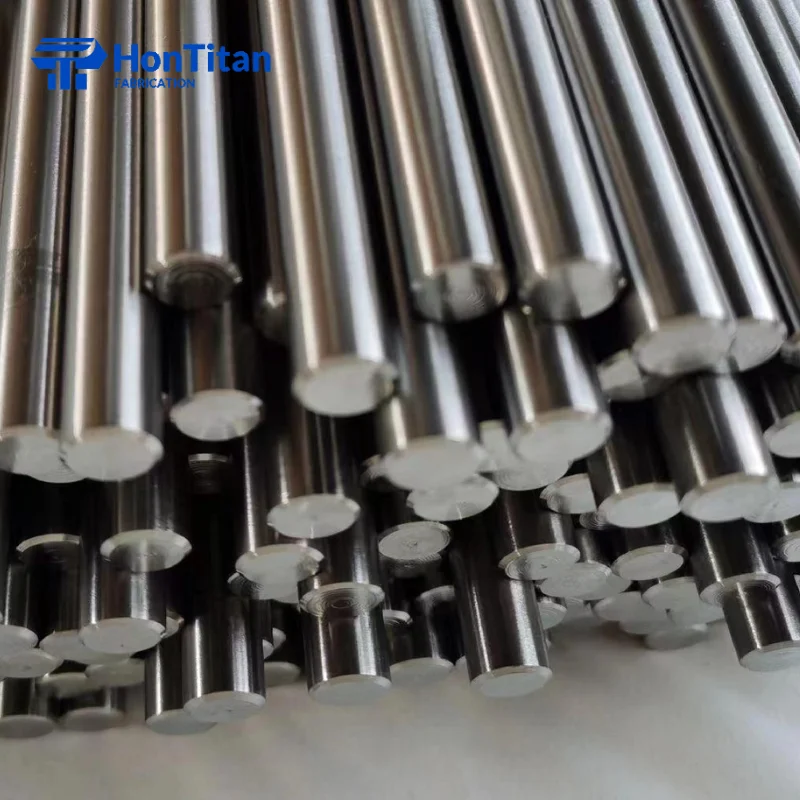
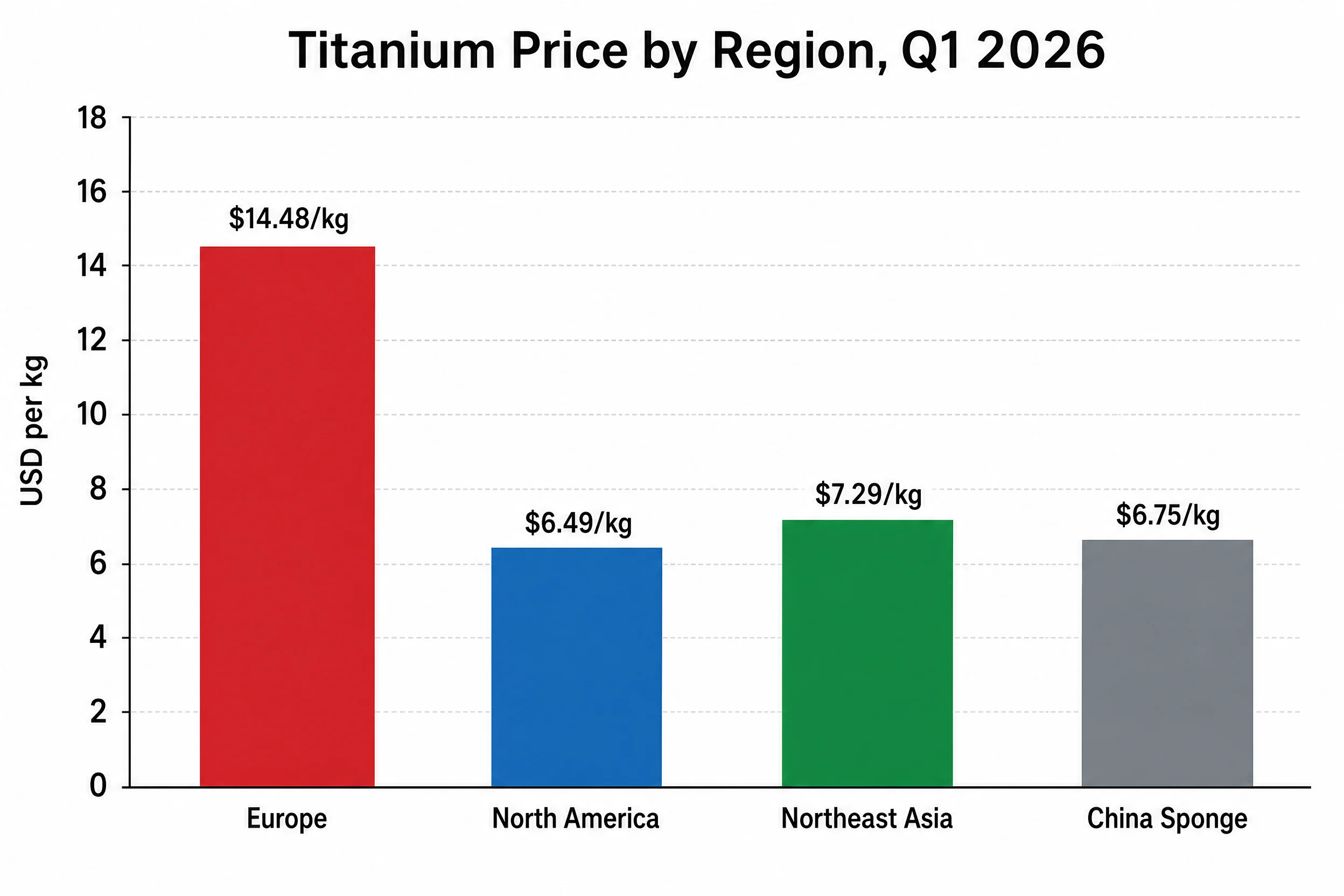
Titanium prices in 2026 vary enormously by grade and region — from roughly $6.50/kg for Chinese sponge up to $66/kg for aerospace-grade Ti-6Al-4V bar in Western markets. The headline divergence: Europe is paying $14.48/kg (Q1 2026 average) while North America sits at $6.49/kg, a 2.2x gap driven by post-Russia sourcing anxiety and mill product scarcity. The most underreported story is VSMPO-AVISMA — the world’s largest single titanium producer — whose 2025 net profit collapsed 83x to just 203 million rubles. If that company restructures or reduces exports, Western aerospace faces a supply shock at a moment when Boeing and Airbus backlogs are already straining capacity. This article tracks current prices by grade, explains the regional divergence, and gives procurement teams a framework for contract timing in H2 2026.
What Is Titanium Trading At Right Now?
Titanium does not trade on a central exchange like copper or aluminum. There is no single “titanium spot price.” What you get instead is a patchwork of regional assessments, domestic Chinese quotations, and contract-based Western pricing — which is exactly why buyers get confused when they see prices ranging from $6 to $66/kg in the same search results.
Here’s how to read the market as of mid-2026:
China sponge (the upstream benchmark): In July 2026, grade 0 sponge in China is trading at approximately 48,000–49,000 CNY/metric ton, or roughly $6.75/kg. That is down 7.92% year-over-year per Trading Economics, reflecting domestic overcapacity. In November 2025, Intratec tracked FOB China sponge at $5,740/mt ($5.74/kg) — Chinese prices have recovered modestly since then.
Western contract prices: The Argus Media FOB China titanium sponge index (launched January 2025) tracks Chinese sponge at $5.74–$6.78/kg. For CP Grade 2 ingot delivered to Western buyers, Argus Media assessed contracts at $11.50–$12.50/kg CIF in 2024 — still the relevant baseline for Western aerospace procurement.
US producer pricing: The BLS Producer Price Index for titanium and titanium alloy mill shapes (WPU102505) reached an index value of 235.243 in May 2026 (base year 1982 = 100). US ex-works prices for CP titanium bar and sheet run approximately $18–$20/kg at Midwest service centers.
The 2025 baseline shift: Full-year 2025 prices moved in dramatically different directions depending on where you buy. Expert Market Research tracked global average prices up 16.2% in 2025. Europe jumped 36.5%. North America fell 0.8%. Northeast Asia rose only 2.0%. Those gaps did not close entering 2026.
Grade-by-Grade Price Breakdown (2026)
Every article that quotes “titanium price” as a single number is averaging together products that bear almost no relationship to each other in actual procurement. A buyer sourcing Grade 2 sheet for industrial heat exchangers and a buyer sourcing Grade 5 bar for aircraft engine components are operating in different markets, with different suppliers and different price dynamics.
Here is the full spectrum as of mid-2026, drawing on Intratec, SMM, Argus Media, Accio, and Chalco Titanium data:
| Grade / Form | Specification | Typical Price Range (USD/kg) | Region / Basis |
|---|---|---|---|
| Sponge Grade 0 | 99.7%+ purity | $6.30–$6.58 | China domestic spot (SMM) |
| Sponge Grade 1 | 99.5%+ purity | $6.58–$6.99 | China domestic spot (SMM) |
| CP Grade 2 ingot (China FOB) | TA2 / ASTM B265 | ~$7.26–$7.40 | China ex-works (SMM) |
| CP Grade 2 ingot (Western CIF) | ASTM B265 | $11.50–$12.50 | Argus Media, 2024 contracts |
| CP bar TA1 (20–40mm, China) | TA1 bar stock | $12.91–$14.14 | Chalco Titanium, June 2025 |
| CP bar TA1 (USA ex-works) | ASTM B348 | ~$18–$20 | Midwest service center |
| Grade 5 (Ti-6Al-4V) ingot | TC4, China domestic | $8.22–$8.36 | SMM, Nov 2025 |
| Grade 5 (Ti-6Al-4V) bar (China) | TC4 bar 20–40mm | $15.37–$16.60 | Chalco Titanium, June 2025 |
| Grade 5 sheet/plate (China export) | — | $25.50–$35.50 | Accio B2B |
| Grade 5 aerospace bar (Western) | AMS 4928 | $45–$66 | B2B guide price |
| Grade 23 (Ti-6Al-4V ELI) medical | ASTM F136 | $48–$60+ | Accio; medical implant supply |
| ASTM F67 medical CP | Medical implant grade | $48–$52 | Accio |
| Titanium welded pipe (China) | Standard industrial | ~$17 | SMM (115–125 CNY/kg) |
A few things worth noting from this table:
The China vs. West gap is structural, not cyclical. Chinese Grade 5 ingot at $8.22–$8.36/kg looks like a bargain compared to AMS 4928-spec Western aerospace bar at $45–$66/kg. But the gap is not arbitrage — it is qualification. Defense contractors in the US must comply with DFARS (Defense Federal Acquisition Regulation Supplement), which restricts use of specialty metals from non-allied countries. Chinese-origin titanium does not qualify for US defense or most commercial aerospace programs regardless of price.
Grade 5 is the market. Ti-6Al-4V (Grade 5) accounts for roughly 50% of all titanium metal consumption by volume. Its price — particularly in the Western aerospace-grade form — is the signal that matters most for the industry’s direction.
Medical grades command a premium over equivalent mechanical grades primarily because of the supply chain documentation (traceability, lot certifications, ASTM F67/F136 compliance) not the raw material composition.
Regional Price Divergence: Why Europe Pays Twice What North America Does
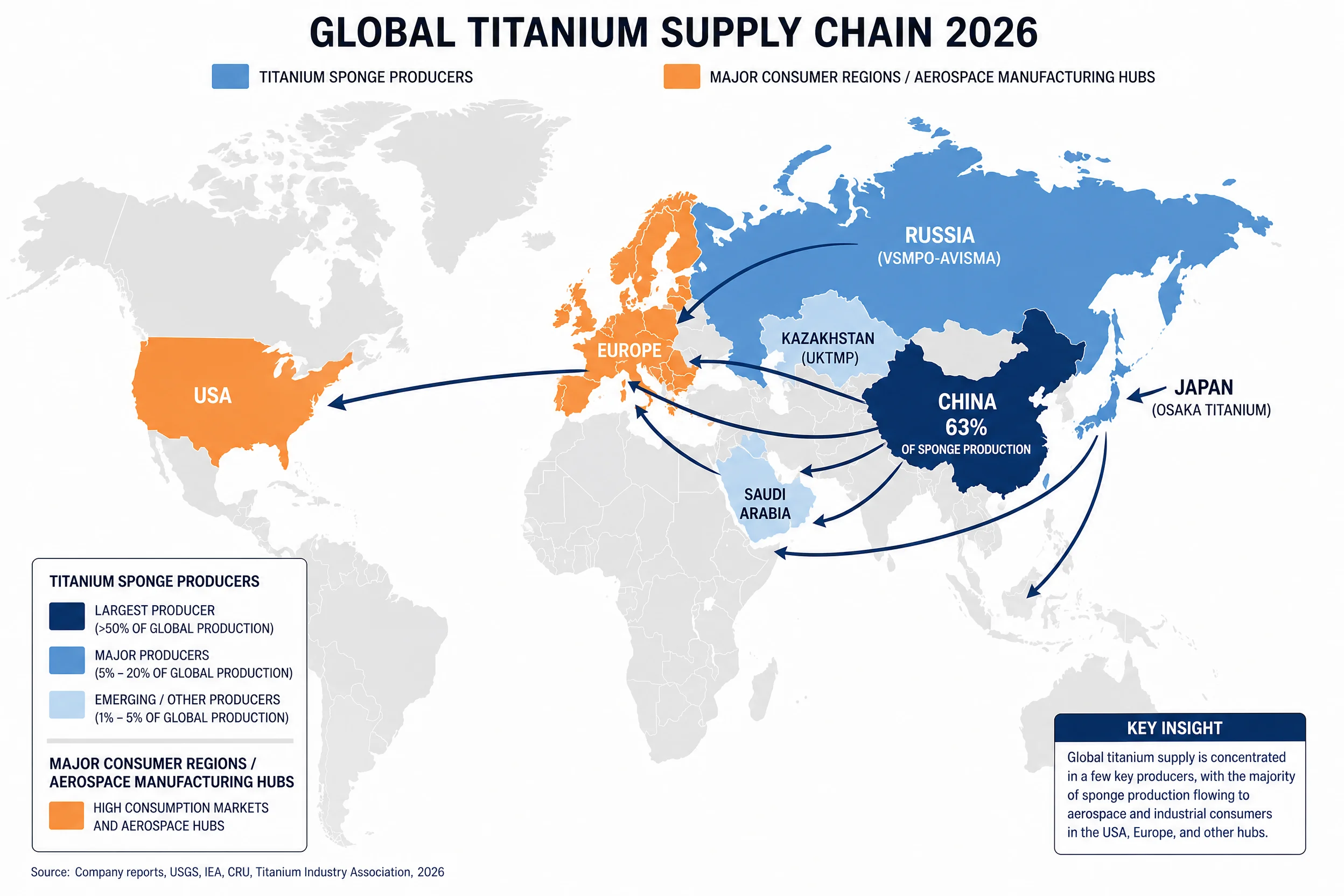
Europe is paying roughly 2.2x what North American buyers pay for equivalent titanium forms in 2026. Expert Market Research’s Q1 2026 data shows Europe at $14.48/kg and North America at $6.49/kg for comparable titanium product baskets. That gap is not a rounding error or data inconsistency — it reflects a structural difference in how each region sources its supply.
Here is the mechanism:
Russia was the West’s insurance policy. For decades, VSMPO-AVISMA supplied approximately 30–35% of global aerospace titanium. European manufacturers — Airbus, Safran, Leonardo, MTU — were particularly dependent. As of mid-2026, Airbus still sources an estimated 20% of its titanium from Russia, though that figure has been declining since 2022.
North America diversified earlier and faster. ATI (Allegheny Technologies) operates integrated US titanium production — sponge to mill products — under long-term aerospace contracts. Boeing signed expanded supply agreements with ATI in 2025. US buyers who locked in domestic contracts before the Russia-Ukraine war began are now paying index prices that haven’t moved much. North America’s -0.8% price change in 2025 reflects exactly this: a region that is largely insulated by domestic supply agreements.
Europe is sourcing the difference at a premium. Post-2022, European buyers that can’t source enough from Russia have turned to Japan (Osaka Titanium, Toho Titanium), Kazakhstan, and spot purchases from Western distributors — all at premium to pre-war pricing. The EU’s energy costs and logistics also add to the base. Europe’s +36.5% price increase in full-year 2025 is the cost of that transition, and it’s not finished.
Northeast Asia sits in the middle. Japanese and Korean manufacturers have access to domestic Japanese sponge — Japan’s combined sponge capacity is 65,200 mt/yr across Osaka Titanium (~40,000 mt/yr) and Toho Titanium, with 2024 national output of 55,000 mt — at competitive pricing, while also being able to source Chinese material for non-critical applications. The 2% 2025 increase and $7.27–$7.55/kg 2026 range reflects this balance.
The Europe-North America gap is forecast to persist through 2026 and possibly narrow only slightly: Expert Market Research projects Europe full-year 2026 at $14.40–$15.70/kg, North America at $6.45–$7.02/kg.
VSMPO-AVISMA: The Elephant in the Supply Chain
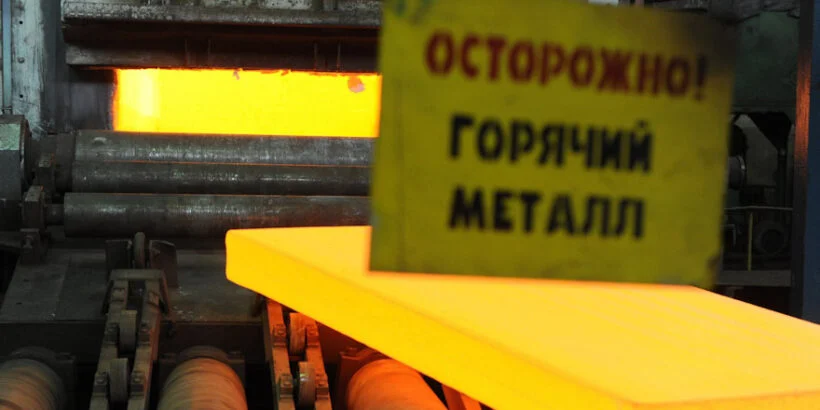
This is the titanium story that virtually no English-language publication has connected to 2026 pricing — yet it may be the most consequential supply development in the market.
VSMPO-AVISMA, headquartered in Verkhnaya Salda, Russia, is the world’s largest single producer of titanium mill products. At peak, it supplied approximately 37% of global aerospace titanium — roughly 40% of Boeing’s titanium and up to 60% of Airbus’s at its height — including major contracts with virtually every Western engine manufacturer.
In May 2026, VSMPO published its IFRS financial results for 2025. The numbers tell a company in serious distress:
- Revenue fell 18% to 96.8 billion rubles (approximately $1.06B at current exchange rates)
- Net profit collapsed from 16.85 billion rubles in 2024 to 203 million rubles in 2025 — a decline of 83 times, or approximately 99%
- The company cut its non-production staff to a four-day workweek effective December 1, 2025 through May 2026 (announced October 20, 2025), with Rostec (the state conglomerate that owns it) publicly acknowledging that production capacity “is not fully loaded”
- Domestic Russia/CIS sales fell 23%; export sales to non-CIS countries fell 15%
What caused this? Multiple factors converged:
- Western aerospace buyers have been diversifying away from VSMPO since 2022. Boeing cut its VSMPO contract to near-zero. Airbus has been reducing, but more slowly. The lost Western aerospace volume is hard to replace domestically — Russia’s commercial aviation sector has collapsed due to sanctions.
- Russia’s domestic aviation market no longer buys Western-designed aircraft. The titanium that used to go into Boeing 787s or Airbus A320s for Russian airlines is no longer needed. Russian aviation is flying aging Soviet-era designs on cannibalized parts.
- The Russia-Ukraine war has isolated VSMPO from its previous customer base even without formal sanctions. Western aerospace companies face reputational and political pressure even where no legal prohibition exists.
Why this matters for 2026 pricing:
VSMPO is not currently under formal US or EU sanctions — it was deliberately excluded because Western aerospace lobbied hard against sanctions that would spike their own input costs. Airbus reportedly still sources approximately 20% of its titanium from Russia as of mid-2026.
But VSMPO’s financial collapse creates a different kind of risk: operational degradation. A company running on a four-day week with 83x lower profits cannot maintain capital equipment, retain skilled metallurgists, or fund the qualification testing that aerospace customers require. Even without sanctions, the practical question is whether VSMPO can continue to supply at the quality and volume that Western aerospace needs.
If Western buyers are forced to fully replace VSMPO volume — whether by regulatory change or VSMPO’s own capacity degradation — the estimated price impact for European aerospace-grade titanium is 20–40% above current contract levels, based on analysis by commodity consultancy Project Blue (cited by AeroTime).
The China Overcapacity Paradox
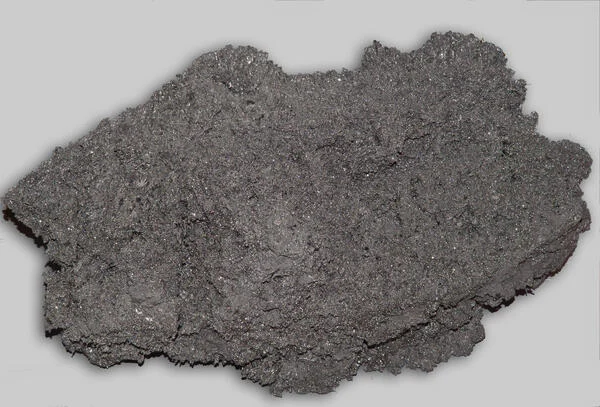
China produces more titanium than anyone else — yet it can’t solve the West’s titanium problem.
China’s sponge output reached approximately 270,000 metric tons in 2025, up 4.42% year-over-year per SMM data. China accounts for roughly 63% of global titanium sponge production. And yet European aerospace buyers are paying $14+/kg while Chinese domestic prices sit at $6.75/kg. The gap is not a market failure — it is a deliberate structural wall.
The qualification barrier. Western aerospace titanium must meet strict metallurgical specifications: AMS 4928 for Ti-6Al-4V in aerospace, ASTM F67/F136 for medical implants. These specifications require not just chemistry compliance but documented supply chain traceability — known ingot origins, certified heat numbers, third-party inspection. Chinese sponge currently does not consistently meet the documentation and traceability requirements that Western aerospace prime contractors demand. Qualification of a new titanium source typically takes 2–5 years.
The DFARS wall. US Department of Defense contracts require specialty metals — including titanium — to originate from the US, its qualifying countries, or specified allied nations. China is not on that list. US defense contractors using Chinese titanium in DFARS-covered programs face contract termination risk.
But China is growing its footprint in non-critical applications. US imports of Chinese titanium grew from 154 metric tons in 2023 to 1,068 metric tons in 2024 — a 7x increase, mostly for industrial, chemical processing, and consumer applications not covered by DFARS or aerospace qualification requirements. For buyers in these segments, Chinese-origin material at $7–$9/kg CIF represents a real cost advantage over Western alternatives.
The domestic China oversupply picture. SMM’s July 2026 analysis notes a divergence within China: Panxi-region TiO₂ producers are cutting prices to 14,000–15,000 CNY/mt, while east China producers hold at 15,500–16,500 CNY/mt. Sponge prices have been declining into summer 2026 due to seasonal demand softness and excess capacity. If China’s overcapacity persists, it will continue to push Chinese domestic prices lower — but this will not translate into lower Western aerospace prices as long as the qualification and DFARS barriers remain.
Demand Drivers Keeping Aerospace-Grade Prices Elevated
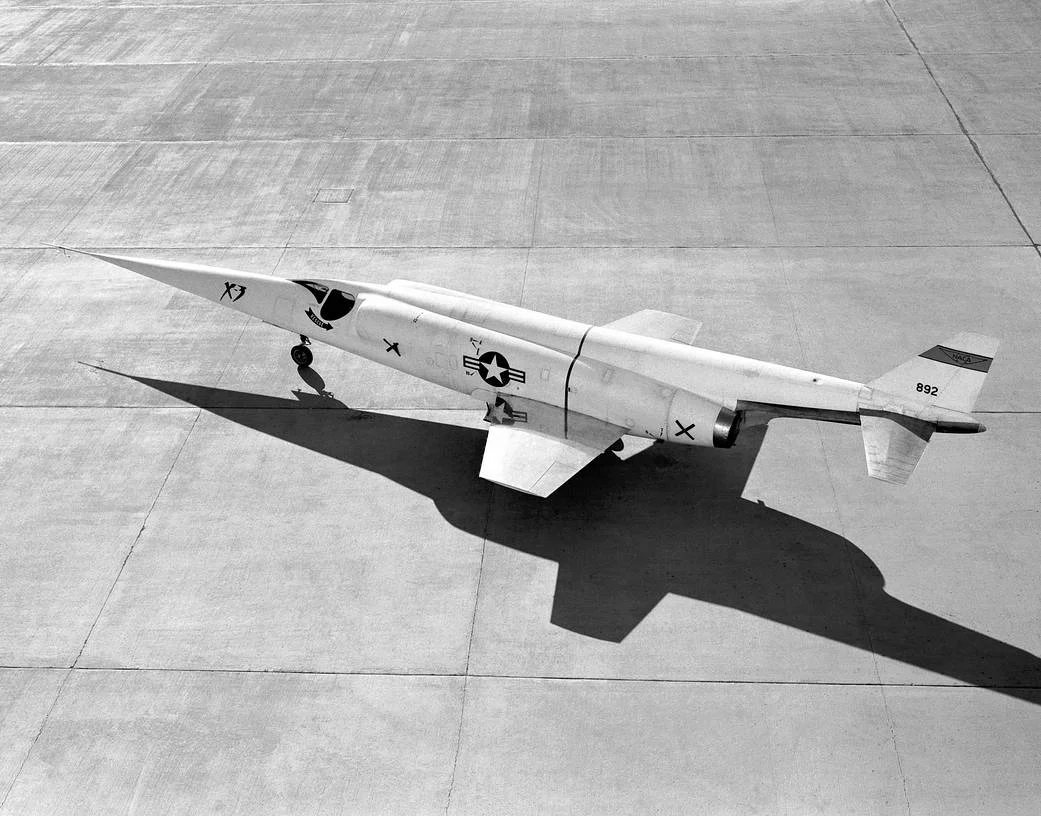
The demand side of the titanium market in 2026 is a story of concentrated strength in aerospace and defense, with softer performance in medical and industrial segments.
Aerospace: the dominant force. Aerospace consumes approximately 45% of global titanium by volume, and the 2026 demand signal is unambiguously strong. Boeing’s 737 MAX and 787 Dreamliner production backlogs remain enormous. Airbus A320neo family deliveries continue at near-record rates. The engine programs feeding these aircraft — GE Aerospace’s GEnx and LEAP, RTX’s GTF, Rolls-Royce’s Trent XWB — are all heavy consumers of Ti-6Al-4V. ATI’s FY2025 jet engine segment revenue grew 21% year-over-year, the clearest financial signal that aerospace titanium demand is running ahead of where it was pre-pandemic.
Defense: a growing tailwind. NATO expansion and increased defense budgets across Europe and North America are adding a new demand layer on top of the commercial aerospace baseline. ATI’s defense revenue grew 14% year-over-year in FY2025 to $557.7 million. Titanium applications include airframe components for F-35 production (approximately 25% titanium by weight per Lockheed Martin), naval shipbuilding, and a range of missile and munitions programs. The Ukraine war has accelerated procurement timelines across multiple NATO members.
Medical: near-term softness, long-term intact. The medical segment is the one place where demand has disappointed. ATI’s medical segment revenue fell from $224.9 million in FY2024 to $139.4 million in FY2025, driven by customer inventory destocking at orthopedic and spinal implant manufacturers. The underlying demand for titanium implants — driven by aging demographics across Western and East Asian markets — has not changed; buyers simply over-purchased during 2022–2023 and are working through stock. Medical demand is expected to recover in 2027.
Industrial and consumer applications: price-sensitive, China-sourced. For heat exchangers, chemical processing equipment, sports equipment, and consumer electronics, buyers are increasingly turning to Chinese-origin material at $7–$12/kg for non-critical grades. This segment’s demand is more elastic to price and less dependent on Western supply chains.
ATI’s 2026 guidance as a leading indicator. ATI guided for FY2026 adjusted EBITDA of $975 million to $1.025 billion, up from $859 million in FY2025, with EPS of $3.99–$4.27. For buyers trying to read the market, ATI’s pricing power is the best real-time indicator of whether Western aerospace-grade titanium supply is tight or loose. A company guiding to 18%+ EBITDA expansion is a company with pricing power, which means Western aerospace-grade supply is tighter than demand.
Titanium Price Forecast: What to Expect in H2 2026 and Beyond
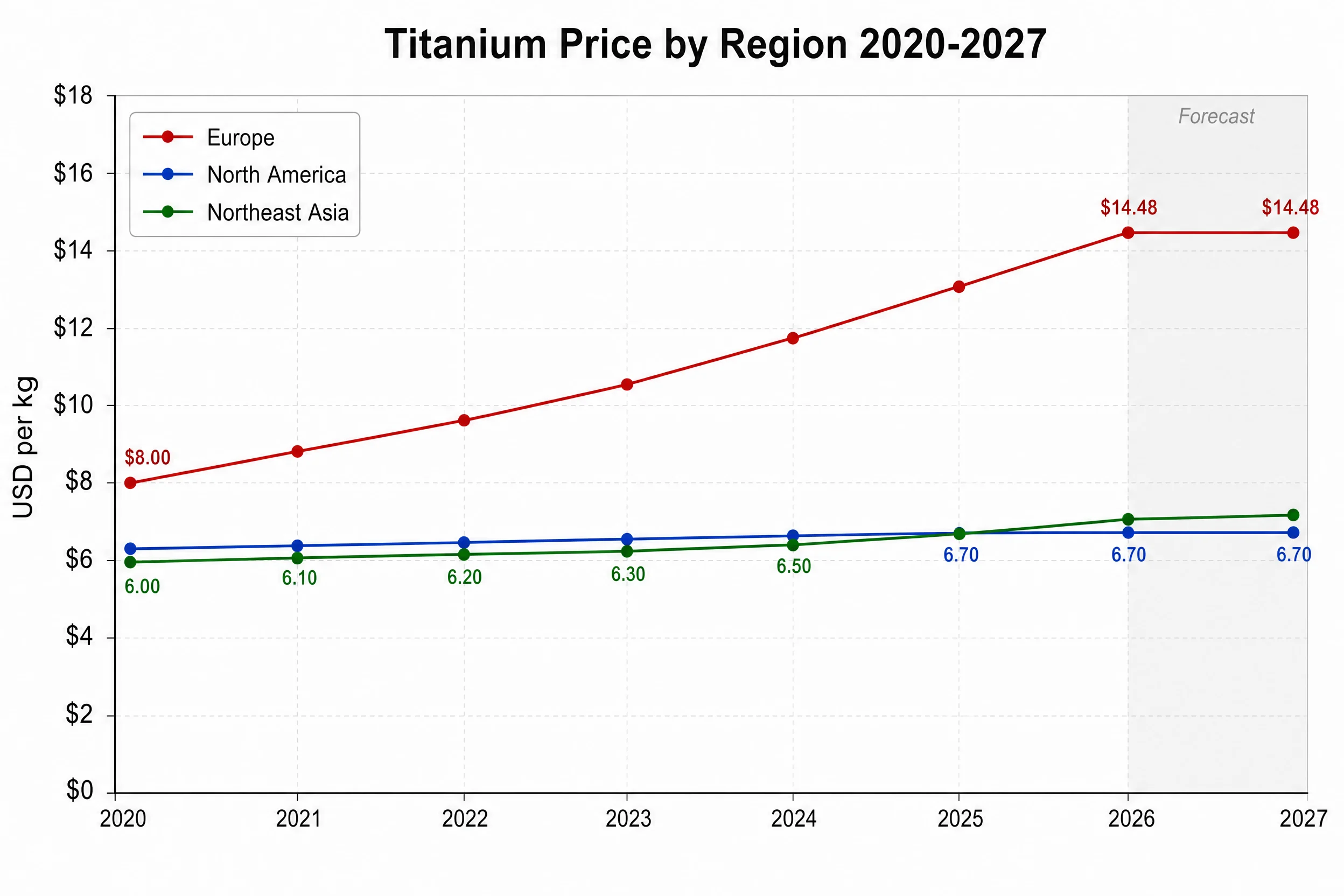
The consensus forecast for full-year 2026 is a modest increase in global average prices, with divergence across regions remaining the dominant story.
Expert Market Research’s Q1 2026 assessment and full-year projections:
| Region | Q1 2026 Actual | Full-Year 2026 Range | YoY Change |
|---|---|---|---|
| Europe | $14.48/kg | $14.40–$15.70/kg | Roughly flat to +8% vs. 2025 |
| Northeast Asia | $7.29/kg | $7.27–$7.55/kg | +2–4% |
| North America | $6.49/kg | $6.45–$7.02/kg | Flat to +8% |
| Global Average | $9.42/kg | $9.37–$10.09/kg | +2–6% |
The broader picture from Accio’s aggregated source analysis: Global average titanium prices for 2026 are forecast at $8.80–$10.50/kg, with the wide range reflecting ongoing uncertainty around Russia supply and aerospace demand variability.
What could push prices higher than forecast:
- VSMPO reducing exports materially due to financial distress or regulatory pressure
- Any formal EU or US sanctions covering titanium
- Boeing or Airbus accelerating production rates beyond current supply commitments
- ATI or another Western producer experiencing a capacity disruption (fire, labor action, equipment failure)
What could push prices lower:
- A prolonged commercial aerospace production plateau or demand slowdown
- China successfully qualifying sponge into Western supply chains for non-DFARS applications (gradual, multi-year process)
- Saudi Arabia’s AMIC facility ramping production faster than expected — 15,000 mt/year capacity already online
- Medical segment destocking extending into 2026, softening demand for medical-grade alloys
The VSMPO wildcard. Standard forecasts assume Russian supply continues at reduced but stable levels. If that assumption breaks — through sanctions, self-imposed production cuts, or financial restructuring that forces capacity offline — Europe faces a genuine supply shock. That scenario is not in the base case of any current forecast, which means current European pricing may actually be too low if the political environment shifts.
Longer-term trajectory. Mordor Intelligence forecasts global titanium production volume at 238.8 kt with 5.81% CAGR through the late 2020s. Fortune Business Insights values the titanium mill products market at $2.96 billion in 2026. The 360iResearch full value chain estimate (including fabricated parts) reaches $26.11 billion. The structural growth story — driven by aerospace, defense, and medical — remains intact regardless of the near-term cyclical moves.
Procurement Timing: Should You Lock In Contracts Now?
The short answer depends heavily on which segment you are buying for and where you are located. Here is a practical framework based on current market conditions as of mid-2026:
If you are a Western aerospace or defense buyer:
Lock in forward contracts now, particularly for Ti-6Al-4V mill products. The reasons: ATI’s strong pricing power signals tight supply in this segment; the VSMPO uncertainty is not priced into most contracts yet; and the longer you wait, the more you are exposed to a potential supply shock. If you already have multi-year agreements with ATI, TIMET, or a Western service center at pre-2026 rates, hold them.
If you are a European industrial or non-aerospace buyer:
European prices are at peak levels ($14.40–$15.70/kg range for 2026). The question is whether they go higher or start to normalize. If your application allows Chinese-origin material and you have no DFARS or AMS qualification constraints, exploring Chinese sponge or CP-grade material through bonded warehouses at $8–$10/kg CIF might cut your input cost by 30–40%. The qualification work takes time, but for new product development, starting that process now makes sense.
If you are a North American non-defense buyer:
The North American market is the most stable globally right now — essentially flat year-over-year. There is no urgent pressure to lock in; the market is not in contango (prices rising sharply into the future). Standard 12-month agreements at current rates are reasonable. Avoid over-hedging at spot if you expect volumes to vary.
If you are buying medical-grade titanium:
Wait if you can. The medical segment is in destocking — ATI’s medical revenue fell 38% in FY2025. That inventory clearing will eventually end, but the near-term price pressure in this segment is toward stability or modest softening.
Seasonality: Chinese titanium prices historically soften in Q3 (summer) as construction and industrial demand slows domestically. The current July 2026 spot softness (down 2% MoM) is consistent with that pattern. For buyers who can source Chinese-origin material, Q3 is typically the best entry point.
One caveat on all of the above: Titanium is not a commodity you stock speculatively. The carrying cost, storage constraints, and qualification traceability requirements make titanium inventory management different from, say, copper or aluminum. Procurement timing recommendations are always secondary to matching your actual production requirements.
Frequently Asked Questions
What is the price of titanium per kg in 2026?
It depends on the grade, form, and region. Chinese sponge trades at approximately $6.50–$6.99/kg domestic. CP Grade 2 ingot runs $11.50–$12.50/kg CIF at Western contracts. Grade 5 (Ti-6Al-4V) aerospace bar in Western markets is $45–$66/kg. Europe pays roughly 2.2x what North America pays for equivalent materials due to sourcing constraints following Russia’s reduced supply.
What grade of titanium is used in aerospace?
Ti-6Al-4V (Grade 5, also called TC4 in China) is the workhorse alloy — approximately 50% of all titanium metal consumption. For airframe structures, AMS 4928 bar and billet. For engine components, AMS 4928 and similar AMS specs. For medical implants, Grade 23 (Ti-6Al-4V ELI, ASTM F136) and CP Grade 4 (ASTM F67) are most common.
Why is titanium more expensive in Europe than in North America or Asia?
Europe’s premium reflects post-2022 sourcing disruption. European manufacturers historically sourced 20–35% of their titanium from Russia’s VSMPO-AVISMA. As they reduce that dependency — driven by political pressure even without formal sanctions — they are paying premiums for Japanese, Kazakhstani, and Western-origin material. North American buyers have domestic supply (ATI, TIMET) under long-term contracts, insulating them from the same pressures.
Is titanium price going up or down in 2026?
Global average prices are forecast to rise modestly — from $9.42/kg in Q1 2026 to a full-year range of $9.37–$10.09/kg. But the direction varies by region: North America is essentially flat; Europe is elevated and expected to stay there; Northeast Asia is inching up 2–4%. Chinese domestic sponge prices are actually declining in mid-2026 due to overcapacity. The most important near-term risk to this forecast is any disruption to VSMPO-AVISMA’s export operations.
What would happen to titanium prices if Russia gets sanctioned?
Commodity analyst Project Blue estimates Western aerospace-grade prices would rise 20–40% above current contract levels if VSMPO’s supply is cut. Europe would bear the most immediate impact. US defense and aerospace buyers would be more insulated due to existing domestic supply agreements, but supply tightness would cascade globally. The timeline for meaningful alternative supply to come online (new capacity from Japan, Saudi Arabia, or US) is 3–5 years minimum.
Can Chinese titanium be used in Western aerospace applications?
For non-DFARS commercial applications outside of prime aerospace: increasingly yes. Chinese titanium imports to the US grew 7x between 2023 and 2024, primarily for industrial and non-critical uses. For US defense programs (DFARS-covered) and most commercial aerospace prime contractor supply chains: no, due to qualification requirements, supply chain traceability standards, and regulatory restrictions. Chinese sponge does not currently carry the AMS certifications and lot documentation that Western aerospace demands.
What is the difference between titanium sponge price and ingot price?
Sponge is the raw output of the Kroll process — porous, calcium-depleted titanium that has not yet been melted into a solid form. Ingot is the first consolidated form, made by melting sponge in a vacuum arc remelter (VAR). Ingot commands a 15–25% premium over sponge because of the energy and process costs involved, plus it eliminates sponge porosity. Mill products (bar, plate, wire) are further processed from ingot and command the highest premiums.
Summary
Titanium’s 2026 market is less a single story than four parallel ones running simultaneously: Chinese domestic prices softening as overcapacity builds; European prices staying elevated as buyers re-route around Russia; North American prices stable but supply tight due to aerospace demand; and the VSMPO time bomb ticking quietly in the background. Any analysis that quotes a single “titanium price” without specifying grade, form, and region is giving you incomplete information.
For procurement professionals, the most important thing to monitor in H2 2026 is not the headline price index — it is VSMPO’s operational status. A company whose net profit fell 83x in a single year, running a four-day workweek, supplying a major portion of Western aerospace’s most critical structural metal, is a risk that markets have not yet fully priced. Watch for any changes in their export volumes through Argus Media’s FOB China and Russian titanium indexes.
The structural demand story — aerospace, defense, medical — is intact and growing. The supply security story is more fragile than any quarterly price table shows.