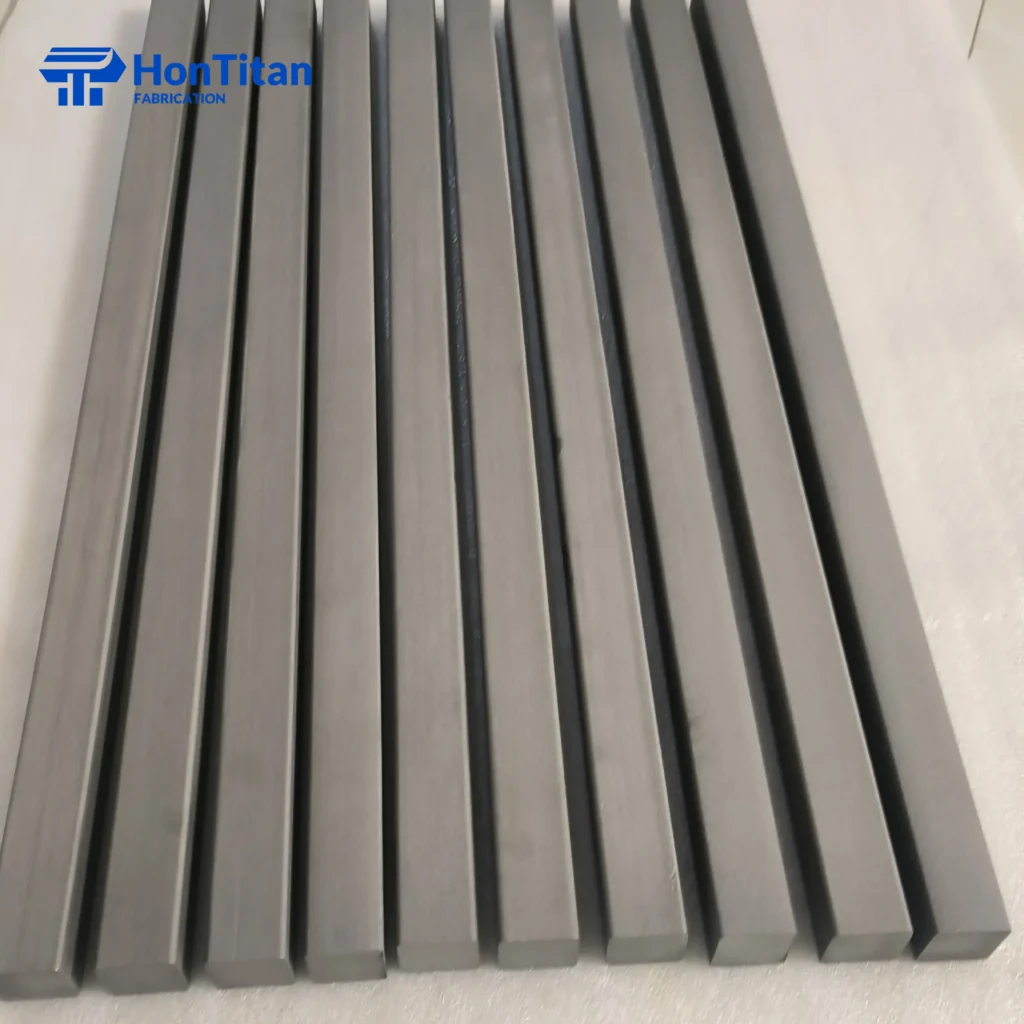
Commercially pure (CP) titanium and Ti-6Al-4V alloy are the two most widely used titanium grades in industry, but they serve very different purposes. CP titanium (Grades 1–4) is nearly pure metal — soft, highly corrosion-resistant, and easy to form and weld. Ti-6Al-4V (Grade 5) is an alpha-beta alloy with roughly 2.7× the tensile strength of Grade 2 CP titanium, making it the dominant choice in aerospace and high-load structural applications. The right choice depends on whether your application prioritizes corrosion resistance, biocompatibility, and formability (CP titanium) or structural strength and fatigue resistance (Ti-6Al-4V). This guide breaks down the key property differences and gives you a direct selection framework.
CP Titanium vs Ti-6Al-4V at a Glance
If you need a fast answer: choose CP titanium when corrosion resistance and formability matter most; choose Ti-6Al-4V when strength is the priority
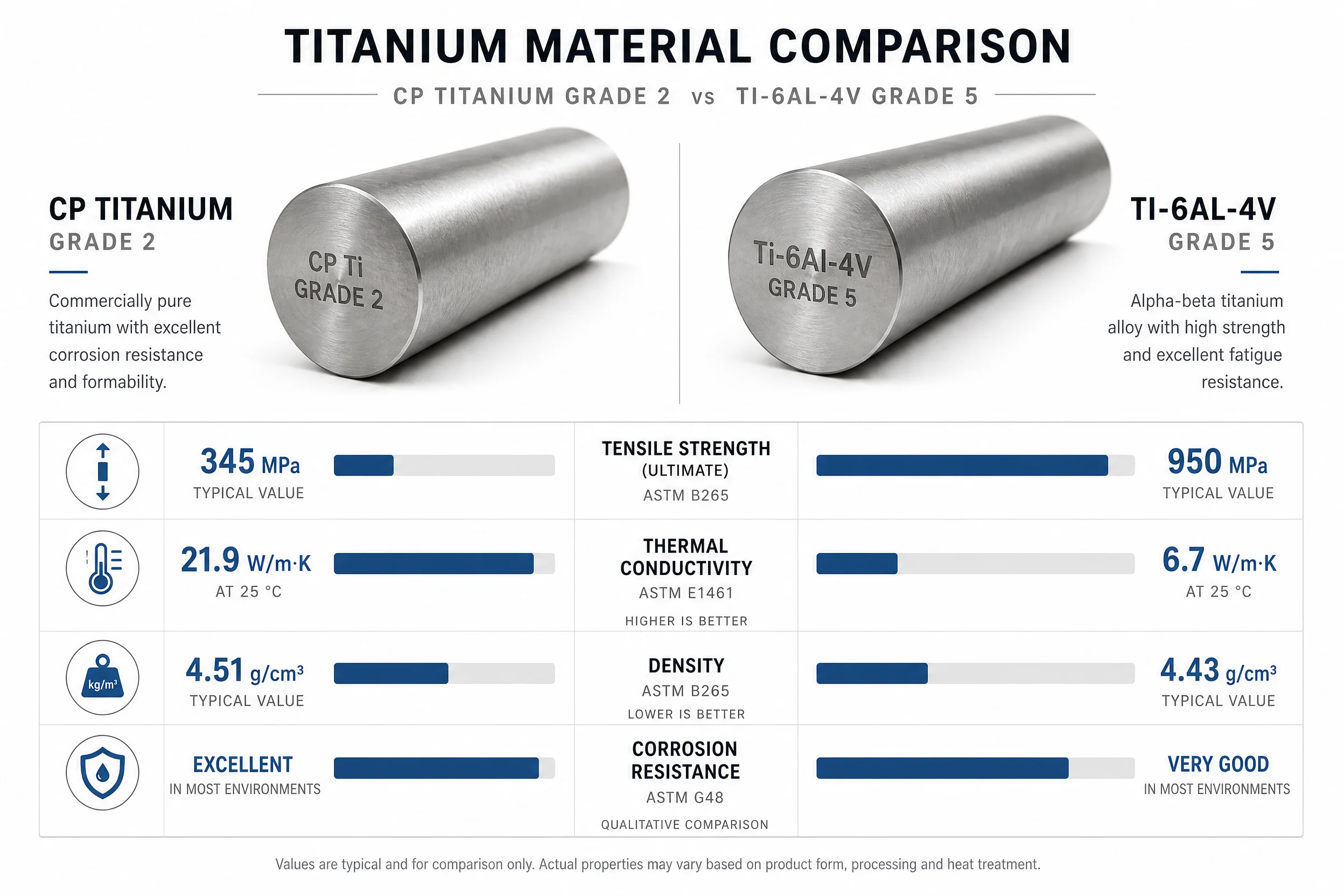
| Property | CP Titanium Grade 2 | Ti-6Al-4V Grade 5 |
|---|---|---|
| Titanium content | ~99.2% | ~90% (+ 6% Al, 4% V) |
| Tensile strength | 345–450 MPa | 895–1000 MPa |
| Yield strength | 275–410 MPa | 828–910 MPa |
| Elongation | 20–30% | 10–15% |
| Density | 4.51 g/cm³ | 4.43 g/cm³ |
| Thermal conductivity | ~16–22 W/m·K | 7.2 W/m·K |
| Hardness (HV) | 160–200 | 300–400 |
| Corrosion resistance | Excellent | Very Good |
| Weldability | Excellent | Good |
| Machinability | Moderate | More difficult |
| Raw material cost (approx.) | $8–15/lb | $20–35/lb |
| ASTM standard | B265 (Grade 2) | B265 (Grade 5) |
| Typical applications | Chemical processing, marine, dental implants | Aerospace, orthopedics, high-load fasteners |
One number worth pausing on: thermal conductivity. Grade 2 conducts heat at nearly 3× the rate of Ti-6Al-4V. That gap is invisible in a strength comparison but becomes the deciding factor if you’re engineering a heat exchanger or any component where heat transfer efficiency matters.
What Is Commercially Pure Titanium?
Commercially pure titanium is titanium in its unalloyed form — with only trace amounts of oxygen, iron, nitrogen, and carbon as controlled impurities. Four grades exist (ASTM Grades 1 through 4), and the key variable between them is oxygen content. More oxygen means higher strength and hardness but lower ductility.
| CP Grade | Min. Tensile Strength | Yield Strength | Oxygen Content (max) | Characteristics |
|---|---|---|---|---|
| Grade 1 | 240 MPa (35 ksi) | 138 MPa min | 0.18 wt% | Softest, most ductile, highest corrosion resistance |
| Grade 2 | 345 MPa (50 ksi) | 275 MPa | 0.25 wt% | Most widely used CP grade; balanced strength and formability |
| Grade 3 | 450 MPa (65 ksi) | 380 MPa | 0.35 wt% | Higher strength, moderate ductility |
| Grade 4 | 550 MPa (80 ksi) | 483 MPa | 0.40 wt% | Strongest CP grade; bridges toward alloy territory |
Grade 2 is the default workhorse — most industrial stock and pipe specifications default to it. Grade 4 is worth knowing because at 550 MPa tensile, it approaches the lower end of some specialty alloys. In dense medical implant applications where strength requirements are moderate and alloying elements must be avoided, Grade 4 fills a role that neither Grade 2 nor Ti-6Al-4V can.
All four CP grades are alpha-phase titanium, which means they cannot be strengthened by heat treatment the way Ti-6Al-4V can. Their strength ceiling is fixed by composition and cold work alone.
What Is Ti-6Al-4V Alloy?
Ti-6Al-4V — commonly called Grade 5 or simply “6-4” — is an alpha-beta titanium alloy containing approximately 6% aluminum and 4% vanadium by weight, with the balance being titanium. It accounts for more than 50% of all titanium produced worldwide, a dominance no other single titanium grade approaches.
The aluminum stabilizes the alpha phase (same crystal structure as CP titanium) and raises the strength-to-weight ratio. The vanadium stabilizes the beta phase, making the alloy heat-treatable — a property CP titanium grades do not have. Controlled heat treatment can push Ti-6Al-4V tensile strength above 1100 MPa in specific product forms, though the standard annealed condition runs 895–1000 MPa.
Ti-6Al-4V ELI (Extra Low Interstitials) is a cleaner variant used in medical implants. It reduces iron and oxygen limits compared to standard Grade 5, improving fracture toughness and fatigue resistance for cyclic-load applications like hip and knee replacements.
The alloy performs well up to approximately 350°C (660°F) in continuous service per conservative industry guidelines; some sources cite up to 400°C (750°F) depending on loading conditions. Above that range, alternative alloys such as Ti-6Al-2Sn-4Zr-2Mo are preferred for aerospace engine applications.
Mechanical Properties Compared
The central fact: at standard annealed condition, Ti-6Al-4V is approximately 2.7 times stronger than Grade 2 CP titanium by tensile strength — and that ratio holds reasonably across yield strength as well.
| Mechanical Property | Grade 1 CP | Grade 2 CP | Grade 4 CP | Ti-6Al-4V (Grade 5) |
|---|---|---|---|---|
| UTS (MPa) | 240 | 345–450 | 550 | 895–1000 |
| Yield strength (MPa) | 138 min | 275–410 | 483 | 828–910 |
| Elongation (%) | 24 | 20–30 | 15 | 10–15 |
| Hardness (HV) | ~120 | 160–200 | ~200–250 | 300–400 |
| Density (g/cm³) | 4.51 | 4.51 | 4.51 | 4.43 |
Two things in this table deserve attention.
First, density: Ti-6Al-4V is actually slightly lighter than CP titanium (4.43 vs 4.51 g/cm³). The aluminum and vanadium additions reduce overall density marginally. For weight-optimized aerospace structures, this matters at scale.
Second, elongation: CP titanium stretches considerably more before fracture (20–30% vs 10–15% for Grade 5). This isn’t a weakness — it’s why CP grades are preferred for deep-drawn or hydroformed parts, bellows, and any application where the metal must conform to complex shapes without cracking.
The fatigue performance story is more nuanced. Ti-6Al-4V’s higher strength translates to higher fatigue limits under cyclic load, which is why it dominates in rotating aerospace components and bone screws. CP titanium’s lower fatigue strength is acceptable in static or low-cycle environments.
Corrosion Resistance: Where CP Titanium Pulls Ahead
Both CP titanium and Ti-6Al-4V form a stable, self-renewing titanium oxide (TiO₂) passive layer that gives all titanium grades their well-known corrosion resistance. But in aggressive chemical environments, CP titanium — particularly Grade 2 — demonstrates an edge over the alloy.
Grade 2 CP titanium is virtually immune to wet chlorine across a temperature range of 10–80°C, corroding at just ~0.001 mm/year according to service data. It also resists calcium chloride, ferric chloride, and acetic acid at concentrations that would attack stainless steel, and performs well in high-temperature seawater.
Ti-6Al-4V is rated “very good” for corrosion resistance rather than “excellent.” The aluminum and vanadium additions can create micro-galvanic effects in certain concentrated acid environments, particularly hydrofluoric acid and strong reducing acids. In standard service environments like seawater and dilute chloride solutions, the difference is minimal and Grade 5 is entirely adequate.
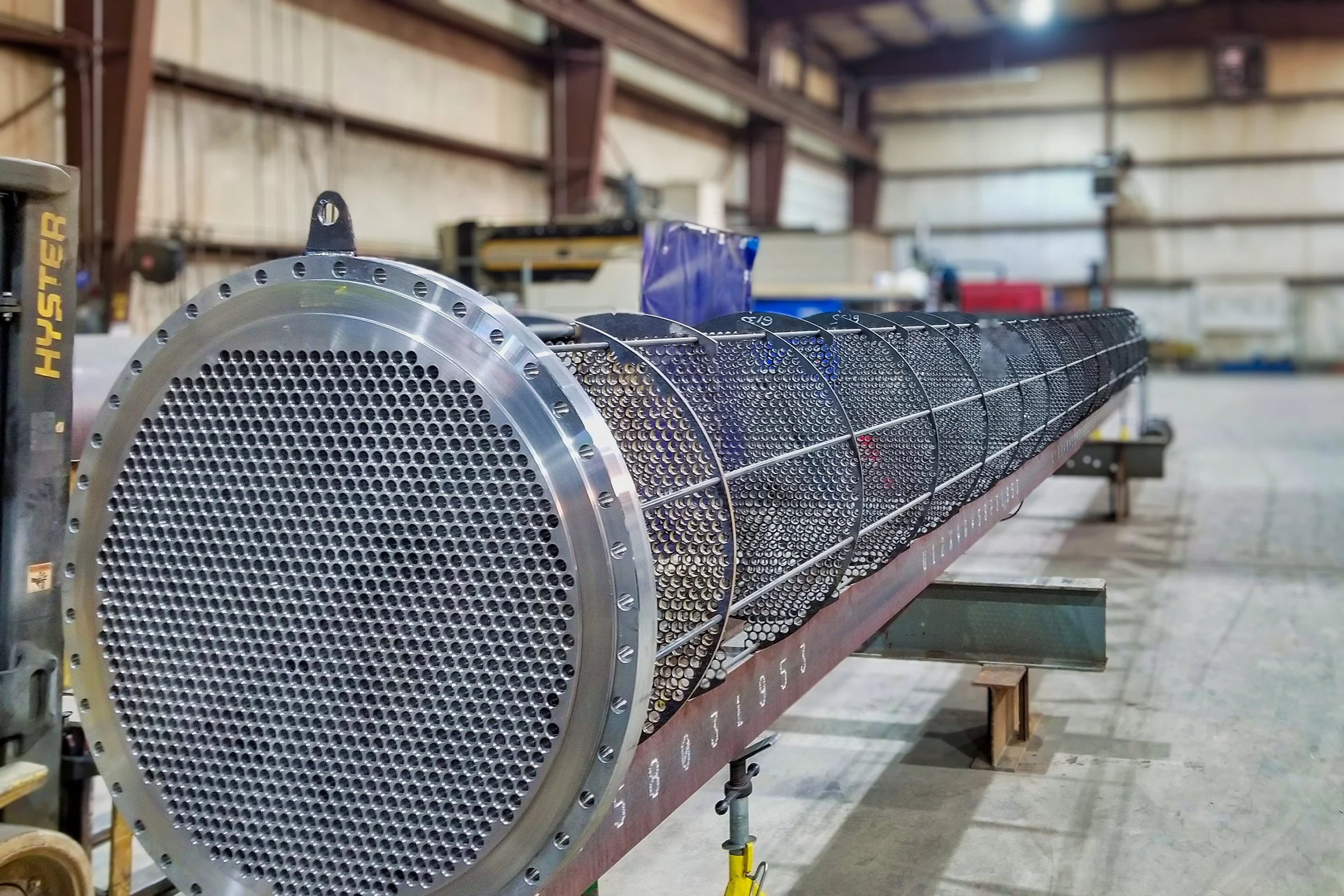
The practical implication: chemical processing plants routinely specify Grade 2 CP titanium for heat exchanger tubes, reactor linings, pump impellers, and chlorine-handling equipment precisely because of this corrosion advantage — and because Grade 2’s superior thermal conductivity (approximately 16–22 W/m·K vs 7.2 for Grade 5) makes heat exchange more efficient.
Where marine equipment sees primarily mechanical loading rather than aggressive chemical exposure, Ti-6Al-4V’s strength advantage often wins out regardless of the modest corrosion difference.
When to Use CP Titanium
CP titanium is the right choice in four scenarios.
1. Chemical processing and corrosion-critical service
Any environment involving chlorine compounds, seawater, or oxidizing acids at moderate temperatures favors CP Grade 2 or Grade 1. The combination of high corrosion resistance and high thermal conductivity makes CP titanium the standard material for shell-and-tube heat exchangers, bleach plant pipework, and desalination components. The strength requirements in these applications are typically modest, so there’s no reason to pay the Grade 5 premium.
2. Forming and fabrication-intensive parts
CP titanium’s elongation (up to 30% for Grade 1) and excellent weldability make it the clear choice for parts that undergo deep drawing, hydroforming, tube bending, or complex welding sequences. Bellows, expansion joints, thin-wall tubing, and formed sheet metal components all land here. Ti-6Al-4V work-hardens more aggressively and is significantly more difficult to cold-form.
3. Dental implants and certain biomedical applications
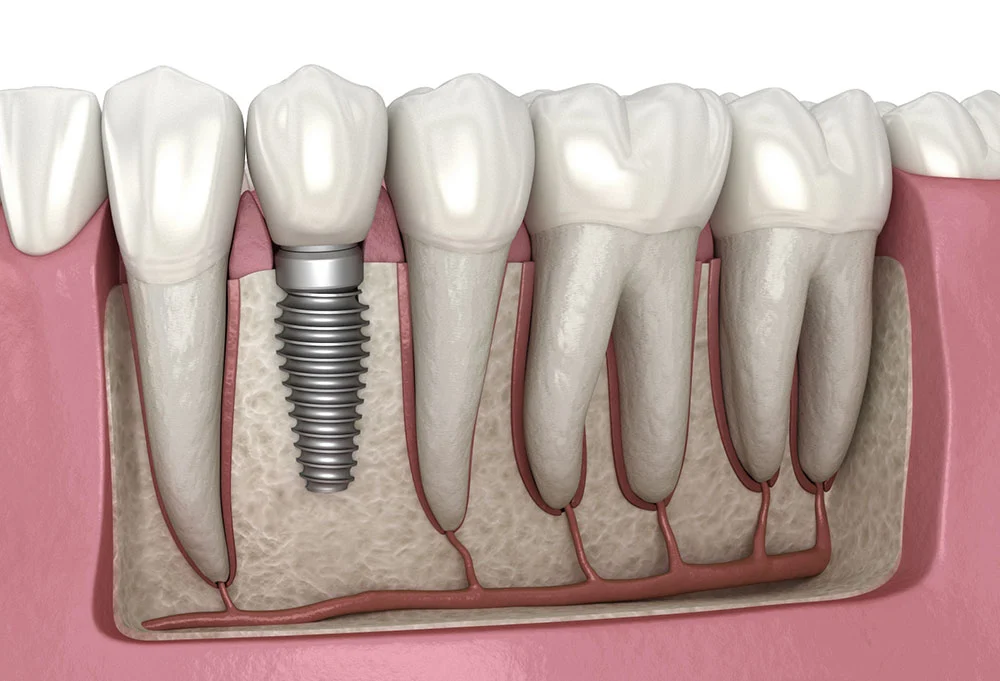
Commercially pure titanium — especially Grades 2 and 4 — remains the dominant material for dental implants worldwide, with long-term systematic review data showing survival rates of approximately 96–97% at 10 years. The reason some implant manufacturers prefer CP grades over Ti-6Al-4V ELI is straightforward: no aluminum or vanadium content. Both elements have been studied for potential cytotoxicity in ion-release scenarios, and while Ti-6Al-4V ELI is considered clinically safe by regulatory standards, some surgeons and manufacturers default to CP grades to eliminate the question entirely.
4. Applications requiring electrical or thermal conductivity within the titanium family
When the application is titanium by necessity (weight, biocompatibility, or corrosion) but heat transfer efficiency also matters, Grade 2’s thermal conductivity advantage is real and substantial. Grade 2 at approximately 16–22 W/m·K versus Grade 5 at 7.2 W/m·K is not a marginal difference — it’s roughly 2–3× better depending on measurement conditions. For anyone comparing materials for a titanium heat exchanger, this number alone can determine the feasible design envelope.
When to Use Ti-6Al-4V
Ti-6Al-4V dominates whenever strength, fatigue resistance, or elevated-temperature performance is the primary requirement.
1. Aerospace structures and engine components
Ti-6Al-4V is the aerospace industry’s default structural titanium. Airframe brackets, bulkheads, fasteners, fan blades, and compressor disks are all typical applications. The combination of high specific strength (strength-to-weight ratio) and acceptable toughness makes it the rational choice for any weight-critical structural part. For continuous temperatures above 350°C, higher-alloyed titanium grades take over, but the bulk of airframe structure operates well within Grade 5’s range.
2. Orthopedic and high-load medical implants
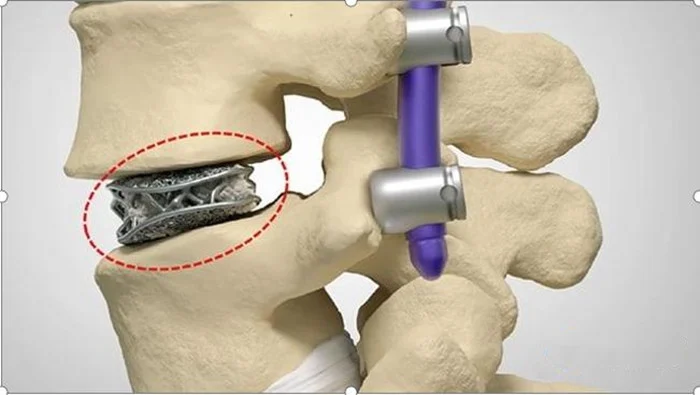
While CP titanium dominates in dental implants, Ti-6Al-4V ELI is the standard for load-bearing orthopedic implants — hip stems, knee tibial trays, bone screws, spinal cages. The fatigue life requirements in these applications are extreme: a hip implant experiences millions of load cycles per year for decades. The substantially higher fatigue strength of Ti-6Al-4V ELI makes it the safer engineering choice here, and Ti-6Al-4V ELI (Grade 23) is governed by ASTM F136 in the US and covered by ISO 5832-3 internationally for surgical implant use.
3. High-performance fasteners and threaded components
CP titanium fasteners exist, but Grade 5’s higher hardness (300–400 HV vs 160–200 HV for Grade 2) gives it meaningfully better thread engagement strength, galling resistance, and torque-to-failure performance. Wherever titanium fasteners must carry significant preload — motorsport, aerospace, marine structures — Grade 5 is the standard specification.
4. Parts requiring heat treatment to final strength
If your design relies on post-machining heat treatment to achieve final mechanical properties, CP titanium cannot help you — it’s an alpha alloy that doesn’t respond to solution and aging cycles. Ti-6Al-4V’s alpha-beta structure makes it heat-treatable, allowing strength adjustment by thermal processing. This capability is essential in forged aerospace and motorsport components where final properties must be dialed in precisely.
Machinability, Weldability, and Cost
Machinability: Both grades are harder to machine than aluminum — running at roughly 100–200 SFM (Grade 2) or 100–160 SFM (Grade 5) versus 800–1500 SFM for aluminum — and both generate significant tool wear. Between the two titanium grades, Grade 2 is notably easier to machine. It’s softer, generates less cutting heat, and is more forgiving of non-optimal toolpaths. Grade 5’s higher hardness (300–400 HV) and lower thermal conductivity (which concentrates heat at the cutting edge) mean it demands more precise speeds and feeds, sharp carbide tooling, and aggressive coolant delivery. Machining Grade 5 incorrectly produces rapid tool wear, work hardening at the surface, and dimensional issues.
Weldability: CP titanium welds cleanly using GTAW (TIG) with proper inert gas shielding. Its higher ductility means weld joints are less prone to cracking, and post-weld stress relief is rarely required. Ti-6Al-4V is also weldable but demands tighter control: post-weld stress relief at 480–650°C is standard practice per ATI and Carpenter Technology to relieve residual stress and restore ductility. Welded Ti-6Al-4V joints that are not stress-relieved are susceptible to embrittlement. All stress relief must be performed in vacuum or inert atmosphere to prevent alpha-case formation.
Cost: Raw material pricing varies with market conditions, but the general ratio holds — Grade 2 runs approximately $8–15/lb versus $20–35/lb for Grade 5 in standard mill forms. Combined with lower machining complexity, CP titanium total part cost is often 30–50% lower for equivalent weight components. For projects where CP grade properties are sufficient, over-specifying Ti-6Al-4V adds cost with no functional benefit.
Frequently Asked Questions
What is the main difference between CP titanium and Ti-6Al-4V?
CP titanium (Grades 1–4) is commercially pure titanium with trace oxygen and iron as the only meaningful additions. Ti-6Al-4V is an alloy containing 6% aluminum and 4% vanadium, which roughly triples the tensile strength compared to Grade 2 CP titanium. CP titanium offers superior corrosion resistance, formability, and weldability; Ti-6Al-4V provides the higher strength and fatigue resistance needed for structural and load-bearing applications.
Is Ti-6Al-4V safe for medical implants?
Yes. Ti-6Al-4V ELI (Extra Low Interstitials, Grade 23) — governed by ASTM F136 in the US and ISO 5832-3 internationally — is the standard material for load-bearing orthopedic implants and is FDA-cleared and CE-marked for this use. However, some medical professionals prefer CP titanium grades for dental implants specifically to avoid any aluminum/vanadium ion-release uncertainty, even though clinical evidence does not demonstrate harm from Ti-6Al-4V ELI in properly designed implants.
Why does CP titanium have higher thermal conductivity than Ti-6Al-4V?
Alloying elements disrupt the periodic atomic lattice of titanium, scattering phonons (heat carriers) and reducing thermal conductivity. CP titanium’s near-pure lattice allows heat to travel more freely — approximately 16–22 W/m·K versus 7.2 W/m·K for Grade 5. This makes Grade 2 preferred for heat exchangers and any application where titanium must transfer heat as well as resist corrosion.
Can CP titanium be heat-treated for higher strength?
No. CP titanium grades are alpha-phase alloys and do not respond to solution treatment and aging cycles. Their maximum strength is set by oxygen content (fixed at manufacturing) and cold work. Ti-6Al-4V’s alpha-beta dual-phase structure is what makes it heat-treatable.
When is CP Grade 4 a better option than Grade 2?
When you need more strength than Grade 2 provides (550 MPa vs 345 MPa tensile) but cannot use Ti-6Al-4V — for example, in medical applications where vanadium must be avoided, or in forming operations where the alloy’s reduced ductility would cause cracking. Grade 4 bridges the gap with 550 MPa tensile strength while retaining 100% unalloyed composition.
Summary
The CP titanium vs Ti-6Al-4V decision comes down to one primary question: does your application need structural strength, or does it need corrosion resistance and formability?
Ti-6Al-4V is the right answer for aerospace structures, load-bearing medical implants, high-performance fasteners, and anything that must be heat-treated to final strength. It commands the market for good reason — no other single titanium grade matches its combination of strength, fatigue resistance, and proven industrial track record.
CP titanium — particularly Grade 2 — wins in chemical processing, marine corrosion environments, dental implants, and any application requiring deep forming or complex welding. Grade 4 deserves more attention as a bridge option for moderate-strength, alloy-free requirements.
If budget and machinability matter, don’t over-specify. Grade 2 CP titanium at $8–15/lb in standard mill forms, machining more easily and welding cleanly, handles a wide range of applications that engineers reflexively assign to Grade 5.