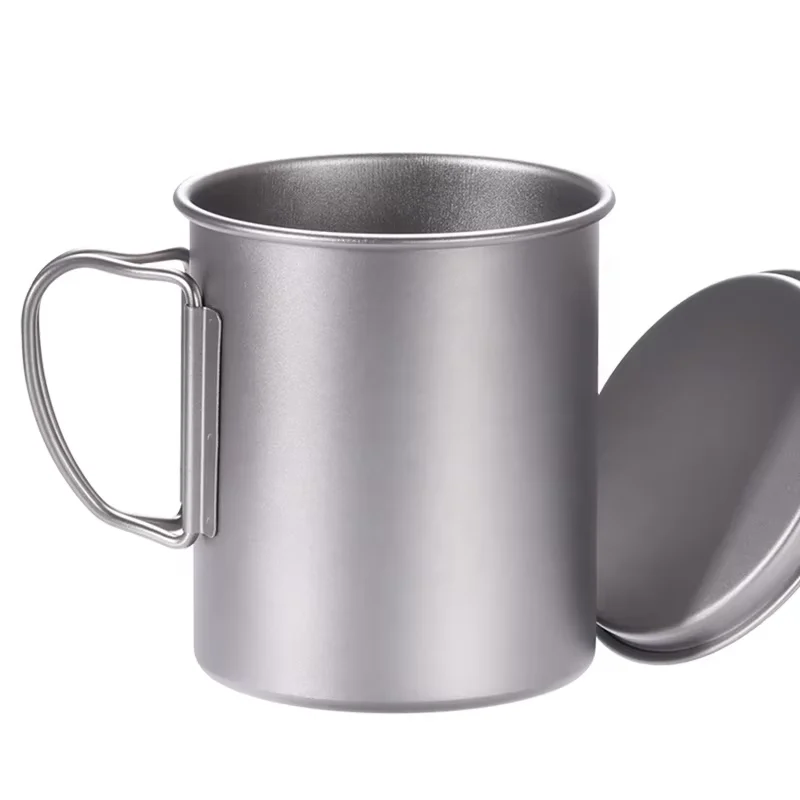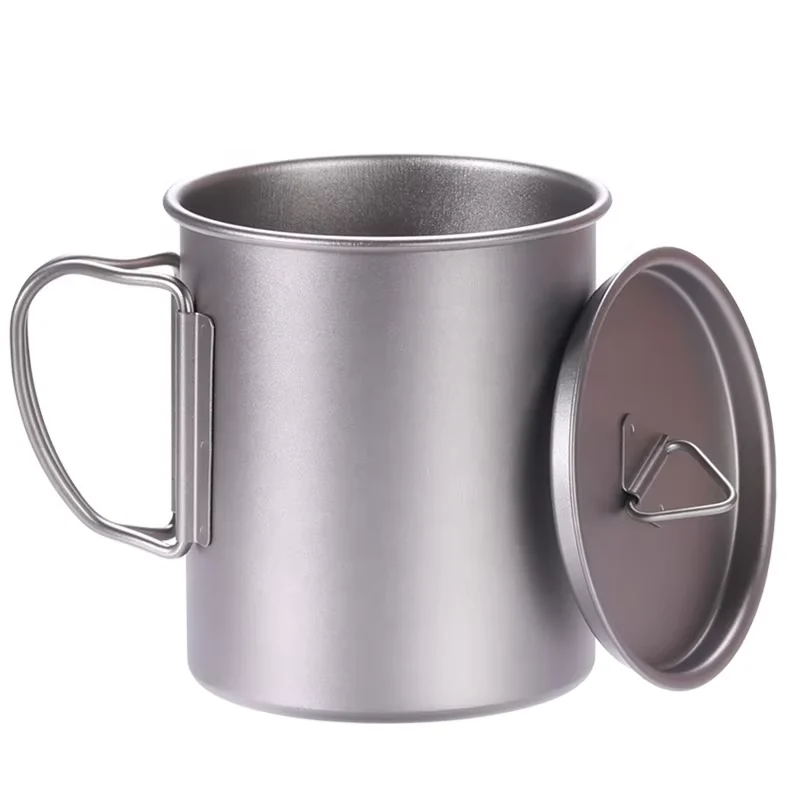
Grade 2 Titanium is the celebrated “workhorse” of the titanium industry. Whether you are an engineer designing a heat exchanger or a procurement manager sourcing materials for a marine project, understanding the nuances of this material is critical.
This comprehensive guide covers everything from technical specifications (ASTM standards) to real-world fabrication tips, helping you decide if Grade 2 is the right choice for your application.
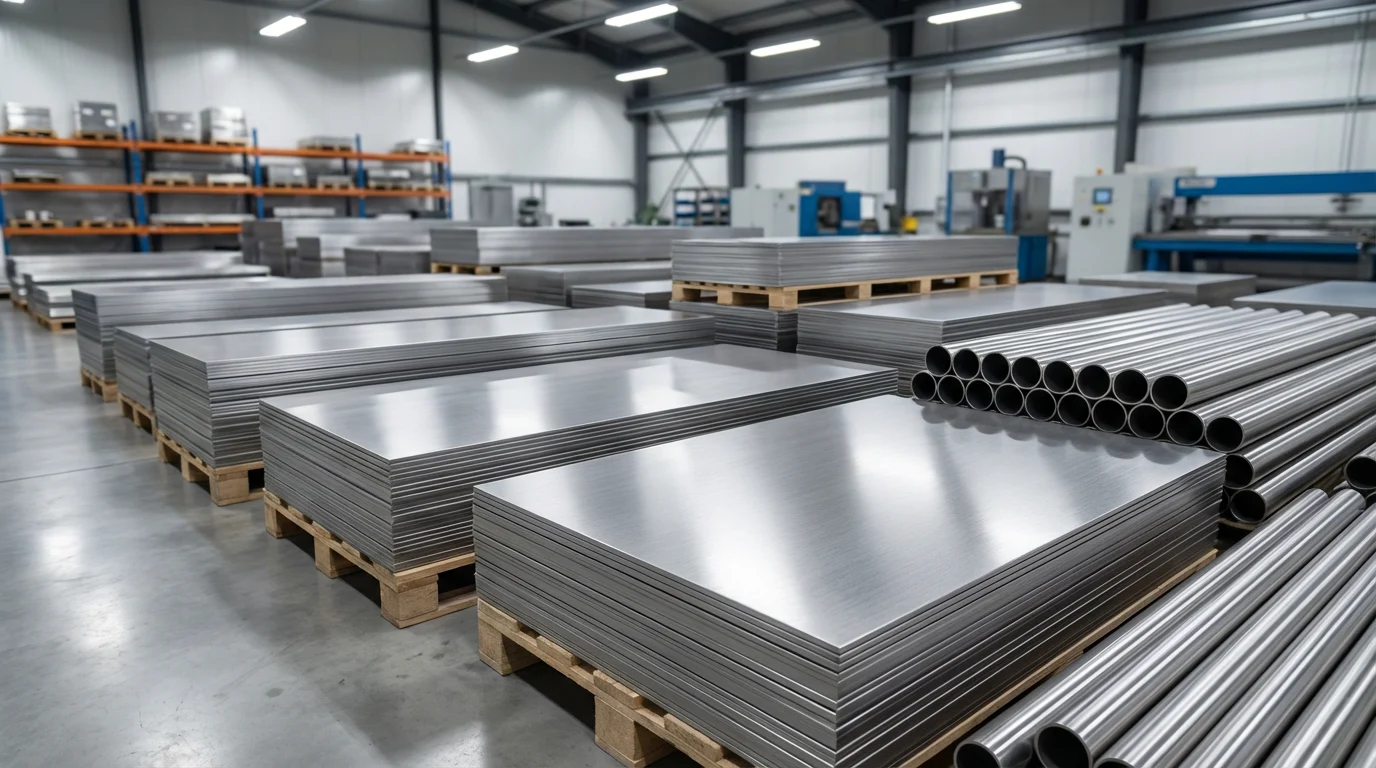
What is Grade 2 Titanium?
Grade 2 Titanium (UNS R50400) is the most widely used Commercially Pure (CP) titanium grade. It is an unalloyed, alpha-phase titanium that offers an excellent balance of moderate strength and superior ductility.
Industry experts often refer to Grade 2 as the “Goldilocks” grade of the CP family because it sits in the sweet spot between other grades:
- Stronger than Grade 1: Grade 1 is soft and primarily used for deep drawing applications.
- More formable than Grades 3 & 4: While Grades 3 and 4 offer higher strength, they become more brittle and harder to form.
- Grade 2 is “Just Right”: It offers a minimum yield strength of 275 MPa (40 ksi) while retaining enough ductility to be cold-formed without cracking.
Technical Specifications & Data
For engineers and quality control specialists, precision is key. Grade 2 is typically covered under major international standards such as ASTM B265 (Sheet/Plate), ASTM B338 (Tubes), and ASTM B348 (Bars).
Chemical Composition (Max %)
The small amounts of Oxygen and Iron act as “interstitial strengtheners,” giving Grade 2 its unique properties.
| Element | Symbol | Content (Max %) |
|---|---|---|
| Titanium | Ti | Balance |
| Oxygen | O | 0.25 |
| Iron | Fe | 0.30 |
| Carbon | C | 0.08 |
| Nitrogen | N | 0.03 |
| Hydrogen | H | 0.015 |
Mechanical Properties (At Room Temperature)
Note the high elongation percentage (20%), which indicates excellent formability—a key advantage over alloyed titanium.
| Property | Metric | Imperial |
|---|---|---|
| Tensile Strength (Min) | 345 MPa | 50 ksi |
| Yield Strength (0.2% Offset) | 275 MPa | 40 ksi |
| Elongation | 20% | 20% |
| Hardness (Approx.) | ~145-200 HV | ~160-200 HB |
Physical Properties
| Property | Value | Note |
|---|---|---|
| Density | 4.51 g/cm³ | ~45% lighter than steel |
| Melting Point | 1660°C (3020°F) | Excellent heat tolerance |
| Magnetic Permeability | None | Non-magnetic |
| Crystal Structure | Alpha (HCP) | Stable at room temperature |
Why Choose Grade 2? Key Benefits
While the raw data is impressive, understanding the practical benefits is what matters for your project. Here is why Grade 2 is the go-to material for industrial applications.
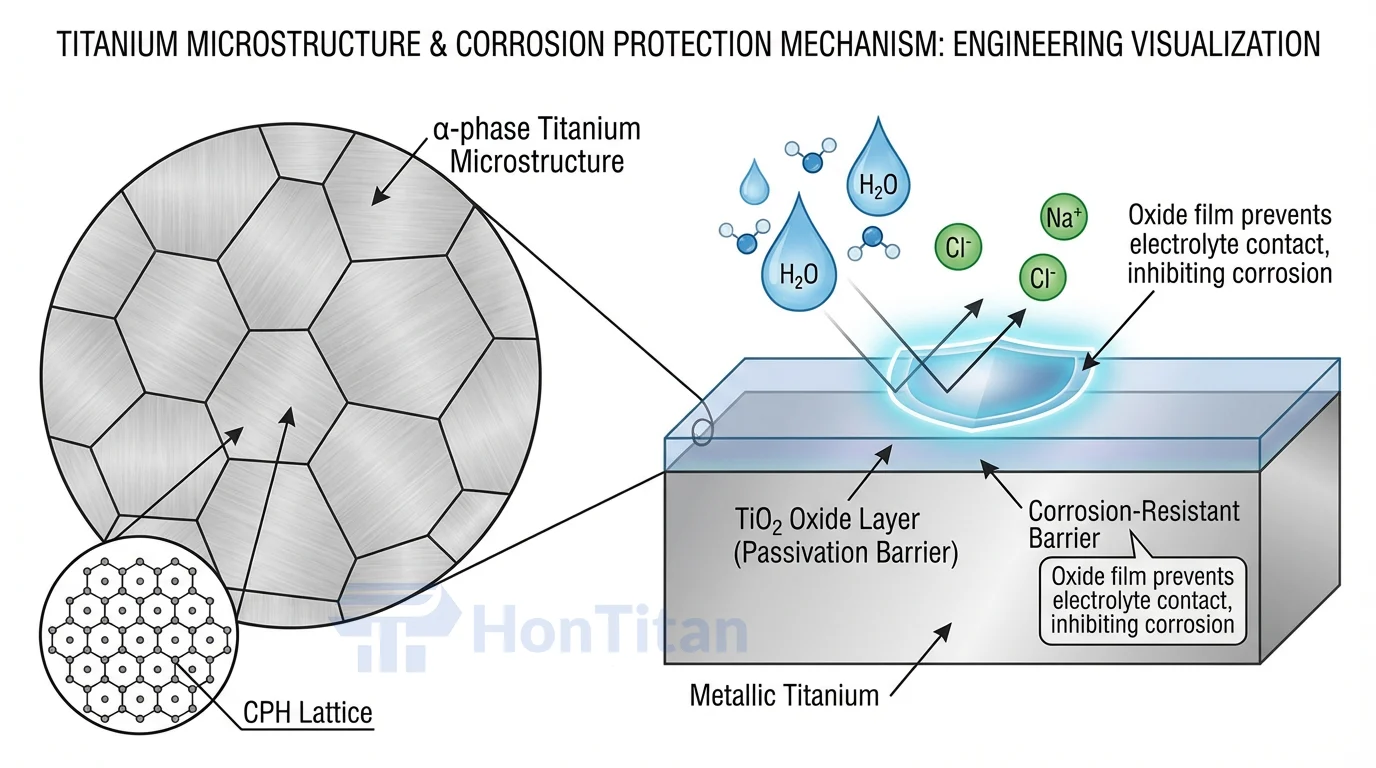
Superior Corrosion Resistance
This is the primary reason engineers specify Grade 2. Upon exposure to oxygen, titanium instantly forms a stable, continuous, and tightly adherent oxide film. This film creates a passive barrier that protects the metal in harsh environments:
- Seawater & Marine Atmospheres: Virtually immune to crevice corrosion and pitting up to 315°C (600°F).
- Wet Chlorine: Widely used in paper bleaching and chlor-alkali plants.
- Acids: Resists many oxidizing acids (like nitric and chromic acid) and industrial chemicals.
The “King” of Cold Forming
Unlike Titanium Grade 5, which is difficult to bend at room temperature and often requires heat, Grade 2 possesses excellent ductility.
- It can be cold-formed using standard press brakes, hydropresses, and bending equipment.
- It allows for deep drawing and the creation of complex shapes like vessel heads and heat exchanger plates without cracking.
High Strength-to-Weight Ratio
While not as strong as aerospace alloys, Grade 2 is still comparable in yield strength to many common stainless steels but weighs 45% less. This makes it perfect for applications where weight savings are crucial—such as offshore piping—but where the extreme strength (and cost) of Grade 5 is unnecessary.
Comparative Analysis: Grade 2 vs. Other Materials
This section helps you navigate the most common purchasing dilemma: “Should I buy Grade 2 or Grade 5?”

Grade 2 (CP) vs. Grade 5 (Ti-6Al-4V)
While Grade 5 (Ti-6Al-4V) is the “aerospace standard,” it is often over-engineered for industrial ground applications, leading to unnecessary costs.
| Feature | Grade 2 (Commercially Pure) | Grade 5 (Ti-6Al-4V Alloy) |
|---|---|---|
| Primary Attribute | Corrosion & Formability | High Strength |
| Yield Strength | ~275 MPa (Moderate) | ~828 MPa (Very High) |
| Formability | Excellent (Cold bendable) | Poor (Springback is high; hard to bend) |
| Weldability | Excellent | Good (but requires more care) |
| Cost | Lower | Higher |
Decision Tip:
- Choose Grade 2 if: You need to weld the material extensively, bend it into shapes (like tubes or tanks), or require maximum corrosion resistance in chemical environments.
- Choose Grade 5 if: Weight reduction combined with extreme structural strength is critical (e.g., racing car parts, aerospace fasteners), and you don’t need to do much cold bending.
Grade 2 Titanium vs. 316 Stainless Steel
Many projects switch from Stainless Steel to Titanium for performance reasons. Here are the three main drivers:
- Weight: Titanium Grade 2 is roughly 45% lighter than 316 Stainless Steel, offering significant weight savings.
- Chlorides: 316 Stainless Steel is prone to pitting and stress corrosion cracking in chloride environments (like saltwater). Grade 2 Titanium is immune to this issue.
- Life Cycle Cost: Although Titanium is more expensive initially, its zero-maintenance lifespan in corrosive environments often makes it cheaper over a 10-20 year life cycle.
Fabrication Guide: Working with Grade 2
Working with titanium requires a different mindset than steel. Based on insights from experienced machinists and fabricators, here is how to successfully handle Grade 2.
Machining: The “Gumminess” Factor
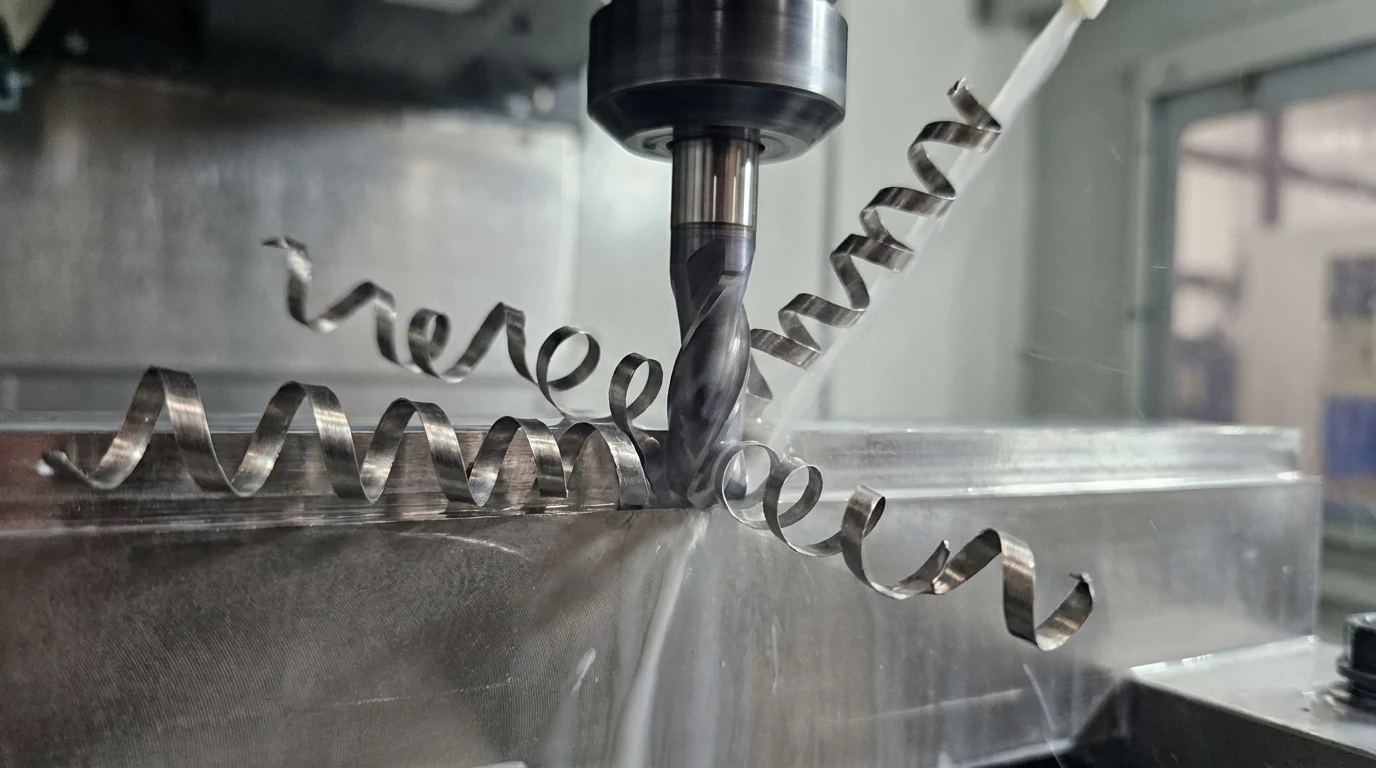
Grade 2 is softer than Grade 5, which ironically can make it trickier to machine if you are not prepared. It tends to be “gummy”, meaning the chips are long, stringy, and can clog your tools. To manage this:
- Heat Management: Titanium is a poor conductor of heat. Use high-pressure coolant to clear sticky chips and reduce heat build-up.
- Don’t Dwell: Never let the tool linger in one spot. This causes immediate work-hardening that makes the material nearly impossible to cut.
- Tooling: Use sharp, positive-rake carbide tools and keep feed rates heavy enough to cut under the work-hardened layer.
Welding Guidelines
Grade 2 has excellent weldability, unlike many high-strength alloys. It can be welded using TIG (GTAW), MIG, or Plasma arc. However, one rule is absolute: Cleanliness and Shielding.
Molten titanium absorbs oxygen and nitrogen instantly from the air, turning the weld brittle and glass-like. You must use high-purity Argon to shield the weld pool, the cooling zone, and the back of the weld (back-purging).
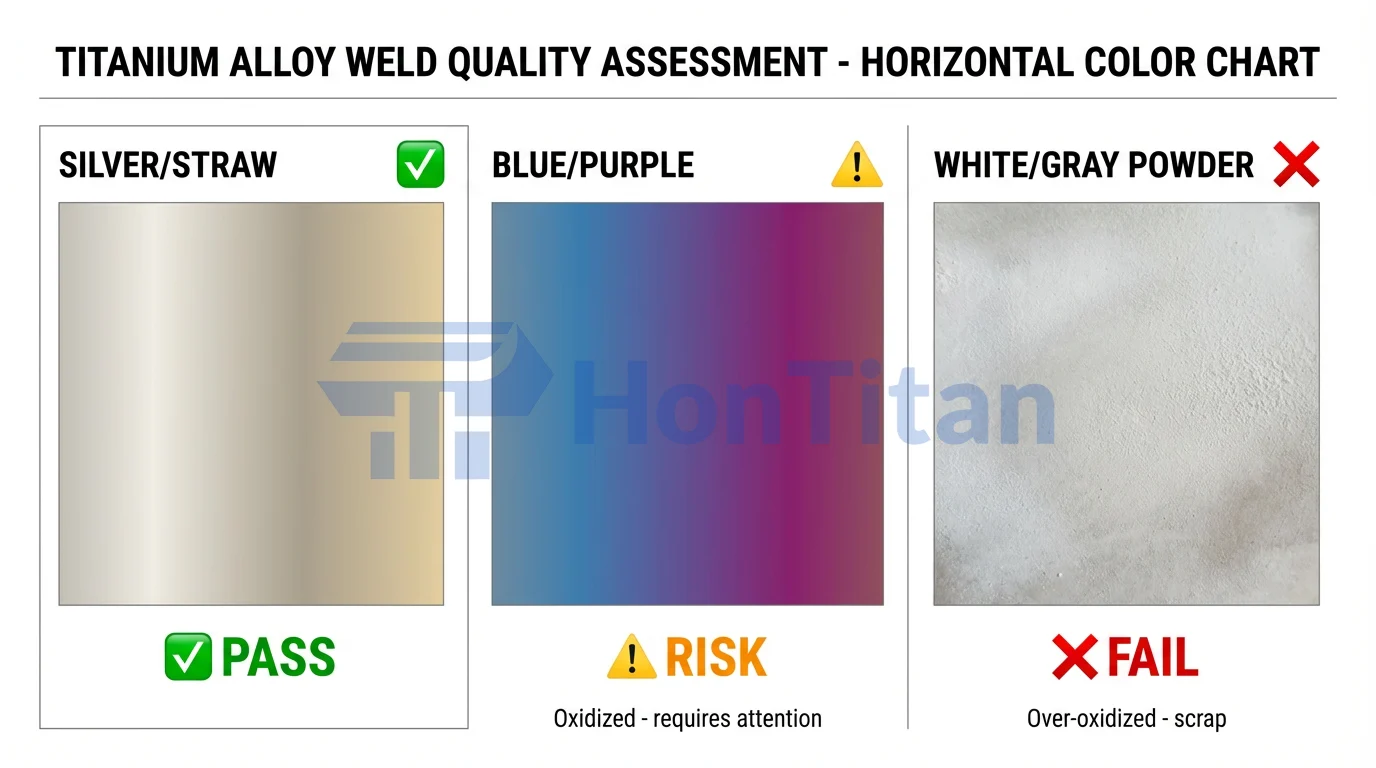
The Color Test:
- Silver or Straw: Good shielding. Acceptable.
- Blue or Purple: Oxidation has occurred. The weld may be compromised.
- White or Flaky: Complete failure due to brittleness. Must be removed.
Common Applications
Because of its versatility, Grade 2 Titanium is the standard choice across multiple industries:
- Chemical Processing: Heat exchangers, condensers, reaction vessels, and piping systems handling wet chlorine or nitric acid.
- Marine Industry: Ship hulls, propeller shafts, desalination plants, and offshore drilling rig components due to its immunity to saltwater corrosion.
- Power Generation: Condenser tubing in power plants using seawater cooling.
- Medical & Consumer: Surgical instruments, eyeglass frames, and jewelry due to its biocompatibility.
Buying Guide: Standards & Forms
When ordering Grade 2 Titanium for B2B industrial use, “Grade 2” is not enough. You should specify the form and the corresponding ASTM/ASME standard to ensure quality.
Common Standards
- Sheet, Plate & Strip: ASTM B265 / ASME SB265
- Seamless & Welded Pipe: ASTM B338 / ASME SB338
- Round Bar & Billet: ASTM B348 / ASME SB348
- Pipe Fittings: ASTM B363
What to Ask Your Supplier?
Always request the MTC (Mill Test Certificate), specifically an EN 10204 3.1 certificate. Ensure it verifies:
- Chemical Composition: Fe < 0.30% and O < 0.25%.
- Mechanical Testing: Yield and tensile strength meet the minimums.
- Origin: Where the sponge was melted and the material was rolled.
FAQ (Frequently Asked Questions)
Here are the answers to the most common questions engineers and buyers ask about Grade 2 Titanium.
Performance & Properties
Q: What is the maximum operating temperature for Grade 2 Titanium?
A: Grade 2 Titanium maintains its structural integrity and corrosion resistance in continuous service up to approximately 425°C (800°F). Above this temperature, it may begin to oxidize rapidly and lose strength.
Q: Is Grade 2 Titanium biocompatible?
A: Yes. Grade 2 is non-toxic and resists corrosion from bodily fluids, making it biocompatible. While Grade 23 is the standard for bone implants, Grade 2 is widely used for surgical instruments and piercing jewelry.
Q: Can Grade 2 Titanium be anodized?
A: Yes. Grade 2 can be easily anodized to produce a wide spectrum of colors (blue, purple, gold, etc.) without using dyes. This is commonly done for color-coding or aesthetics.
Comparisons & Cost
Q: What is the difference between Grade 1 and Grade 2 Titanium?
A: The main difference is strength vs. formability. Grade 1 is the softest and most ductile (best for deep drawing). Grade 2 has slightly higher oxygen/iron levels, making it stronger while still retaining good formability.
Q: Is Grade 2 Titanium cheaper than Grade 5?
A: Yes. Grade 2 is typically 20% to 30% cheaper than Grade 5 (Ti-6Al-4V) in terms of raw material cost, and it is also cheaper to process and machine.
Fabrication
Q: Can you laser cut Grade 2 Titanium?
A: Yes, but it requires Nitrogen or Argon assist gas. Never use Oxygen as an assist gas for cutting titanium, as it causes a violent exothermic reaction (burning).
Q: Why is my Grade 2 weld turning blue?
A: A blue discoloration indicates oxygen contamination. The hot metal was exposed to air before cooling. This makes the weld brittle and usually requires repair.
Q: Is Grade 2 titanium magnetic?
A: No, Grade 2 titanium is non-magnetic.
Conclusion
Grade 2 Titanium represents the perfect intersection of performance and economy. It provides the corrosion resistance of premium metals and the formability needed for complex fabrication, all at a cost significantly lower than titanium alloys.
Looking for high-quality Grade 2 Titanium for your next project? HonTitan stocks a wide range of Grade 2 sheets, plates, bars, and tubes certified to ASTM standards.