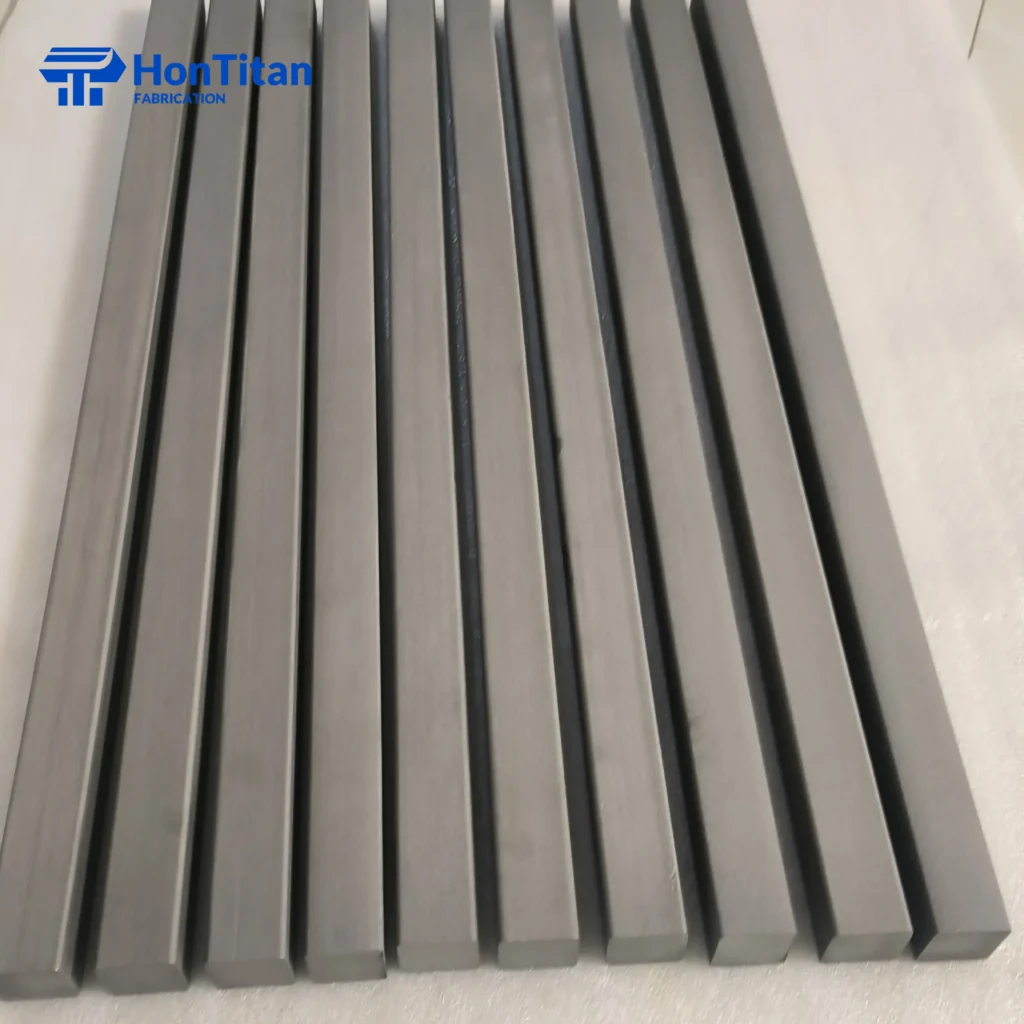
Product Overview
ASTM F67 Grade 2 (UNS R50400) is the most widely used unalloyed titanium in the medical industry. Unlike Grade 4 (which prioritizes high strength) or Ti-6Al-4V (alloyed), Grade 2 offers the optimal balance of strength (YS ≥ 275 MPa) and exceptional ductility (Elongation ≥ 20%). This makes it the preferred material for bone plates, staples, and complex dental components that require contouring without cracking.
As a specialized medical titanium manufacturer, we produce this material specifically for critical implant applications. Our process starts with premium Grade 0 Titanium Sponge and utilizes Triple VAR (Vacuum Arc Remelting) to ensure a homogeneous microstructure free from high-density inclusions (HDI).
Engineered for Precision Machining
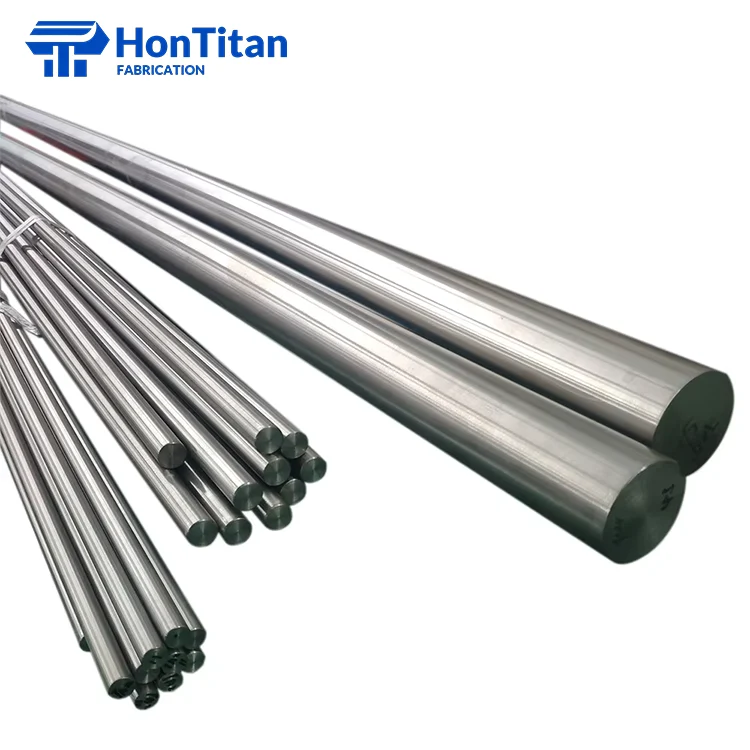
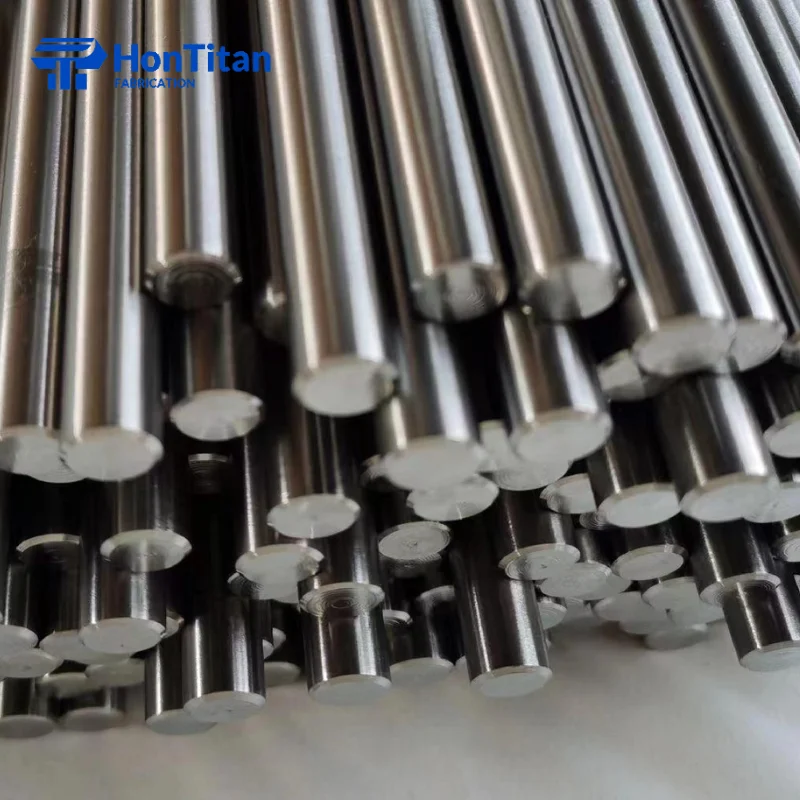
We understand that medical components are often produced on high-speed Swiss-type CNC lathes. Therefore, our Grade 2 titanium bars are not just “rolled” but precision centerless ground. We strictly control straightness to ≤0.5mm/m and diameter tolerance to h9 or h8, ensuring smooth bar-feeding and reduced vibration during machining.
Why Choose Our Medical Grade 2 Titanium:
- Microstructure Control: Fine, equiaxed alpha grain structure (typically ASTM E112 No. 6 or finer) ensures predictable fatigue life for implants.
- Superior Purity: We control Iron (Fe) and Oxygen (O) levels tighter than standard ASTM F67 limits to enhance corrosion resistance in physiological environments.
- Zero-Defect Surface: Supplied in a peeled and polished condition, guaranteed free of Alpha Case (surface contamination layer) to extend your tool life.
- Full Traceability: Every bar is laser-marked and traceable back to the melt source with a complete EN 10204 3.1 MTC.
Key Technical Specifications
Our ASTM F67 Grade 2 titanium bars are dual-certified to ISO 5832-2, meeting global regulatory requirements for medical devices.
1. Chemical Composition (Weight %)
We maintain stricter control over interstitial elements (Fe, O, H) than the standard requires to ensure superior biocompatibility.
| Element |
Symbol |
ASTM F67 / ISO 5832-2 Limit |
Our Typical Value |
Benefit |
| Nitrogen |
N |
≤ 0.03 |
0.01 |
Increases Strength |
| Carbon |
C |
≤ 0.08 |
0.02 |
– |
| Hydrogen |
H |
≤ 0.015 |
0.003 |
Eliminates Hydrogen Embrittlement risk |
| Iron |
Fe |
≤ 0.30 |
0.12 |
Maximizes Corrosion Resistance |
| Oxygen |
O |
≤ 0.25 |
0.18 |
Optimizes Strength/Ductility balance |
| Titanium |
Ti |
Balance |
Balance |
Base Material |
2. Mechanical Properties (Annealed Condition)
Tested per ASTM E8. High elongation is crucial for implants requiring forming.
| Property |
Metric Value |
Imperial Value |
Requirement |
| Tensile Strength (UTS) |
≥ 345 MPa |
≥ 50 ksi |
Min Required |
| Yield Strength (0.2% Offset) |
275 – 450 MPa |
40 – 65 ksi |
Range |
| Elongation (in 4D) |
Typical 28% – 35% |
– |
Standard Req: ≥ 20% |
| Reduction of Area |
≥ 30% |
≥ 30% |
Min Required |
3. Diameter Tolerance (Precision Ground)
Strict adherence to ISO 286-2 ensures compatibility with automated guide bushings.
| Nominal Diameter (mm) |
Tolerance h9 (Standard) |
Tolerance h8 (Precision) |
Max Ovality |
| 3.00 – 6.00 |
+0 / -0.030 mm |
+0 / -0.018 mm |
50% of tolerance |
| 6.01 – 10.00 |
+0 / -0.036 mm |
+0 / -0.022 mm |
50% of tolerance |
| 10.01 – 18.00 |
+0 / -0.043 mm |
+0 / -0.027 mm |
50% of tolerance |
Quality Assurance & Testing
Safety is non-negotiable in medical manufacturing. We implement a rigorous “Triple-Check” quality system that exceeds basic industry requirements to ensure every bar meets ASTM F67 and ISO 5832-2 standards.
The “Zero-Defect” Verification Process
To guarantee the internal integrity required for critical implants, we employ a multi-stage inspection protocol:
- Ultrasonic Testing (UT): 100% inspection per AMS 2631 Class A1 (or ISO 23277) to detect any internal metallurgical defects or cracks larger than 0.8mm equivalent.
- Eddy Current Testing (ET): Continuous scanning of the entire bar length to identify surface and near-surface imperfections that could compromise fatigue strength.
- Dimensional Verification: Automated laser micrometer checks ensure diameter consistency fits within ISO 286-2 h9/h8 tolerances.
Metallurgical Integrity
- Microstructure: We guarantee a fully annealed, equiaxed Alpha phase structure free from segregation, optimized for fatigue resistance (Grain size typically ASTM E112 No. 6 or finer).
- Alpha Case Free: The brittle oxygen-rich layer formed during heat treatment is completely removed via precision centerless grinding, ensuring the material is ready for immediate machining without risk of surface cracking.
Applications & Processing Recommendations
Typical Medical Applications
- Bone Plates & Staples: Utilizing Grade 2’s high ductility for cold forming and contouring to patient anatomy.
- Dental Abutments: Excellent bonding properties with porcelain and high biocompatibility for soft tissue healing.
- Surgical Instruments: Lightweight handles and trays requiring resistance to repeated sterilization cycles (autoclave).
Machining Guide for Grade 2 Titanium
Titanium Grade 2 is softer than Grade 5 (Ti-6Al-4V) but can be “gummy” and prone to galling if processed incorrectly. To optimize your Swiss-type machining:
- Cutting Speed: We recommend starting at 40-60 m/min (130-200 SFM). Lower speeds help prevent heat buildup.
- Tooling: Use sharp, positive rake angle carbide tools. Avoid dwelling to prevent work hardening of the material surface.
- Coolant: Use high-pressure, high-volume water-soluble coolant to evacuate chips effectively and reduce heat at the cutting zone.
- Feed Rate: Maintain a constant, aggressive feed to ensure the tool cuts under the work-hardened layer.
Supply, Packaging & Logistics
As a specialized medical titanium exporter, we understand that material condition upon arrival is just as important as its manufacturing quality.
Export-Grade Packaging
We utilize a multi-layer protection system to ensure “Zero-Scratch” delivery:
- Individual Protection: Each titanium bar is individually sleeved in a protective PVC tube.
- Shock Absorption: Bundles are wrapped in bubble sheeting and secured with plastic straps.
- External Crate: Packed in standard export plywood cases reinforced for sea or air freight.
Availability & Lead Time
- Stock Inventory: We maintain a regular stock of common diameters (Ø3.0mm to Ø20.0mm) for immediate dispatch (MOQ 10kg), supporting R&D and prototyping needs.
- Custom Production: For non-standard diameters or specific tolerance requirements (e.g., h8), the typical production lead time is 3-4 weeks.
- Documentation: Every shipment includes a full EN 10204 3.1 Material Test Certificate (MTC), encompassing chemical analysis, mechanical testing, and NDT results.
Frequently Asked Questions (FAQ)
Q: What is the main difference between ASTM F67 Grade 2 and Grade 4?
A: Grade 2 is softer and more ductile (Elongation ≥20%), making it the ideal choice for parts that require forming, such as bone plates. Grade 4 offers higher tensile strength (≥550 MPa) and is typically preferred for load-bearing components like bone screws or spinal rods.
Q: Is your Grade 2 titanium magnetic?
A: No, ASTM F67 Grade 2 titanium is non-magnetic, making it safe for long-term implants and fully compatible with MRI (Magnetic Resonance Imaging) environments.
Q: Do you offer chamfering services for bar loaders?
A: Yes, we can provide bars with 30° or 45° chamfered ends upon request. This service allows for instant loading into automatic bar feeders on Swiss lathes, saving your team preparation time.
Q: Does your material comply with FDA requirements?
A: While the FDA registers the final medical device, our material is manufactured strictly to ASTM F67 and ISO 5832-2 standards, which are the recognized consensus standards accepted by the FDA for unalloyed titanium implants. Our MTC provides the necessary data for your device Master File (MAF) submission.
Start Your Medical Project with Verified Material
Need a reliable medical titanium bar supplier that understands the strict requirements of ISO 13485? Whether you are in the prototyping phase or scaling up production, we provide the quality and traceability you need.