

Hello, I’m Wayne.
I am a materials engineering specialist with a strong focus on titanium manufacturing, CNC machining, and advanced metal processing technologies. Over the past decade, I have worked closely with factories, engineers, and global B2B buyers, studying how titanium behaves in real production environments—how it cuts, forms, welds, and performs under demanding conditions.
My experience includes researching and writing about a wide range of titanium products, from custom-machined components to titanium electrodes, titanium fasteners, and industrial-grade titanium materials used across aerospace, medical devices, chemicals, and consumer goods. I strive to present technical information in a clear, practical way—helping engineers, procurement teams, and industry professionals understand the strengths, applications, and performance characteristics of titanium products.
Through every article I publish, my goal is to deliver accurate insights, engineering-based explanations, and real manufacturing knowledge that readers can apply to their projects. Whether you’re exploring titanium grades, comparing machining methods, or sourcing precision titanium parts, my work is here to guide you with clarity and technical depth.
For continued updates, industry analysis, and professional knowledge on titanium materials and advanced machining, feel free to follow my articles here on this website.
Thank you for reading — Wayne.
For individuals who wear prescription lenses for extended periods, frame weight and material compatibility are crucial factors. Heavy frames can cause persistent pressure marks on the nasal bridge, while certain metal alloys may lead to contact dermatitis or skin discoloration. Aerospace-grade titanium has become a prominent material in the eyewear industry due to its unique […]
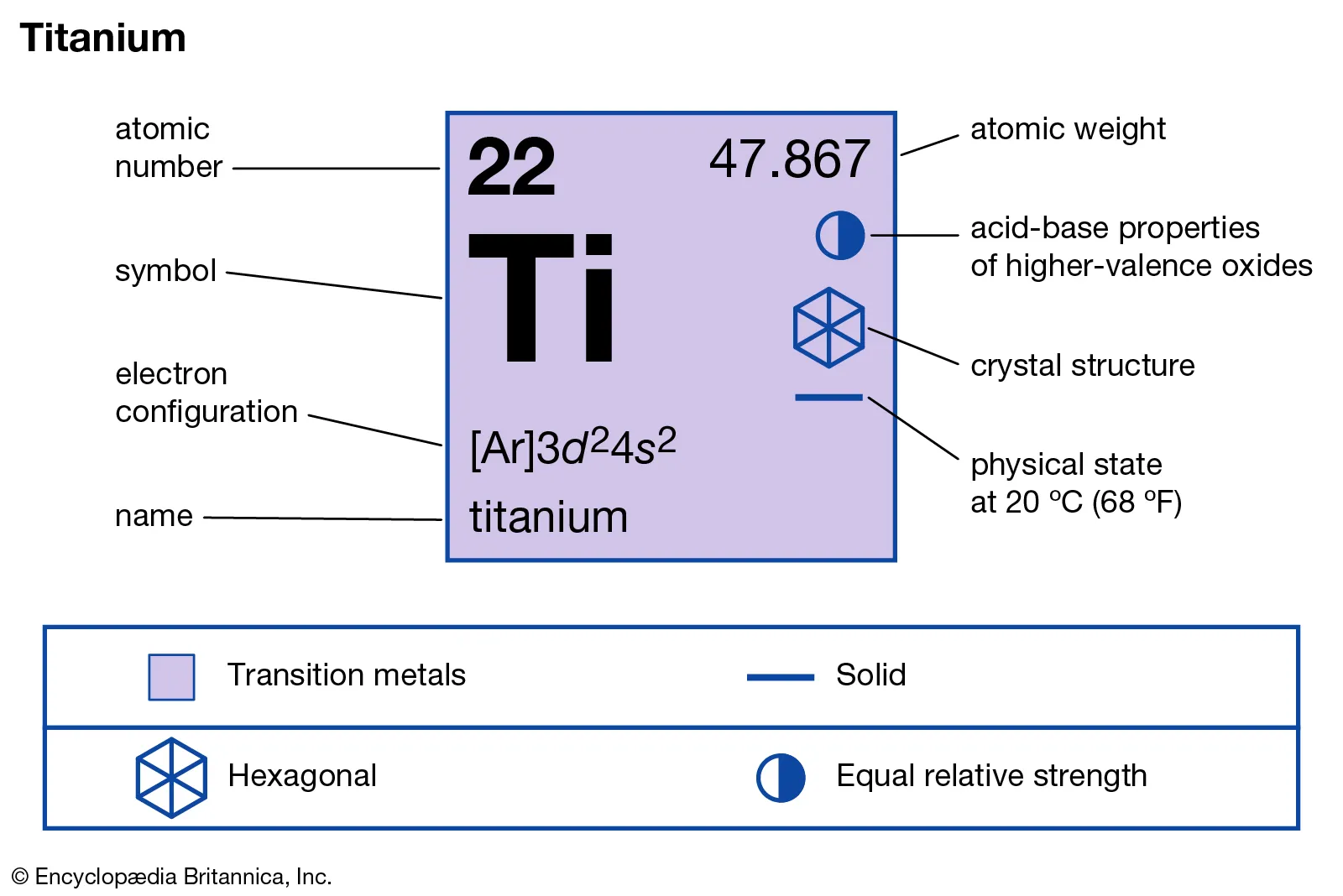
From the SR-71 Blackbird slicing through the stratosphere to the sleek chassis of the latest flagship smartphones, titanium has cemented its reputation as the ultimate “Space Age” metal. But what exactly makes this element number 22 so special? When engineers, medical professionals, and product designers look for the perfect balance of strength, lightness, and durability, […]

Why Choosing a Titanium Cup Is So Confusing Let’s be honest: spending $40 to $60 on a camping mug seems ridiculous to the average person. But if you are reading this, you aren’t an average person—you are likely an ultralight backpacker, a gear enthusiast, or someone who simply appreciates high-quality equipment that lasts a lifetime. […]
Sourcing high-performance titanium tubing is a high-stakes decision. Whether for a shell and tube heat exchanger in a desalination plant, a hydraulic system in aerospace, or a corrosive chemical processing line, the margin for error is zero. A single tube failure can lead to catastrophic downtime, safety hazards, and massive financial losses. However, a quick […]
When it comes to Commercially Pure (CP) Titanium, one grade stands out for its exceptional workability: Titanium Grade 1 (UNS R50250). Often overshadowed by the more common Grade 2, Titanium Grade 1 is the softest and most ductile of all titanium grades. While it possesses the lowest strength among the CP family, its unique material […]
When most people hear “titanium,” they visualize the polished casing of a high-end smartphone, the precision components of a jet engine, or a surgical implant. We naturally associate the metal with a sleek, silver finish, high strength, and advanced technology. However, titanium does not begin its lifecycle in this solid, shiny form. Before it can […]
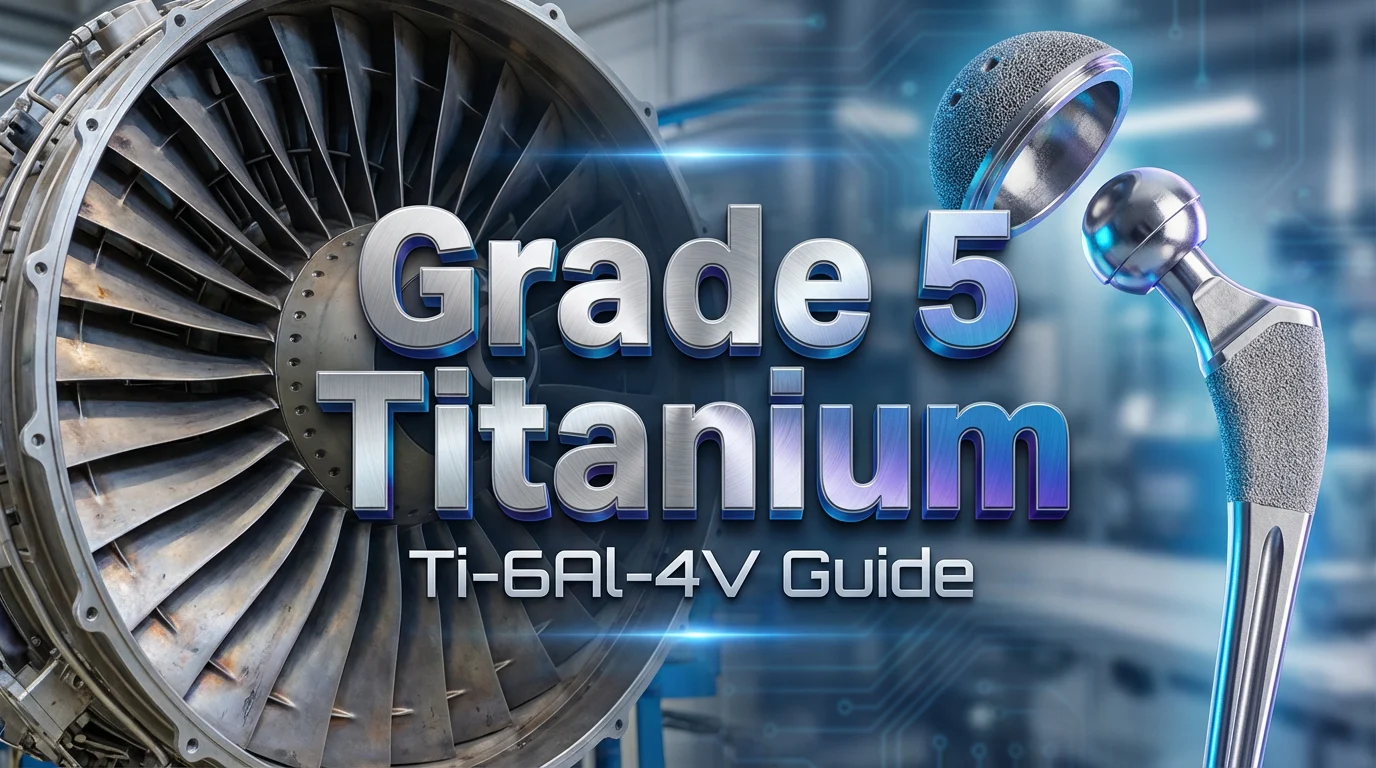
Introduction: The “Workhorse” of the Industry Grade 5 Titanium, technically designated as Ti-6Al-4V (or TC4 in some international standards), is the most widely used titanium alloy in the world. Industry data suggests that it accounts for more than 50% of total titanium usage globally. Unlike Commercially Pure (CP) titanium (such as Grade 1 or Grade […]

The Quick Answer The short answer is yes: titanium is a conductive metal. However, if you are planning to use titanium to replace copper wiring in a project, you should stop. While titanium does conduct electricity, it is not a good conductor. In the world of metals, it is effectively a resistor. To give you […]
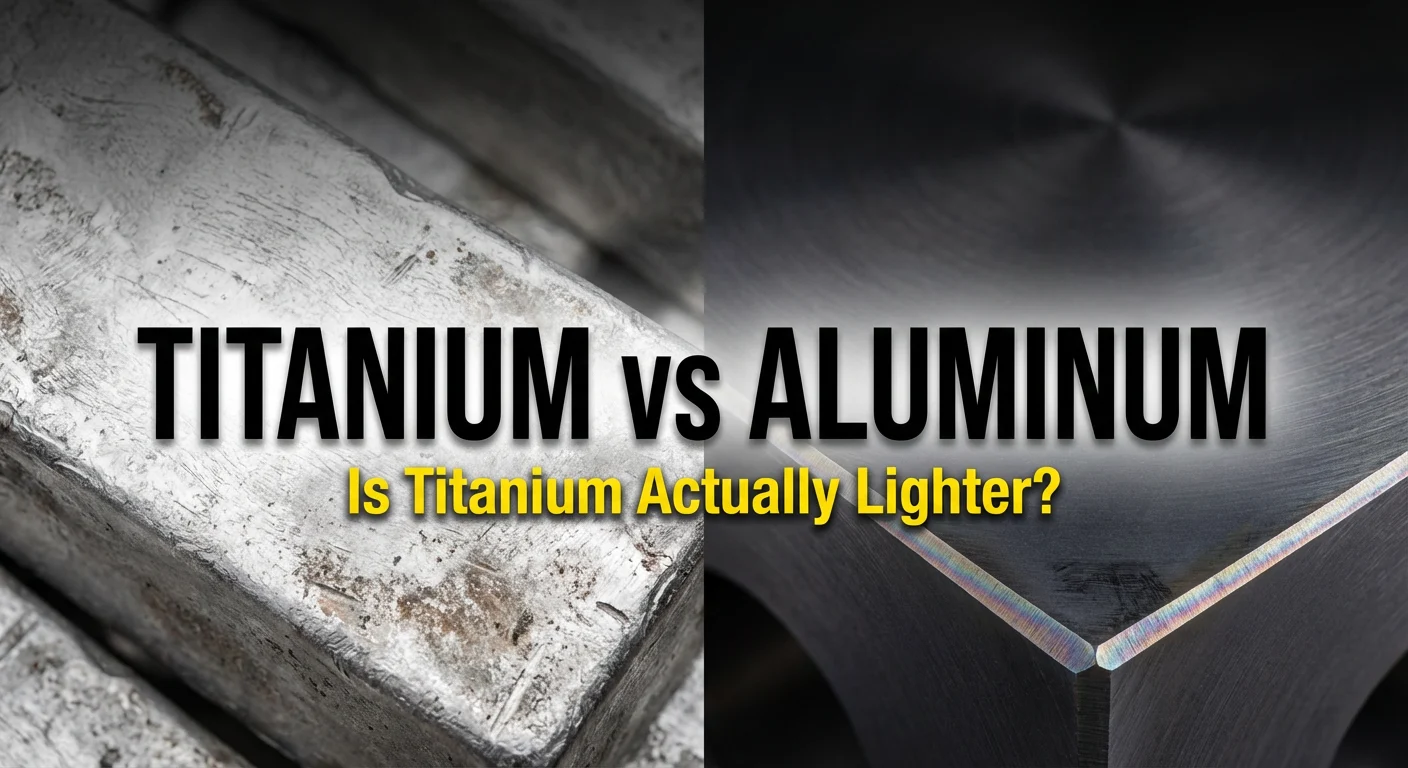
Is Titanium actually lighter than Aluminum? The answer lies in the physics of density versus specific strength. In high-performance engineering sectors—ranging from aerospace and automotive to premium consumer electronics—the selection of materials is often dominated by two metals: Titanium and Aluminum. A prevalent misconception among consumers and non-specialists is that Titanium is the inherently “lighter” […]
Titanium is often hailed as the “Space Metal.” It is prized for its incredible strength-to-weight ratio and immunity to corrosion, making it the backbone of modern aerospace engineering and medical implants. But have you ever wondered why a titanium bar costs significantly more than steel or aluminum? The answer lies not just in the raw […]
Let’s be honest: you are here because you are worried about what might be leaching into your food. Maybe you are tired of replacing scratched non-stick pans every few years, concerned about the potential ingestion of coating particles. Or perhaps you are looking for a chemically stable cookware material to address personal concerns regarding aluminum […]
In the field of precision manufacturing, Titanium and Tungsten represent two of the most demanding materials to process. While both are valued for their extreme performance characteristics in aerospace, medical, and industrial applications, they present diametrically opposed challenges to the machinist. Understanding the fundamental differences between these elements is critical for process planning and cost […]