Titanium is the most widely used metal in medical implants today, holding 90.99% of the global dental implant market as of 2025. Its dominance isn’t marketing hype — it stems from a rare combination of properties: a self-healing oxide surface, the ability to physically bond with living bone, and near-total absence of allergic reactions. But “biocompatible” is a word that gets thrown around loosely in implant marketing. Here’s what it actually means at a materials science level, why titanium outperforms every other implant metal, and the honest truth about the 0.6% of patients who may react to it.
What Does “Biocompatible” Actually Mean? The Science Behind the Word
A biocompatible material is one that performs its intended function without triggering a harmful local or systemic response in the body. This isn’t just about being “non-toxic” — it’s a much stricter standard that encompasses corrosion resistance, tissue compatibility, immune response, and mechanical behavior over years or decades of implantation.
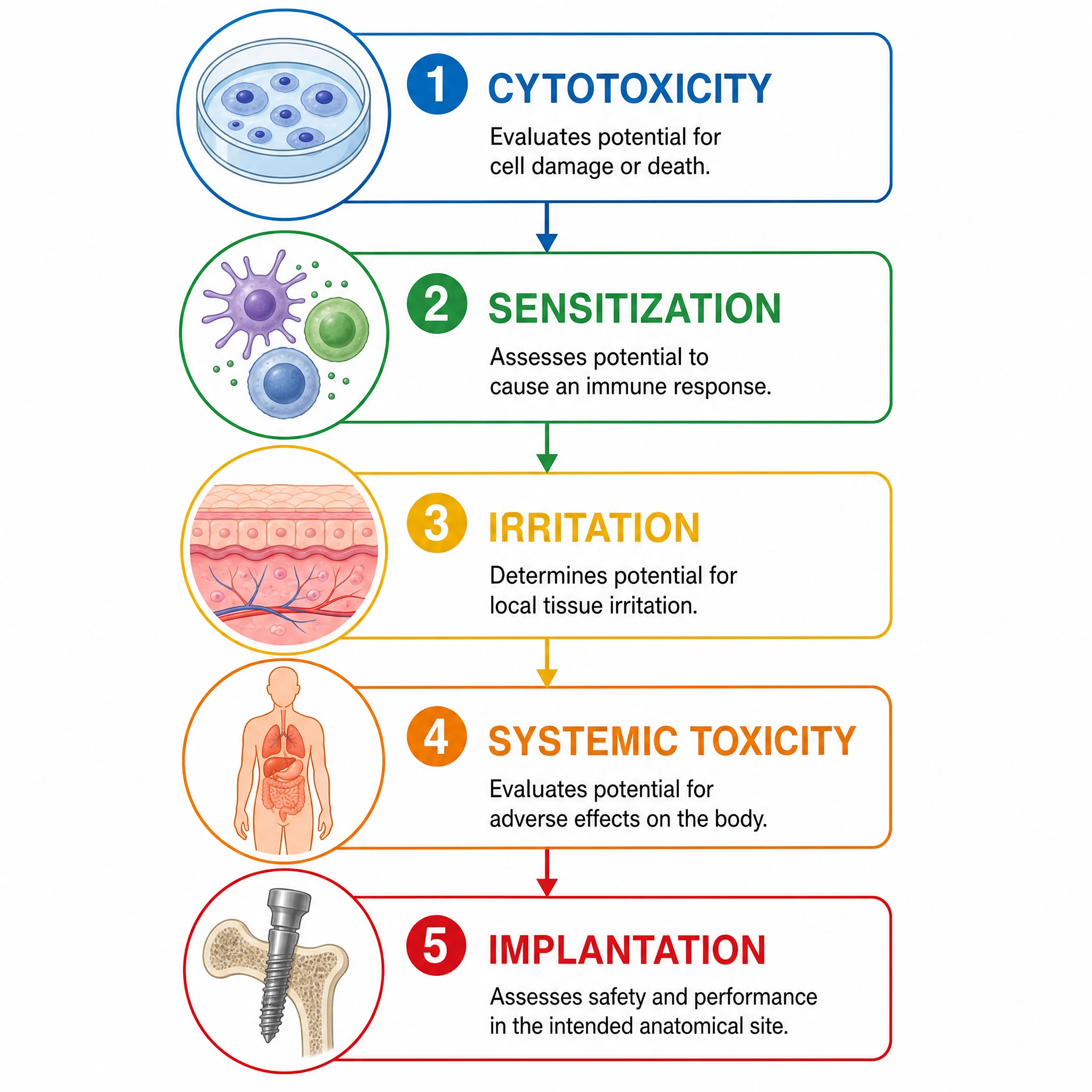
The International Organization for Standardization defines biocompatibility under ISO 10993, a series of tests that evaluate how a material interacts with biological systems. These tests cover cytotoxicity (does it kill cells?), sensitization (does it trigger allergies?), irritation, systemic toxicity, genotoxicity, implantation response, and more. A material must pass all applicable ISO 10993 sub-tests to earn the “biocompatible” designation for a specific implant application.
Here’s what many buyers overlook: biocompatibility isn’t an inherent property of a material — it’s a relationship between the material, the body site, and the duration of contact. A material that’s biocompatible for a short-term surgical staple may not be suitable for a 20-year hip replacement. This is why implant specifications always reference the application context, not just the material grade.
Four pillars define implant-grade biocompatibility:
| Pillar | What It Means | Titanium’s Rating |
|---|---|---|
| Chemical stability | Won’t corrode or release harmful ions in body fluids | Excellent — TiO2 passive film prevents ion release |
| Tissue compatibility | Won’t trigger chronic inflammation or rejection | Excellent — surface doesn’t denature proteins |
| Mechanical compatibility | Stiffness close enough to prevent bone resorption | Good — closer than SS/Co-Cr, but still 4-10x stiffer than bone |
| Surface bioactivity | Can actively support cell attachment and growth | Excellent — promotes calcium phosphate deposition |
When implant manufacturers or surgeons say titanium is “biocompatible,” they mean it passes all four of these criteria for the intended application and duration. No other common implant metal achieves this across all four simultaneously.
The Titanium Oxide Shield — Why Your Body Doesn’t Reject Titanium
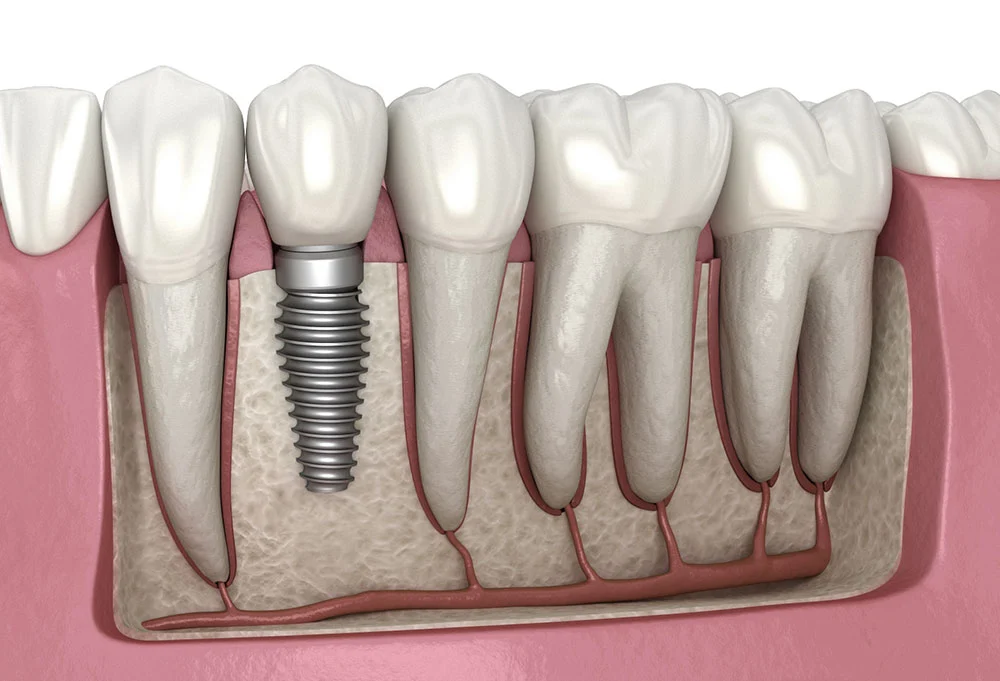
Titanium’s biocompatibility begins at the atomic level, with a nanometer-thin layer of titanium dioxide (TiO2) that forms spontaneously when the metal contacts oxygen. This passive film is only 1.5 to 10 nanometers thick — roughly 10,000 times thinner than a human hair — yet it’s the single most important factor in titanium’s implant success.
How TiO2 Self-Heals in Milliseconds
The TiO2 layer has a property that no other implant metal oxide shares: it regenerates almost instantly when damaged. Research published in the Journal of the European Ceramic Society documented that titanium’s passive film reforms within approximately 30 milliseconds after mechanical disruption, with the corrosion current density approaching zero within that same timeframe. For comparison, stainless steel’s chromium oxide layer requires minutes to reform and doesn’t achieve the same completeness.
This self-healing happens because of titanium’s extremely high oxygen affinity. The moment bare titanium is exposed — whether during surgical insertion, micromotion against bone, or even accidental scratching — ambient oxygen immediately rebuilds the protective TiO2 barrier. The result is that the vast majority of a titanium implant’s surface remains perpetually covered by this inert shield, even under the mechanically demanding conditions inside the human body.
What makes this oxide layer particularly biocompatible, rather than just corrosion-resistant, is its electronic structure. Research from PMC shows the TiO2 passive film has a band gap energy of 2.7–2.9 eV at its outermost surface, and a relative permittivity of 82.1 — remarkably close to water (80.0). This high permittivity minimizes the electrostatic force exerted on adsorbed proteins, meaning the oxide surface doesn’t distort or denature the proteins that land on it. When proteins maintain their shape, the body’s immune system doesn’t recognize them as foreign — and the inflammatory cascade that causes implant rejection never starts.
Why Other Metals Fail Where Titanium Succeeds
The contrast with other implant metals is stark:
- 316L Stainless Steel: Forms a chromium oxide (Cr2O3) passive film that is less stable in chloride-rich body fluids. Studies of explanted stainless steel spinal rods show severe crevice corrosion after long-term implantation. The film doesn’t regenerate as completely as TiO2.
- Cobalt-Chromium (Co-Cr) alloys: Demonstrate good general corrosion resistance but release cobalt and chromium ions over time. Reported blood cobalt levels in metallosis cases reached 6.9–29.7 μg/L, accompanied by axonopathy (nerve damage) and persistent peri-implant inflammation.
- Nickel-Titanium (Nitinol): While biocompatible for short-term applications (stents, endovascular filters), nitinol’s 55% nickel content creates a long-term sensitization risk. Severe pitting and crevice corrosion have been documented in stent grafts.
Titanium’s TiO2 surface doesn’t just resist corrosion — it actively prevents the biological recognition cascade that triggers rejection. This is a distinction that matters clinically, and it’s the core reason titanium has dominated implant medicine for over 50 years.
Osseointegration — Titanium’s Superpower That No Other Metal Matches
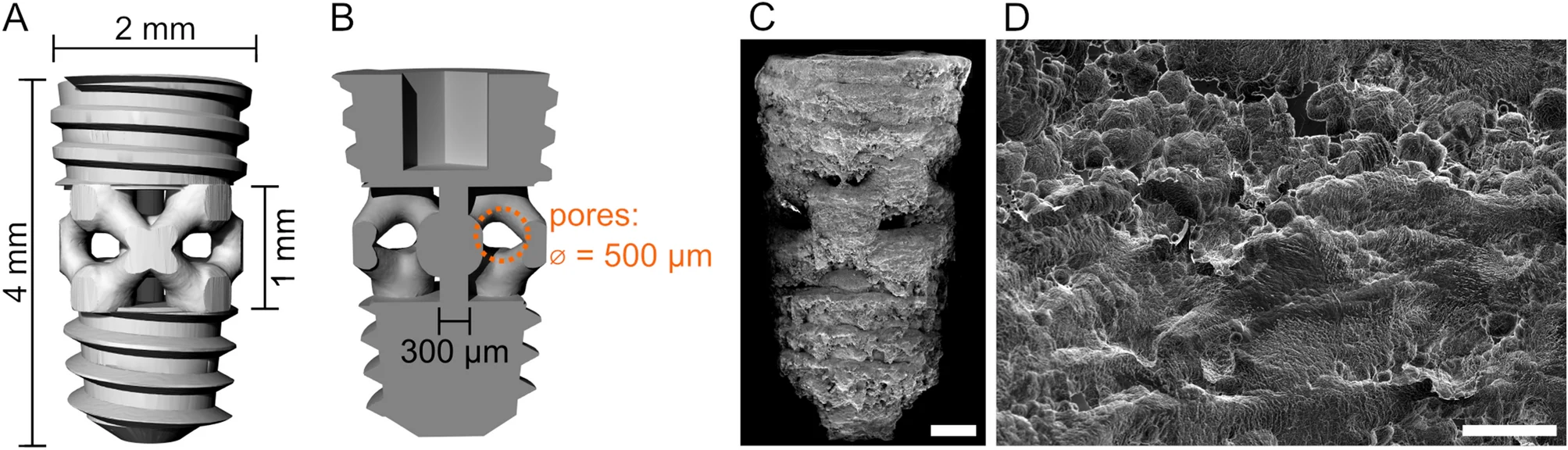
Osseointegration is the direct structural and functional connection between living bone and the surface of a load-bearing implant — and titanium is the only common implant metal that reliably achieves it. The term was coined by Professor Per-Ingvar Brånemark in the 1950s when he discovered that rabbit bone tissue grew directly onto a titanium observation chamber without any intervening soft tissue layer.
How Titanium Physically Bonds With Living Bone
The process unfolds in stages over weeks to months:
- Initial adsorption (seconds to minutes): Blood proteins (especially fibrinogen and fibronectin) adsorb onto the TiO2 surface. Research shows that while titanium adsorbs a thicker fibrinogen layer than gold, the total amount of adsorbed protein is actually lower — suggesting a more organized, less chaotic protein layer.
- Cell attachment (hours to days): Osteoblast precursor cells migrate to the implant surface and begin attaching. The TiO2 surface promotes this attachment better than virtually any other metal surface, including gold.
- Bone matrix deposition (days to weeks): Osteoblasts begin secreting collagen and mineralizing the matrix directly on the titanium surface. Studies show phosphate ions incorporate first, followed by calcium — confirmed at titanium-bone interfaces in histological analyses.
- Maturation and remodeling (weeks to months): The bone-implant interface strengthens as woven bone is replaced by lamellar bone. Orthopedic titanium alloy screws and nails typically show callus formation and assimilation into bone tissue after long-term implantation.
The mechanism isn’t fully understood at the electronic level, but researchers believe it’s related to titanium’s semiconductor behavior. The TiO2 film’s band gap energy of 2.7–2.9 eV provides “optimal reactivity” — high enough to be chemically stable, but low enough to participate in the electrochemical signaling that promotes bone cell differentiation. This is why the titanium surface actively encourages calcium phosphate formation while materials like zirconia (band gap 5–6 eV) remain bioinert.
15+ Year Clinical Survival Data
The clinical evidence for titanium implant longevity is extensive:
- Dental implants: A large-scale study of 158,824 titanium implants reported an overall survival rate of 97.79%, with a total failure rate of only 2.21%. Survival at 3 years was 98.9%.
- Long-term dental data: Approximately 86% to 92% of titanium dental implants remain functional after 20 years.
- Titanium dominates the market: In 2025, titanium held 90.99% of the global dental implant market revenue, compared to zirconia’s much smaller share.
- Zirconia comparison: A systematic review found titanium dental implant success rates of 92.5% to 97%, versus 51.7% to 96.9% for zirconia — significantly wider variation and lower floor.
These numbers aren’t manufacturer claims — they come from peer-reviewed clinical studies tracked over decades. For procurement teams evaluating implant materials, this survival data is the strongest evidence that titanium’s biocompatibility translates to real-world performance.
Is Titanium Hypoallergenic? An Honest Look at Titanium Allergy
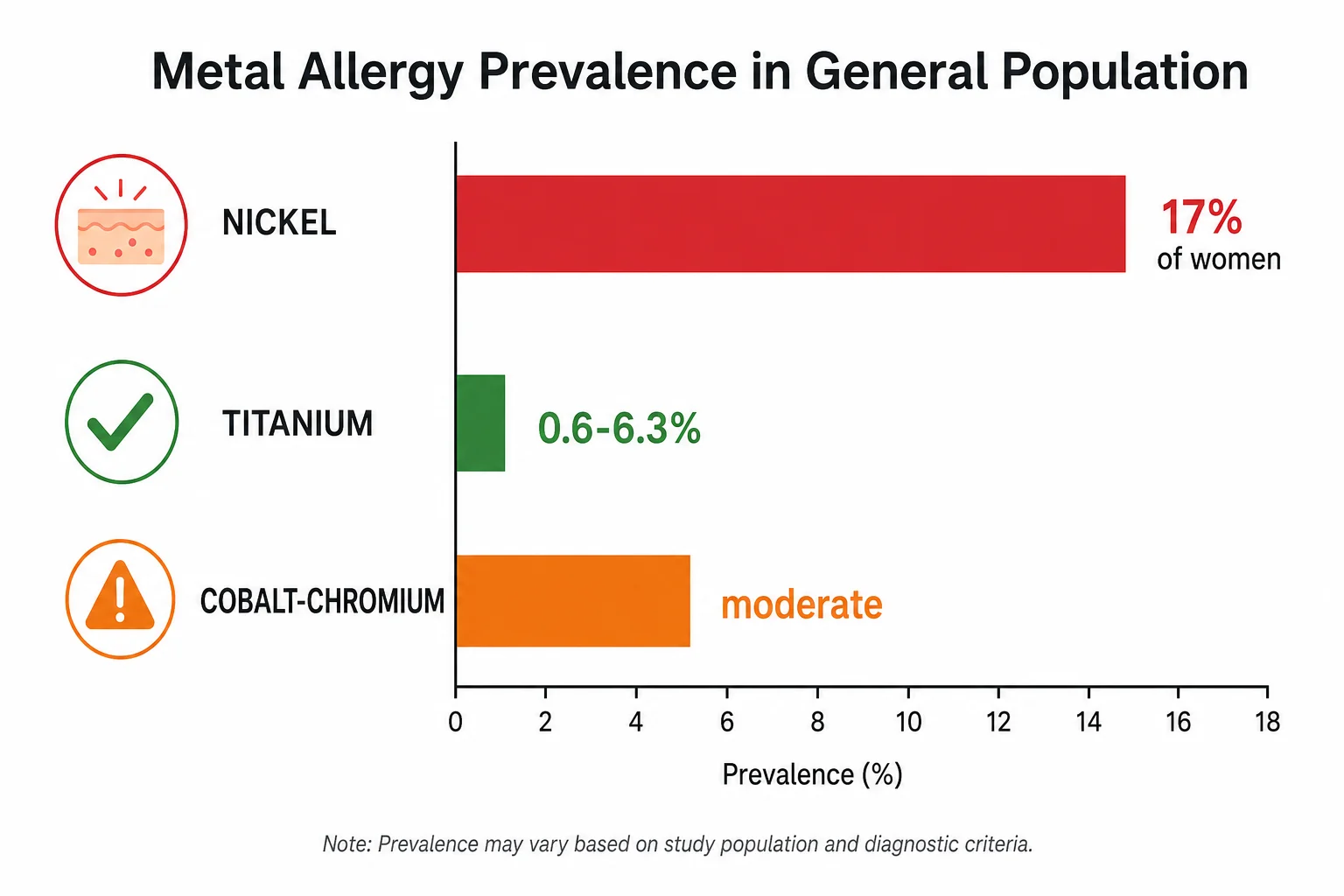
Titanium is considered hypoallergenic because it contains no nickel and triggers immune reactions in an estimated 0.6% to 6.3% of the population — far lower than nickel-containing alloys, but not zero. This is the section most implant marketing glosses over, and it’s the one patients and surgeons need most.
The Real Prevalence of Titanium Sensitivity
The numbers vary depending on the testing method and study population:
- A clinical study of 1,500 dental implant patients found a titanium allergy prevalence of 0.6% using lymphocyte transformation testing.
- A separate analysis published in 2025 in ScienceDirect reported that 0.6–1.0% of the population reports allergy to titanium ions, though this may be underreported because titanium allergy testing is not routine.
- One patch test study at a Japanese hospital found 6.3% positivity among 270 implant patients — significantly higher than the 0.6% lymphocyte-based figure, raising questions about which testing method and patient population produce the most accurate prevalence estimate.
- Among patients with pre-existing nickel allergies, the risk of titanium hypersensitivity is notably elevated, though specific prevalence in this subgroup is still being quantified.
To put this in context: nickel allergy affects approximately 17% of women in the general population. A nickel-containing stainless steel implant carries a substantially higher sensitization risk than a titanium implant, even accounting for titanium’s small allergy rate.
MELISA vs Patch Testing — Which Test Actually Works?
This is where the science gets complicated:
- Patch testing (the clinical standard for nickel allergy using 5% nickel sulfate) produces zero positive results for titanium in most studies — not because titanium allergy doesn’t exist, but because Type IV titanium hypersensitivity doesn’t present as a classic contact dermatitis that patch tests detect.
- MELISA testing (Memory Lymphocyte Immunostimulation Assay) is a blood test that measures T-cell responses to titanium ions in vitro. In one comparative study, MELISA detected positive reactions in 37.5% of patients while patch testing caught 0%. However, the MELISA test is not FDA-approved, and its reproducibility has been questioned in the literature.
- Lymphocyte transformation test (LTT) is another blood-based method, but the American Academy of Allergy, Asthma & Immunology notes it is “generally not used in clinical practice” for titanium.
The honest assessment: titanium allergy is real, underdiagnosed, and there’s no consensus on the best diagnostic test. For most patients, this doesn’t matter because the reaction rate is low. For patients with severe multiple metal allergies, pre-surgical testing may be warranted — though routine pre-operative patch testing is not recommended unless the patient has a history of implant complications suspected to be allergic in origin.
What to Do If You Have a Nickel Allergy and Need an Implant
The clinical consensus is clear on this: titanium implants are the preferred option for nickel-sensitive patients, precisely because they contain no nickel. The trace nickel impurity levels in implant-grade titanium (ASTM F136, ASTM F67) are well below the threshold that triggers reactions in the vast majority of nickel-allergic individuals.
For the small subset of patients who react to both nickel and titanium, alternatives include:
- Zirconia (ceramic) implants: Metal-free, but with wider performance variation and less long-term data
- Niobium-based alloys: Emerging option with excellent biocompatibility
- PEEK (polyetheretherketone): Polymer implant material for specific non-load-bearing applications
Surgeons managing metal-sensitive patients should document the allergy history and consider titanium as first-line, with zirconia as backup — not the reverse.
Titanium vs Other Implant Metals — The Data Behind the Decision
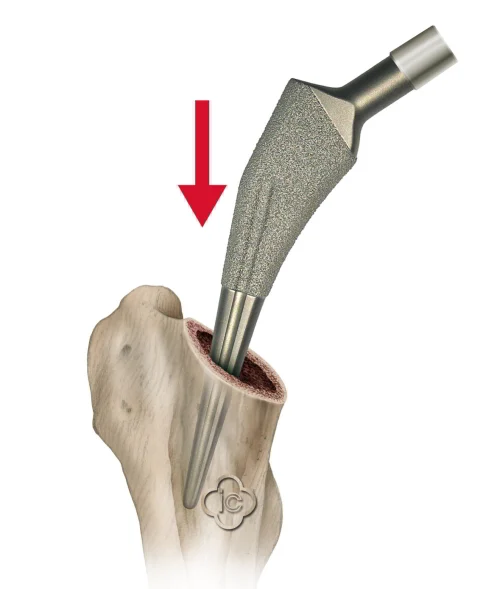
In head-to-head comparisons across corrosion resistance, biocompatibility, fatigue strength, and clinical track record, titanium outperforms stainless steel, cobalt-chromium, and zirconia in most categories — with one notable exception: elastic modulus matching to bone.
Titanium vs Stainless Steel (316L)
| Property | Titanium (Ti-6Al-4V ELI) | 316L Stainless Steel |
|---|---|---|
| Corrosion resistance | Superior — no pitting in physiological solutions | Pitting and crevice corrosion documented in explants |
| Passive film | TiO2, reforms in ~30ms | Cr2O3, slower regeneration, degrades in chloride |
| Biocompatibility | Excellent — no protein denaturation | Moderate — nickel content (10-14%) poses allergy risk |
| Elastic modulus | ~110 GPa | ~200 GPa |
| Fatigue endurance | ~500 MPa | ~260 MPa |
| Weight | 4.43 g/cm³ | 8.0 g/cm³ |
| Clinical longevity | 97.79% survival (158K+ implants) | Well-documented corrosion after 10+ years |
| Nickel content | 0% (CP Ti) / <0.1% trace | 10–14% |
Verdict: Titanium wins in every category except cost. 316L SS is cheaper but carries nickel allergy risk and long-term corrosion concerns.
Titanium vs Cobalt-Chromium
| Property | Titanium (Ti-6Al-4V ELI) | Co-Cr (CoCrMo) |
|---|---|---|
| Corrosion resistance | Superior | Good but releases Co/Cr ions |
| Ion release concerns | Minimal | Metallosis risk (blood Co: 6.9–29.7 μg/L in adverse cases) |
| Elastic modulus | ~110 GPa | ~230 GPa |
| Fatigue endurance | ~500 MPa | ~600 MPa (slight advantage) |
| Allergy risk | Very low | Moderate — cobalt sensitization documented |
| Weight | 4.43 g/cm³ | 8.3 g/cm³ |
Verdict: Co-Cr has a slight edge in fatigue strength, making it useful for certain high-load articulating surfaces (hip bearing). But titanium’s lower elastic modulus, lower weight, and absence of metallosis risk make it the safer default.
Titanium vs Zirconia (The Ceramic Alternative)
| Property | Titanium (Ti-6Al-4V ELI) | Zirconia (Y-TZP) |
|---|---|---|
| Biocompatibility | Excellent | Excellent (bioinert) |
| Metal allergy risk | Very low (0.6%) | Zero (no metal content) |
| Clinical success rate | 92.5–97% | 51.7–96.9% (wide variation) |
| Osseointegration | Active bone bonding | Passive — no active calcium phosphate formation |
| Fracture risk | Very low | Higher — ceramic fracture documented |
| Long-term data | 20+ year studies available | Limited long-term clinical data |
| Surface modification | Extensive research base | Fewer proven techniques |
| Cost | Higher | Moderate to high |
Verdict: Zirconia is a legitimate alternative for nickel-allergic patients, but titanium has stronger clinical evidence, more predictable outcomes, and better osseointegration. The wide variation in zirconia success rates (51.7–96.9%) suggests it’s more technique-sensitive.
Choosing the Right Titanium — ASTM Grades for Medical Implants
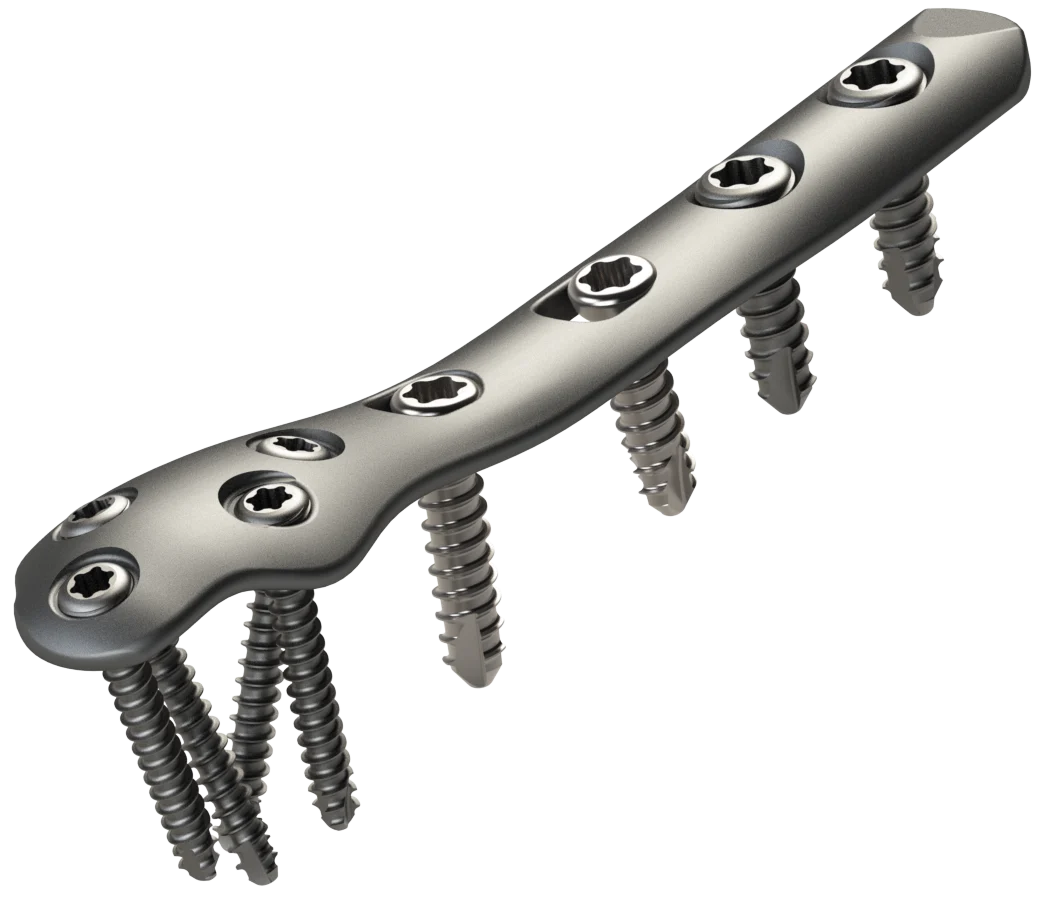
Not all titanium is the same. ASTM has established specific grades for implant applications, and choosing the wrong grade can compromise both biocompatibility and mechanical performance. Here’s what procurement teams and engineers need to know.
CP Titanium (ASTM F67) — Grades 1 Through 4
Commercially pure (CP) titanium contains no intentional alloying elements — just titanium with trace amounts of oxygen, iron, nitrogen, and carbon that increase with grade number:
| Grade | Yield Strength (min) | Key Characteristics | Typical Implant Use |
|---|---|---|---|
| Grade 1 | 170 MPa | Most ductile, softest, most corrosion resistant | Non-load-bearing devices, plates |
| Grade 2 | 275 MPa | Good balance of strength and formability | Surgical instruments, lightweight implants |
| Grade 3 | 380 MPa | Moderate strength | General surgical implants |
| Grade 4 | 480 MPa | Strongest CP grade, highest oxygen/iron content | Structural implants, dental implant bodies |
ASTM F67 covers Grades 1–4 for surgical implant applications (UNS R50250, R50400, R50550, R50700). The higher the grade, the stronger but less formable the material. Grade 4 is the most commonly used CP titanium for dental implant bodies.
Ti-6Al-4V ELI (ASTM F136) — The Workhorse Alloy
Ti-6Al-4V ELI (Grade 23) is the single most widely used implant alloy in the world. The “ELI” stands for Extra Low Interstitials — meaning reduced oxygen, nitrogen, and carbon content for improved biocompatibility and fracture toughness.
Key properties of ASTM F136 Ti-6Al-4V ELI:
- Yield strength (0.2% offset): 795 MPa minimum
- Tensile strength (UTS): 860 MPa minimum
- Elongation: 10% minimum
- Fatigue endurance: ~500 MPa (varies with geometry and test method; ASTM F136 does not specify a minimum fatigue limit)
- Elastic modulus: ~110 GPa
- Composition: 6% aluminum, 4% vanadium, balance titanium
This alloy is specified for orthopedic implants (hip stems, knee components, bone screws), dental implant abutments and bodies, spinal fixation devices, and trauma fixation hardware.
Critical distinction: ASTM F136 is NOT the same as ASTM B348 Grade 23. While both specify Ti-6Al-4V ELI, ASTM F136 includes additional requirements for surgical implant applications. Always verify that the certification explicitly references ASTM F136, not just “Grade 23” or “B348.”
Which Grade for Which Application?
| Application | Recommended Grade | Standard | Why |
|---|---|---|---|
| Dental implant body (standard) | CP Ti Grade 4 or Ti-6Al-4V ELI | F67 / F136 | Grade 4 for simpler, smaller implants; F136 for larger/stressed components |
| Dental implant abutment | Ti-6Al-4V ELI | F136 | Higher strength for load transfer |
| Hip stem | Ti-6Al-4V ELI | F136 | Highest strength + fatigue resistance needed |
| Knee replacement components | Ti-6Al-4V ELI | F136 | Load-bearing, high cycle fatigue |
| Bone screws/plates (trauma) | CP Ti Grade 4 or Ti-6Al-4V | F67 / F1472 | Lower load, higher ductility acceptable |
| Spinal fusion cage | Ti-6Al-4V ELI | F136 | Structural integrity in compression |
| Experimental low-stiffness | Ti-Nb-Zr beta alloys | Research specs | Approaching bone-like elastic modulus |
The Stress Shielding Question — Titanium’s One Mechanical Weakness
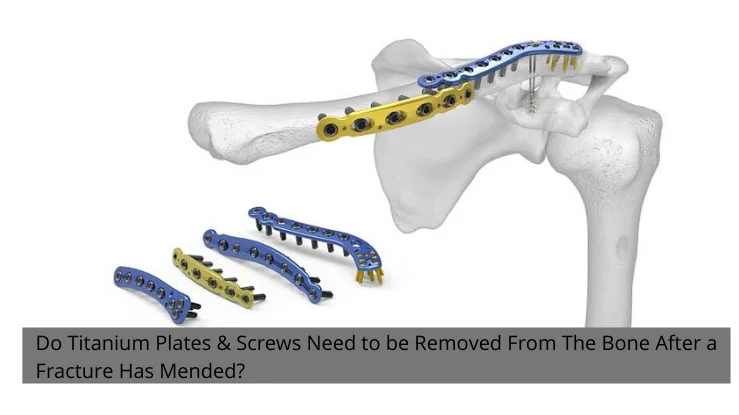
Titanium’s elastic modulus (110 GPa for Ti-6Al-4V) is significantly higher than human bone (10–30 GPa), which can lead to stress shielding — a process where the implant absorbs too much mechanical load, causing the surrounding bone to thin and weaken over time. This is titanium’s most discussed mechanical limitation, and understanding it is critical for implant design.
Stress shielding occurs because of Wolff’s Law: bone adapts to the loads placed on it. When a stiff titanium implant carries most of the load, the adjacent bone receives less mechanical stimulation and gradually resorbs. The effect is most pronounced in cortical bone (high-stiffness regions) and less concerning in cancellous bone.
The elastic modulus comparison tells the story:
| Material | Elastic Modulus (GPa) | Ratio to Cortical Bone |
|---|---|---|
| Cortical bone | 10–30 | 1:1 (baseline) |
| Ti-6Al-4V ELI | 110 | 4–11x |
| CP Titanium | 105–120 | 4–12x |
| 316L Stainless Steel | 200 | 7–20x |
| Co-Cr alloy | 230 | 8–23x |
| PEEK | 3.5–4.0 | 0.1–0.4x |
Titanium is still closer to bone than stainless steel or Co-Cr, which is why it performs better clinically. But the mismatch is real, and the industry is actively addressing it through:
- Porous titanium structures (3D-printed): Reduce effective modulus by introducing controlled porosity, bringing the bulk modulus closer to 10–30 GPa
- Beta-titanium alloys (Ti-Nb, Ti-Nb-Zr, Ti-Nb-Sn): Research alloys with moduli as low as 3.1 GPa — matching or approaching bone
- Surface texturing: Doesn’t change bulk modulus but promotes faster osseointegration, reducing the window where stress shielding can occur
- Functionally graded designs: Dense core for strength, porous surface for bone integration
For procurement decisions: stress shielding is a design consideration, not a dealbreaker. The implant geometry, fixation method, and bone quality all influence the clinical significance. Modern implant designs — particularly porous 3D-printed titanium — substantially reduce stress shielding compared to solid titanium components.
Frequently Asked Questions
Is titanium truly hypoallergenic?
Yes, in the clinical sense. Titanium contains no nickel and triggers immune reactions in only 0.6–6.3% of patients — compared to 17% of women who react to nickel. For patients with metal allergies, titanium is the safest metallic implant option available. Zirconia (ceramic) is the only lower-allergy alternative.
What makes titanium biocompatible when other metals aren’t?
Three factors: (1) TiO2 passive film that reforms in 30 milliseconds, preventing ion release; (2) surface electronic properties that don’t denature adsorbed proteins, so the immune system doesn’t recognize the implant as foreign; (3) the ability to form direct bone-to-implant contact (osseointegration) without intervening soft tissue.
Can you be allergic to titanium?
Yes, but it’s rare. Published prevalence ranges from 0.6% (lymphocyte testing) to 6.3% (patch testing). Symptoms include skin redness, hives, eczema, and in implant patients, unexplained implant loosening or peri-implant tissue inflammation. Patients with pre-existing multiple metal allergies have elevated risk.
How long do titanium implants last?
Clinical data shows 86–92% of titanium dental implants remain functional after 20 years, with an average lifespan estimated at 30+ years. The overall survival rate across 158,824 implants studied was 97.79%.
Is titanium better than zirconia for dental implants?
Titanium has a stronger clinical evidence base (92.5–97% success vs. 51.7–96.9% for zirconia), better osseointegration, and more predictable long-term outcomes. Zirconia is preferable only for patients with confirmed metal allergies or for aesthetic zone applications where metal-free is desired.
What ASTM standard should I specify for a titanium implant?
For structural implants (hip stems, dental bodies, screws), specify ASTM F136 (Ti-6Al-4V ELI) or ASTM F67 (CP Titanium Grades 1–4). Always verify the certificate of conformance references the implant-specific standard, not the industrial equivalent (B348).
What is stress shielding and should I worry about it?
Stress shielding occurs when a stiff titanium implant absorbs too much load, causing adjacent bone to thin. Titanium (110 GPa) is closer to bone (10–30 GPa) than stainless steel (200 GPa) or Co-Cr (230 GPa), but the mismatch exists. Modern porous 3D-printed designs and beta-titanium alloys substantially reduce this risk.
Does titanium corrode inside the body?
Under normal conditions, no. The TiO2 passive film prevents corrosion in the chloride-rich environment of body fluids. However, mechanical abrasion (fretting at implant interfaces) can accelerate corrosion locally, and titanium debris particles — while far less toxic than metal ions from other metals — can accumulate in surrounding tissue over decades.
Final Verdict — Why Titanium Remains the Gold Standard
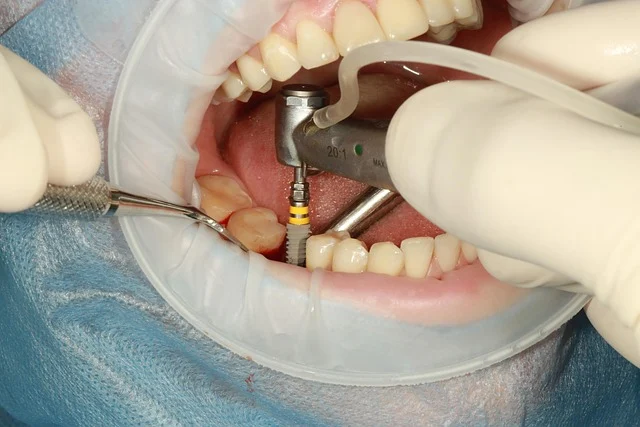
After reviewing two decades of clinical data, materials science research, and the comparative performance of every major implant metal, the conclusion is straightforward: titanium is the safest, most reliable metal for medical implants — not because it’s perfect, but because it solves more problems than any alternative.
Its TiO2 self-healing surface prevents the ion release that corrodes stainless steel implants. Its surface chemistry promotes osseointegration that zirconia can’t match. Its nickel-free composition makes it safer than every nickel-containing alloy for allergy-prone patients. And its clinical survival data — 97.79% across 158,824 implants — is backed by 50+ years of surgical use.
Titanium isn’t without limitations. Its elastic modulus is higher than bone, creating stress shielding risk. A small percentage of patients (0.6–6.3%) may develop hypersensitivity. And 3D-printed porous designs are beginning to push the performance envelope beyond what conventional titanium can achieve.
But for today’s implant procurement decisions — whether you’re specifying a dental implant body, an orthopedic stem, or a spinal cage — titanium grade ASTM F136 or ASTM F67 remains the benchmark against which every alternative is measured. That’s not marketing. That’s the data.